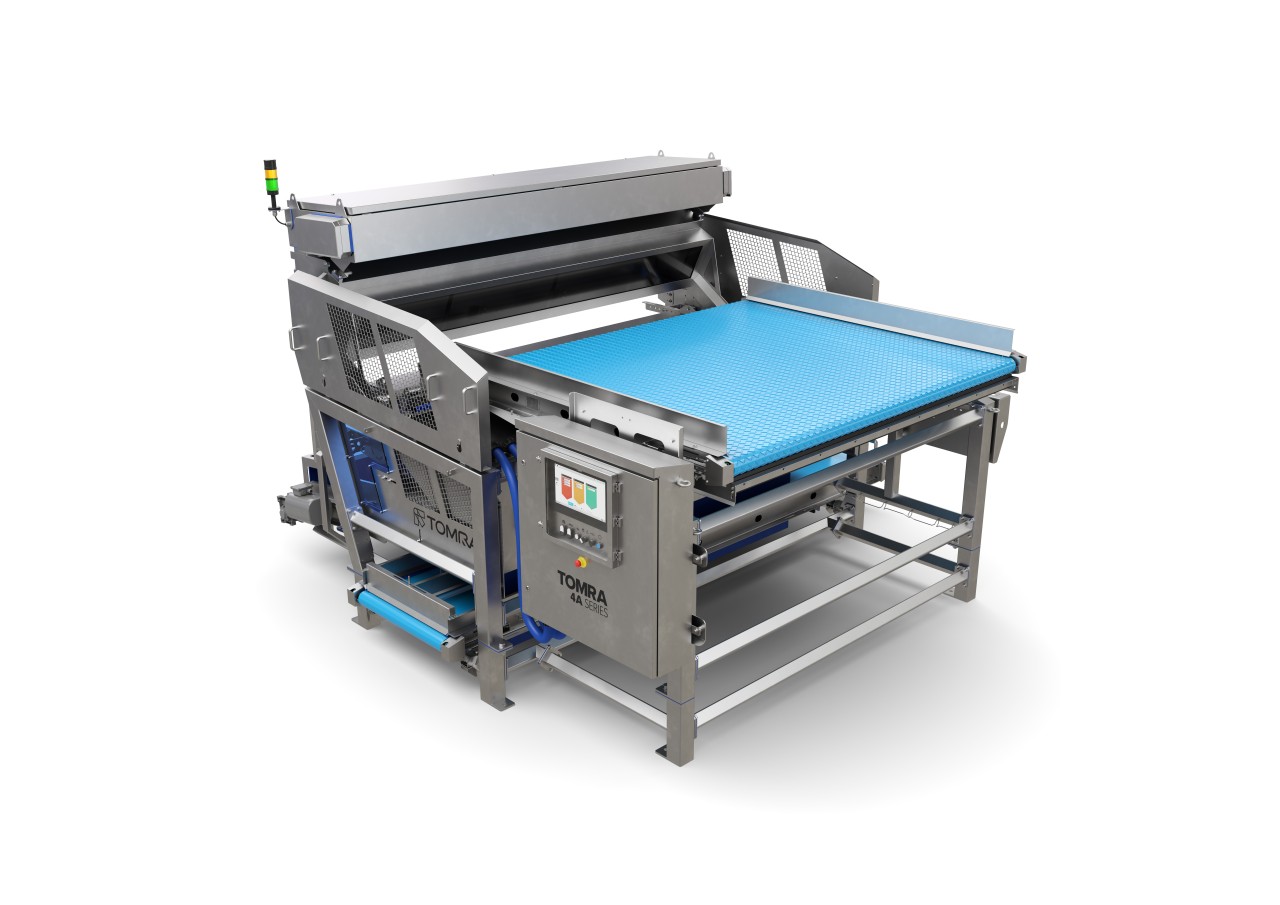
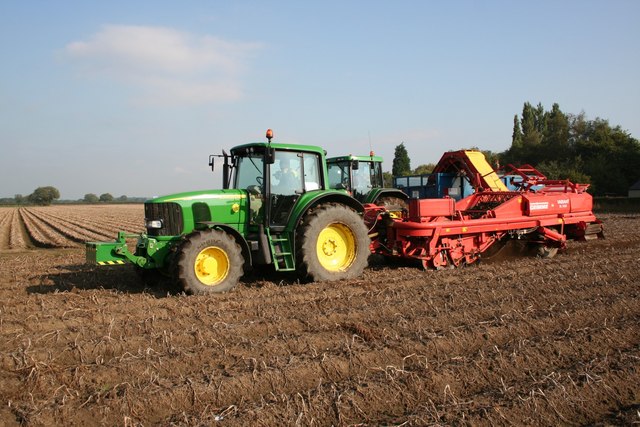
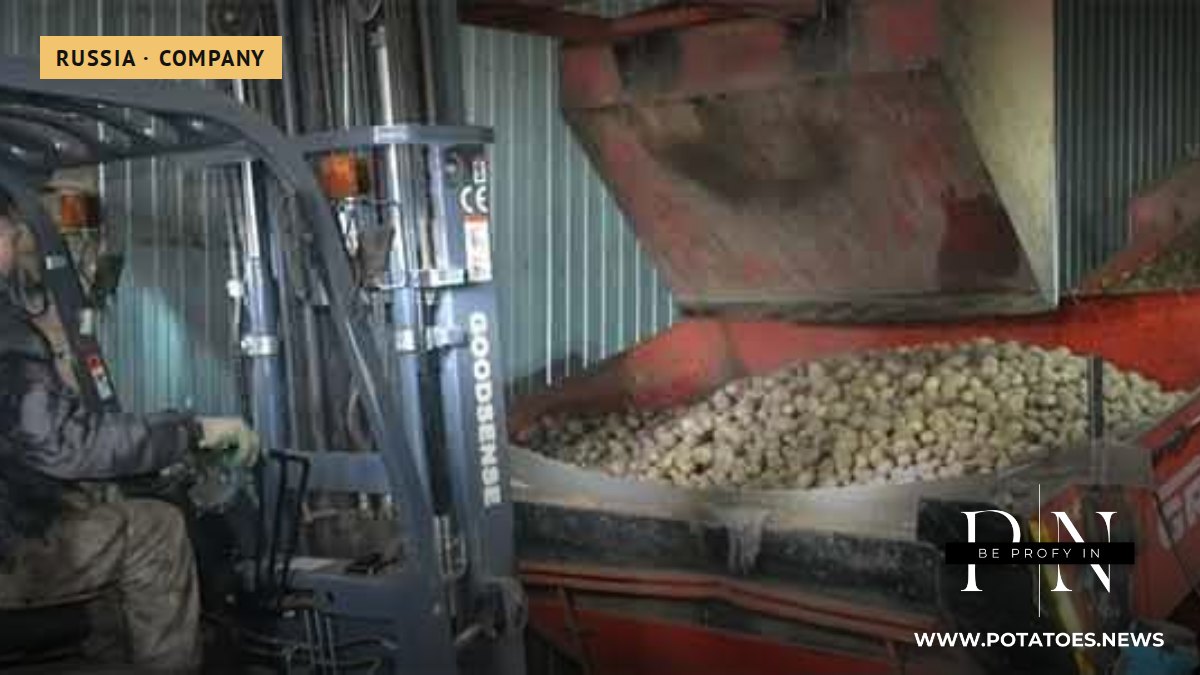
TOMRA Food has launched the TOMRA 4A, an AI-based sorter for unwashed potatoes rated at up to 100 tonnes per hour before storage. It joins a growing group of machines aimed at cleaning the crop before it…
India harvested 59.89 million tonnes of potatoes in 2025/26, yet growers lost money and water scarcity now hangs over planting in Madhya Pradesh and Gujarat. Potato Expert Panel members Deepak Soni (ITC Foods) and Surya Prakash Dwivedi…
German processing potatoes are trading at roughly €220-283/t depending on variety, with Innovator at the top of the range; table potatoes hold at €260-300/t and a first storage surcharge is starting to appear.
With most of the Dutch ware crop now in store, BASF Agricultural Solutions advises starting dormancy management before sprouts are visible; a two-year WUR trial found early application of the 1,4SIGHT suppressant cut storage losses by 1.1–1.6…
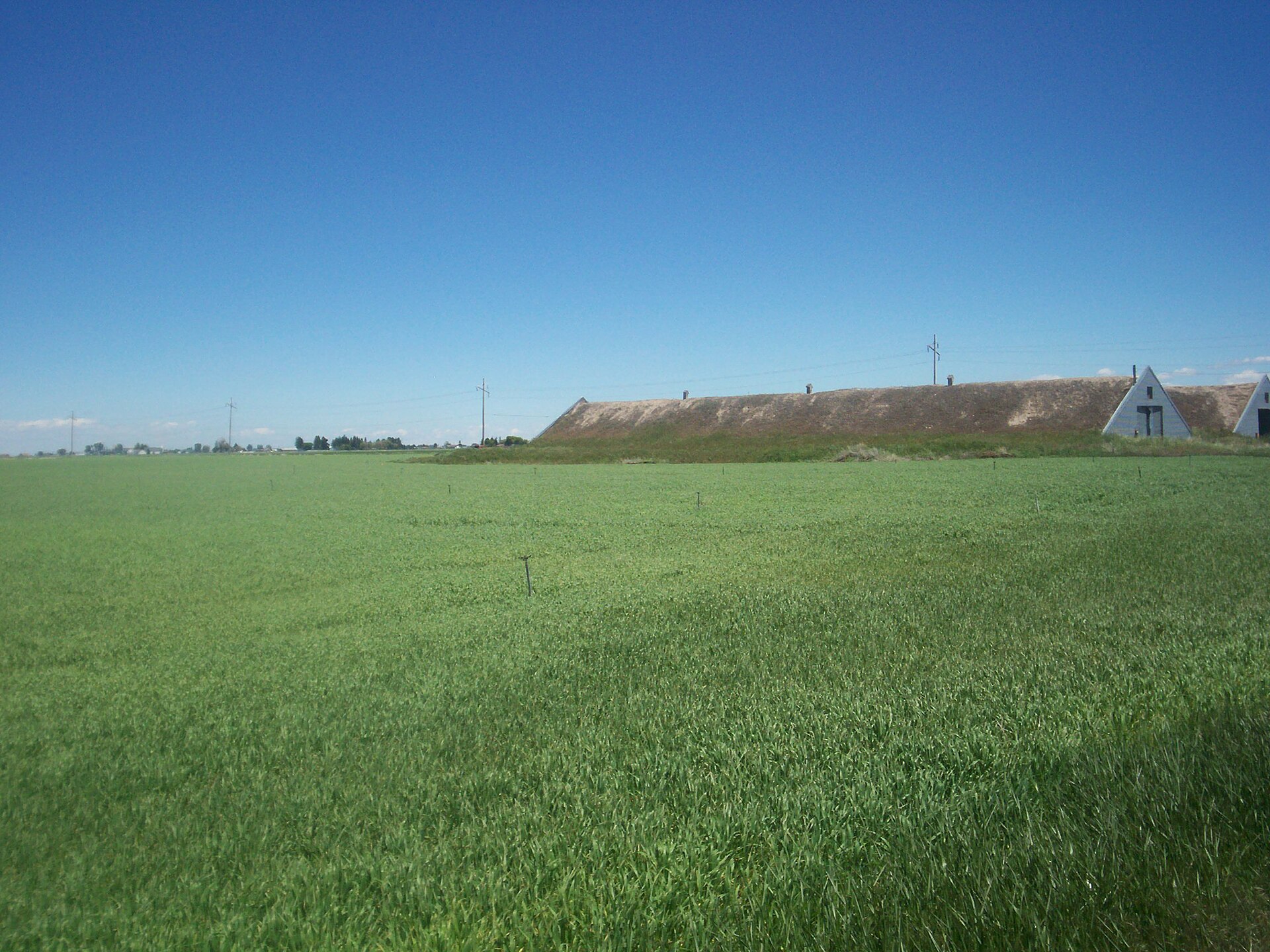
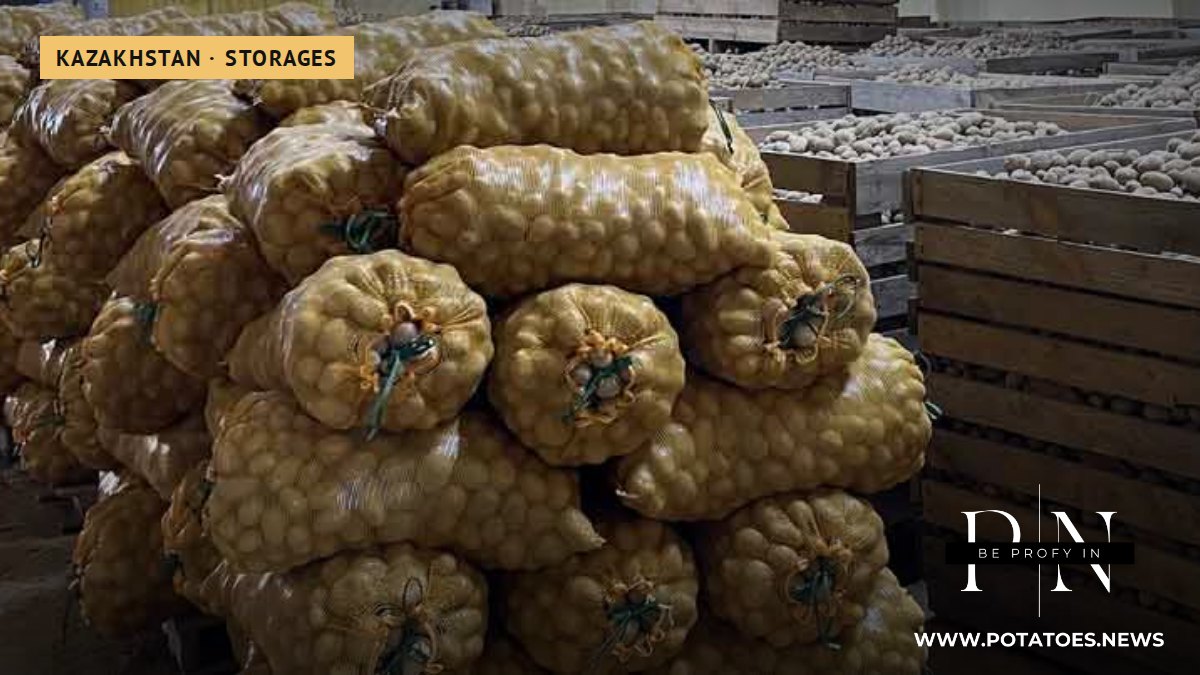
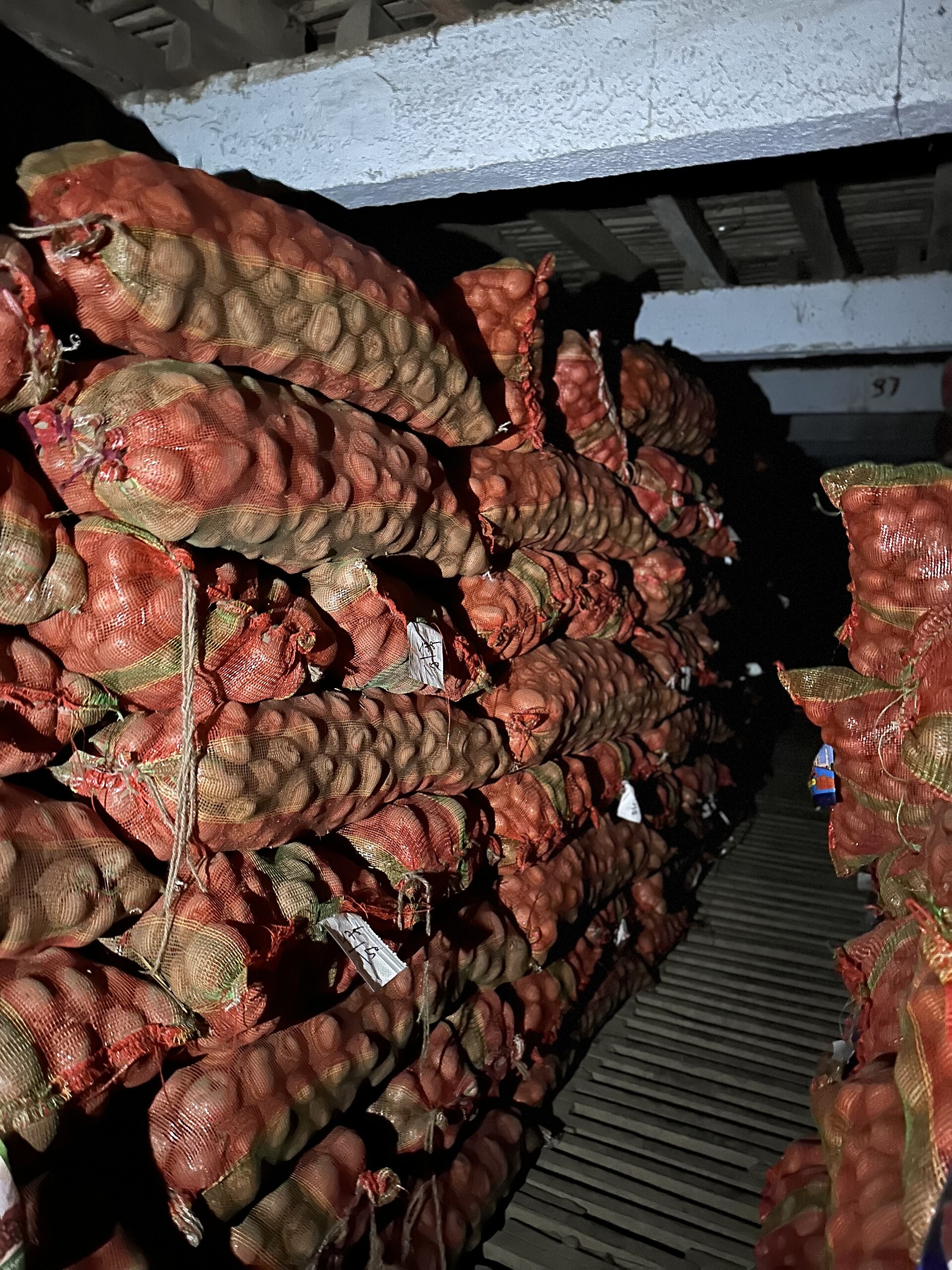
A 17,450 m² storage complex with 16 sections in Almaty region's Iliysky district will supply PepsiCo's new Alatau plant and build a regional food reserve.
Agricultural cooperative Uspenskoye, among 300+ Sakhalin farmers backed by state grants, used a 25-million-ruble 2024 award to build 1,000 tonnes of vegetable storage capacity.
A research building more than 20 years in the making is now home to Washington State University’s post-harvest potato team, giving the group state-of-the-art storage rooms and a dedicated research kitchen.
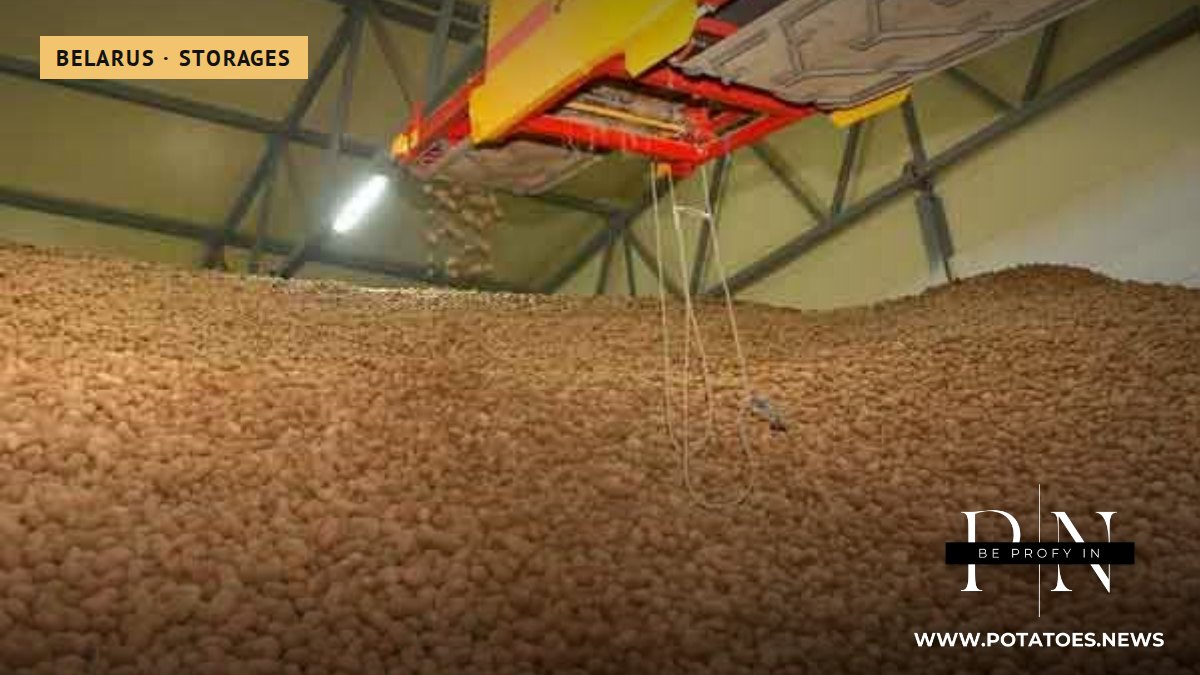
Belarus’s Gomel region has sent more than 3.1 thousand tonnes of potatoes into storage for the state stabilization fund, 42% of the regional plan of 7.6 thousand tonnes, the state news agency BELTA reported on 15 October,…
A new NAPSO bulletin says the intensifying 2026–27 El Niño — Niño 3.4 at +2.1°C and an 83% probability of historically exceptional strength — could raise refrigeration costs and shrink marketable returns for North American potato storage…
Fan power falls with the cube of speed, so running storage fans slowly and steadily used 33–45% less energy than conventional control in Idaho research.
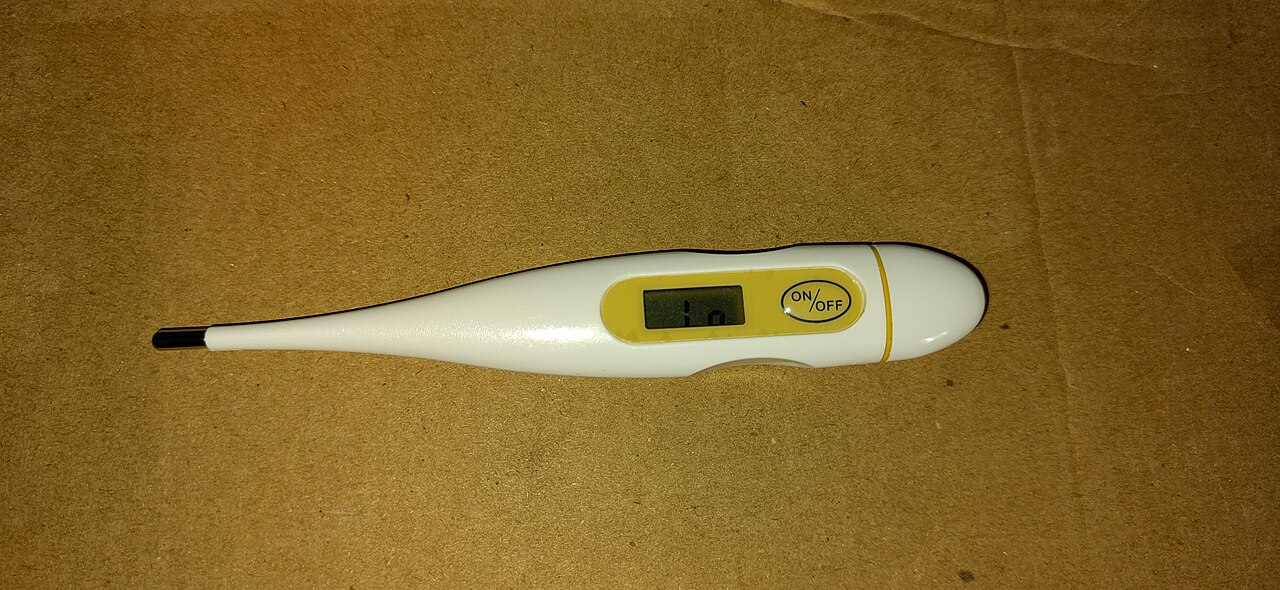
According to a potatoway survey, 21 of 26 farms put their crop into storage, and temperature control has become a mass task this season. We break down three price segments of solutions: from an alcohol thermometer to…
Lead Potatoes have gone into storage—and the season's main concern has gone in with them: what is happening to the temperature inside the pile right now? According to a potatoway survey, 21 of 26 commercial farms store…
As harvest and storage filling approach completion across North America, the North America Potato Storage Organization is urging growers, storage managers and transport operators to keep safety at the centre of the operation — with fatigue management…
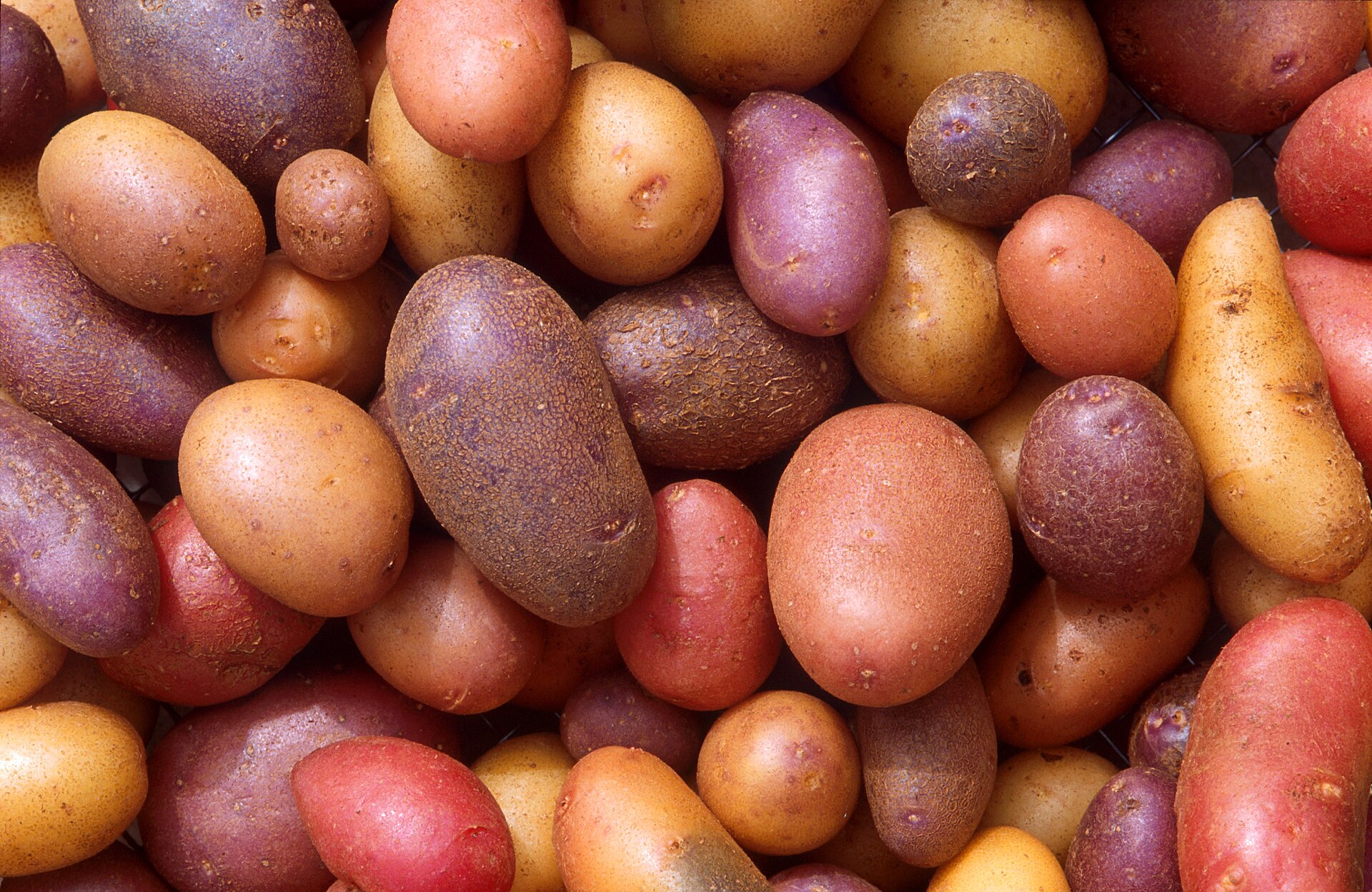
Belarusian agricultural specialists have identified the best potato varieties for long-term storage, with "Skarb" standing out as the champion. According to Vadim Makhanko, Director General of the Research and Practical Center of the National Academy of Sciences…
According to the Ministry of Agriculture and Trade of the Komi Republic, LLC "Prigorodny" has placed more than 1,550 tonnes of marketable potatoes into winter storage. The harvest is continuing in a two-shift, round-the-clock regime. By the…
Studies from Kenya and Switzerland and Canadian storage guidance show how warm reconditioning at 13–22°C reverses part of cold-induced sweetening and improves chip and fry colour.
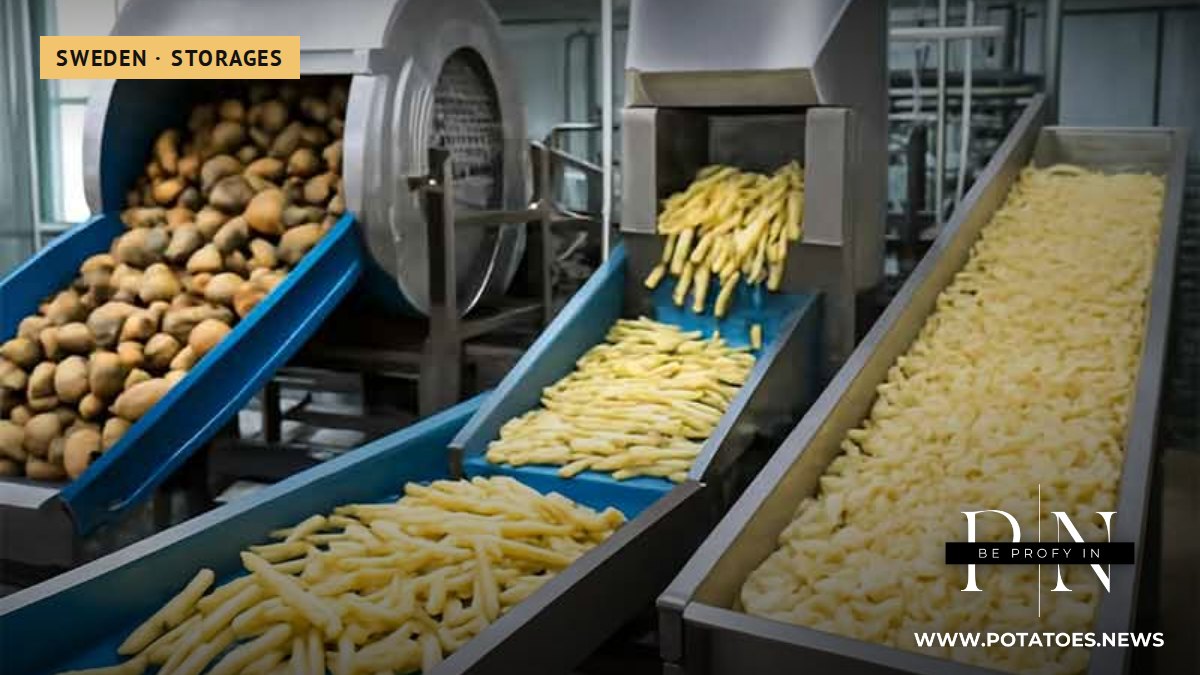
Recent developments in Sweden’s potato sector reveal a multi-pronged push to modernize storage infrastructure, improve processing efficiency, and reduce post-harvest losses. A notable innovation comes from Lyckeby, which has partnered with Nifitech to introduce temperature spears specifically…
A Belarusian company, Urbanfresh LLC, is seeking $100,000 in investment to complete the launch of what it describes as the first production facility in the CIS for washed potatoes packaged in eco-friendly kraft paper. Located in the…
The Talachyn Canning Plant in Belarus's Vitebsk Region is constructing the country's largest potato storage facility, with a capacity of 20,000 tonnes. The project marks the first national deployment of ethylene-based gas storage technology, using a natural…
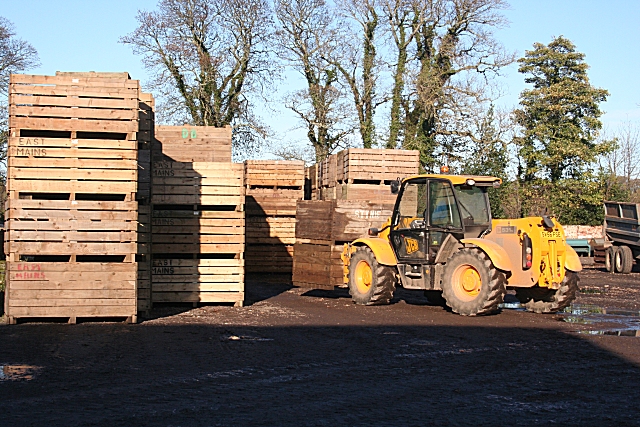
UK research shows bulk stores push almost all air through the crop, while in box stores as little as 15% can reach the far end. Boxes cost more overall but keep lots separate.
AHDB, NAPPO and UK trade reports show how ethylene and spearmint oil control sprouts after the CIPC ban, what doses are used and why costs per tonne are several times higher.
Nizhny Novgorod Oblast has launched its first two agro-aggregators—modern consumer cooperation centres designed to connect small farmers with large federal retail chains. The first opened in the village of Abramovo, Arzamassky District, run by individual entrepreneur Daniel…
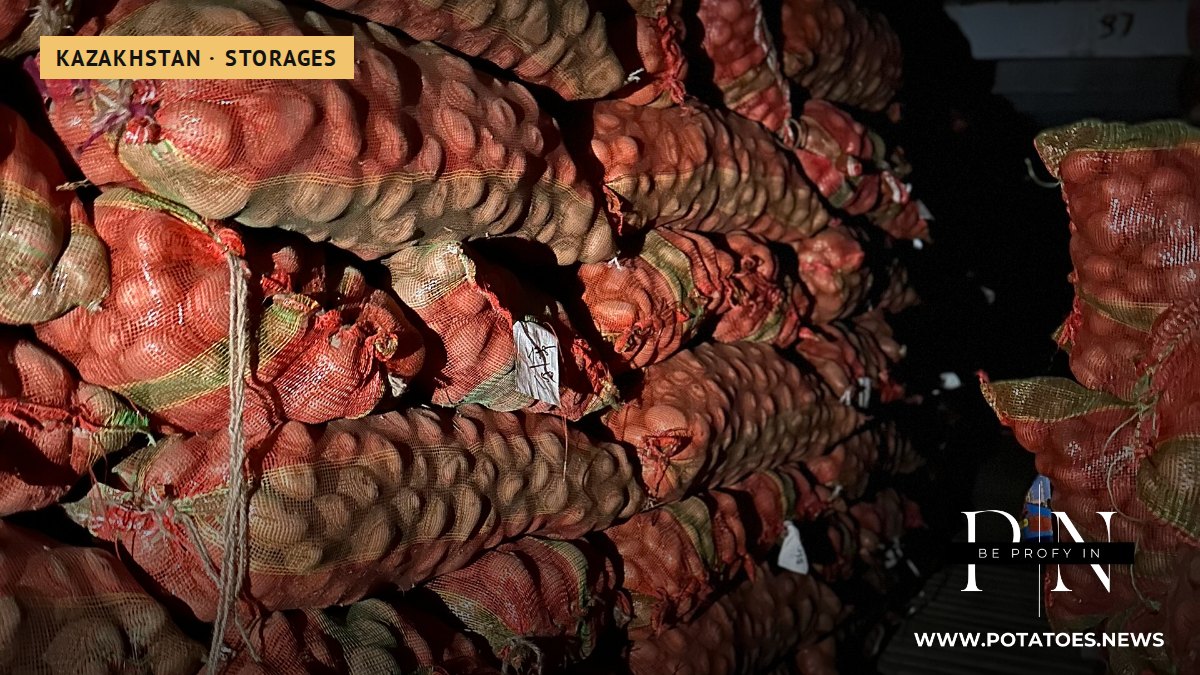
Kazakhstan has commissioned 95 storage facilities with a total capacity of 746,000 tonnes as part of the Comprehensive Plan for the Construction and Modernization of Vegetable Storages. Vice-Minister of Agriculture Azat Sultanov announced these figures at a…
Extension advice says potato vines should be dead for 10 to 21 days before digging. A 2025 Washington State study shows how skin strength differs by variety.
AHDB found up to 300% variation in electricity use between potato stores of the same type. Variable-speed fans cut fan energy by 40–63% in US trials and also reduced weight loss.
Six years after the EU ban on CIPC, the temporary residue limit for potatoes fell to 0.2 mg/kg from January 2026. Old stores remain the main contamination risk, while ethylene, mint and orange oil replace CIPC.
ODEPA's wholesale bulletin for 21–25 September shows Asterix potatoes at CLP 23,500–23,718 per 25 kg sack in Santiago's Lo Valledor market, against CLP 18,000 in Talca.
WRAP estimates that UK homes throw away 510,000 tonnes of potatoes a year. Older WRAP data show most of this weight is peel, but 180,000 tonnes were uncooked fresh potatoes.
Storage losses to the potato tuber moth reach 50–100% in warm countries. Cooling below 10°C, deep planting and clean tubers are the main defences; plant powders showed results in Egypt.
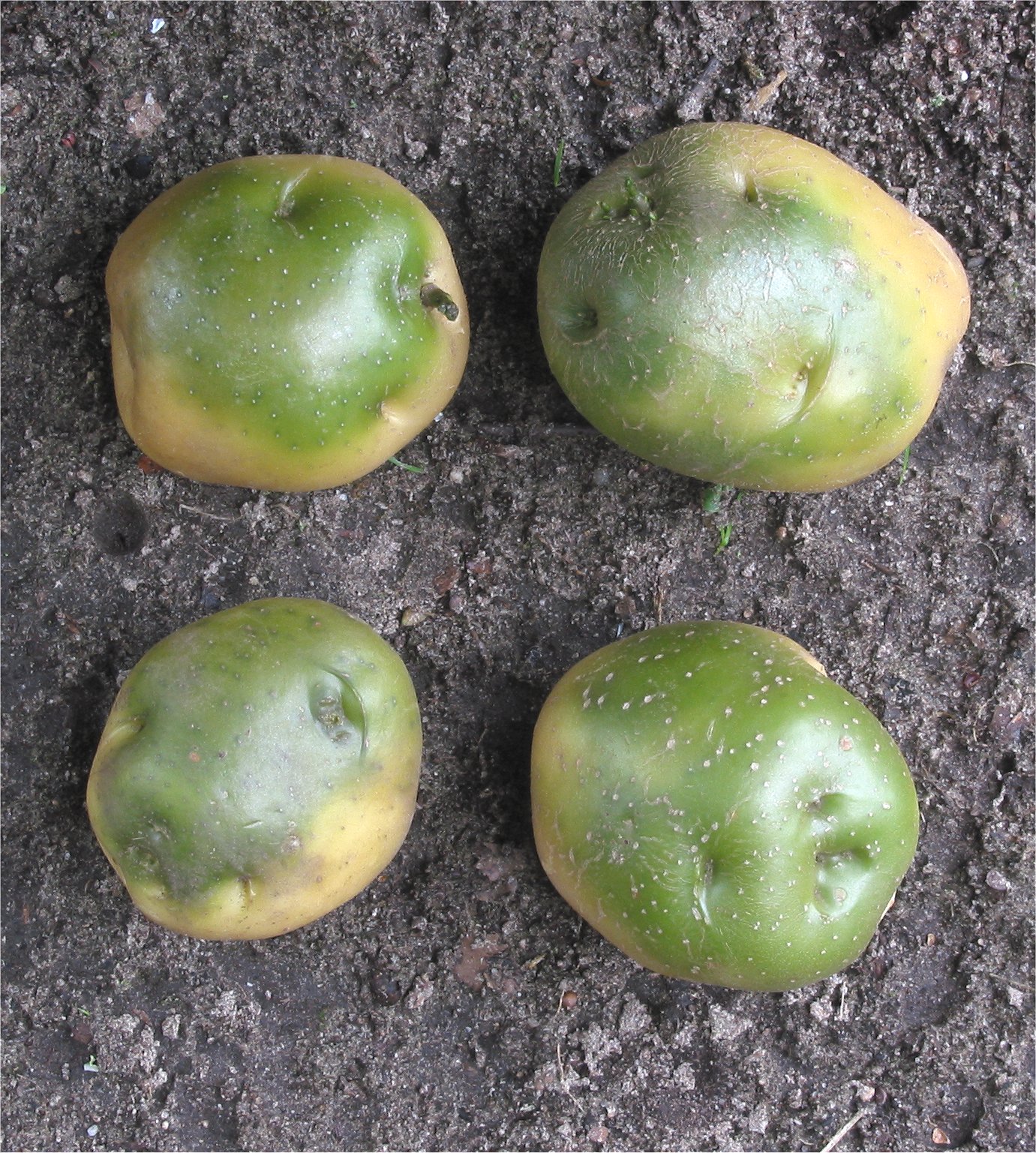
A Norwegian study found three cultivars exceeded 200 mg/kg glycoalkaloids after 36 hours of retail light. Greening was four times faster at 20°C than at 6°C.
UK and Irish storage guides use a 4°C rule for ventilation at loading. Airflow, pull-down speed and a warm pile top keep water off tubers in the first weeks.
EU rules require processing potatoes to be stored above 6°C. US guidance and a 2024 Kenyan study show how warmer storage and reconditioning cut reducing sugars and lighten chips.
Dutch storage firm Omnivent, which says it has 400,000 tonnes of storage capacity in India, told the Global Potato Summit that every hour of ventilation dries potatoes. It urges heat-load design, renovation and earlier equipment orders.
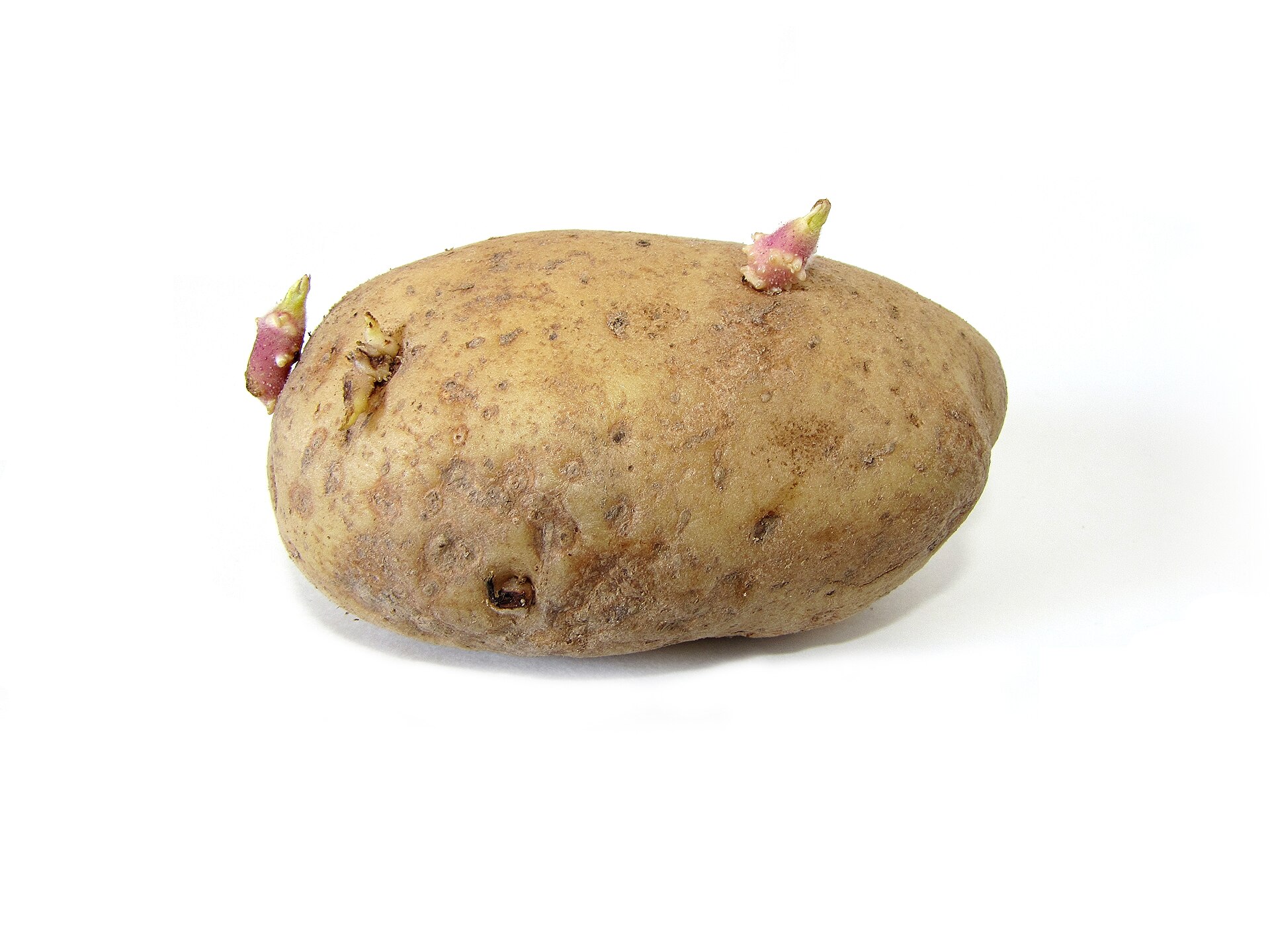
Choosing a variety is the strongest lever against early sprouting in store. A large data study and British storage trials also show that season and site can shift dormancy by weeks.
Weight loss in store is mostly water, and it is fastest in the first days after harvest. University of Idaho research shows why a few points of relative humidity are worth real money.
Soft rot bacteria live on most potato crops and wait for warmth, wounds and a lack of oxygen. Extension guidance explains which temperatures and handling steps turn a small problem into a wet store.
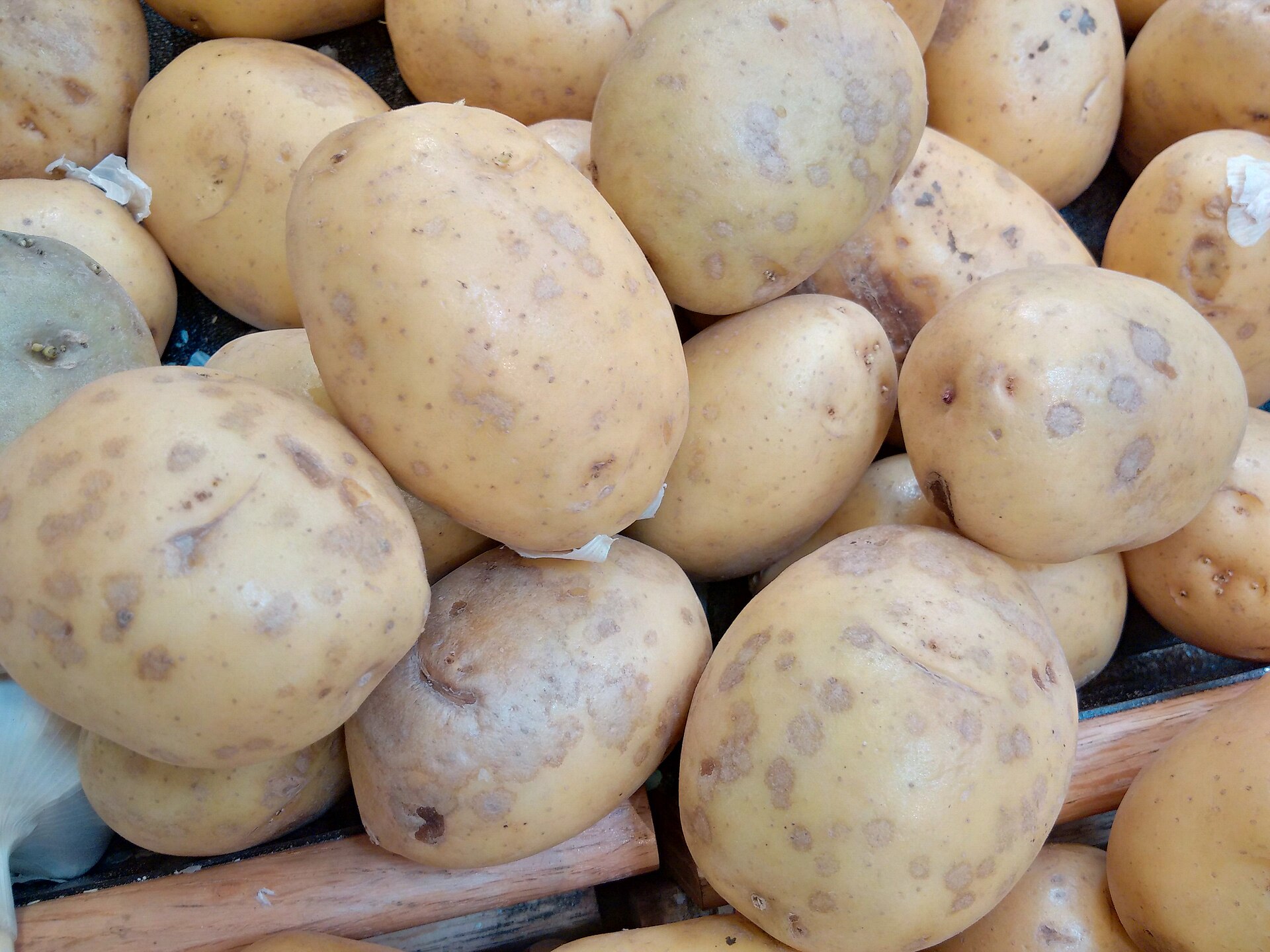
Silver scurf damages skin finish rather than yield, but it can ruin packing and washing grades. Extension advice links the disease to early lifting, fast cooling and control of condensation.
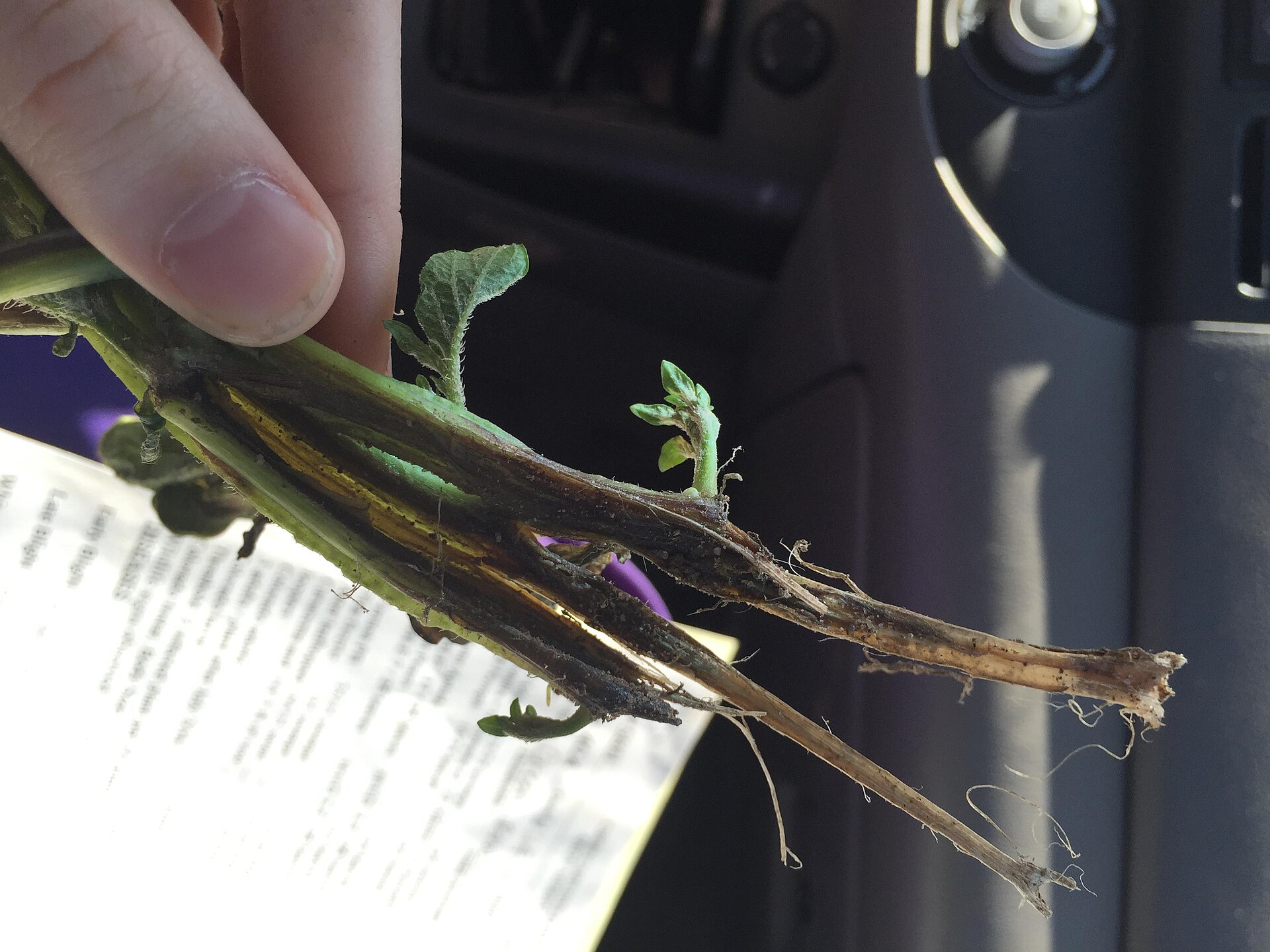
Dry rot enters through harvest wounds and grows slowly for months in store. Extension services in Idaho, New York and California describe the losses, the resistance problem and the steps that still work.
Closed stores often hold ten times more carbon dioxide than outside air. Extension data show that CO2 alone may be tolerated, but together with traces of ethylene it darkens fry colour.
Potato growers raised high costs for seed, irrigation and storage at a ministry meeting on 25 September. An analyst puts this year's area at 95.5% of 2025 and sees lower yields and weak keeping quality.
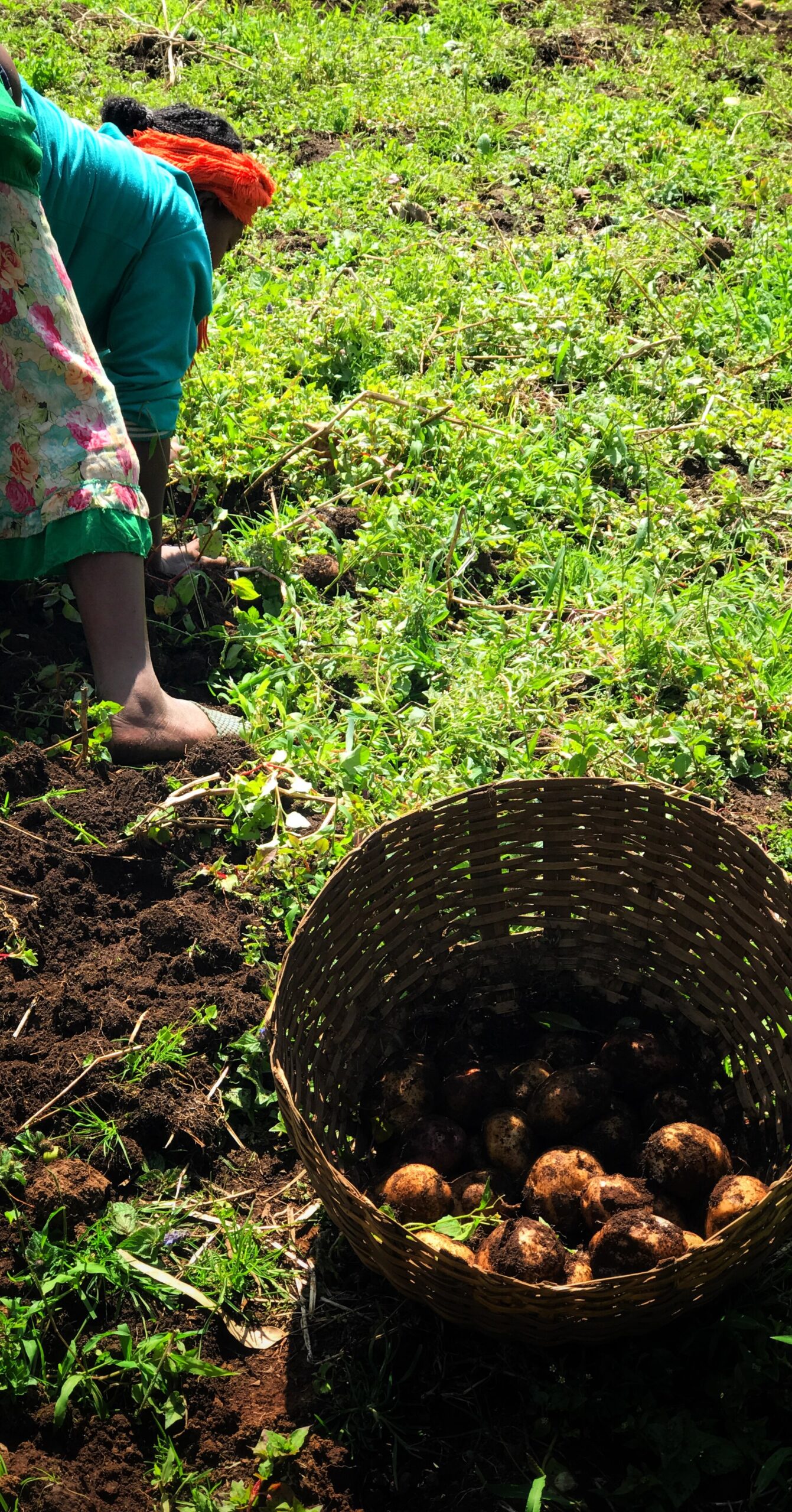
Ethiopia produced 4.09 million tonnes of potatoes in 2024, over ten times the 2000 level, FAOSTAT shows. Yields are about 12 t/ha and post-harvest losses reach 30–40%.
Night frosts often arrive before the harvest is over. Frozen tubers look normal at digging but can start rot in the whole store. Here is what specialists advise.
With CIPC gone, maleic hydrazide is a field-applied base for sprout control. It delivers 3 kg/ha in one application, ideally about five weeks before haulm destruction.
A Penza region farm plans a 20,000-tonne vegetable store with washing, sorting and potato packing lines. The project costs 1.447 billion roubles; the first 10,000 tonnes are due in 2027.