IPT
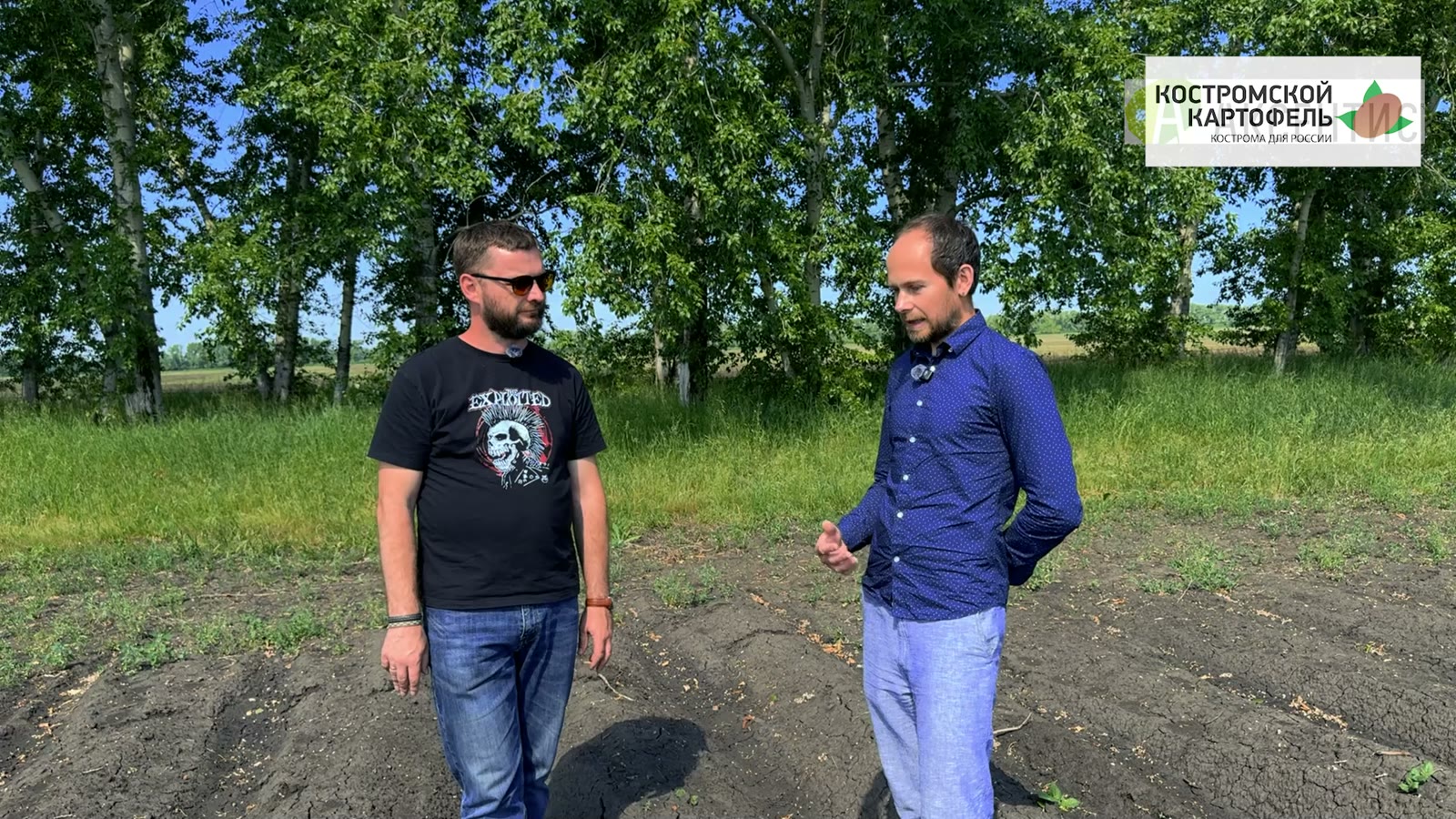
How Krasnoyarsk develops and tests seed potatoes
At Krasnoyarsk State Agrarian University, the Potato Tour follows Acrux and Mira from field trials to seed production and revisits the university’s work with Avgust.
 POTATOES.NEWSGlobal potato industry intelligence
316 stories
At Krasnoyarsk State Agrarian University, the Potato Tour follows Acrux and Mira from field trials to seed production and revisits the university’s work with Avgust.
A PAPAS field video featuring nematologist Inga Zasada and Washington potato grower Brett Reynolds draws attention to an early management decision: how to collect soil samples that answer the right question. The update complements the project’s published…
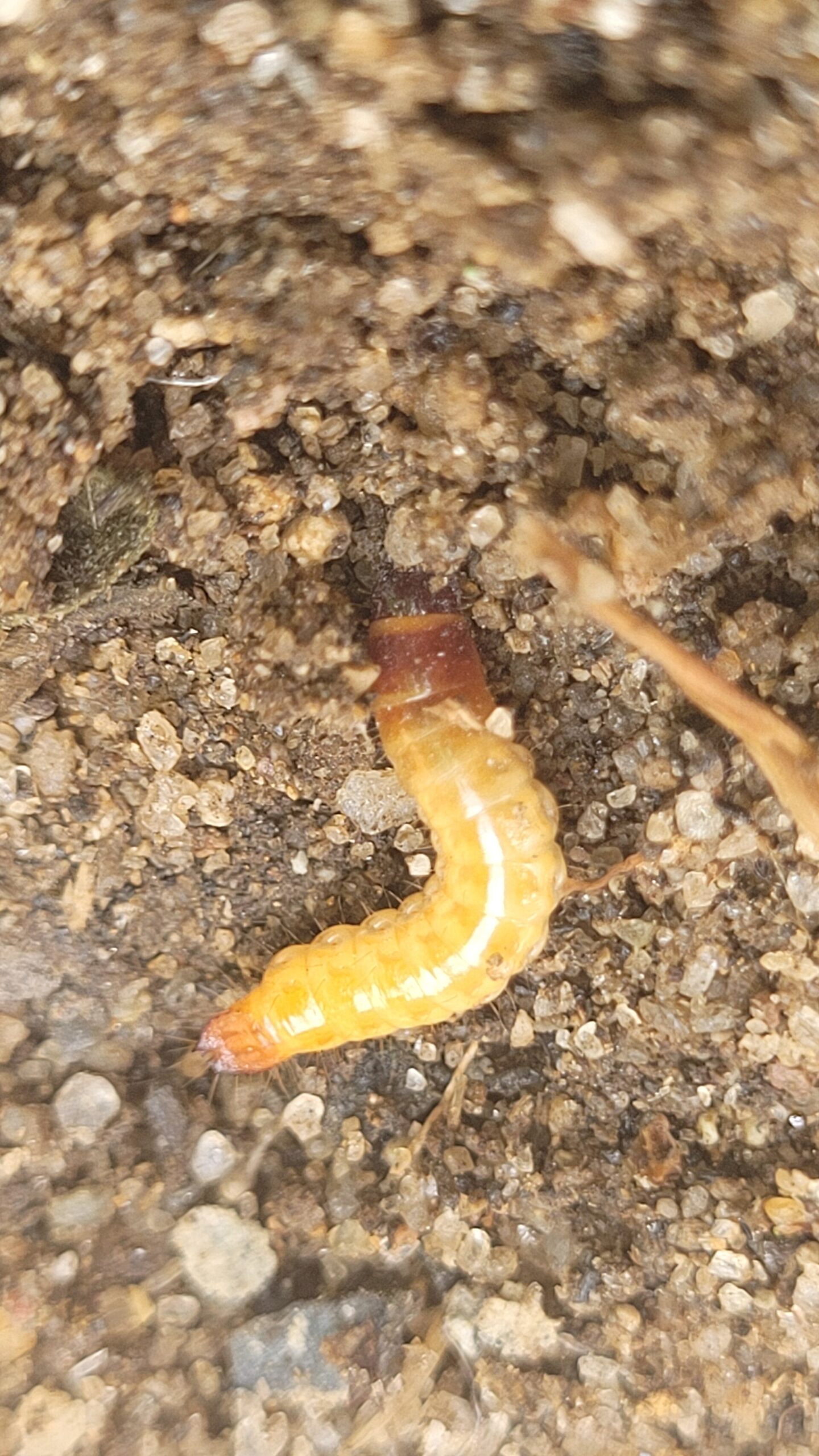
With older soil insecticides withdrawn, wireworm damage is rising in several regions; monitoring, rotation and new chemistry fill the gap imperfectly.
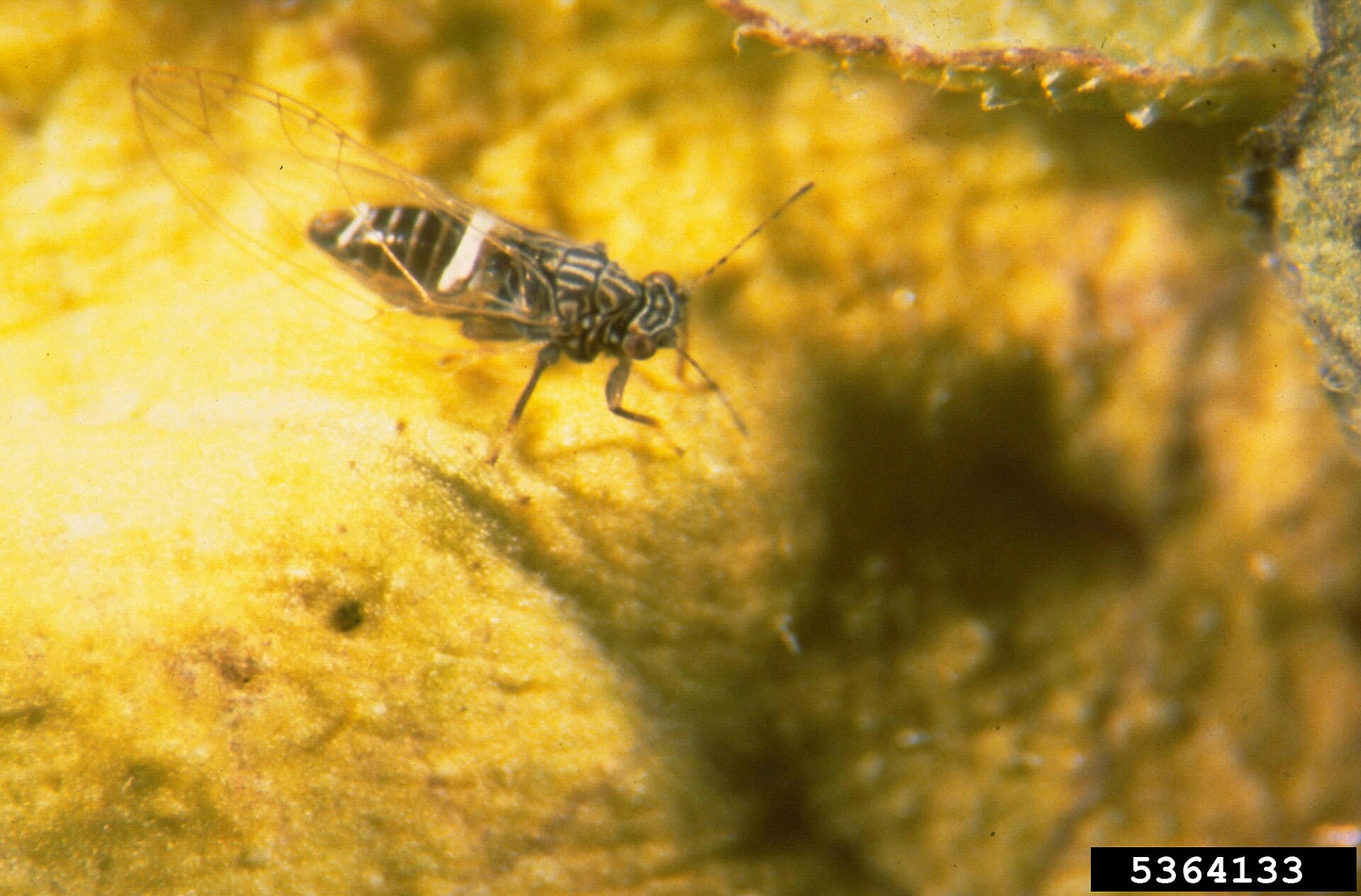
The spread of the potato psyllid (Bactericera cockerelli) is threatening some 125,000 hectares of potato cultivation in Peru, according to the International Potato Center (CIP), as reported by FreshPlaza. The insect transmits the disease complex known locally…
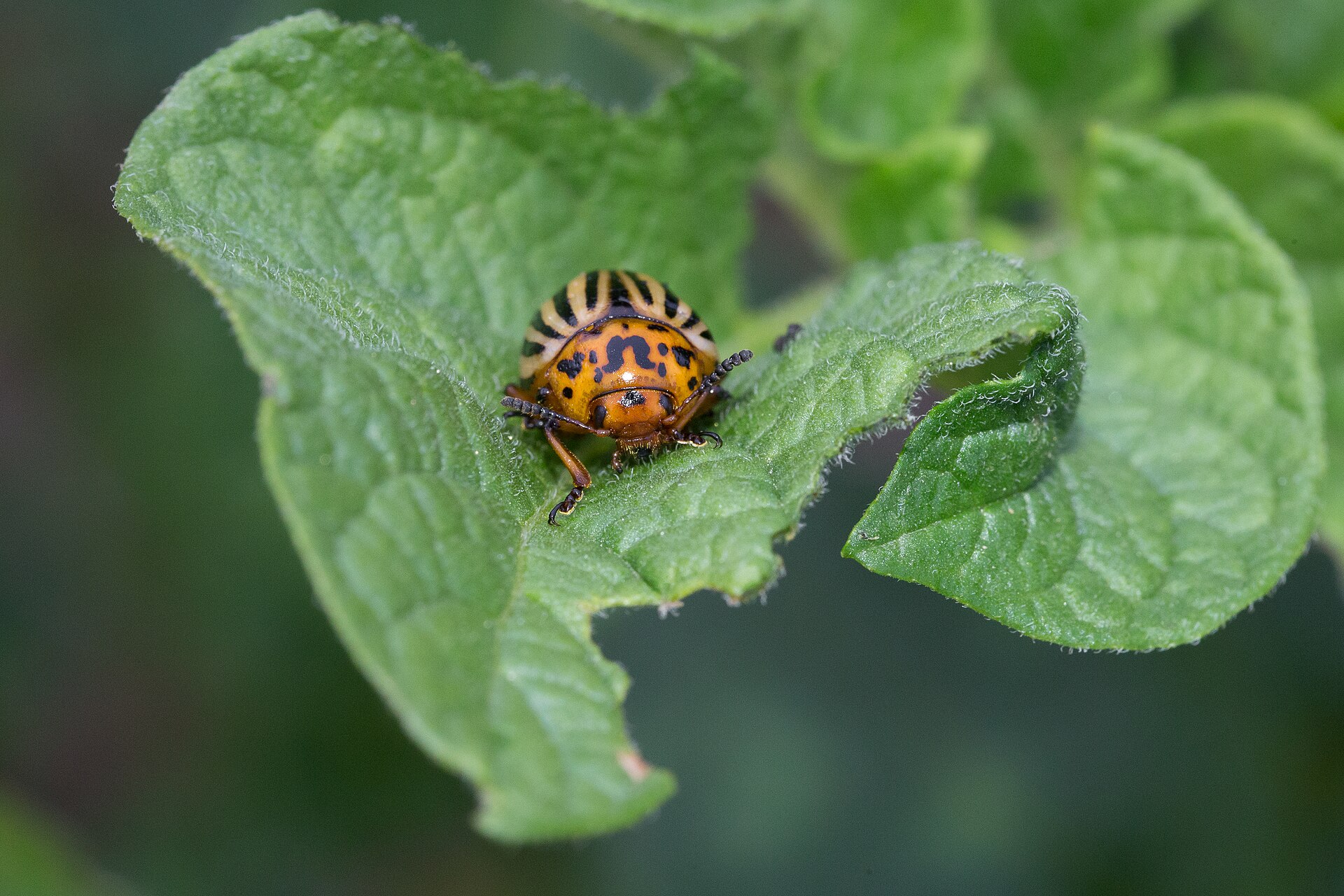
The beetle's long record of resistance means insecticide programs must rotate modes of action between generations; reliance on neonicotinoids is ending.
An AHDB guide and Oregon State University Extension show that brassica cover crops can suppress potato cyst nematodes, but only with high biomass, flowering-stage chopping and fast incorporation.
Soil and tuber samples are being checked for cysts as the region's main root crop goes into winter storage.
Rosselkhoznadzor abolished the zones in the Altai district following successful eradication measures.
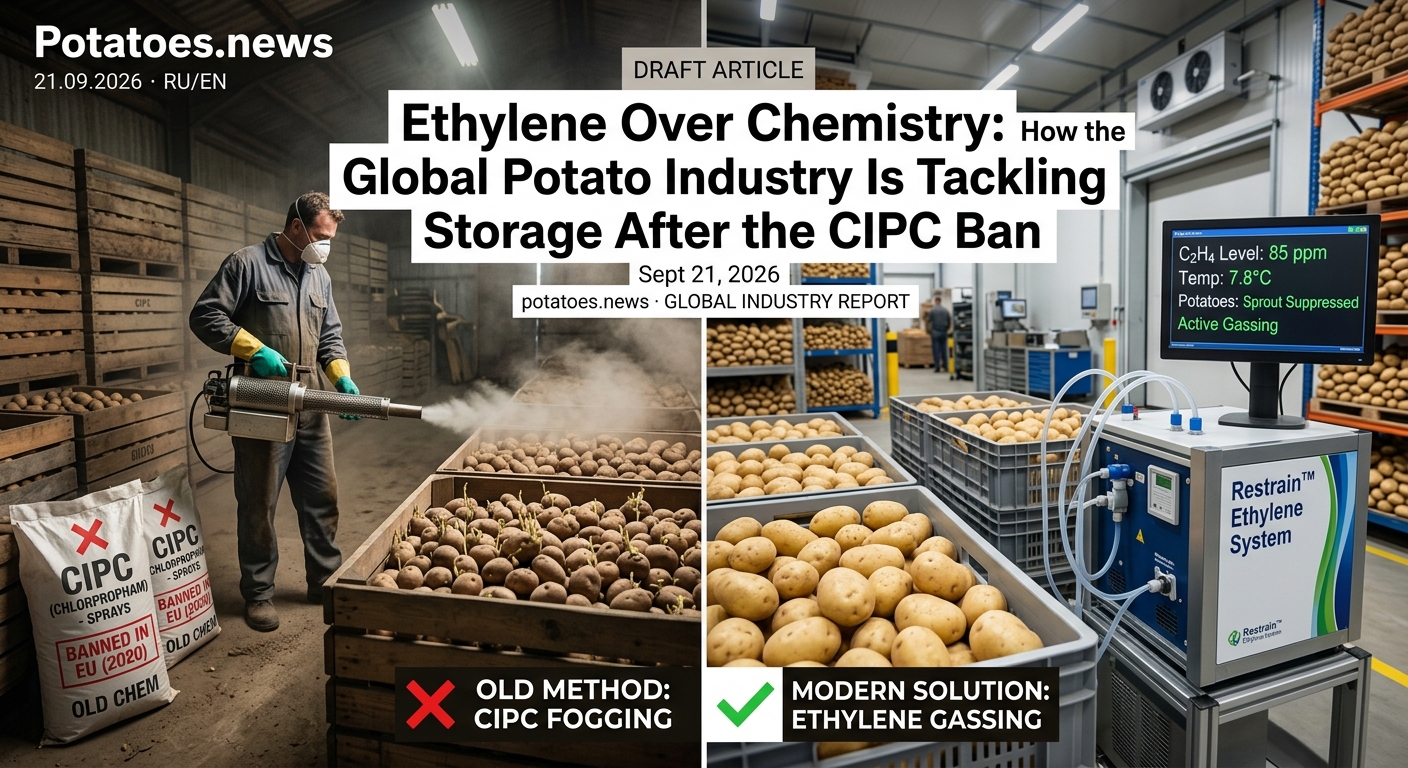
AHDB, NAPPO and UK trade reports show how ethylene and spearmint oil control sprouts after the CIPC ban, what doses are used and why costs per tonne are several times higher.
Overcast weather stretches the kill time of contact desiccants to weeks, Russian growers say, while EU farms have worked without diquat since 2020.
Russian growers report watery rot even in crops lifted after full skin set in dry weather, and point to variety tolerance as the missing factor.
A study of 105 field trials found that potato yields fell 12% to 61% when weeds were not controlled. The farm-gate loss would reach US$465 million in the US and US$61 million in Canada.
Britain replaced the 1956 Smith Period with the Hutton Criteria in 2017. Tested on over 2,000 outbreaks, the new rule needs only 6 hours of 90% humidity and gave a much better accuracy score.
Storage losses to the potato tuber moth reach 50–100% in warm countries. Cooling below 10°C, deep planting and clean tubers are the main defences; plant powders showed results in Egypt.
EU rules for potato brown rot require 200-tuber tests, destruction of infected lots and a four-year ban on host crops on infected fields. Egyptian ware imports face extra checks until 2029.
Field and glasshouse studies show that trap crops and brassica biofumigation can reduce potato cyst nematodes, but results range from 30% to almost 100% and depend on soil and crop establishment.
Dutch inspectors say use of PFAS-containing pesticides, mainly against potato late blight, rose from 250,000 kg in 2022 to 465,000 kg in 2024. The authorisation board Ctgb is studying a ban, with findings expected in April 2027.
A new thermal haulm burner in Canada revives an old question. UK trial data show how flailing, PPO desiccants and pulling perform without diquat on speed, skin set, stem-end browning and cost.
Soil and seed inoculum, plant stress and long waits between haulm killing and harvest all raise black dot on potato tubers. Research from the UK, Wisconsin and California shows which steps cut the risk.
Sclerotia of Rhizoctonia solani form faster once the haulm is killed, so the wait for skin set carries a cost. Research and extension advice point to seed quality, haulm method and prompt harvest.
Zebra chip has no resistant commercial variety, so control depends on the psyllid that carries it. Extension data show how temperature, feeding time and spray rotation shape the risk.
Field and laboratory work in Sweden shows how fast Alternaria solani can escape SDHI fungicides. In Wisconsin, specialists start early blight sprays at 300 P-days and report strong strobilurin resistance.
A six-year Czech survey of 69 beetle populations found no population fully sensitive to a common pyrethroid. Extension advice is to rotate insecticide groups by beetle generation, not by brand.
For growers now planting in the Southern hemisphere, the scab decision comes a few weeks after emergence. Irrigation research from the UK and North Dakota shows a short window when moist soil protects young tubers.
Soft rot bacteria live on most potato crops and wait for warmth, wounds and a lack of oxygen. Extension guidance explains which temperatures and handling steps turn a small problem into a wet store.
Silver scurf damages skin finish rather than yield, but it can ruin packing and washing grades. Extension advice links the disease to early lifting, fast cooling and control of condensation.
Dry rot enters through harvest wounds and grows slowly for months in store. Extension services in Idaho, New York and California describe the losses, the resistance problem and the steps that still work.
Two water-borne tuber rots can destroy a warm, wet harvest within days. Extension guidance from Maine and California sets the same simple harvest limit: tuber pulp below 65°F, or about 18°C.
With CIPC gone, maleic hydrazide is a field-applied base for sprout control. It delivers 3 kg/ha in one application, ideally about five weeks before haulm destruction.
Globodera pallida populations fall only 10–30% a year without potatoes, while susceptible crops can multiply them 46–100 fold. Rotation alone takes at least eight years.
Extension services in the UK and California agree: fields within two years of grass carry the highest wireworm risk. One larva in 20 soil cores can signal about 60,000 per hectare.
Field trials in Finland, Canada and Belgium show that mineral oil reduces potato virus Y spread in seed crops, but not fully. Straw mulch and oil-insecticide mixes add protection.
EuroBlight early 2025 data show EU_36_A2 down to 34% of samples, while EU_43_A1, resistant to CAA and OSBPI fungicides, rose to 12%. France has the highest share.
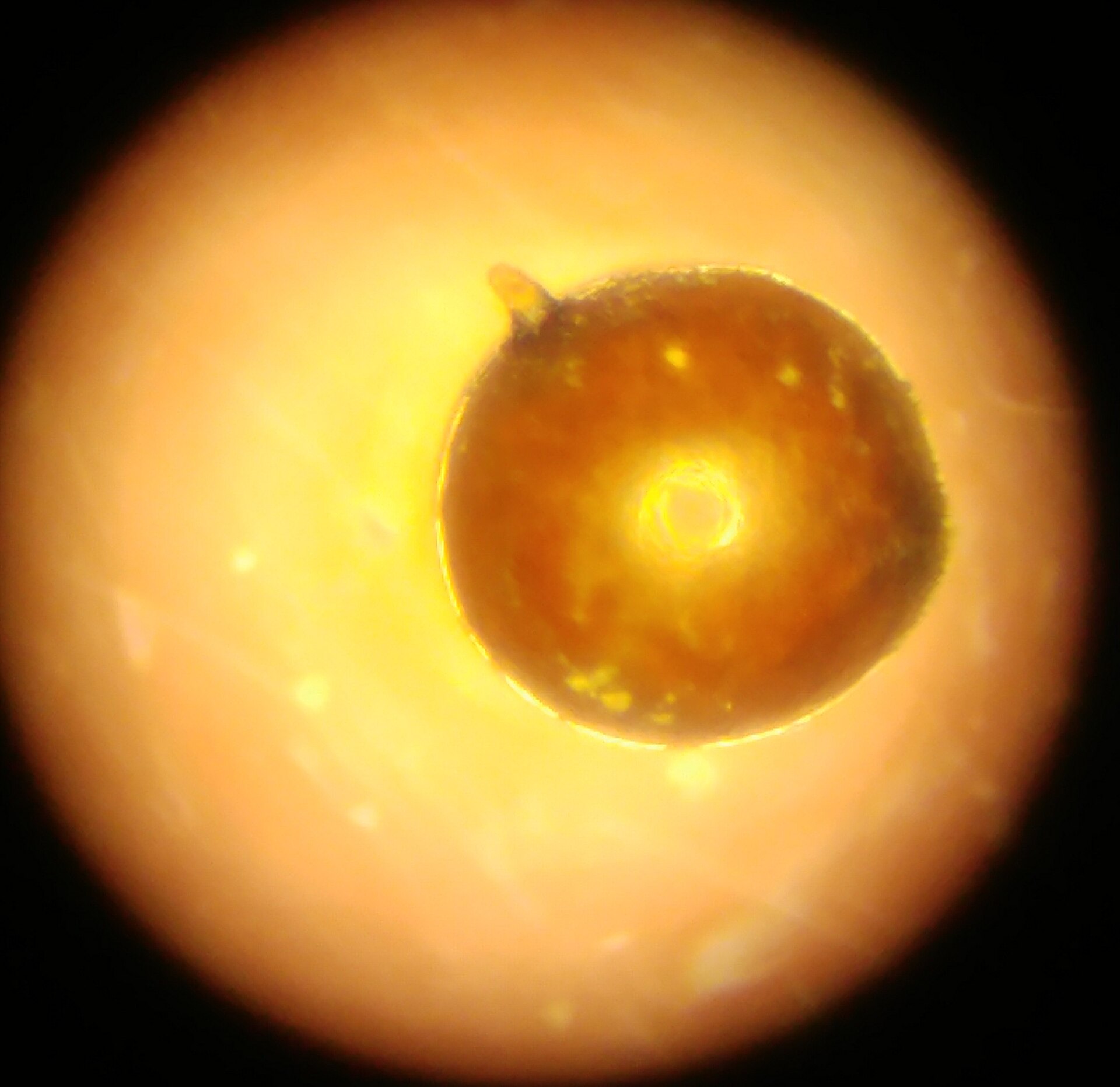
The US Environmental Protection Agency has registered Bifender Duo, a soil insecticide and nematicide that pairs bifenthrin with a biological active ingredient, according to the company.
French potato leaders say drought created no winners: seed yields fell to 12 t/ha on dry land, and growers short of contract volumes will not be paid for missing tonnes.
Early post-harvest virus tests by the Dutch inspection service NAK show downgrading in just over 28% of cases, with only about 15% of samples analysed so far.
About 120 farmers and supporters protested at the Prime Minister's Office on 24 September against lifting limits on US fresh potatoes. They cite pest risks and crop rotation in Hokkaido.
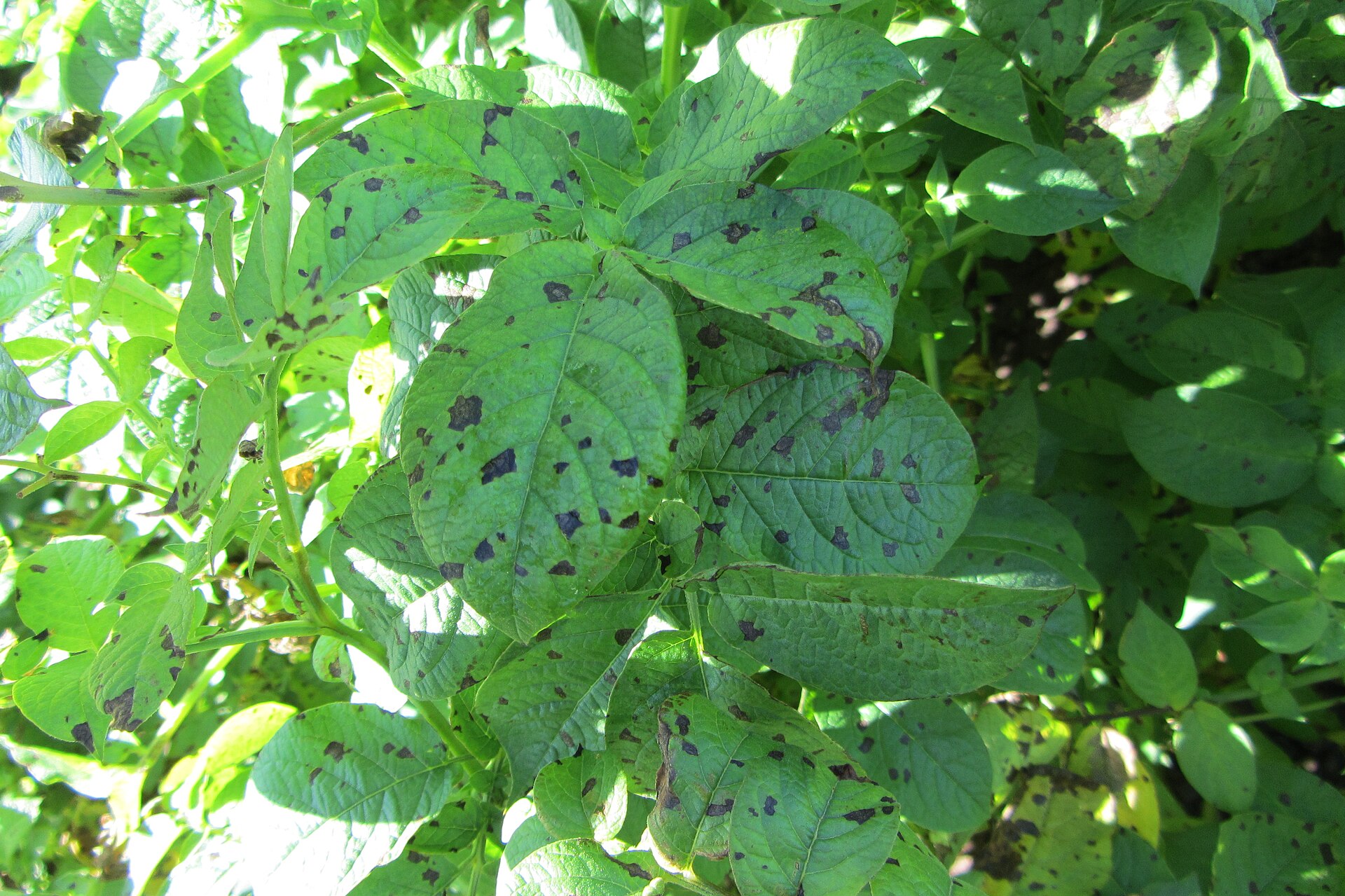
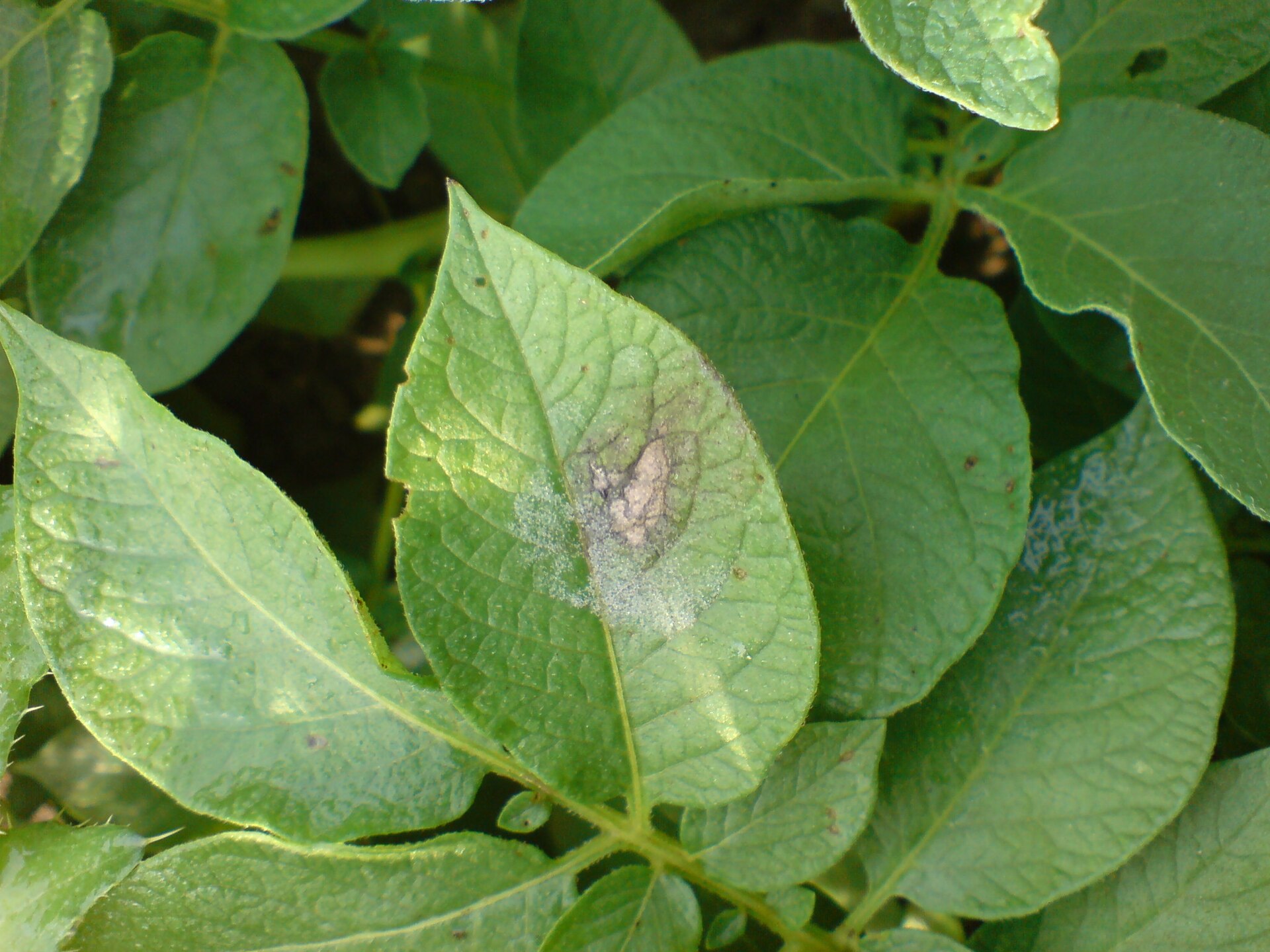
New late blight detections were confirmed on tomato in New York and Vermont this month, and potato cases were reported earlier in Michigan and Quebec. In Wisconsin, disease-risk values remain above the threshold as potato harvest continues.
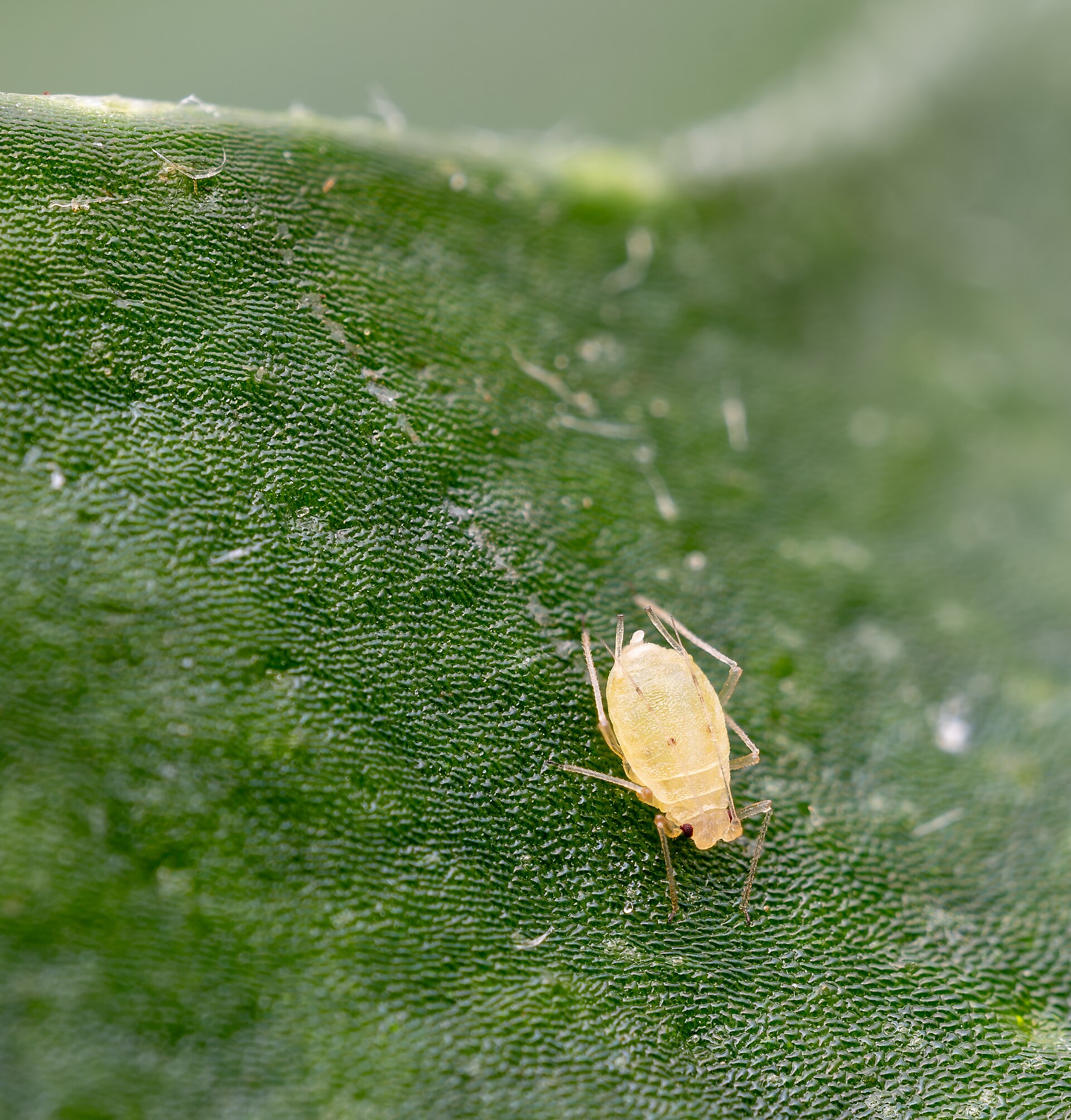
Seed potato crops in Punjab must be planted by 15 October and have their haulms cut by 31 December, under a new standard procedure. The aim is to protect seed tubers from viruses carried by aphids.
Peru's farm federation Conveagro blames the spread of late blight for rising potato prices. It warns that drought could cut up to 1.7 million tonnes from a crop that usually reaches 3.7 million tonnes.
Poland's farm payments agency ARiMR is accepting bids from 22 September to 23 October 2026 for a PLN 4 million programme of free biosecurity training aimed at two quarantine bacteria of potato.
Harvest season is when growers decide not just how much they've brought in, but how to keep it. And the world's toolkit for that keeps shrinking: chlorpropham (CIPC), the sprout suppressant that dominated storage rooms for decades,…
For years, Shangi has remained Kenya’s favorite potato variety loved by farmers for its fast maturity and by consumers for its taste and cooking quality. But despite its popularity, the variety has one major weakness: it is…
Belarusian farmers and gardeners planning to plant potatoes should wait a little longer, according to Ekaterina Istomina, head of the hydrology and agrometeorology service at Belhydromet. Speaking on STV channel, she explained that at a depth of…
Across Kenya’s potato-growing highlands, small-scale farmers are navigating shrinking land sizes, unpredictable rainfall, rising pest pressure and escalating input costs. For farmers producing potatoes on small plots, the challenge is no longer just about yield it is…
In the remote settlement of Turukhansk, located in Russia's Krasnoyarsk Krai within the Arctic Circle, local authorities recently levied significant fines against three retailers for excessive price markups on staple foods. Inspections by Rospotrebnadzor, the Russian consumer…
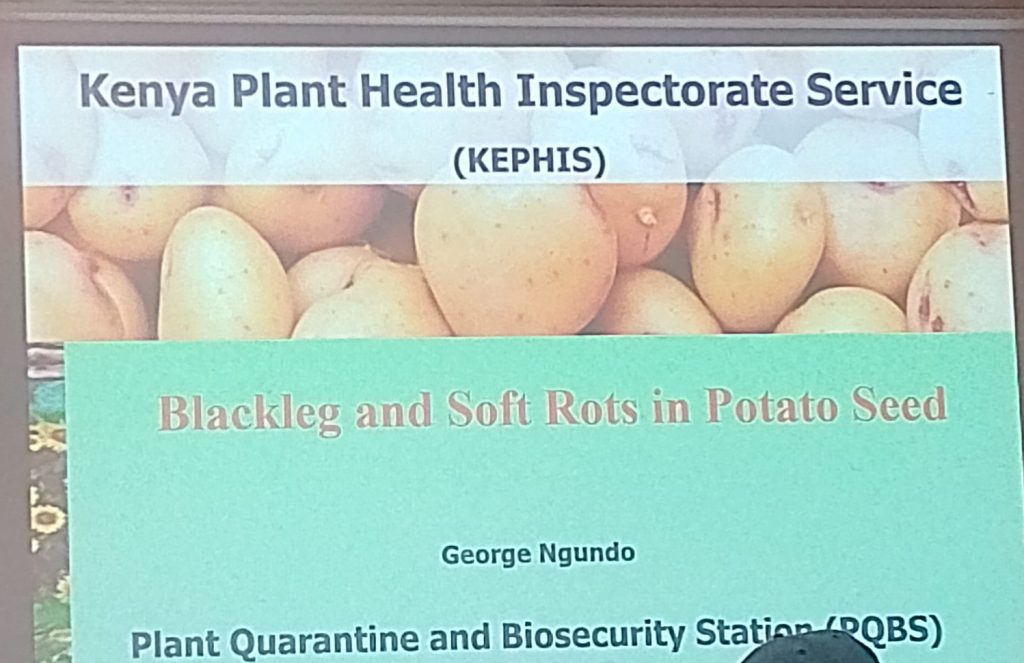
Kenya is stepping up efforts to protect its multi-billion-shilling potato industry following the detection of new and aggressive bacterial diseases that threaten yields and farmer livelihoods. Until now, Kenya’s official potato seed certification programme has primarily focused…
Wireworms, the soil-dwelling larvae of click beetles (Elateridae), represent a significant and persistent challenge in potato cultivation globally. Their extended lifecycle, which can last up to five years, means multiple generations can coexist in the soil, causing…
Despite challenging dry conditions, Vasilishki OJSC in Belarus is achieving remarkable potato yields of 40-50 tons per hectare while implementing a sophisticated strategy that combines advanced technology, strict phytosanitary controls, and participation in national food security programs.…
In Cristalina, Brazil—one of the country’s key potato-growing regions—only about 40% of the expected potato crop is projected to be harvested by the end of the season. The planting period, which began in February and concluded in June, was…