Netherlands: Use of PFAS Pesticides Nearly Doubles to 465,000 kg as Potato Blight Control Faces Possible Ban
Dutch inspectors say use of PFAS-containing pesticides, mainly against potato late blight, rose from 250,000 kg in 2022 to 465,000 kg in 2024. The authorisation board Ctgb is studying a ban, with findings expected in April 2027.
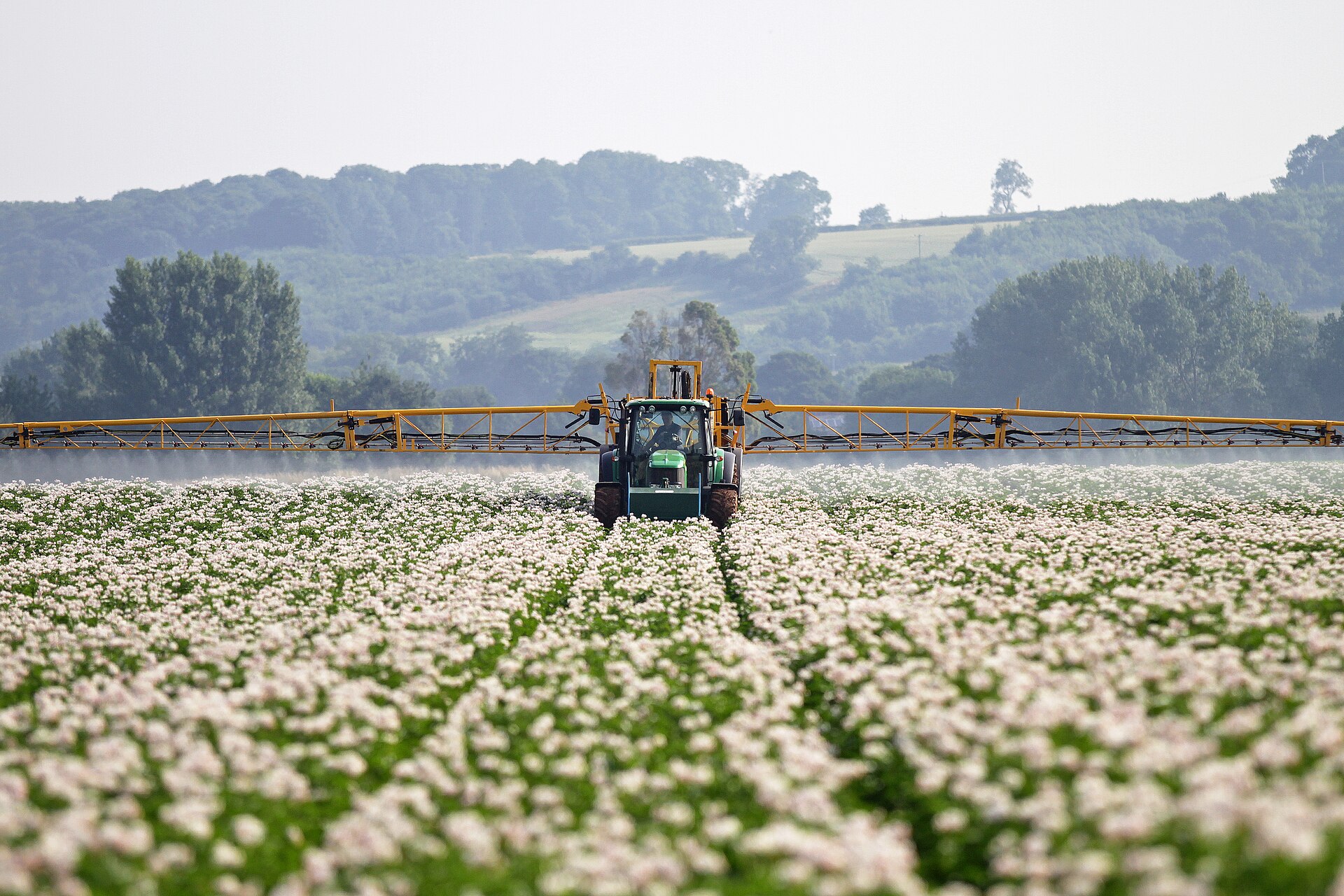
The debate on PFAS in crop protection is moving closer to Dutch potato fields. The Human Environment and Transport Inspectorate (ILT) says the use of pesticides that contain PFAS almost doubled in two years, from 250,000 kg in 2022 to 465,000 kg in 2024, the public broadcaster NOS reported. These products are used mainly in potato growing to fight late blight.
According to the inspectorate, about 21,000 kg of trifluoroacetic acid (TFA), a PFAS breakdown product, reaches water each year through pesticide use. Industry releases about 2,000 kg. “We find 21,000 kilograms of TFA really an enormous quantity,” said Edwin van Houten, director of supervision at ILT. He warned of a large future risk for drinking water. The Board for the Authorisation of Plant Protection Products and Biocides (Ctgb) is studying a full ban. Its findings are expected in April 2027.
Pressure from water companies
On 22 September the English-language site DutchNews reported that water companies want PFAS chemicals banned from pesticides. A Greenpeace analysis found that 32% of Dutch water supply areas exceed the safe level by 1.5 times or more. The highest levels were in North Holland, South Holland and Zeeland. The Netherlands, Germany and Nordic countries have pushed for an EU-wide ban on PFAS pesticides since February 2023.
Weekdays. Unsubscribe in one click.
Potato growers are worried. On 27 September the daily Algemeen Dagblad reported that a quick study warns Dutch fries could be at risk if PFAS pesticides are banned. Research by Wageningen University, quoted by NOS, found that alternatives exist for weed and pest control. However, options remain limited for fungicides in potatoes and sugar beet.
Why it matters
Late blight is the main disease threat in north-west European potato growing. According to the inspectors, PFAS products are used mainly against this disease. A ban without good alternatives could raise disease risk, costs and yield losses, especially for fry potatoes.
At the same time, drinking water rules and public pressure are growing. Growers, processors and crop protection firms have time until the Ctgb decision in 2027 to test other strategies. These include resistant varieties, decision support systems and new active substances.
Photo: Spraying a potato field to prevent late blight (illustrative). Chafer Machinery / Wikimedia Commons, CC BY 2.0