Africa
Cedric Porter on reading potato markets and what he hoped to learn in Kenya
The World Potato Markets editor explains who uses his data and why, ahead of the 2026 World Potato Congress, he wanted to visit Kenyan potato farms.
 POTATOES.NEWSGlobal potato industry intelligence
202 stories
The World Potato Markets editor explains who uses his data and why, ahead of the 2026 World Potato Congress, he wanted to visit Kenyan potato farms.
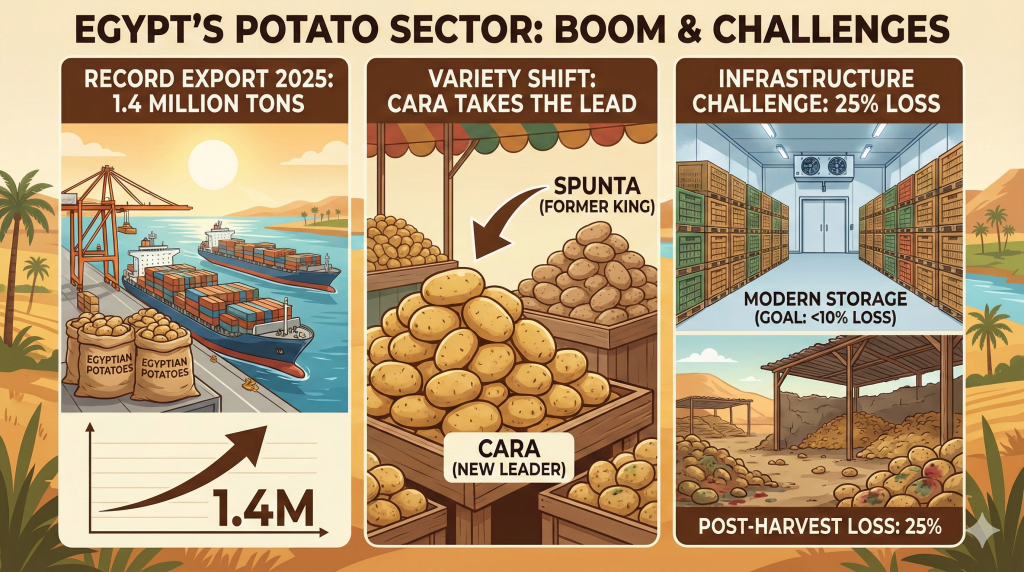
An International Potato Tour interview looks at Cara’s rise alongside Spunta, varieties grown for processing and the case for adding cold-storage capacity in Egypt.
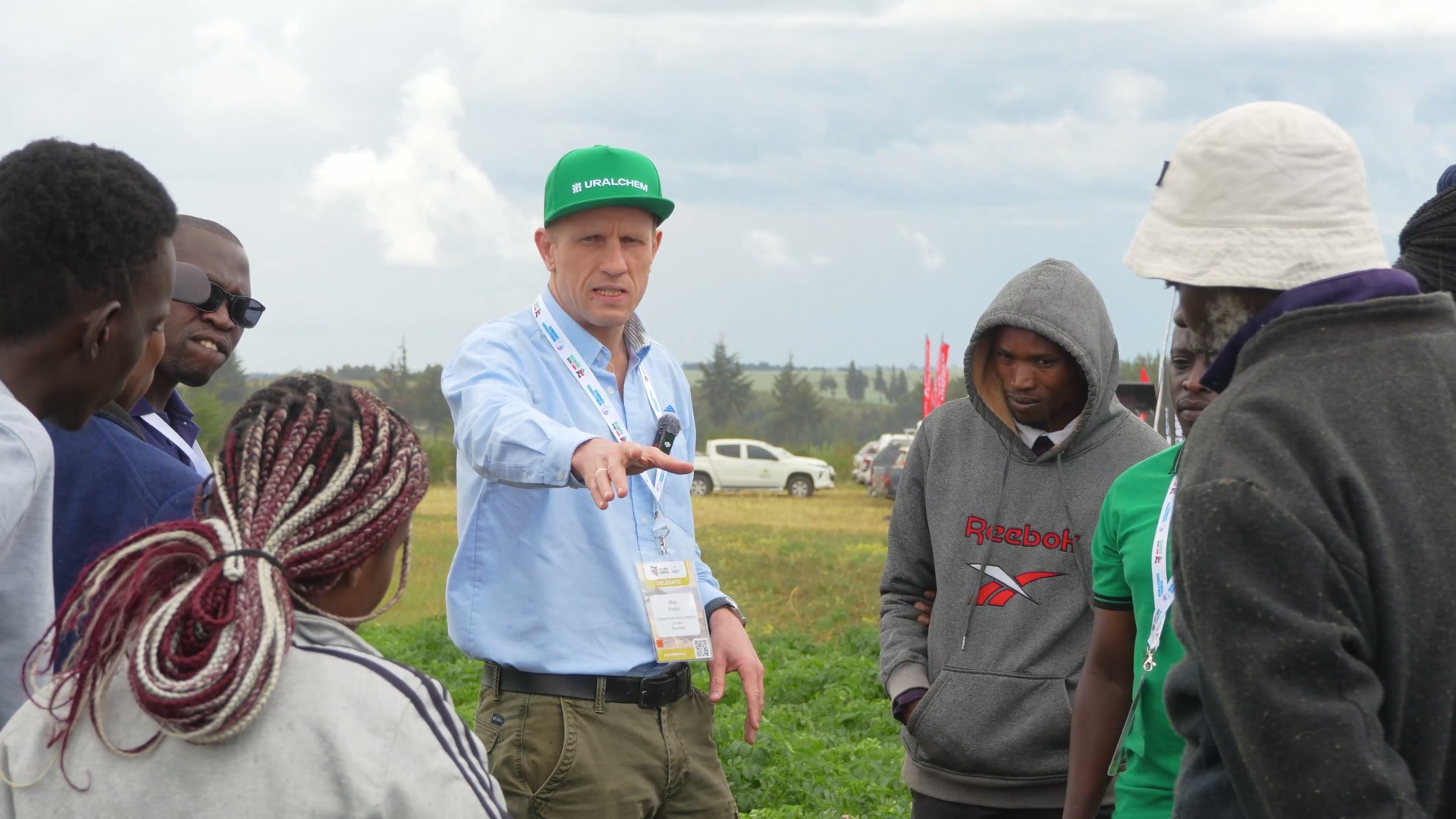
Maxim Poltoradnev discusses working with Kenyan farmers, the role of potassium in potato crops and the risk of nitrate leaching in heavy rain.
An L Triple Green Tech advisory shared by Evariste Nsabimana stresses healthy seed, scouting and integrated protection. It does not report a confirmed outbreak in Rwanda.
Winnie Wambugu, founder of Nakuru Tubers, reports participating in deep-tech entrepreneurship activities at the Botswana Digital & Innovation Hub. Her update describes work on valuation, investor documentation and the transition from technical validation to commercialisation.
KALRO reports a consultative meeting with the International Livestock Research Institute to explore research cooperation around farmers’ priorities. Climate challenges, post-harvest management and value addition were among the issues highlighted in the organisation’s update.
The First Eastern Africa Indigenous Seed Conference is scheduled for 17–20 November 2026 at the Catholic University of Eastern Africa in Nairobi. The event brings farmer-led conservation, seed access and agricultural biodiversity into the same discussion as…
Viktor Kovalev asks whether growing more potatoes can leave growers less secure. His discussion paper, a response from Rwanda and related perspectives from India and Kenya open a professional dialogue on statistics, seed, storage, demand and investment.
Surya Prakash, Deepak Soni and Prof. Miriam G. Kinyua discuss regional potato price differences, processing quality and seed-system challenges. Their October observations and conditional outlook for 2027 are presented as expert assessments.
Namibian Agronomic Board CEO Dr Fidelis Nyambe Mwazi joins the international Potato Expert Panel.
Willem Dolleman Jr. of Matalai Agrifirm LTD joins the panel with experience in farm development and the East African potato sector.
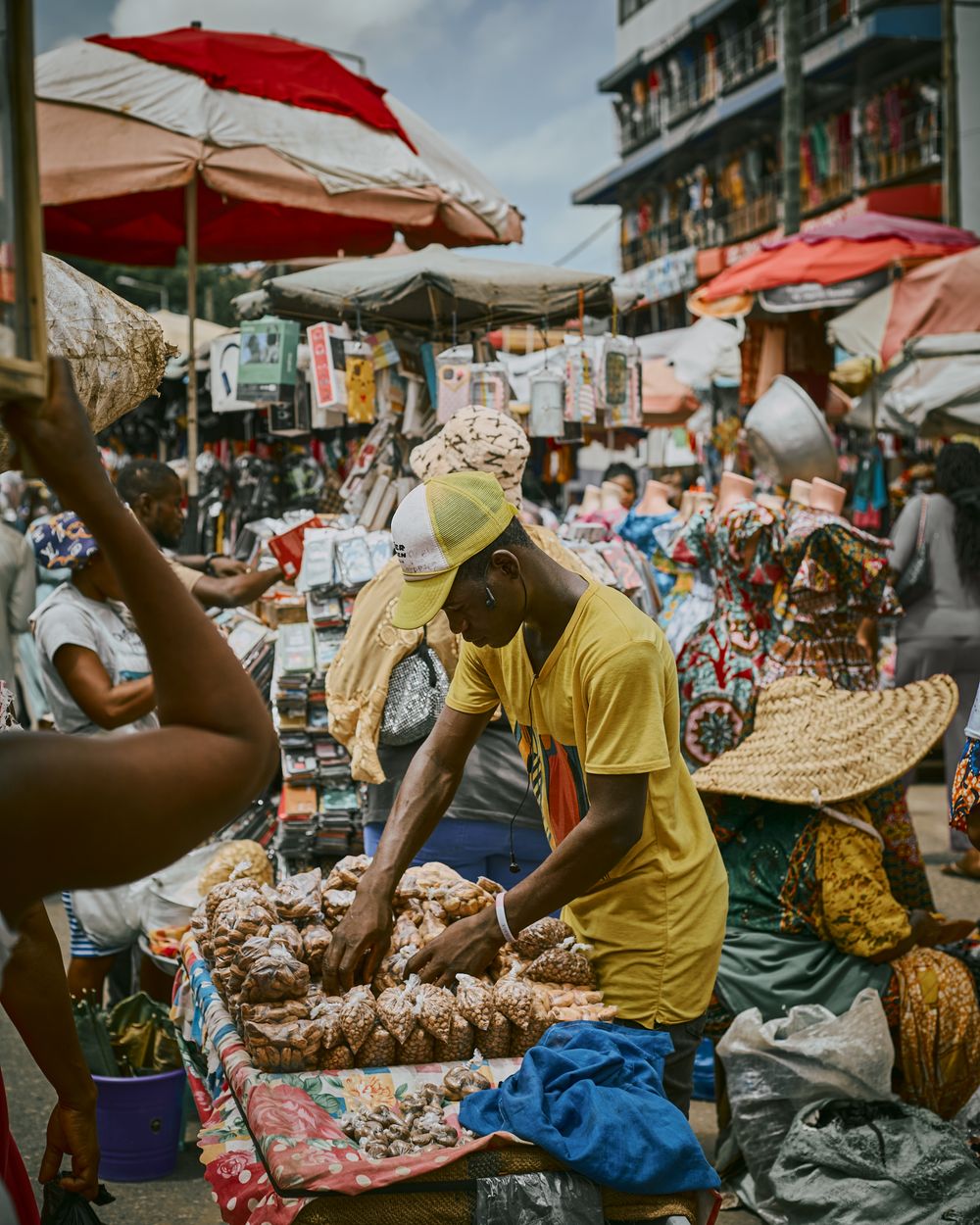
A vendor at a busy West African market. Photo: Jones Jr Studio (Pexels) Côte d'Ivoire remains almost entirely dependent on imported fresh potatoes — domestic cultivation stays below 100 tonnes a year against consumption of 60,000–80,000 tonnes…
Egypt’s DALTEX, which exports over 300,000 tons of produce a year to more than 75 countries, has deployed ORTH’s AI agronomy platform across its farms to raise yields, improve quality and cut losses.
The average price dropped to R63.46 per 10 kg bag, with large stocks and heat-related quality issues weighing on the market.
Dr Josiah Mwangi Ateka, who has over 20 years of experience in Kenya’s agri-food systems and researches the potato value chain at JKUAT, joins the Potato Expert Panel by Potatoes.News.
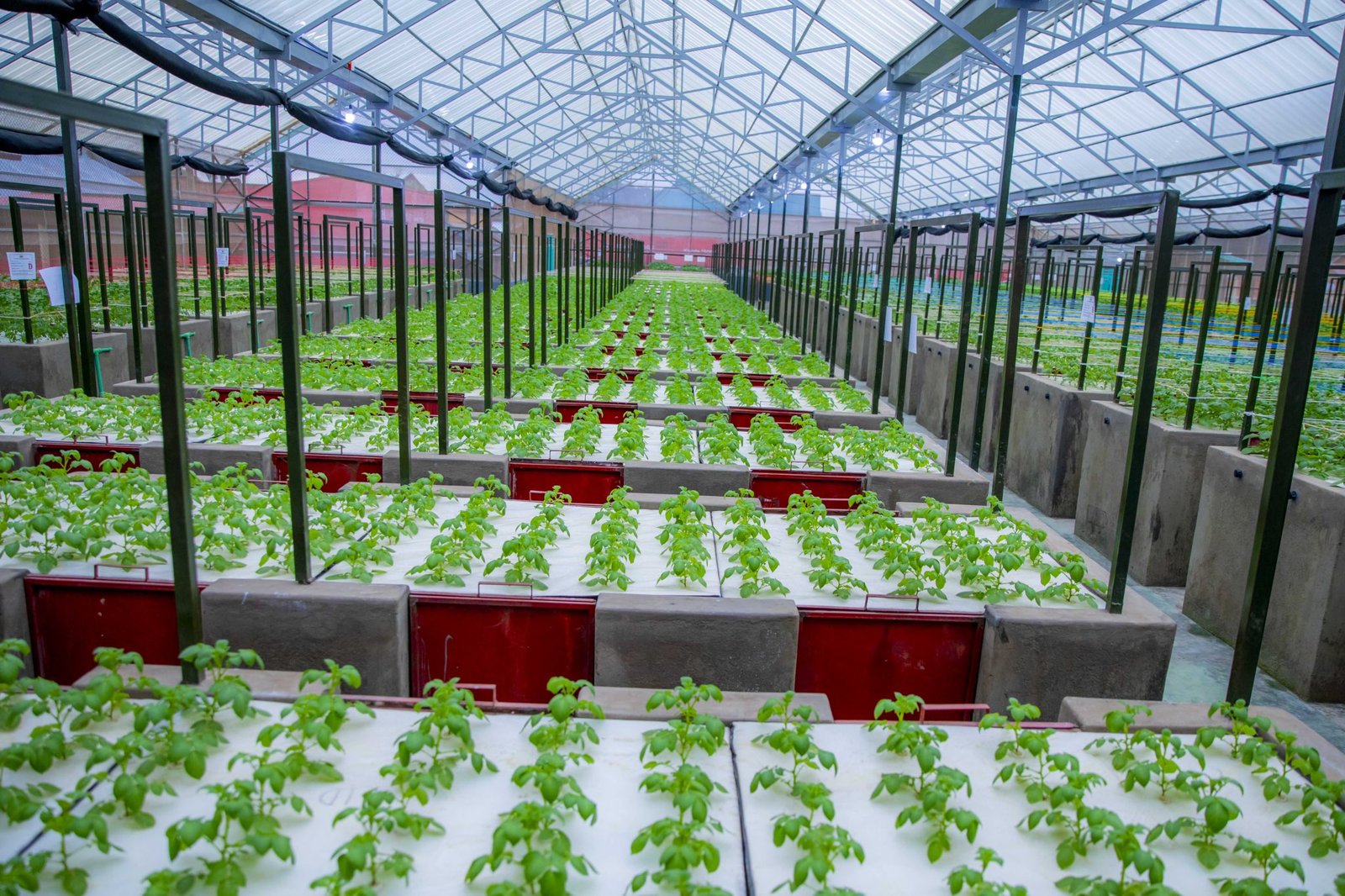
The 13th World Potato Congress opened in Naivasha, Kenya, with three technologies - rooted apical cuttings, hybrid true potato seed and aeroponics - presented as routes to healthy seed for African growers.
The AfricaBlight Network, launched on 27 October in Naivasha, will start in Kenya, Rwanda, Ethiopia and Eritrea with coordinators, forecasting and farmer training.
Evariste Nsabimana, a seed potato production specialist and agronomist with over 13 years of experience in Rwanda, joins the Potato Expert Panel by Potatoes.News.
Dr Ali Koura Abdoulaye, research scientist in biotechnology at INRAN, Niger, joins the Potato Expert Panel by Potatoes.News.
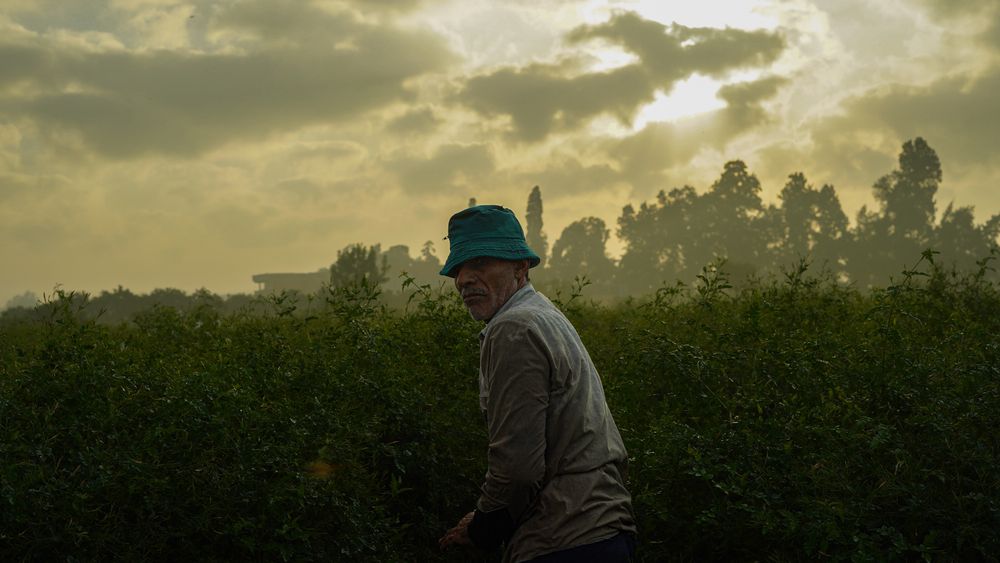
An Egyptian farmer at work in the fields at sunrise. Photo: Ahmed Angil (Pexels) Egypt's potato exports to Kazakhstan surged from 220 tons in marketing year 2024/25 to roughly 4,000 tons in 2025/26 — an eighteen-fold rise…
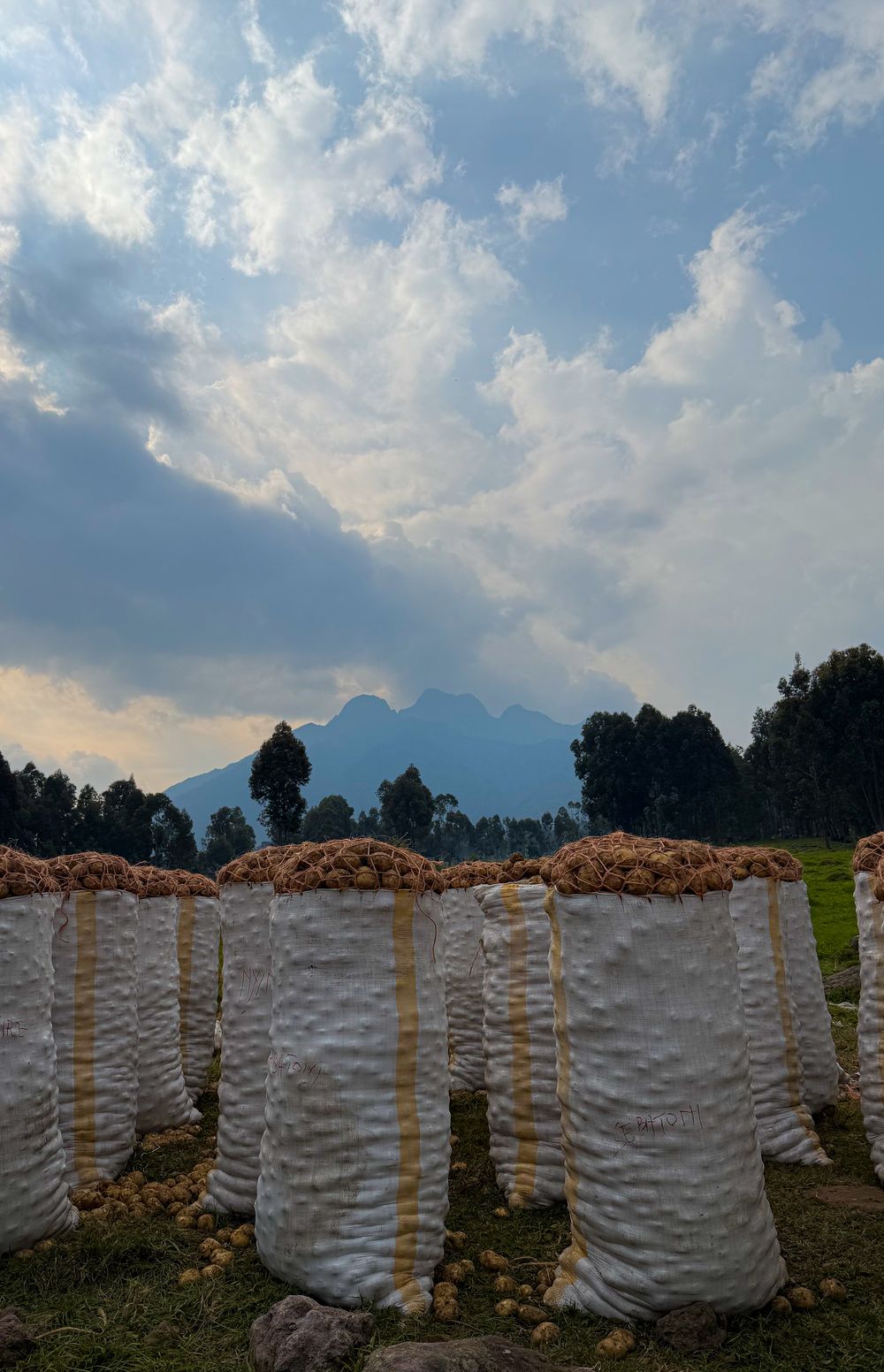
Sacks of harvested potatoes in the East African highlands (Kinigi, Rwanda). Photo: MuganinezA ArsenE (Pexels) The International Potato Center (CIP) and Crop Trust have launched a new phase of the BOLD project in Kenya, aiming to breed…
Prof. Miriam G. Kinyua, plant breeder at the University of Eldoret, Kenya, joins the Potato Expert Panel by Potatoes.News.
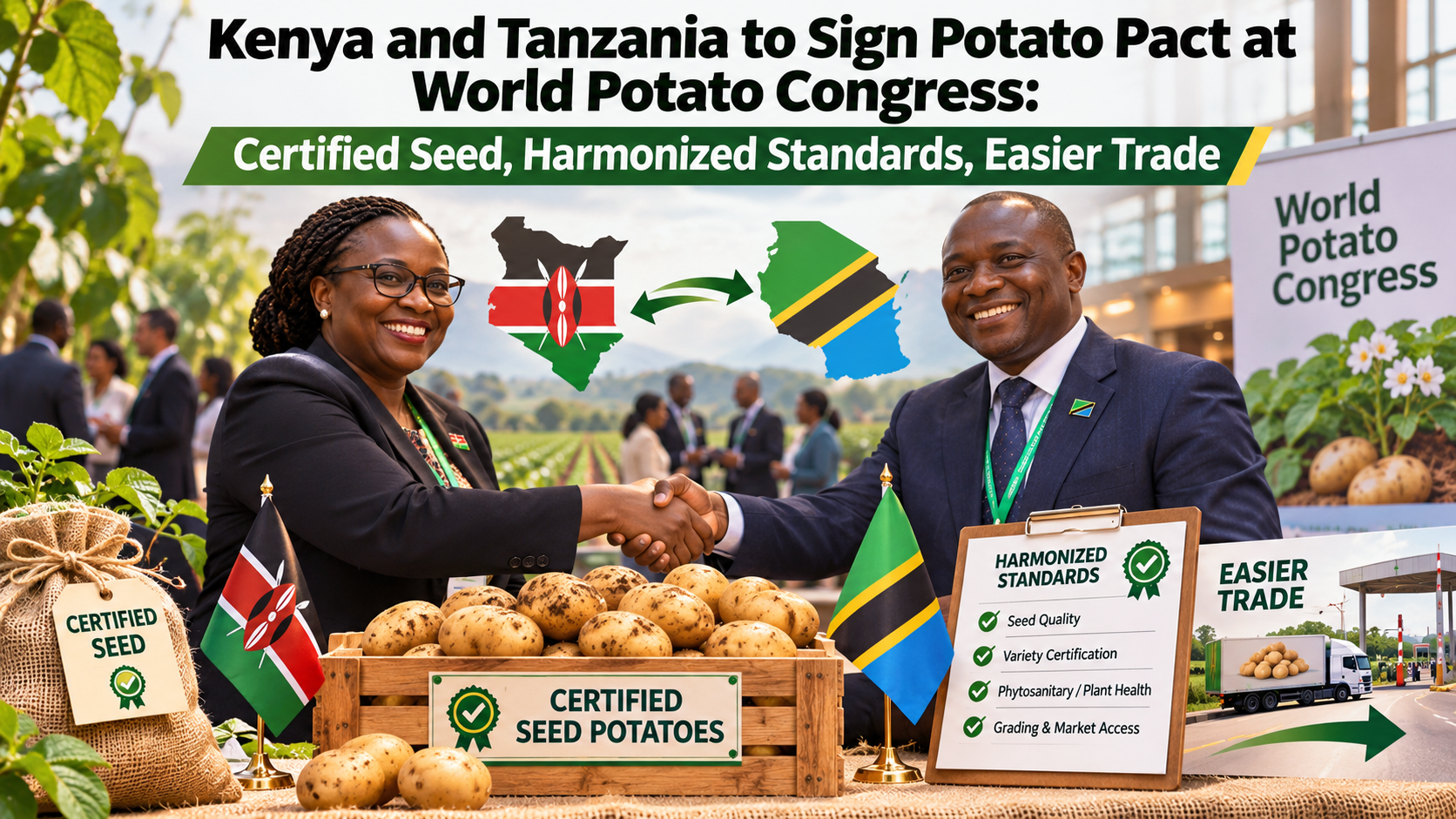
Kenya and Tanzania will sign a potato-sector MOU on 28 October at WPC13 in Naivasha, covering certified seed access, standards harmonization and cross-border trade — as Tanzania's formal seed supply covers under 2% of national demand.
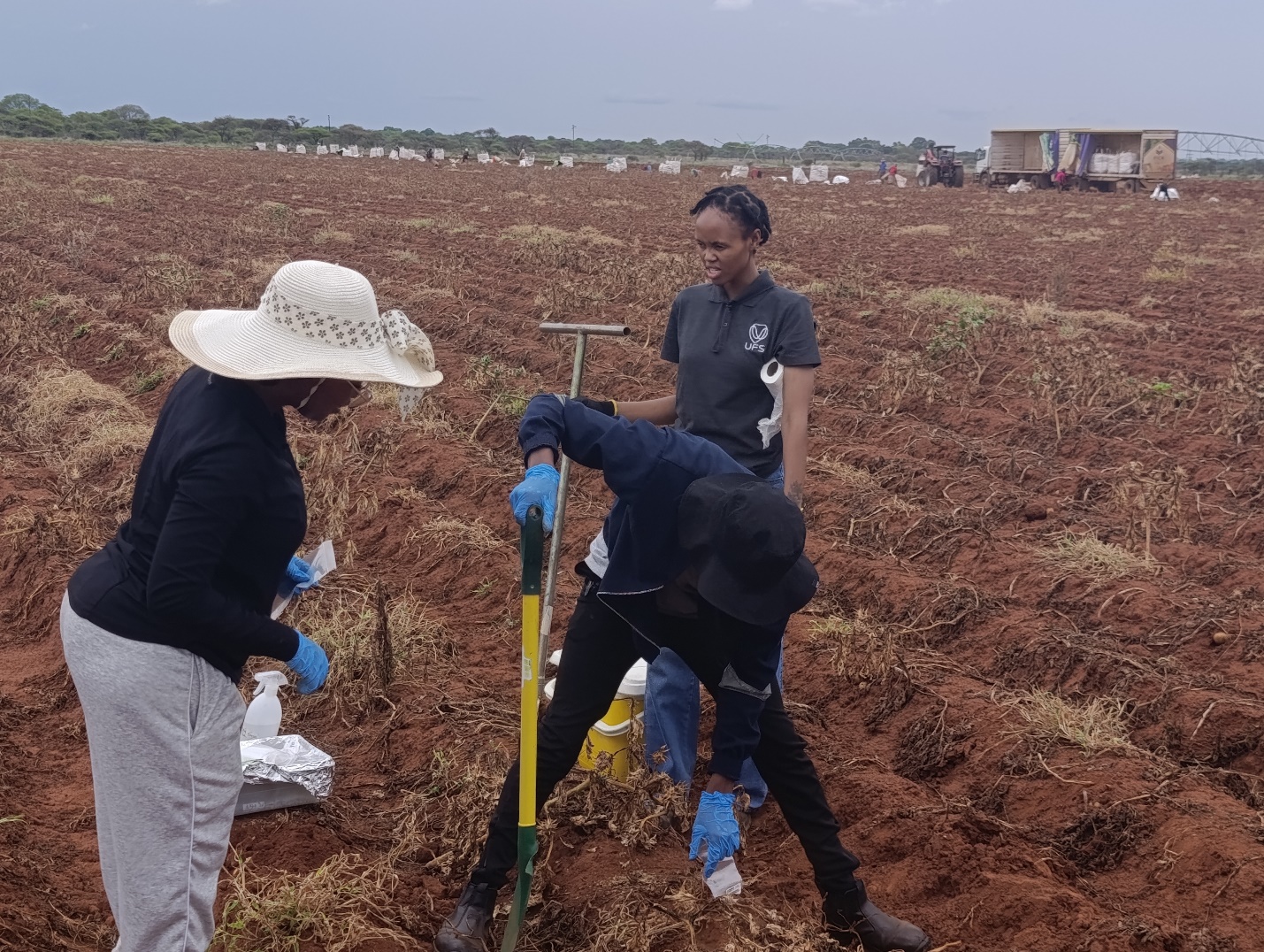
Dr Norman Muzhinji of the University of the Free State, who researches microbial solutions for potato diseases such as Rhizoctonia and Fusarium, joins the Potato Expert Panel by Potatoes.News.
Dr Joshua Okonya of ASARECA, who first identified Tobacco Rattle Virus in potatoes in sub-Saharan Africa and coordinates climate-resilient potato technologies in 15 countries, is a member of the Potato Expert Panel by Potatoes.News.
Researchers from the University of the Free State and North Carolina State University combine soil bacterial community profiling with laboratory screening; of 26 isolates tested, 15 showed four or more potentially beneficial characteristics.
A review by the National Potato Council of Kenya (NPCK) of seed potato rules across the East African Community (EAC) finds that only about 4% of farmers in the region use quality seed potato, while nearly 95%…
The National Potato Council of Kenya (NPCK) has reported results from Viazi Soko, its digital e-commerce platform for potato farmers. Since its launch in January 2021, the platform has registered 301,699 farmers accessing extension and advisory services,…
Niger's potato production has grown from under 50,000 tons in the early 2000s to over 435,000 tons in 2024, but the country still depends on costly and unreliable seed imports. The national agricultural research institute INRAN is…
ASARECA, KALRO, the National Potato Council of Kenya, Egerton University, FIPS-Africa and two county governments worked together to scale rooted apical cuttings, training 84 value chain actors and reaching 50 local seed multipliers.
A partnership led by ASARECA tested rooted apical cuttings of three varieties in Nyandarua and Nakuru; demo plots produced 105,622 basic seed tubers, which the authors project could cover 67 acres within a year.
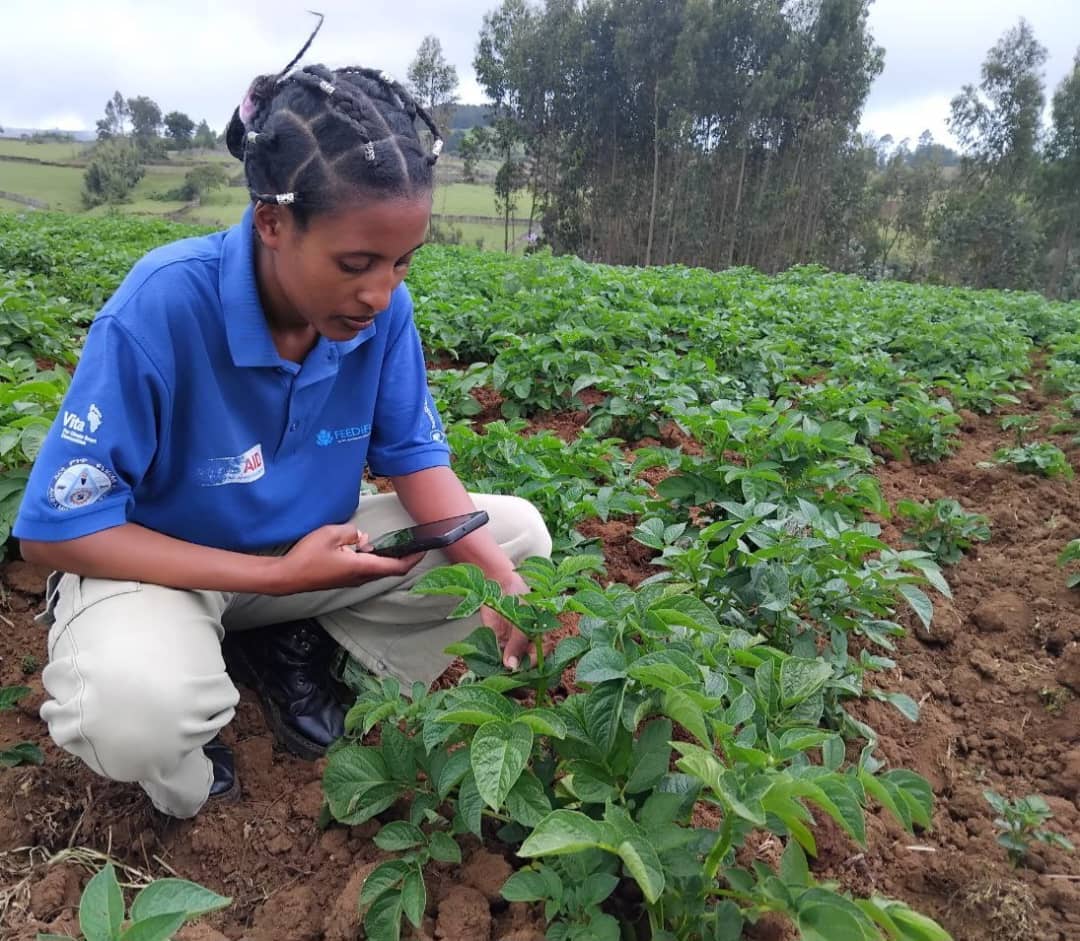
In South Ethiopia, Vita/RTI Ethiopia, together with Arba Minch University and the University of Pennsylvania, piloted the PlantVillage mobile application through a youth-led extension model known as the Ethiopian Dream Team. According to the poster, the pilot…
In Rwanda, where potato consumption exceeds 100 kg per person per year, yields remain low mainly because farmers recycle their own tubers and lack access to high-quality seed. A poster by Evariste Nsabimana (Seed Potato Fund Joint…
Potatoes.News welcomes Associate Professor Nomali Ngobese (North-West University, South Africa) to the Potato Expert Panel. Her answers on sprout suppression, spatial sciences for smallholders and what the industry can learn from Africa.
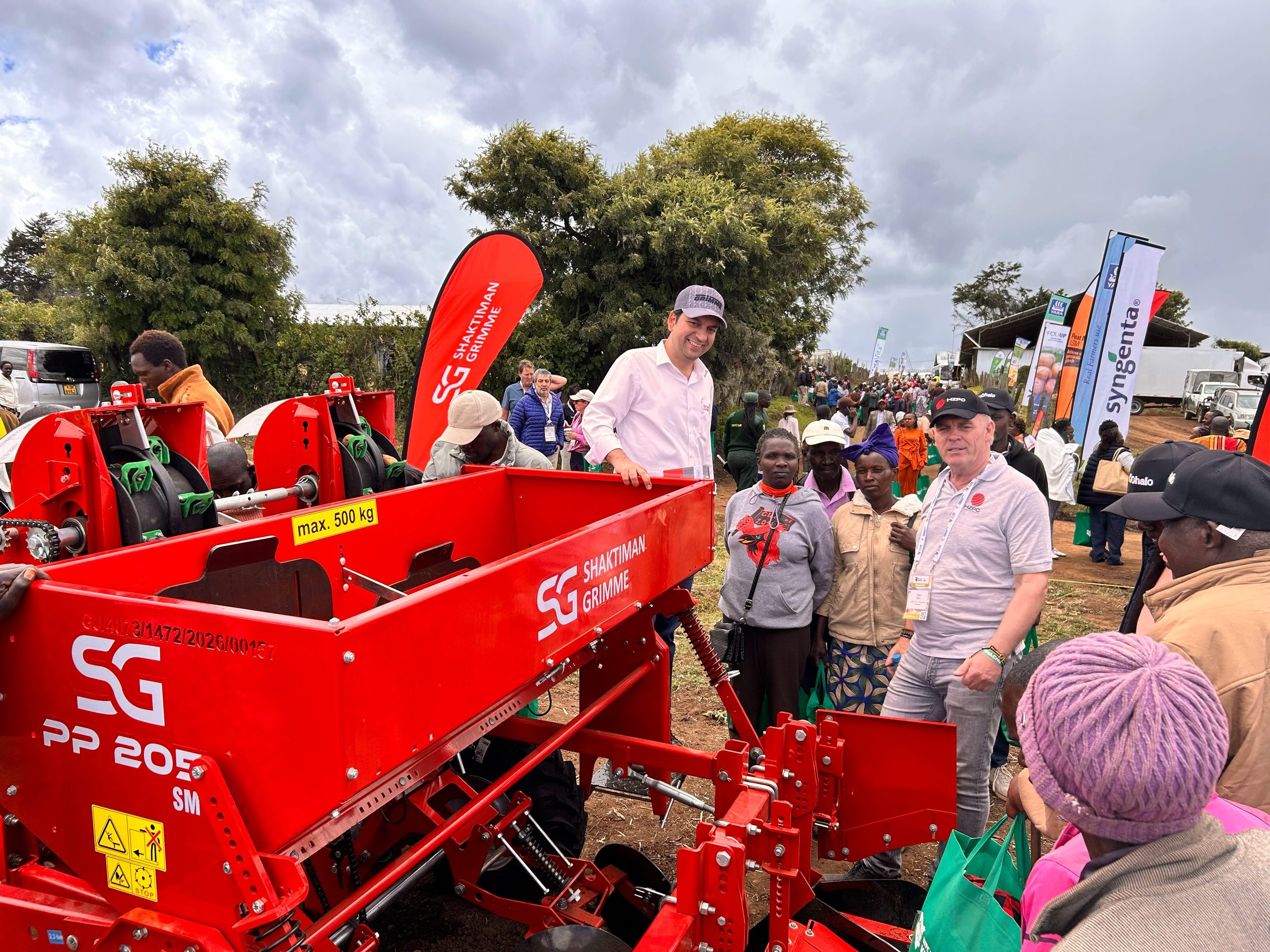
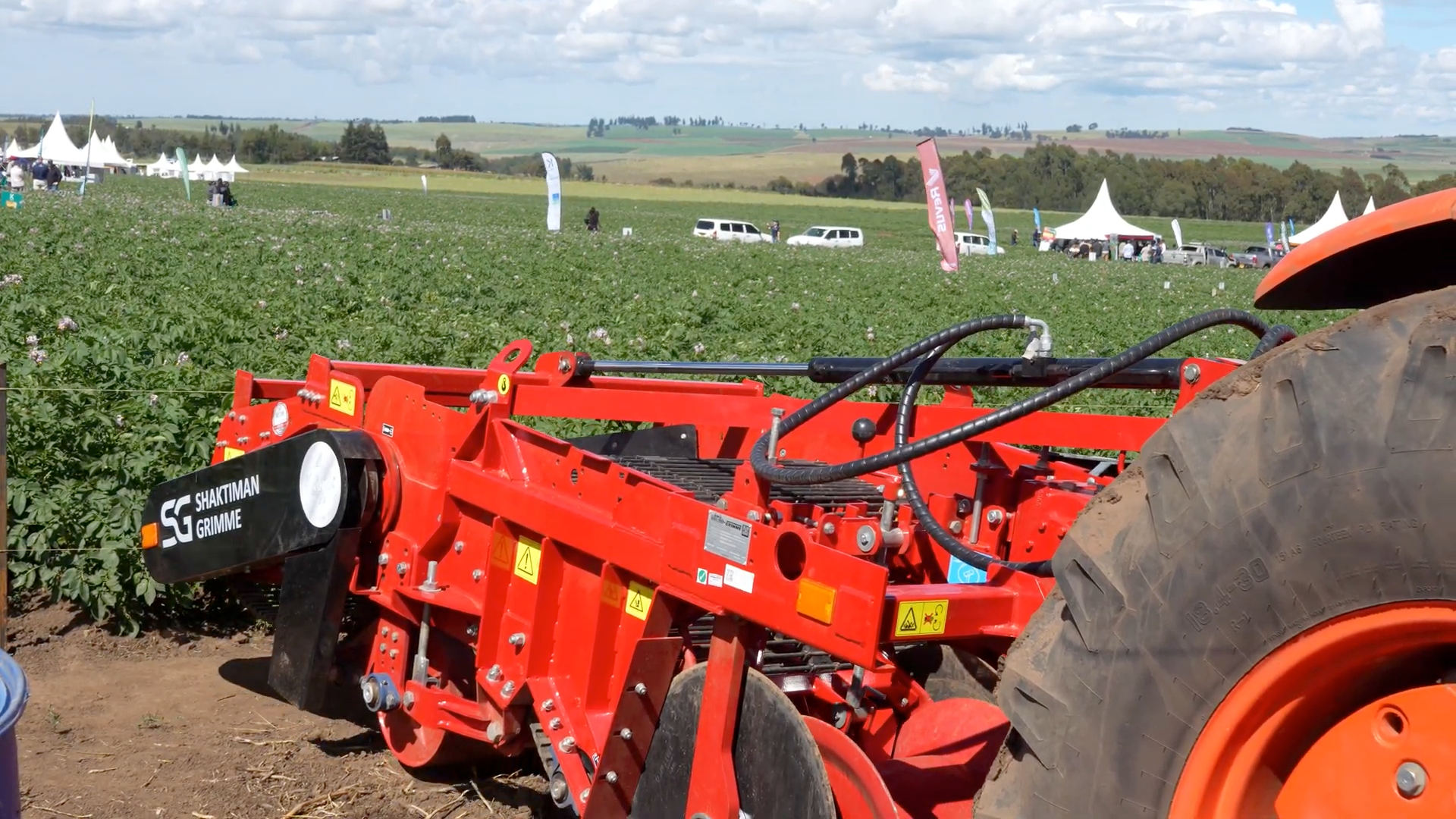
GRIMME launched a dedicated Africa unit in January 2026. Its area sales manager says Africa has the greatest growth potential for potatoes and that low-horsepower SHAKTIMAN GRIMME equipment is being tested in Zimbabwe.
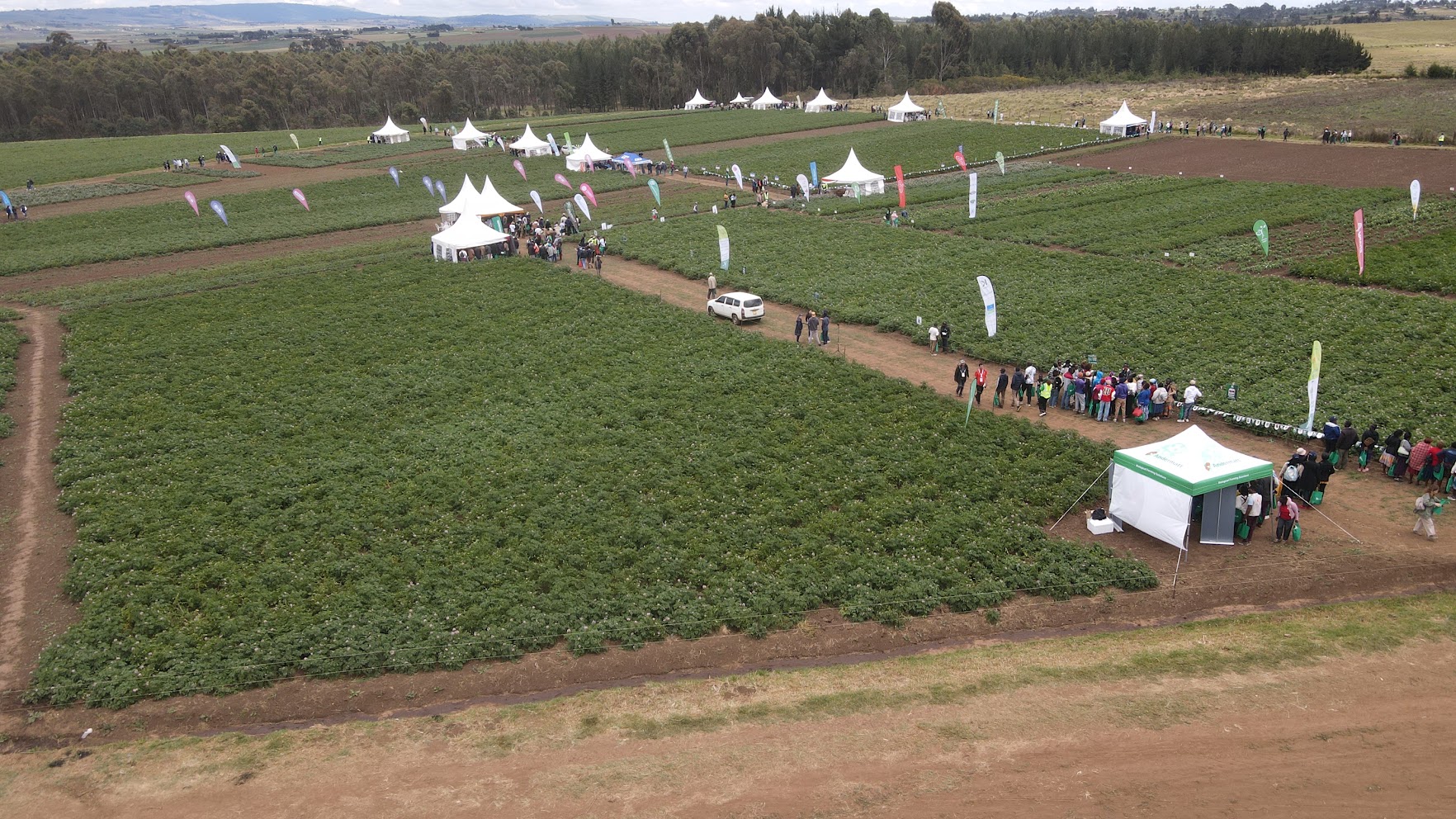
The 26-30 October congress in Naivasha combined scientific sessions with field demonstrations and seed-system workshops, drawing delegates from 62 countries.
The average price of a 10 kg bag of potatoes on South Africa's fresh produce markets dropped by 23.14% in a week to R63.46. Analysts point to high arrivals, large carryover stocks, weak consumer demand and heat-related…
Egypt's long-running brown rot programme protects exports worth USD 537 million in 2025, as tighter EU rules require annual approval of production sites.
Egypt aims to ship more than 10 million tonnes of fresh agricultural produce by the end of 2026, up from roughly 4 million tonnes in 2014, with potatoes the country’s second-largest fresh export item at about 1…
Shangi's short cycle has made it Kenya's most popular variety, but certified seed covers only about 4–5% of demand and a blight-resistant version is still in trials.
Ware potato prices in Kenya held at elevated levels in mid-October, with the National Potato Council of Kenya (NPCK) posting its twice-weekly market readout on 13 October. The council’s survey of major towns shows prices ranging from…
Mainland Tanzania produced 752,520 tonnes of Irish potatoes in the 2023/24 agricultural year at 10 t/ha, the national statistics bureau says. Small farms grow almost all of the crop.
Algeria's government has intervened in the rapidly rising cost of one of the country's staple foods, potatoes, following weeks of sharp price increases. While a kilogram of potatoes normally costs consumers 50–70 dinars, prices have now exceeded…
Tunisia grows potatoes on about 25,000 hectares and imports 80–90% of its seed, the farmers' union UTAP says. It wants a national plan for local seed production.
Egypt's Central Potato Laboratory tested 47 samples of 914 t of stored local seed for brown rot and 165 pivots on 16,714 feddans joined pest-free areas; Obour prices were EGP 13-19/kg.
Potato deliveries reached 66.55 million 10-kg bags, 8% more than a year ago, while average prices fell to R48.76 per bag, according to an Absa AgriTrends report cited by Farmer's Weekly.
South Africa harvested 2.62 million tonnes of potatoes in 2024, eight times more than in 1961. At the same time the number of commercial table potato growers fell from 1,700 in 2003 to 513 in 2021.
Cameroon has built a highland potato crop in the West and North-West regions. Output has grown strongly, but official guidance shows farm yields far below what local varieties can deliver, and seed remains the main bottleneck.
Rwanda harvests potatoes in three seasons a year, mostly in four northern volcanic districts. Output is rising again, but small farms still harvest far less per hectare than large ones.
The winter area target of about 205,000 hectares points to large Egyptian supply for Europe and Russia in early 2027. Local G2 seed is sold through cooperatives below the price of imports.