The First Eastern Africa Indigenous Seed Conference is scheduled for 17–20 November 2026 at the Catholic University of Eastern Africa in Nairobi. The event brings farmer-led conservation, seed access and agricultural biodiversity into the same discussion as research, enterprise and public policy.
What is confirmed
The conference website and the East African Community Youth Agribusiness Portal give the same dates and venue. Seed Savers Network is identified as the secretariat. The programme is framed around the right to food and seed sovereignty, with farmers, seed custodians, researchers, policymakers and food-system organisations among its intended participants.
The announcement is relevant beyond a single crop, but it should not be presented as a potato-only meeting. Nor does an event listing establish that a new seed policy, distribution programme or financing commitment has been agreed. Those would require separate announcements and supporting documents.
Weekdays. Unsubscribe in one click.
The distinction between an organisation’s long-term work and the results of a particular meeting is useful for participants. Conference follow-up can document new relationships and decisions separately from the conservation and training activities that were already under way.
The question for potato specialists
For readers working with potatoes, the useful connection is the organisation of seed systems: who conserves useful diversity, who multiplies planting material, how growers obtain it and how quality is maintained as distribution expands. These questions cross institutional boundaries. A breeder, a community organisation and a commercial multiplier can each hold a different part of the answer.
However, discussion of indigenous seed should not blur the distinction between conserving varieties and demonstrating the health of a particular planting-material lot. A valuable local variety and a dependable multiplication system are complementary objectives. The conference announcement alone does not resolve the technical or regulatory requirements for any crop.
A productive contribution from potato specialists would therefore ask how local knowledge and formal evidence are brought together. What records describe a variety’s origin and performance? How are farmers involved in deciding which traits matter? What evidence follows a lot through multiplication? These are questions for the programme, rather than results already delivered by it.
Turning a meeting into follow-through
The most useful outputs would identify responsibilities after the event: a research question, a practical partnership, a documented conservation activity or a clear next policy discussion. General support for biodiversity becomes more actionable when someone owns the next step and its evidence.
For a seed business or growers’ group, preparation can start with a specific problem that needs another partner. Examples include understanding demand for a local variety, documenting multiplication constraints or connecting a conservation group with technical expertise. This approach keeps participation focused on a decision, rather than on collecting contacts without a purpose.
Anyone planning to attend should use the organiser’s current registration information and confirm the relevant sessions directly. This report is an event preview based on published listings, not an endorsement of a particular commercial service or a promise about the conference’s outcomes.
What this means for farms and the market
- The confirmed dates are 17–20 November, with the venue in Nairobi.
- The conference covers broader seed systems; a dedicated potato programme has not been established by the announcement.
- Bring a specific conservation, multiplication or quality question and identify a follow-up partner.
Sources
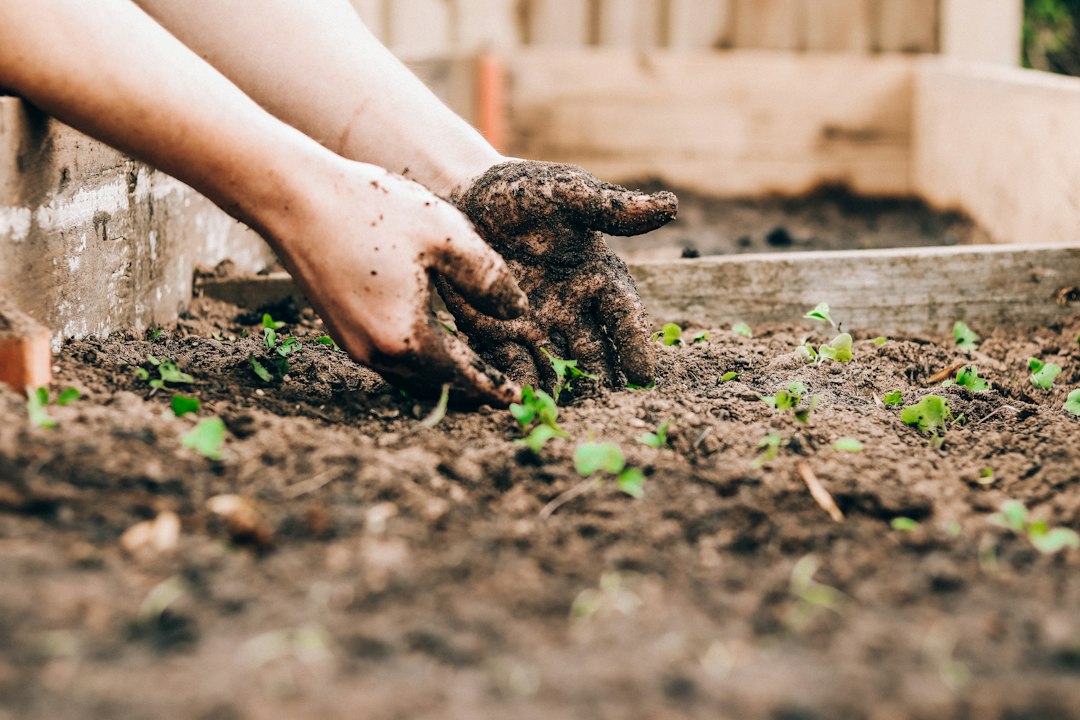
Hands planting seedlings; illustrative photograph for a seed-systems conference. Photo: Sandie Clarke / Unsplash.