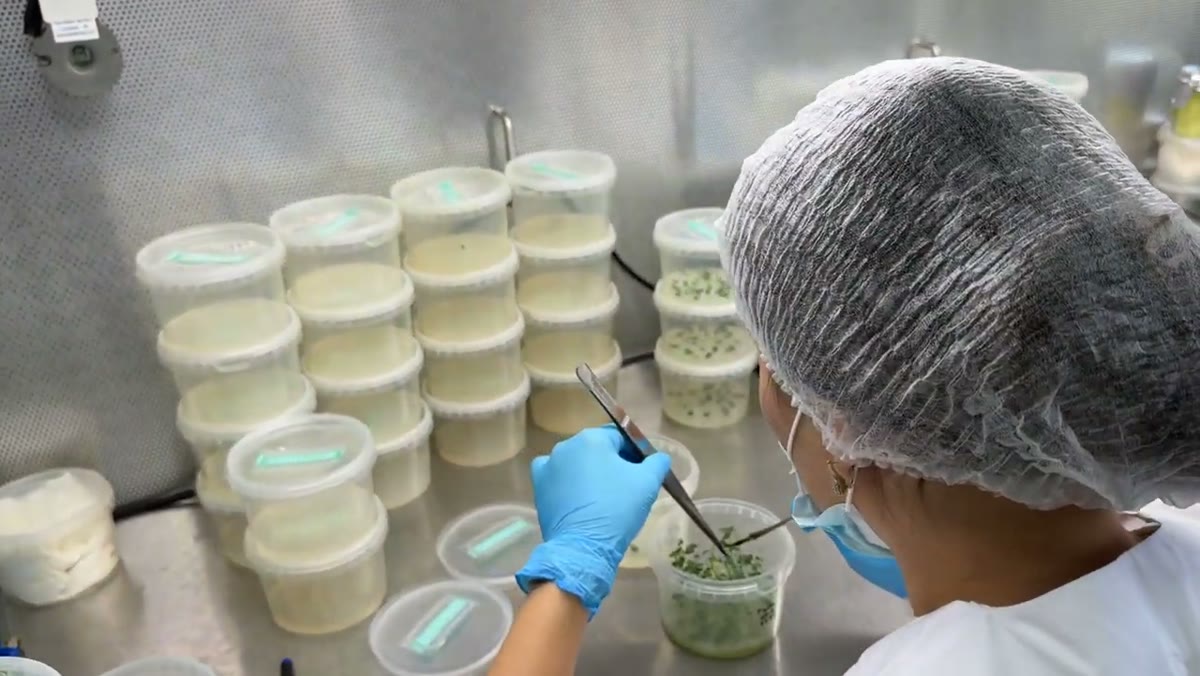
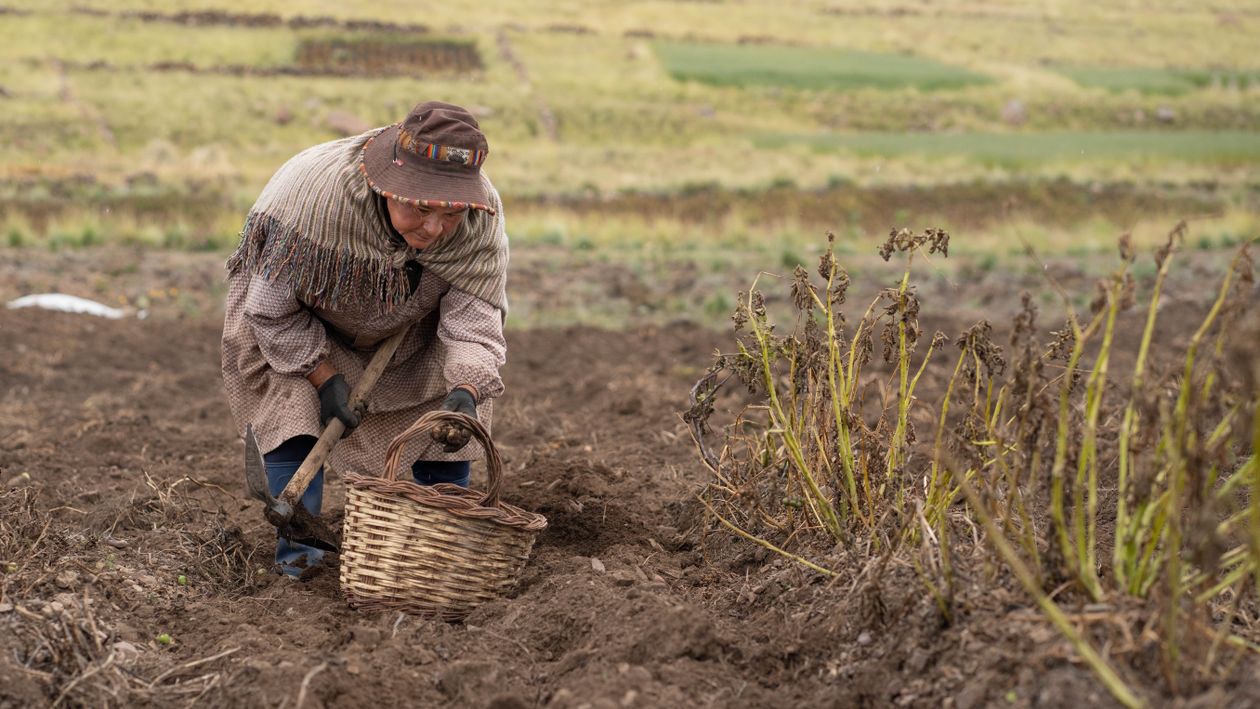
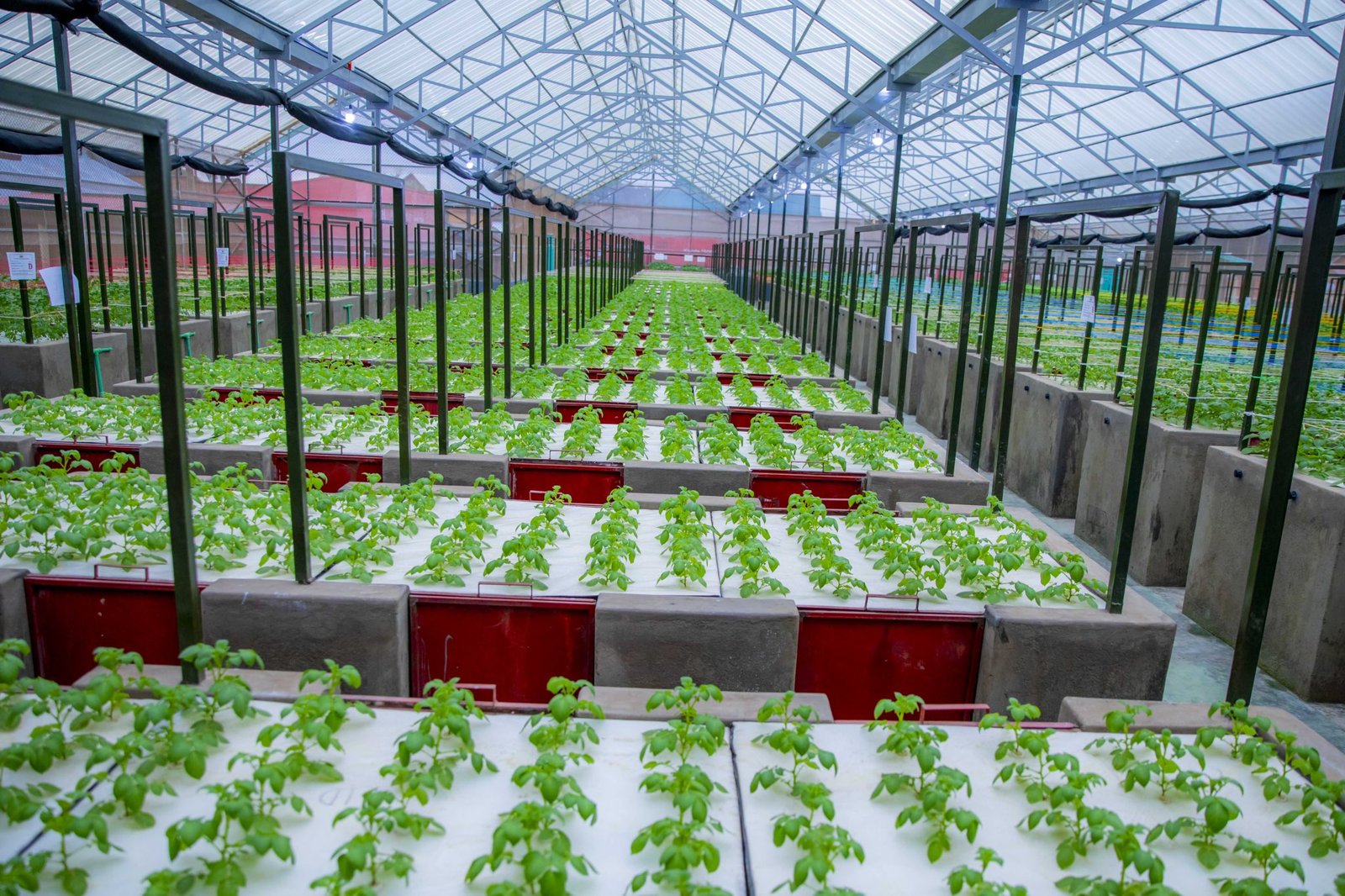
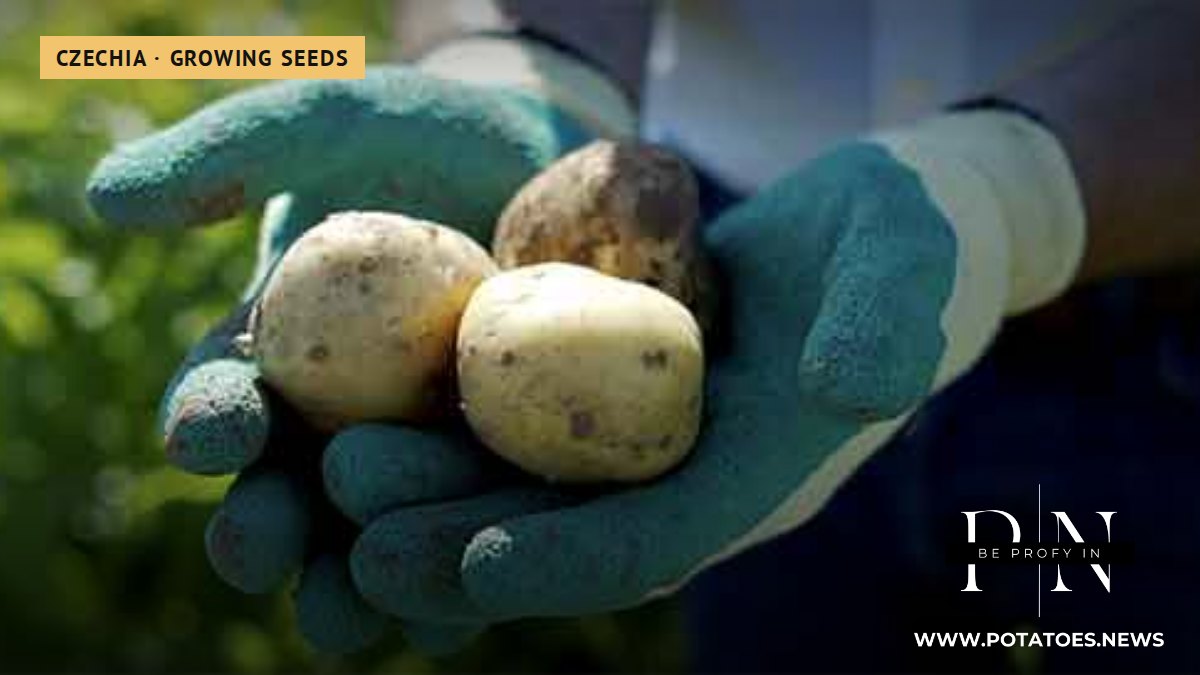
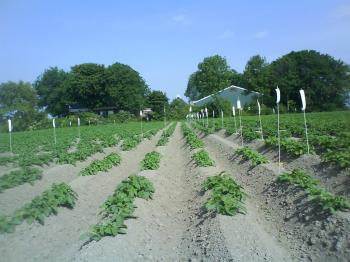
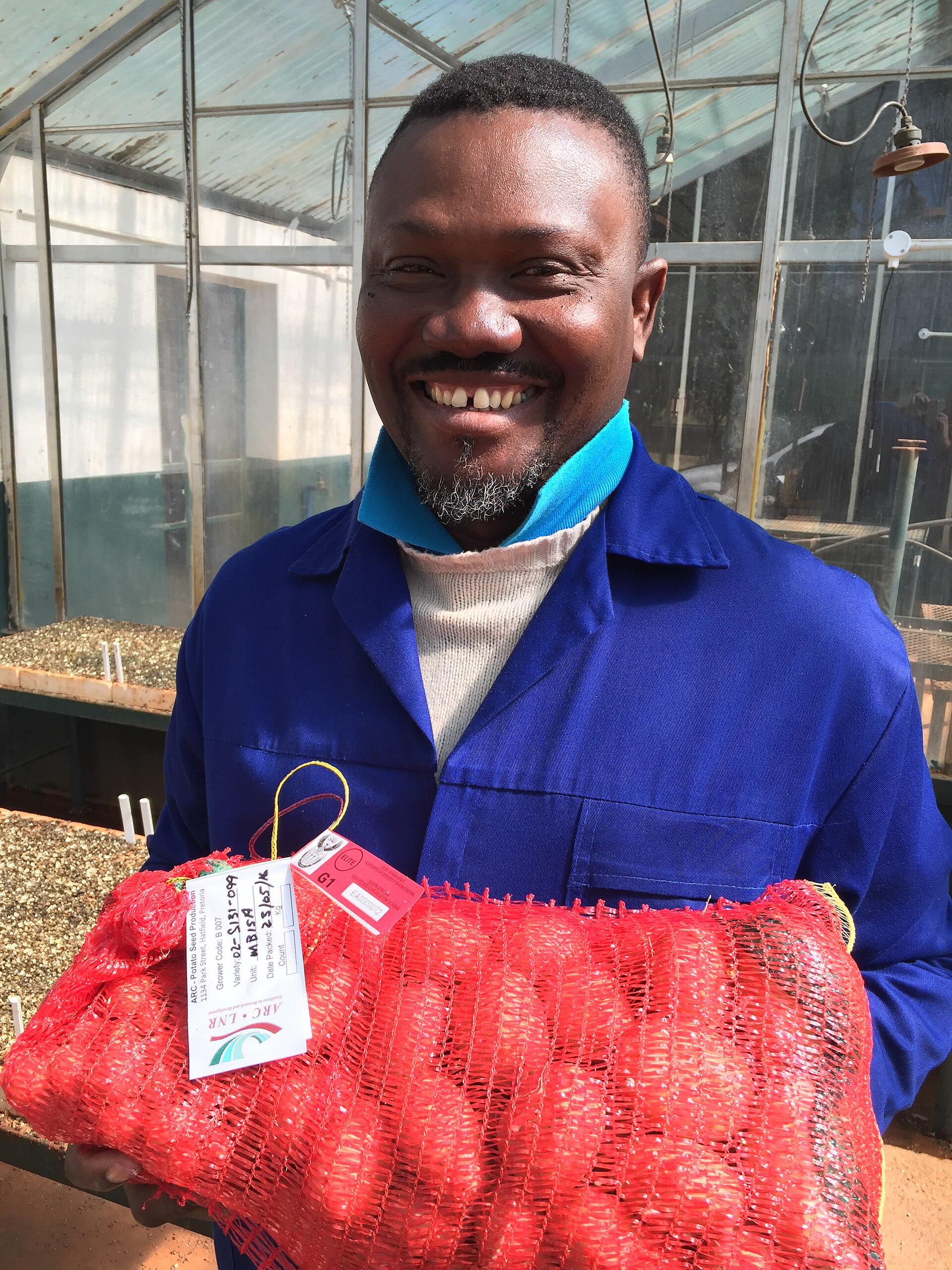
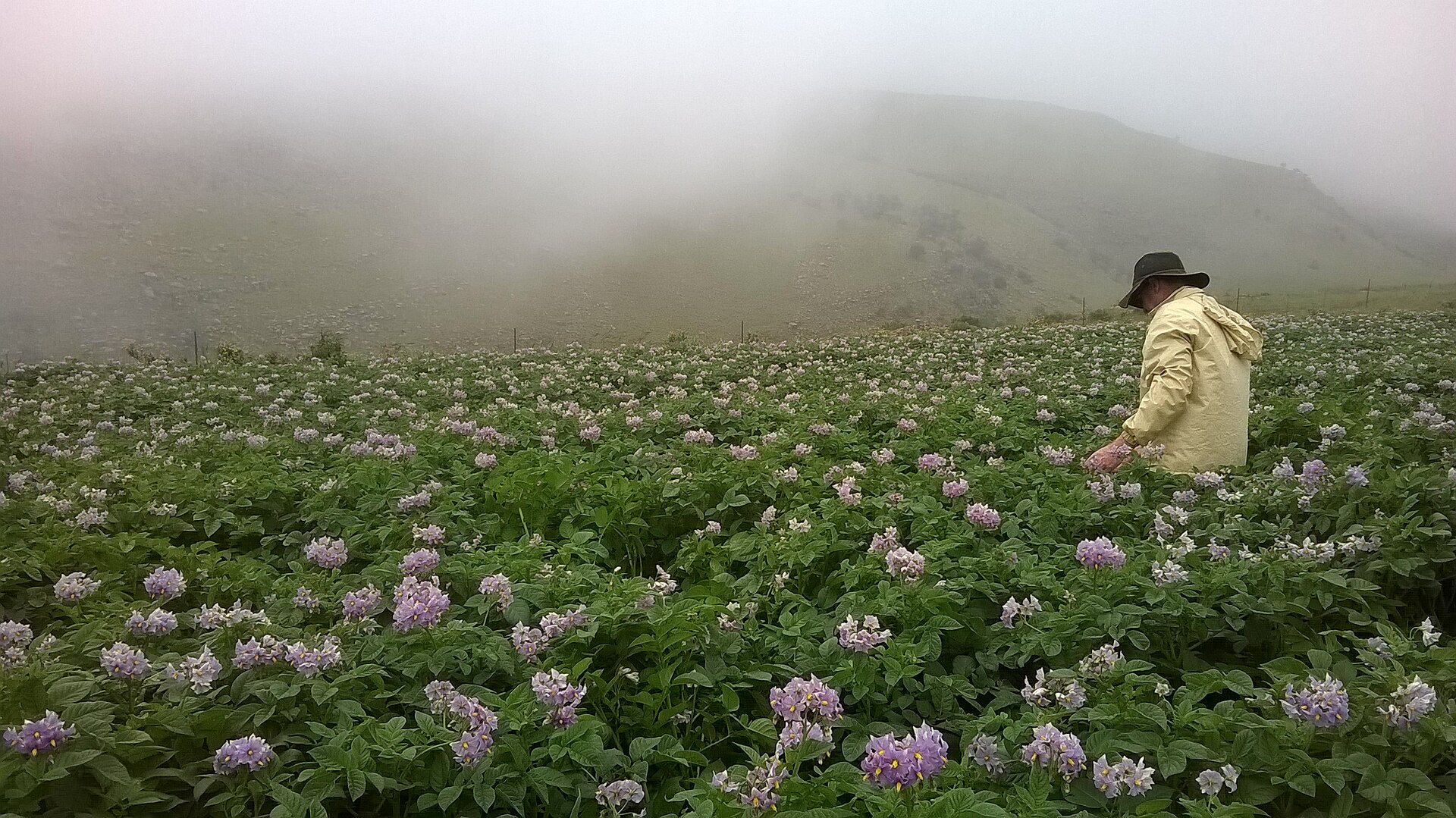
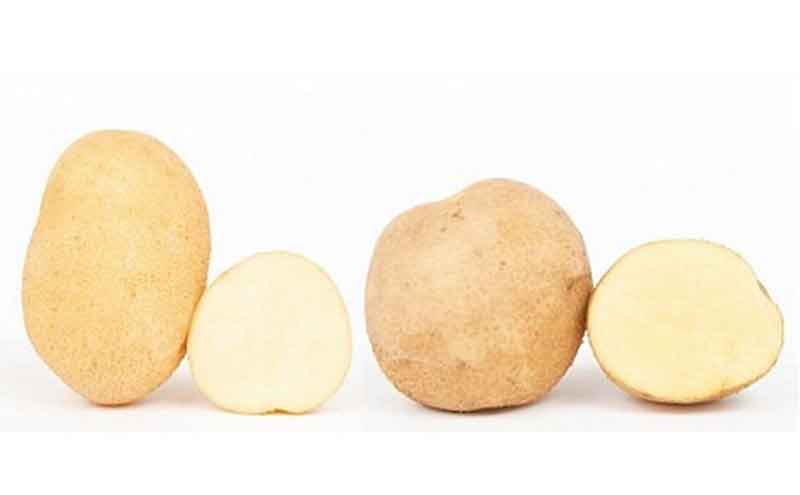
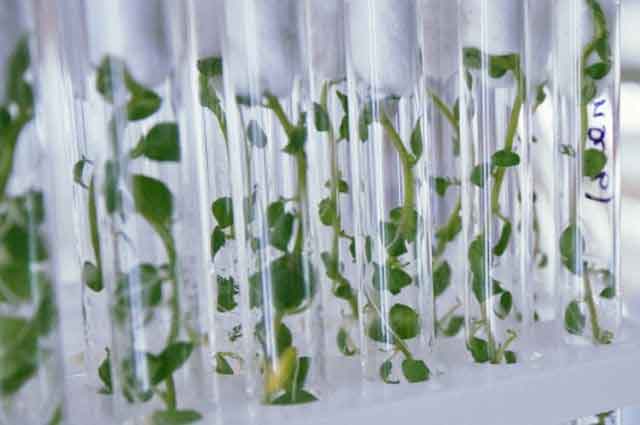
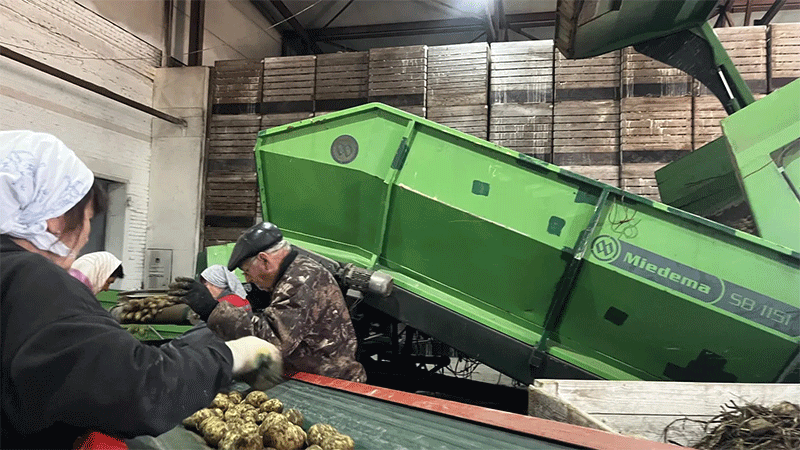
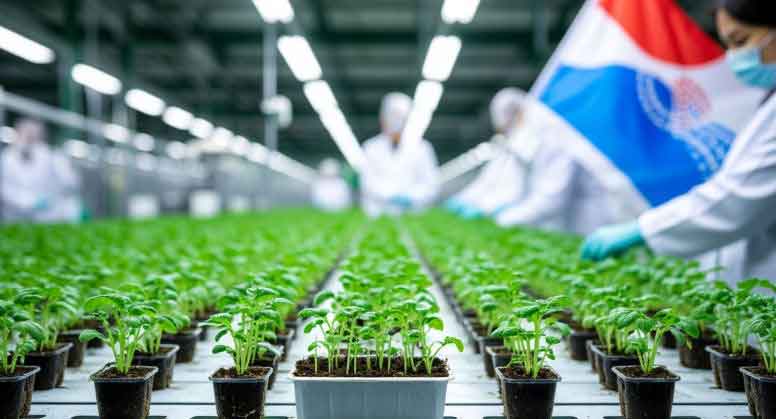
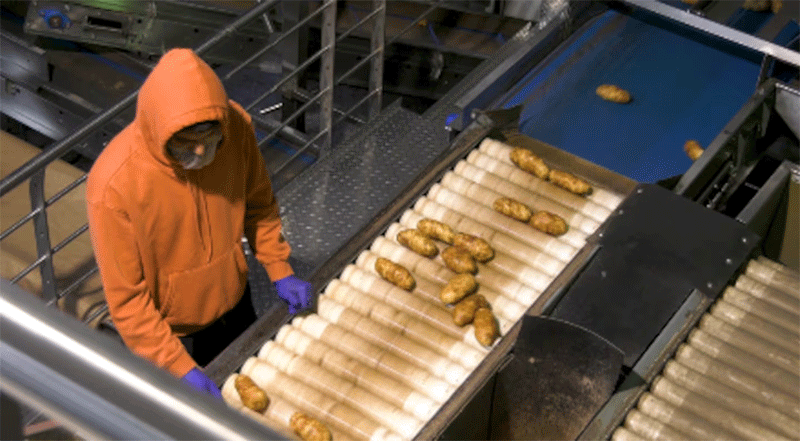
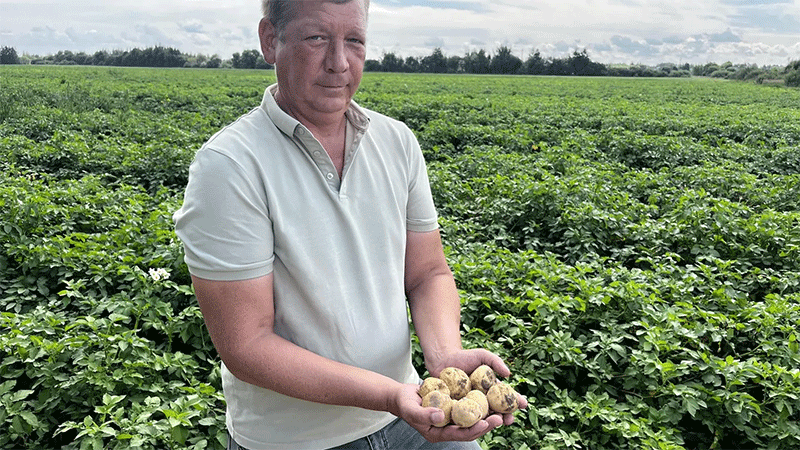
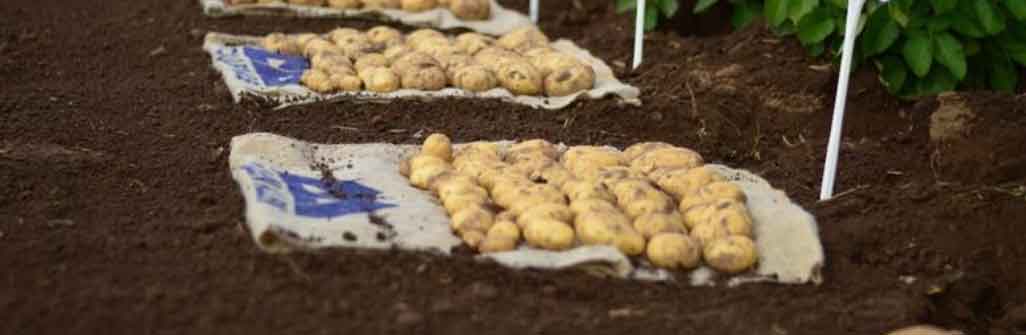
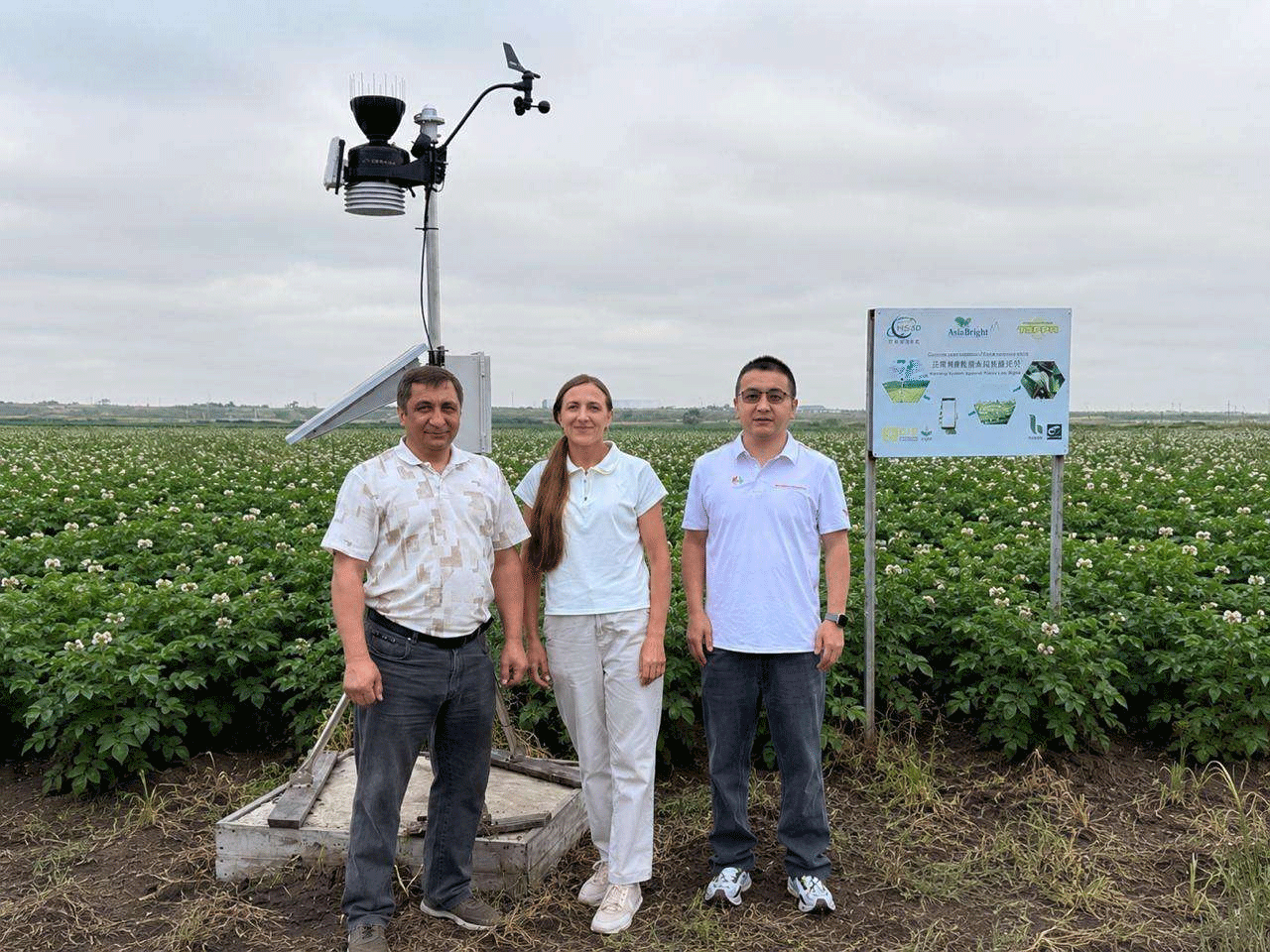
On a stop of the International Potato Tour, Eldar Isataev showed us how Livingstone Kazakhstan propagates potato plants and explained why the business took field multiplication into its own hands.
Mayors from Cocapata and Tarata toured INIAF's Tuber Technology Innovation Center to coordinate tissue-culture, aeroponic seed production and Korean-backed custom machinery for Bolivian potato growers.
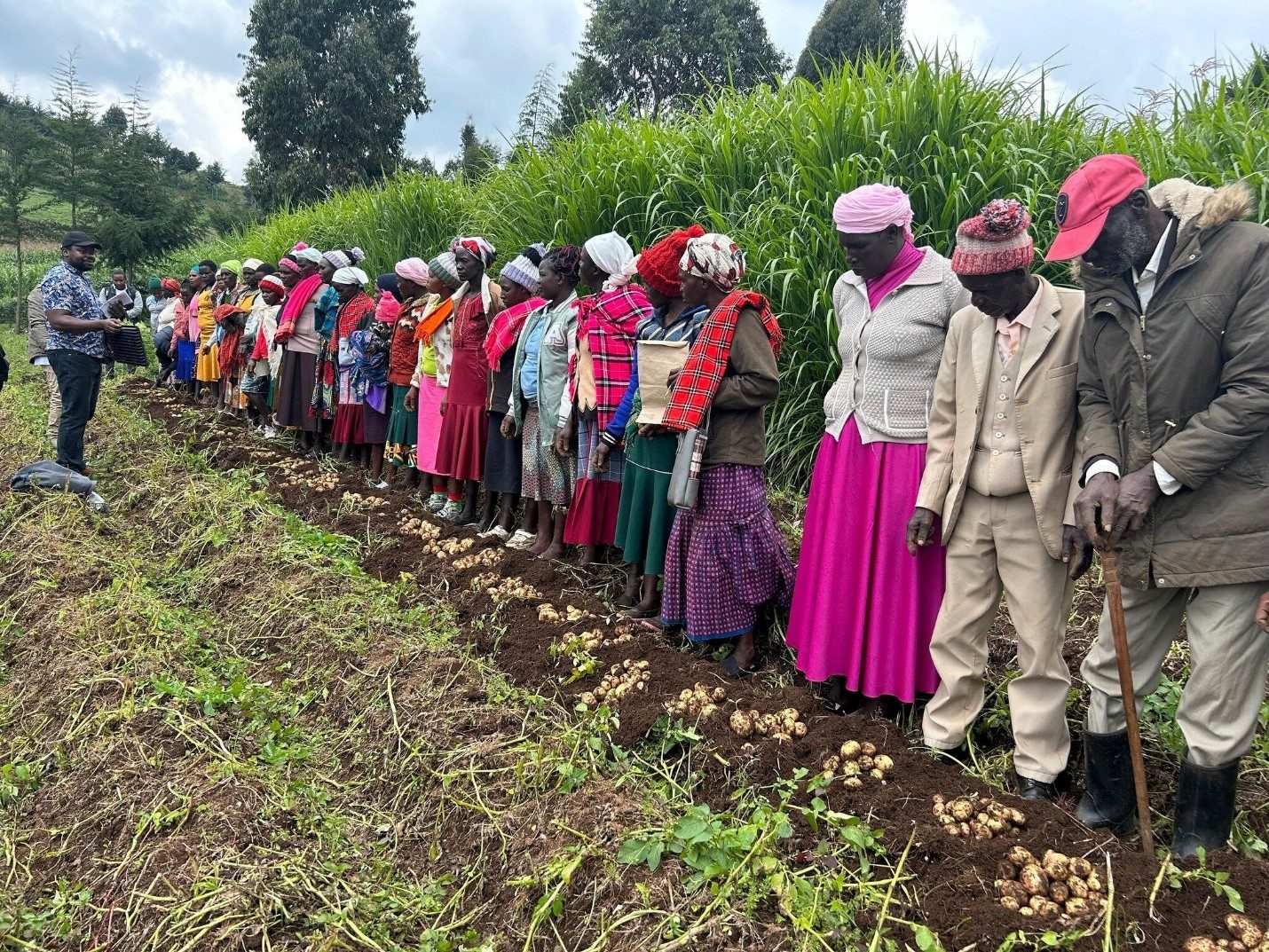
ASARECA, KALRO, the National Potato Council of Kenya, Egerton University, FIPS-Africa and two county governments worked together to scale rooted apical cuttings, training 84 value chain actors and reaching 50 local seed multipliers.
A partnership led by ASARECA tested rooted apical cuttings of three varieties in Nyandarua and Nakuru; demo plots produced 105,622 basic seed tubers, which the authors project could cover 67 acres within a year.
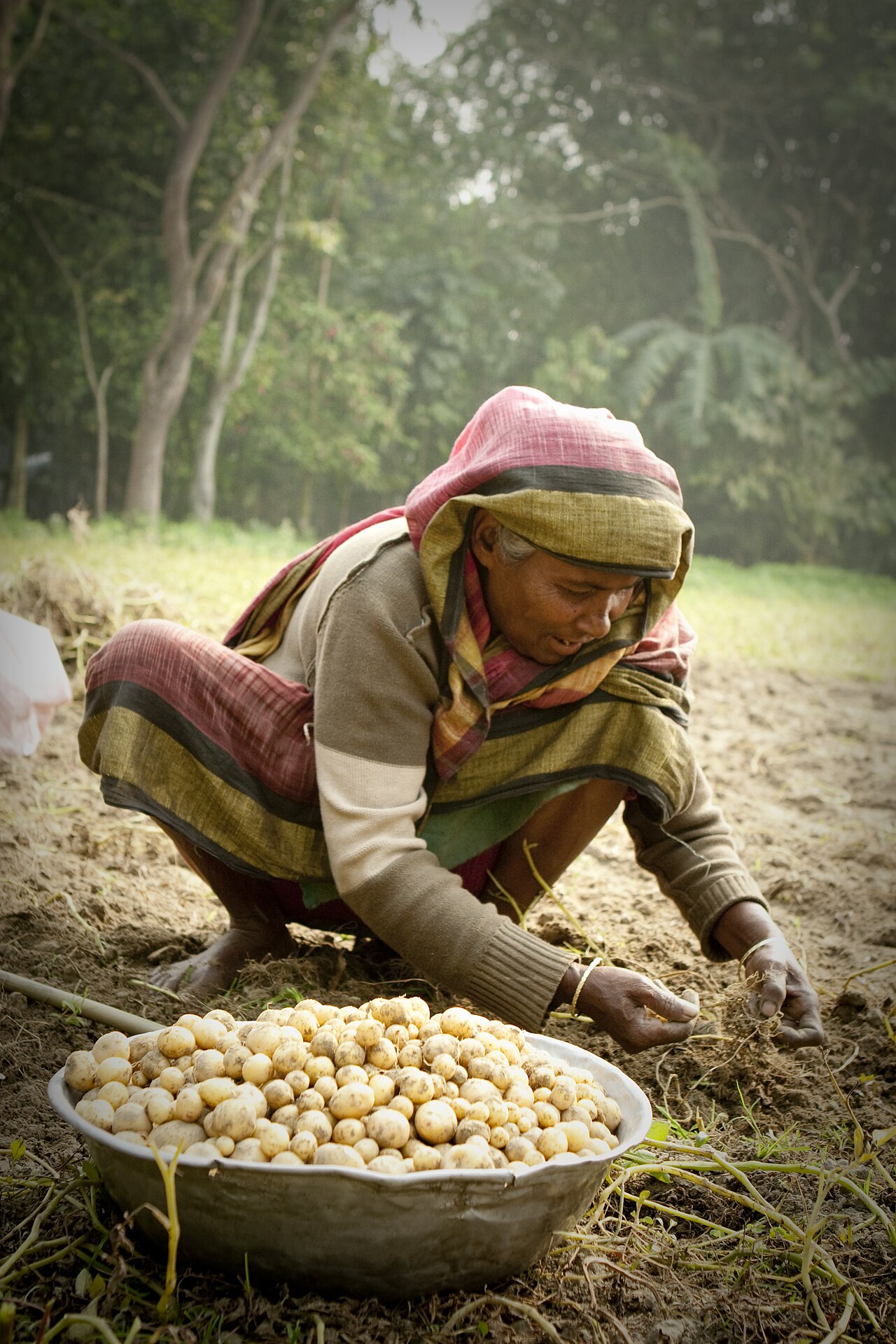
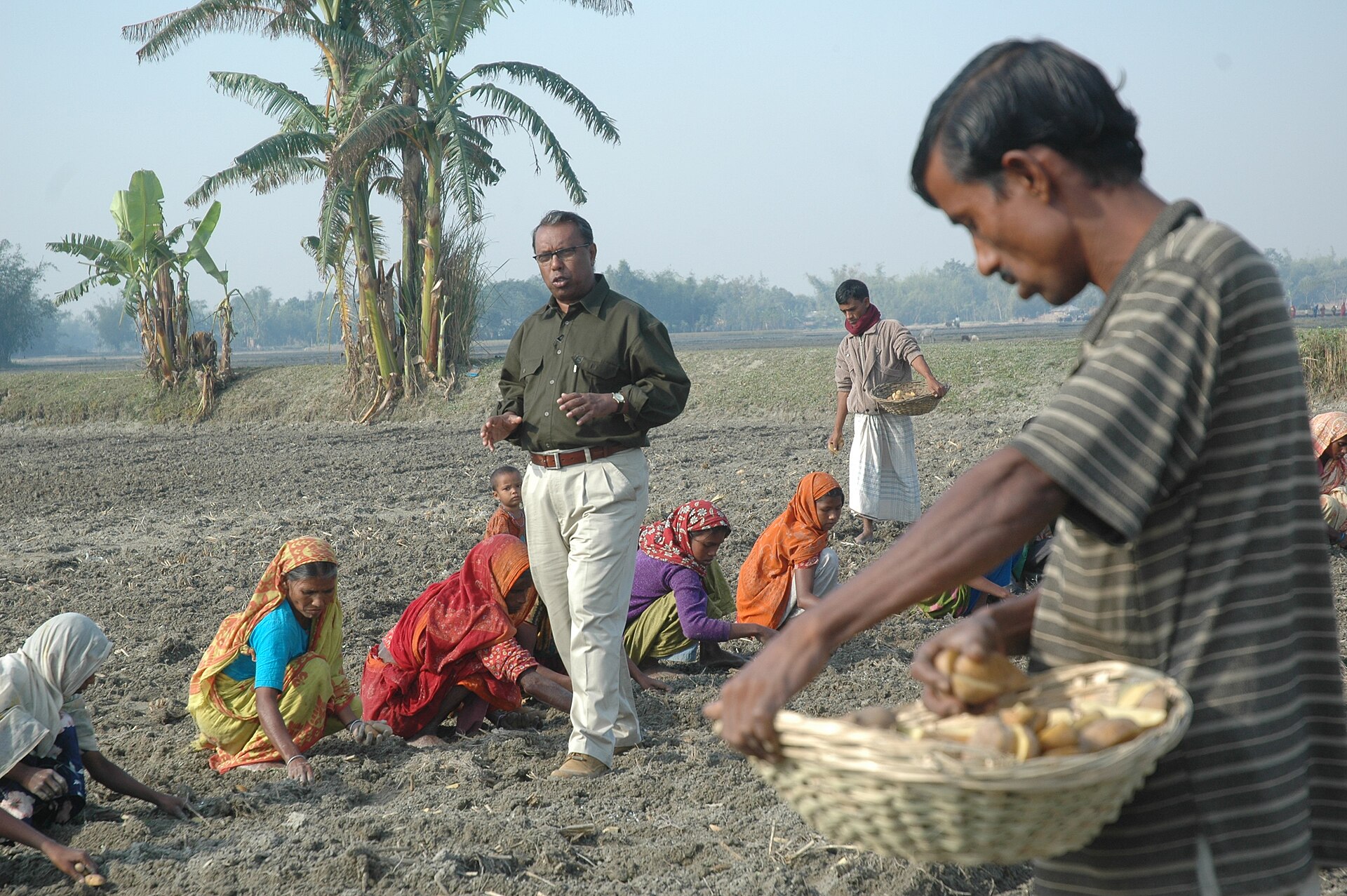
In the hills of south-eastern Bangladesh, a community development programme is helping indigenous farmers grow potatoes with better seed, loans and training. The poster describes three seed approaches – positive selection, hybrid true potato seed and apical…
In Rwanda, where potato consumption exceeds 100 kg per person per year, yields remain low mainly because farmers recycle their own tubers and lack access to high-quality seed. A poster by Evariste Nsabimana (Seed Potato Fund Joint…
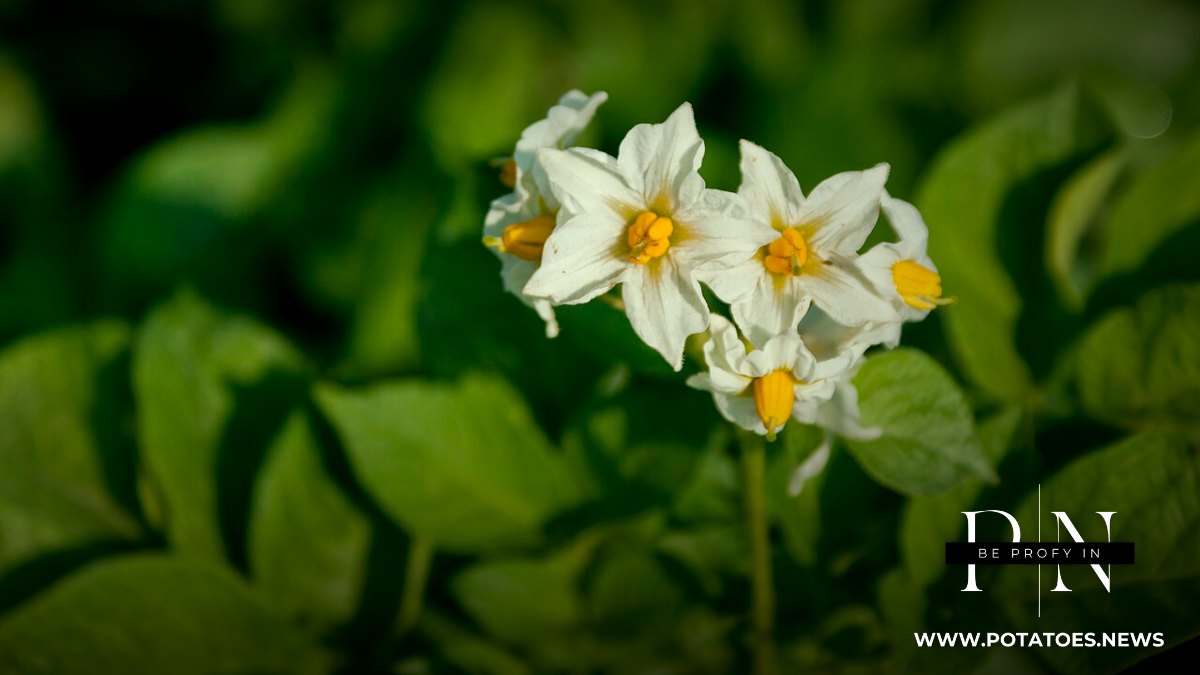
Hybrid true potato seed has reached commercial release in Kenya, promising disease-free, easily stored planting material shipped in grams instead of tonnes.
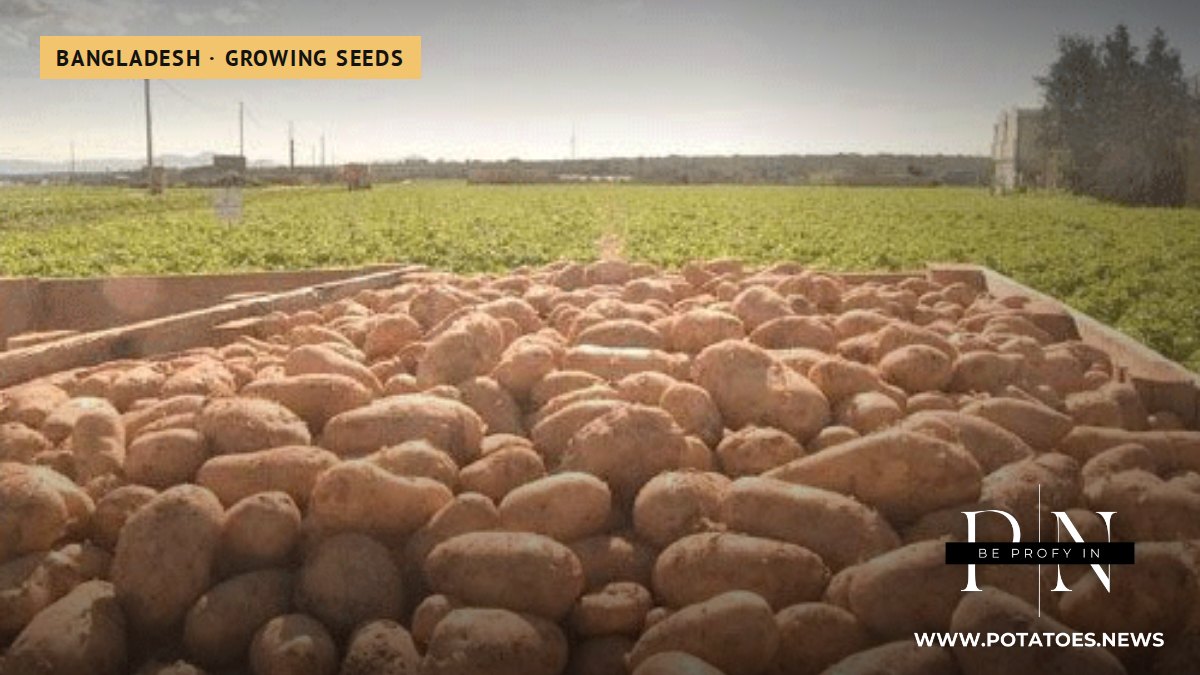
Dealers in Bangladesh's Rangpur agricultural region are showing little interest in collecting seed potatoes from the Bangladesh Agricultural Development Corporation (BADC), as collapsing market prices and two consecutive seasons of farmer losses dampen demand. In the first…
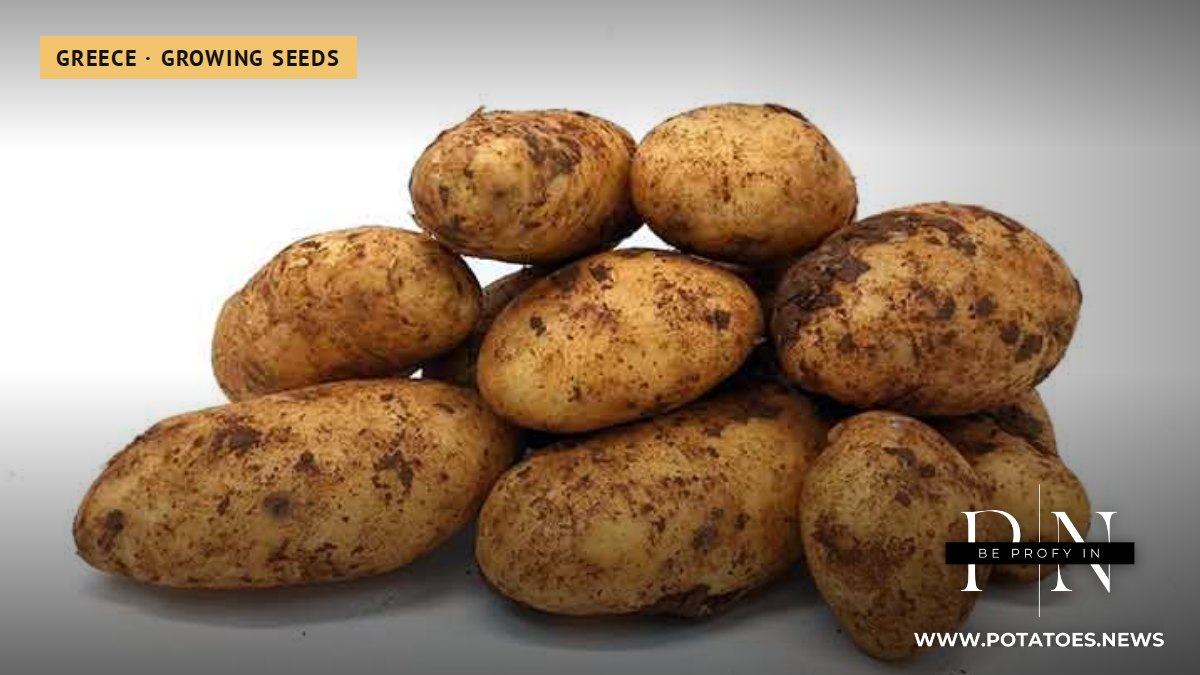
Greece's potato sector is at a critical juncture, with the deadly pathogen Synchytrium endobioticum—commonly known as potato chytrid—threatening the country's most prestigious Protected Geographical Indication (PGI) crop, the Kato Nevrokopi potato. The pathogen was first detected in…
Belarus has recently intensified its efforts in potato breeding and cultivation, introducing high-yielding, high-starch varieties and adopting advanced biotechnological tools. Among the most notable new cultivars are Umka and Krasavik, both ultra-early table potatoes with yields reaching 698 and 604…
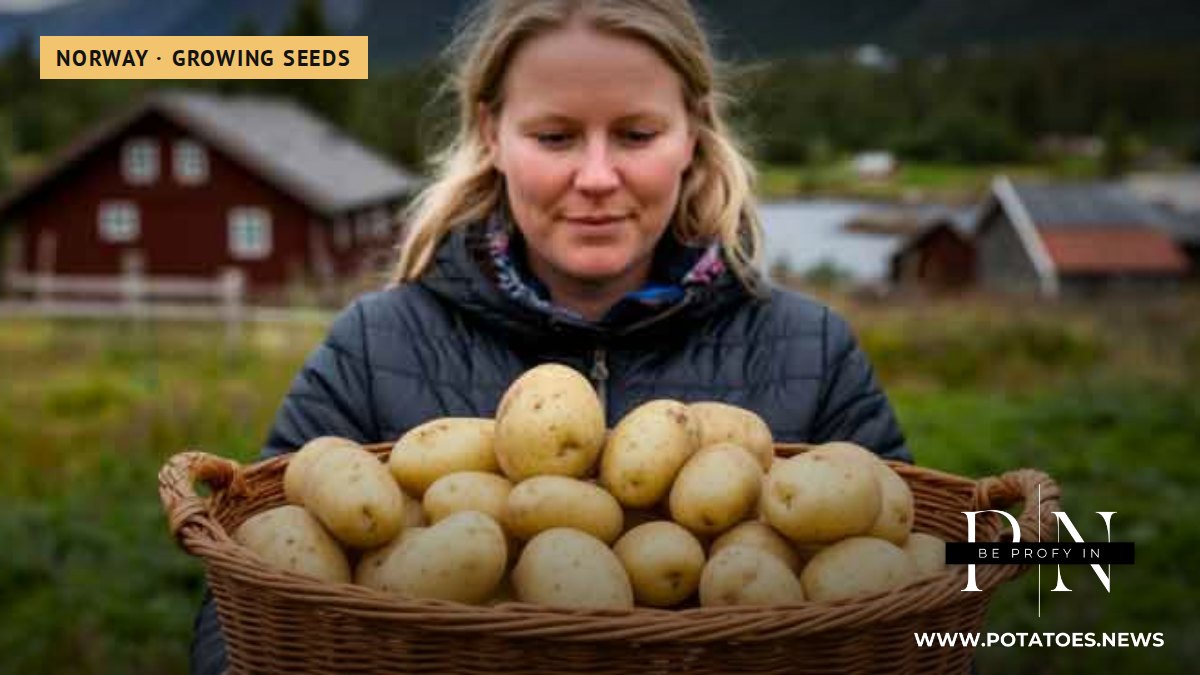
Norway has developed a range of potato varieties that reflect both its long agricultural history and modern breeding efforts. Traditional landraces form the foundation of Norwegian potato heritage. Tromøypotet, considered one of the country's oldest varieties, has been…
Finland has developed several well-known potato varieties, with Pito and Kulta standing out as the most significant achievements of the country's breeding programs. These varieties emerged from systematic Finnish breeding efforts that were actively pursued throughout the…
In 2026, four new potato varieties of Czech breeding were officially registered in the Czech Republic, covering both the table and processing segments. Baronka is an early table variety of culinary type AB, notable for its high…
In early 2026, the COBORU variety registration commission approved the inclusion of four new potato varieties in the national register: two table varieties and two starch varieties. Among the table varieties, "Polka" stands out; it is an…
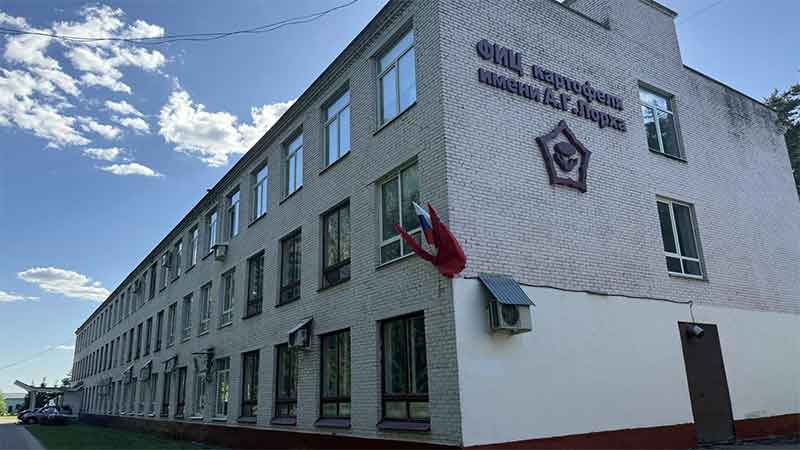
"Krasa Meshchery" is one of the flagship projects of cooperation between Chuvashia and the Lorch Federal Research Center of Potato. Registered in the State Register in 2020, this mid-season table variety was bred by the Lorch Center…
The Irkutsk region is seeing systematic growth in the production of virus-free seed potato material, aimed at combating the "degeneration" of potatoes — a process in which a variety loses its valuable qualities after just 7–8 years…
Anco van der Bos, a third-generation seed potato grower on the Wadden Sea coast, multiplies Annabelle from single plants and credits the method with few Erwinia problems even in the fifth generation.
The Potato Research Institute in Niğde has harvested super-elite minitubers of domestic varieties in a soilless hydroponic system. Earlier reports put its capacity at 2 million minitubers a year.
The Primorye branch of Rosselkhoztsentr has checked 6,700 tonnes of seed potatoes grown on 2,260 hectares. The lots meet the national seed standard GOST 33996-2016.
Canada's potato seed system rests on a strong public research base, with Agriculture and Agri-Food Canada (AAFC) serving as the principal breeding centre. The country not only supplies itself with seed material but actively exports it, while…
Mexico's main potato breeding centre is INIFAP (the National Institute of Forestry, Agricultural and Livestock Research). Over more than 70 years of work, the institute has developed dozens of varieties that now occupy around 36% of the…
India's Ministry of Agriculture and Farmers' Welfare, acting on the recommendations of the Central Seed Committee, has officially approved four new potato varieties developed by ICAR-CPRI (Central Potato Research Institute, Shimla) for nationwide cultivation and seed production.…
Argentina has officially introduced its first two potato lines developed through gene editing — OLI INTA and PIRU INTA — each addressing a distinct challenge facing the industry. OLI INTA holds the distinction of being the first…
Early post-harvest virus tests by the Dutch inspection service NAK show downgrading in just over 28% of cases, with only about 15% of samples analysed so far.
The Bangladesh Agricultural Development Corporation produced 44,181.7 tonnes of seed potatoes last season, about 31% of its total seed output of 144,232 tonnes.
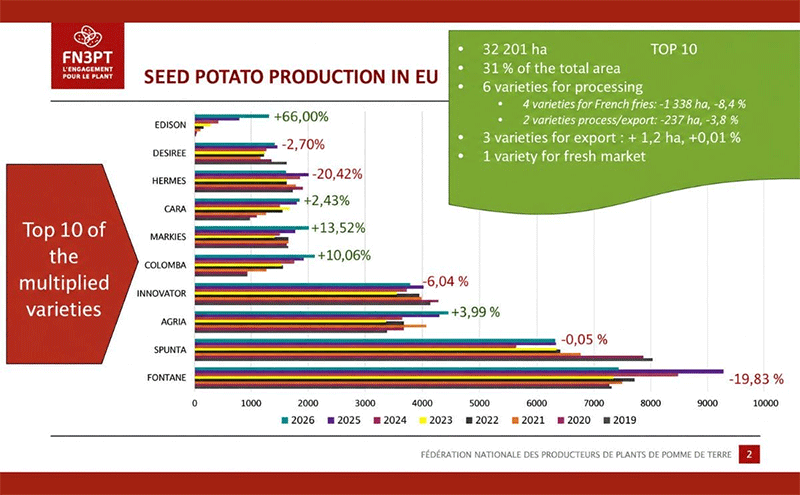
The French area of seed potatoes fell to 23,800 ha in 2026. Drought and heat then cut yields, and the seed supply for spring 2027 now depends on virus test results.
In parallel with its efforts to develop specialised varieties, ICAR-CPRI is advancing a high-tech seed production system designed to tackle a long-standing problem in India — the shortage of certified seed potatoes. The traditional method, which had…
In 2026, Russia is actively advancing the creation and certification of new domestically bred potato varieties. The Federal Research Center of Potato named after Lorkh has developed a new mid-early variety, "Alfa," distinguished by its red skin,…
Specialists from the Rosselkhoztsentr branch have conducted an approbation (field inspection and variety verification) of second-generation potato planting material grown in protected ground at an enterprise in the Dmitrov municipal district, according to a report from the…
Seed potato crops in Punjab must be planted by 15 October and have their haulms cut by 31 December, under a new standard procedure. The aim is to protect seed tubers from viruses carried by aphids.
Following directives from Agriculture Minister Alaa Farouk, Egypt's horticultural producers' union and state agencies agreed to survey farmers' seed needs and set up demonstration fields for locally produced seed.
Bill No. 1341065-8 would move two requirements of the seed production law — genetic passports for varieties and mandatory spatial isolation — from 1 September 2027 to 1 September 2028.
The Pakistan-Korea project, run with KOPIA at the National Agricultural Research Centre in Islamabad, aims to build a local certified seed system with aeroponic facilities and trained staff.
The National Potato Council of Kenya, FIPS-Africa and regulator KEPHIS are accrediting private seed inspectors. The aim is to widen access to certified seed ahead of the World Potato Congress in Naivasha.
In the village of Leka near Shatura, agricultural producers summed up the harvest of the new seed potato variety "Madeleine." According to assistant agronomist Yana Patsyuk, the variety performed well even under difficult weather conditions. Vegetation was…
According to the Ministry of Agriculture and Food of the Moscow Region, specialists from the branch of the Federal State Budgetary Institution "Rosselkhoztsentr" in the Moscow Region conducted an approbation of second-generation potato plantings in protected ground.…
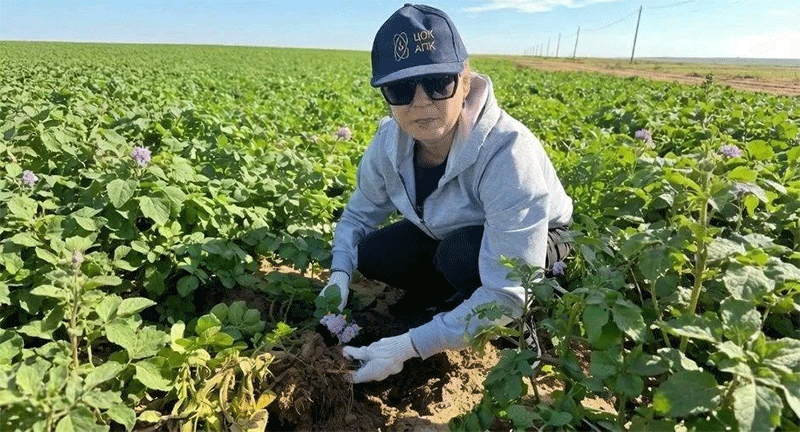
Specialists from the Astrakhan branch of the Federal State Budgetary Institution "Center for Quality Assessment of Agro-Industrial Products" (FGBNU "TsOK APK") carried out an approbation of potato crops in the Limansky district in September. Experts inspected 73…
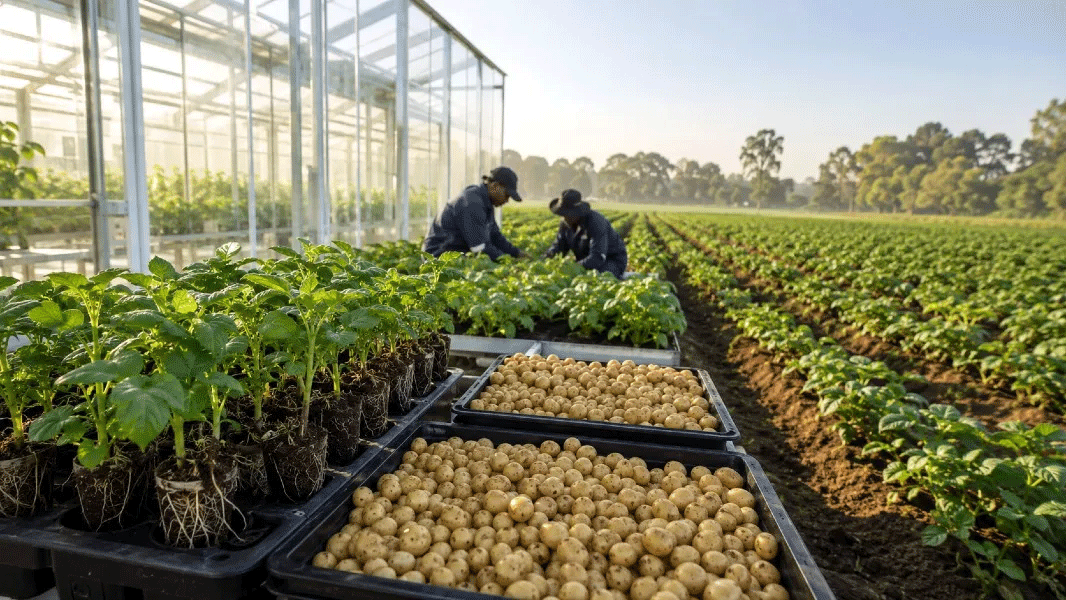
Potato breeders continue to deliver varieties with improved disease resistance, climate resilience, storability and market quality, yet the real constraint on innovation begins after a variety is released: multiplying enough healthy planting material and delivering it to…
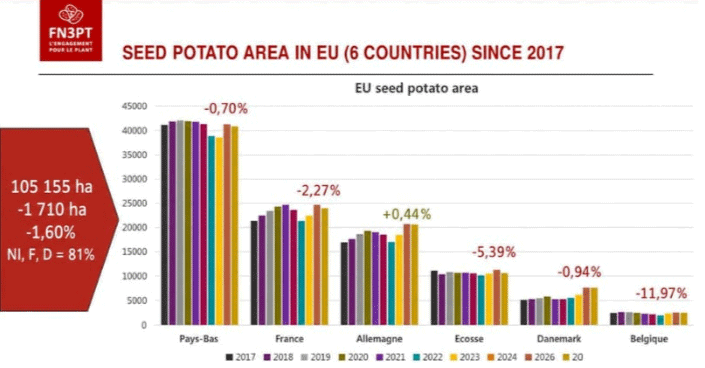
The European seed potato multiplication area across the six major production regions covered by ESPG data—the Netherlands, France, Germany, Scotland, Denmark, and Belgium—stands at 105,155 hectares in 2026, a decrease of 1,710 hectares (-1.6%) compared with the…
Specialists from the Rosselkhoztsentr branch for the Moscow region have inspected 11 domestic seed potato varieties in greenhouses near Dmitrov, assessing whether the plants are true to type, healthy, and ready for propagation. The work was carried…
According to the Ministry of Agriculture and Food Policy of the Republic of Sakha (Yakutia), harvesting continues at the variety testing plot in Rassoloda, Megino-Kangalassky Ulus. This year, 14 potato varieties are being tested there, with another…
Russia’s potato industry remains heavily dependent on foreign breeding, with domestic varieties accounting for only 8–10% of planted area. Roughly 90% of the varieties used in the country are based on imported genetics — primarily Dutch and…
Kazakhstan is making a major leap forward in its agricultural sector with the launch of a large-scale enterprise dedicated to producing virus-free seed potatoes. The ambitious project, backed by an investment of $10 million, is being implemented…
The Kamchatka region in Russia's Far East is experiencing a significant breakthrough in local seed potato production. Over the past five years, the region has nearly tripled its output of domestic seed potatoes. In a parallel achievement,…
The Scientific and Practical Center of the National Academy of Sciences of Belarus for Potato Growing (Samokhvalovichi) has unveiled a major leap in potato breeding and propagation, introducing the new cultivar ‘Mastak’ with over 22% starch content…
The United States has introduced stricter import regulations for fresh potatoes from Canada's Prince Edward Island (PEI) following the detection of potato wart in soil samples this spring, though no symptomatic potatoes were found. The USDA stopped…
According to data from the ESPG (European Seed Potato Growers' Federation), the total area allocated for seed potato propagation across six major European production regions—the Netherlands, France, Germany, Scotland, Denmark, and Belgium—will amount to 105,155 hectares in…
In the village of Leka, within the Shatura urban district, local farmers are actively preparing for the upcoming seed potato harvest. Although this year's agricultural season has been unusually wet and rainy, the prolonged precipitation has not…
A new international initiative named GAIN-RT (Genetic Acceleration through Artificial Intelligence for Root and Tuber Crops) has been launched to fast-track innovation in potato and sweet potato production, bridging the gap between laboratory research and farm-level application.…
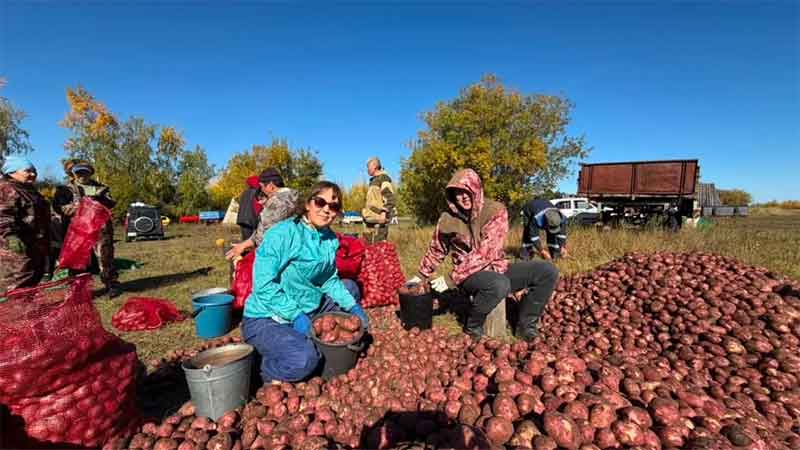
In a remarkable display of cross-border agricultural cooperation, scientists from Kazakhstan, Russia, and China have come together on a single experimental potato field near Kostanay to advance a shared project focused on colored-flesh potato varieties and integrated…