
Mexican Potato Breeding: Key Varieties, a Persistent Seed Shortage and the Promise of True Potato Seed
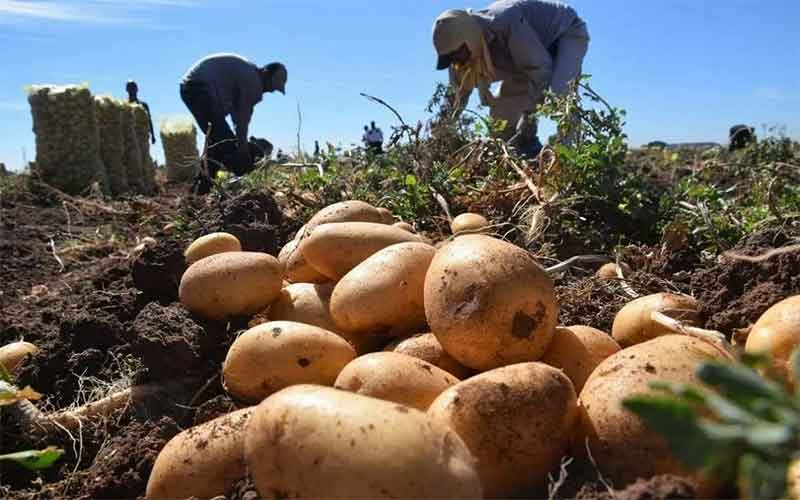
Mexico’s main potato breeding centre is INIFAP (the National Institute of Forestry, Agricultural and Livestock Research). Over more than 70 years of work, the institute has developed dozens of varieties that now occupy around 36% of the country’s planted area. Among the most significant recent developments is CITLALI, a variety bred specifically to combat the two main diseases of Mexican potatoes — late blight (tizón tardío) and “purple top” (punta morada) — which has shown the best tolerance results compared with commercial standards, combining high yields of 50–70 tonnes per hectare with a dry matter content of 19–21%. AMEYALI, another variety from the series resistant to late blight and purple top, demonstrated greater tolerance to late blight than CITLALI in home-garden trials but proved more sensitive to frost. NORTEÑA is a high-yielding variety with genetic resistance to late blight and hail and tolerance to rhizoctonia and sclerotinia, delivering returns of up to 5,391 pesos of profit per hectare, which makes it economically attractive. ENRICA was created specifically for the chipping industry, obtained from a cross between Atlantic and Ireri, where the Mexican parent Ireri contributed resistance to local conditions that imported varieties lacked. INIFAP has also worked on varieties aimed squarely at processing, including Nevada, Cristal and Ameyali, as well as promising clones 020347 and 020336, whose key advantage is a 30–40% reduction in cultivation costs thanks to genetic resistance to phytosanitary problems, allowing growers to cut back on agrochemicals. Clones 98-18-24 and 07-18 also merit mention, combining resistance to viruses (PVX, PVY) and late blight with good processing quality for chips.
Despite these domestic achievements, the supply of quality seed material to Mexican farmers remains critically low. The country’s potential demand for seed potatoes is around 210,000 tonnes, yet only about 20% of the planted area is sown with certified seed. The remainder is covered by imports — mainly from the United States, Canada and the Netherlands — or by so-called “home-made” seed technology, in which farmers select tubers from their own harvest by eye, a practice that contributes to the accumulation of diseases. This dependence on imports was historically a forced measure. In the 1990s, when American varieties such as Atlantic flooded into the country, they proved highly susceptible to the Mexican climate — the extreme temperatures and alkaline soils of the north-east — and also carried the risk of introducing quarantine organisms. It was precisely this that pushed INIFAP to intensify work on its own, better-adapted varieties.
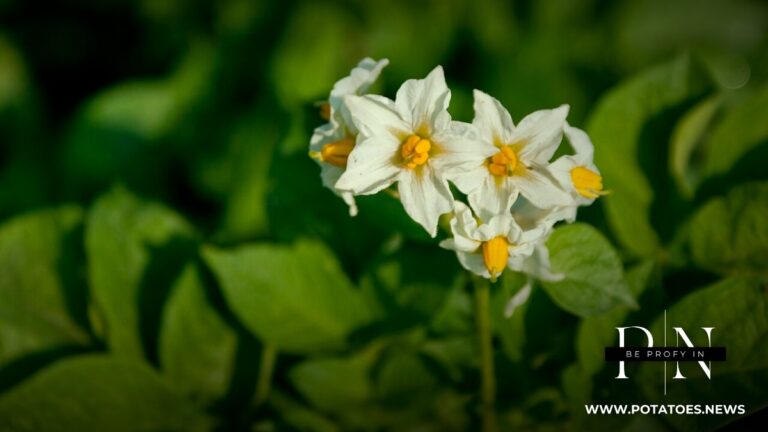
An alternative pathway being developed in Mexico to address the high cost and scarcity of seed is the use of botanical potato seeds (SSP, or True Potato Seed). The technology involves growing potatoes from seed rather than tubers. This radically reduces the cost of planting material, eliminates the transmission of viral infections through tubers and opens access to seed for smallholder farmers who cannot afford imported certified material. Studies have shown that progeny grown from SSP can yield up to 3.6–3.7 kg/m² when planted with the tubers thus obtained, which is comparable to traditional technologies. In summary, Mexico possesses a strong scientific base for potato breeding, but the technological backwardness of its seed-production infrastructure forces the country to purchase seed abroad. Its own varieties, such as CITLALI, NORTEÑA and ENRICA, are designed to reduce that dependence and to strengthen the sector’s resilience to climatic and biological challenges.