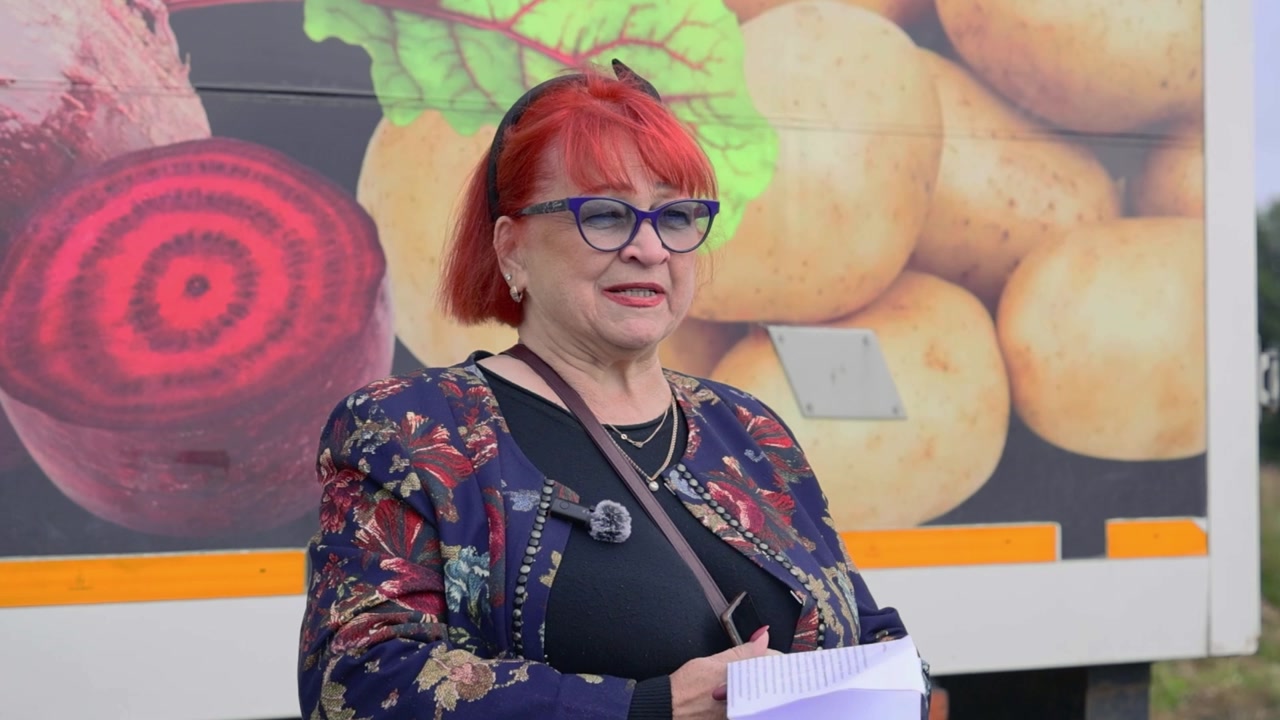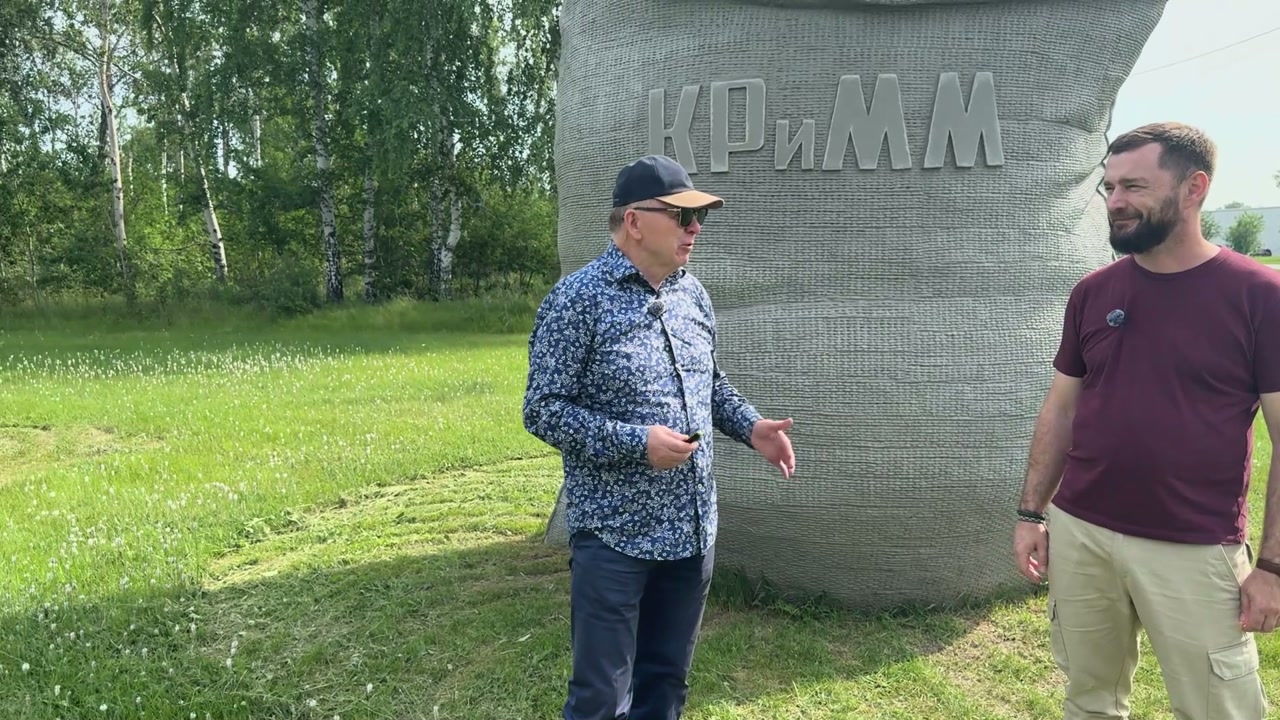
In this archive report from the Tyumen Region, the International Potato Tour visits KRiMM and speaks with Gennady Ryazanov. He recalls starting with three hectares and explains decisions about seed, irrigation and grading that shaped the farm’s potato business.
Watch the archive interview in Russian
- 00:58 Meeting Gennady Ryazanov at KRiMM
- 05:32 How KRiMM separated seed production
- 09:18 Levelling an irrigated field
- 13:41 The farm’s choice of seed generations
- 15:27 Storage losses and grading for sale
Separating seed production from the table crop
Ryazanov recalls that access to high-grade seed of Russian varieties helped the young farm recover after a difficult start. He says the company separated seed potato production from its table crop. In the report, he describes using elite or first-reproduction seed for planting and says the farm did not plant later generations. KRiMM’s company profile says its seed laboratory has operated since 2000 and describes using PCR and ELISA for quality control.
KRiMM’s description of its farm and laboratory · KRiMM’s seed potato grades
Weekdays. Unsubscribe in one click.
Levelling ground for irrigation
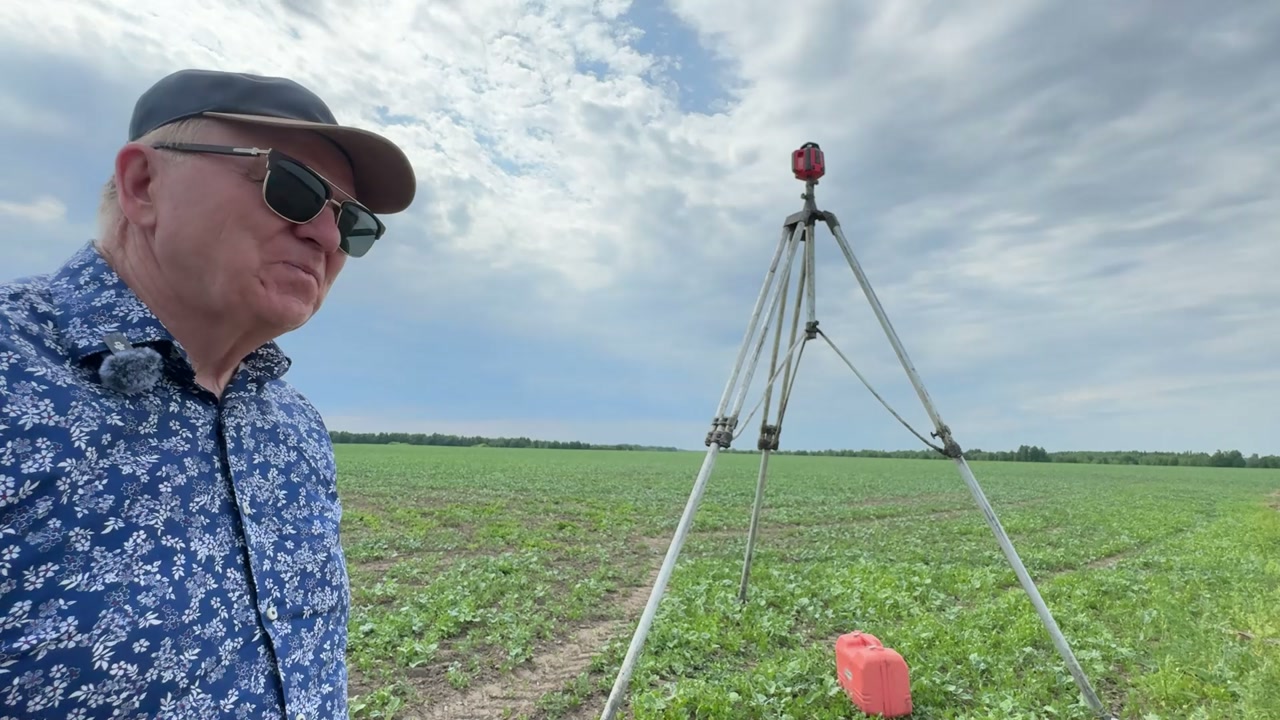
On the field visit, a member of the farm team describes how water collected in low areas while higher ground stayed dry. He explains how the team removed the fertile topsoil, reshaped the ground using clay and then put the topsoil back. Ryazanov later describes soil improvement, seed grade, irrigation and precision guidance as changes the farm made together.
Accounting for potatoes after grading
Ryazanov distinguishes weight loss during storage from the work of grading potatoes for sale. He describes additional sorting to meet retailer specifications. Both affect how many tonnes can be sold and how the business calculates the cost per saleable tonne.