
23 Sep 2026 Global Potato Industry General partnerAVGUST
The Global Potato Industry
Kenya·Africa·Growing seeds

Kenya Turns to Accredited Private Inspectors to Unblock Seed Potato Certification

2 min read
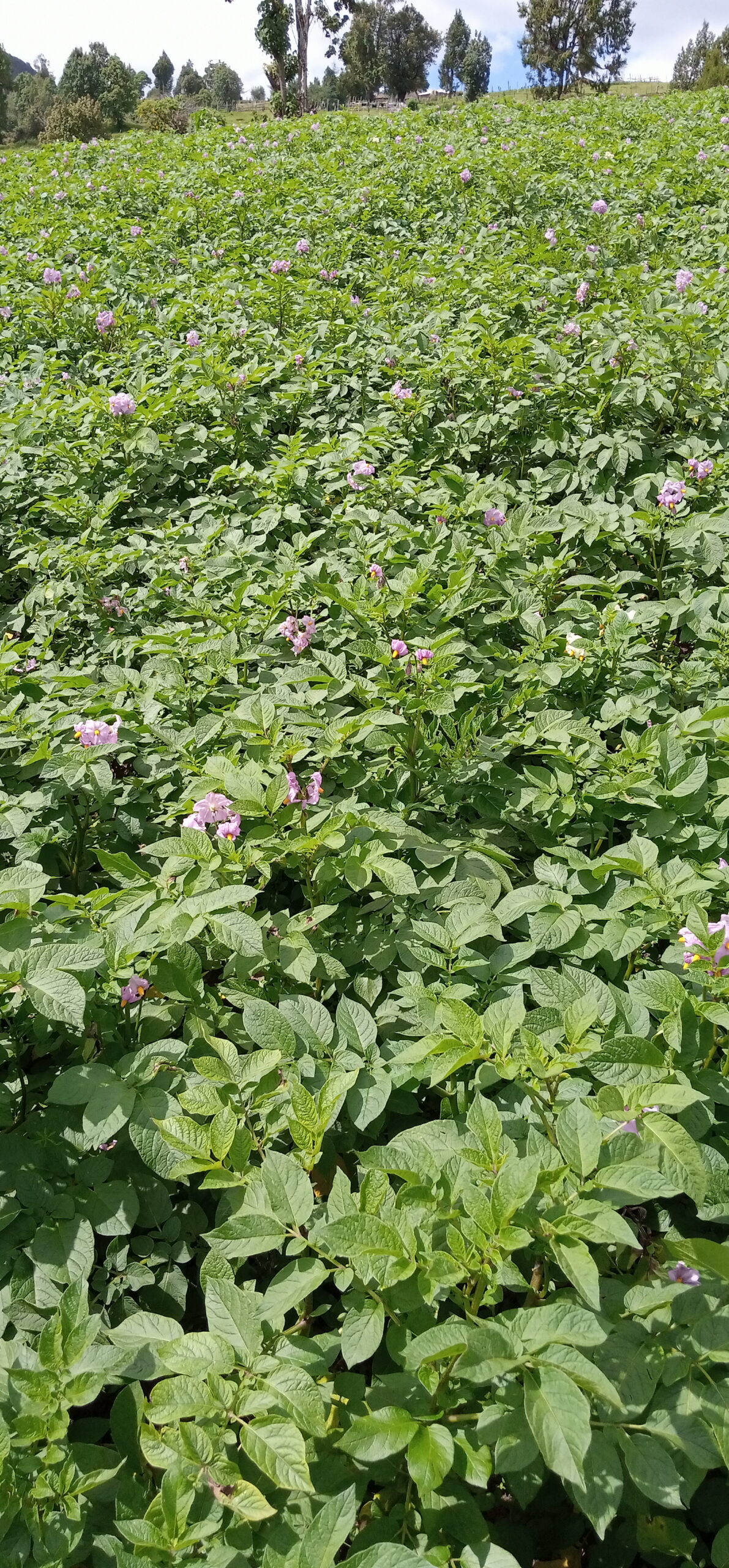
Potato field in Kenya
Photo: Betwel chirchir / Wikimedia Commons, CC BY-SA 4.0

Key takeaways

  • 3 partners run it: NPCK, FIPS-Africa and regulator KEPHIS
  • 14–17 September: KEPHIS conference held in Nairobi
  • 16 September: selected farmers trained on seed quality
  • 26–30 October: World Potato Congress comes to Naivasha

Why it matters

For farmers
Ask NPCK or county officers when accredited private inspectors begin work in your area, and plan next season's seed budget around certified seed rather than farm-saved tubers
For suppliers
Seed multipliers should prepare field records and plots for inspection by accredited private inspectors, which may shorten certification queues once the scheme scales
For investors
Watch how many private inspectors are accredited: wider certification capacity is a precondition for scaling certified seed businesses in Kenya

60-second summary

The National Potato Council of Kenya has presented a model that relies on accredited private seed inspectors to speed up seed potato certification, working alongside the national regulator KEPHIS. The programme is implemented by NPCK and FIPS-Africa in partnership with KEPHIS and was described at the International Phytosanitary and Seed Quality Conference, held in Nairobi on 14–17 September 2026. On 16 September selected farmers were also trained on seed quality, seed production, quality assurance and inspection practices. KEPHIS says this was the first year its seed and phytosanitary conferences were merged, with around 350 participants expected. In Kenya certified seed must pass KEPHIS field and post-harvest inspection, and inspection cost and capacity are long-standing barriers; a 2025 KEPHIS training aimed to cut inspection fees. The number of inspectors and the start date have not been published. The topic follows delegates to the World Potato Congress in Naivasha, 26–30 October.

14–17 Sep 2026KEPHIS conference, Nairobi
~350expected conference participants
16 Sep 2026farmer training on seed quality
26–30 Oct 2026World Potato Congress, Naivasha
General partnerCrop protection for the potato industry

The National Potato Council of Kenya (NPCK) has presented a model for accelerating seed potato certification in the country. Under the model, certification relies on accredited private seed inspectors working alongside the national regulator.

NPCK described the initiative at the International Phytosanitary and Seed Quality Conference 2026, convened by the Kenya Plant Health Inspectorate Service (KEPHIS) in Nairobi on 14–17 September. The council’s session was titled “Strengthening Seed Potato Certification in Kenya through Accredited Private Seed Inspectors.” According to NPCK, the programme is implemented by NPCK and FIPS-Africa in partnership with KEPHIS.

On 16 September, selected potato farmers also attended training on seed quality, seed production, quality assurance and inspection practices, NPCK said.

Morning industry digest The day’s essentials in one email.

Weekdays. Unsubscribe in one click.

The conference theme was “Revitalizing Phytosanitary and Seed Systems for Climate Resilient and Sustainable Agriculture.” KEPHIS says 2026 is the first year its previously separate seed and phytosanitary conferences were merged into one event. The organiser expected around 350 participants from the public and private sectors.

Why private inspectors?

In Kenya, certified seed potato must pass field and post-harvest inspection by KEPHIS. Inspection capacity and cost have long been cited as reasons why most farmers still plant farm-saved seed. At a KEPHIS seed-inspector training in July 2025, NPCK noted that the aim was to reduce the cost of inspection fees and make certified seed more affordable to farmers. Accrediting private inspectors extends that logic: more trained people in the field, under the regulator’s rules.

Why it matters

Seed quality is the first lever of potato yield in East Africa, and Kenya will be in the global spotlight next month. The 13th World Potato Congress takes place in Naivasha on 26–30 October 2026, the first time the congress is held in sub-Saharan Africa. How Kenya scales certified seed will be one of the practical questions delegates bring home.

Photo: Potato farming in Kenya. Betwel chirchir / Wikimedia Commons, CC BY-SA 4.0.

Global Potato Brief

Top five stories, prices, disease alerts and events. Weekday mornings, no advertising.

Choose topics and language
What to send

What next

NPCK has not said how many private inspectors will be accredited or when they start work. The next public stage for Kenya's seed agenda is the 13th World Potato Congress in Naivasha on 26–30 October 2026, the first held in sub-Saharan Africa.

Sources

  1. National Potato Council of Kenya — Facebook post — https://www.facebook.com/npckkenya/posts/pfbid02q1pkGhKx6GMEVvvXdqaSqCJbNMywZ7n1ntoUrPhB6WL9E5Aq4Pmjg7DkU3myK7eul
  2. KEPHIS — International Phytosanitary and Seed Conference 2026 — https://www.kephis.go.ke/conferences-kenya-2026
  3. NPCK — Seed inspector training, July 2025 — https://npck.org/building-guardians-of-agricultural-quality-through-seed-inspector-training-26th-july-2025/
  4. WPC 2026 Kenya — https://wpc2026kenya.com/
  5. The initiative is described by NPCK, one of its implementing partners.

Linked in this material

Country
Kenya
Project partners Become a partner →
Audience 41,368 LinkedIn 21,000 YouTube 3,756 Newsletter 2,861 views · last 15 videos Media kit →