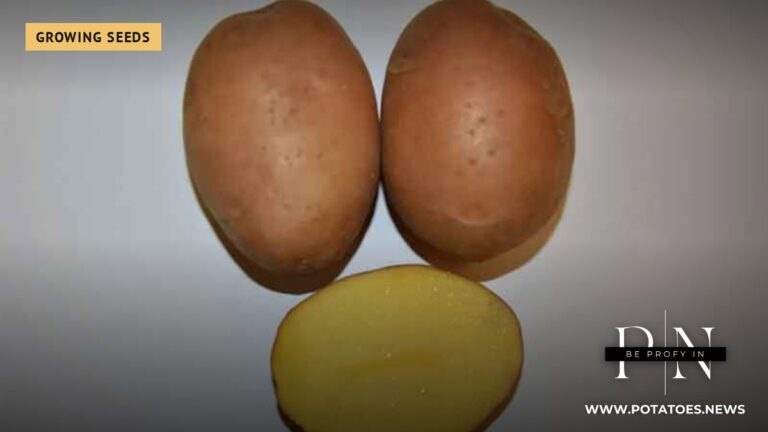
Greece Bets on Resistant Varieties as Potato Sector Faces Existential Threat from Chytrid Fungus
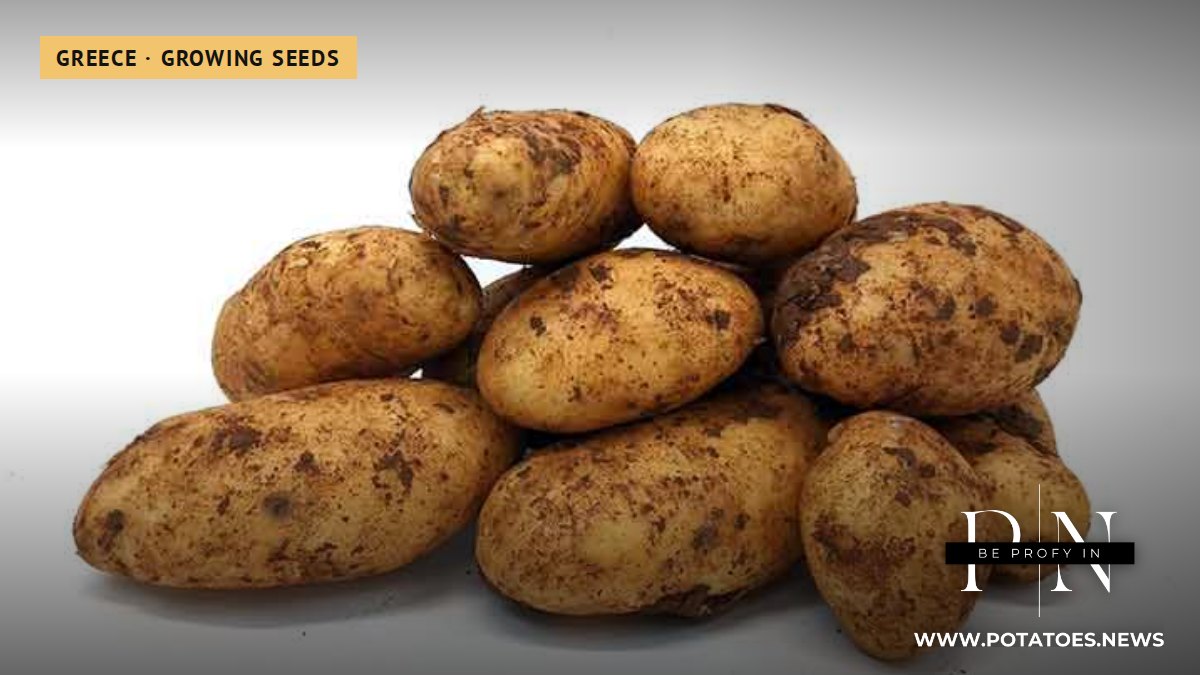
Greece’s potato sector is at a critical juncture, with the deadly pathogen Synchytrium endobioticum—commonly known as potato chytrid—threatening the country’s most prestigious Protected Geographical Indication (PGI) crop, the Kato Nevrokopi potato. The pathogen was first detected in 2011 in Perithori and led to the creation of a 30-year safety zone, devastating local production. In response, the Ministry of Rural Development and Food has funded a three-year scientific program at the Benaki Phytopathological Institute to evaluate resistant potato varieties, with a budget of €198,000 and the first year’s funding of €103,800 front-loaded for 2026. The urgency is acute: certified seed of candidate varieties must be ordered by late 2025 or early 2026, or the entire year is lost, delaying a solution that experts warn could otherwise take decades to implement.
Despite these challenges, Greece’s potato reputation remains strong. In the global Taste Atlas ranking, the Kato Nevrokopi potato was named the best potato variety in the world, while the Naxos potato placed fourth. To protect the future of these crops, new varieties are being introduced that are specifically adapted to local conditions. At a recent event by K&N Efthymiadis, newer varieties such as Belmonda and Octa were highlighted for their excellent adaptation and stability across different environments. For Naxos, the PGI “Patata Naxou” specification was amended to include the very early variety El Beida, which matures in 80-85 days and can be harvested in early April, helping producers cope with climate change-induced drought and erratic rainfall. Meanwhile, established varieties like Spunta, Charlotte, and Sissi continue to dominate the market, with Spunta remaining a staple since 1968 due to its large tubers, resistance to internal bruising, and non-discoloration when fried.