Rwanda: How Aeroponics Grew From One Pilot Unit Into a National Seed Potato Technology
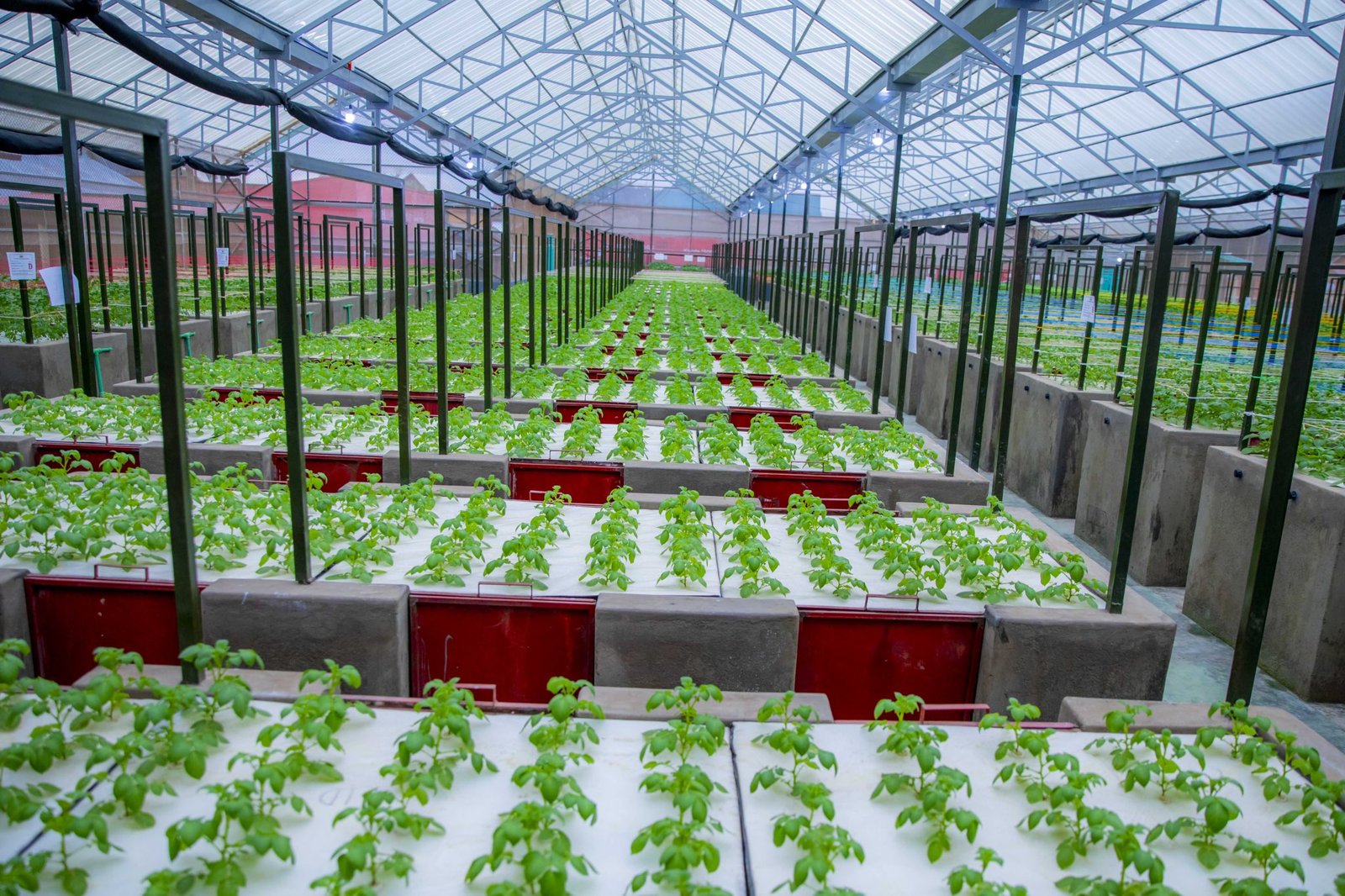
In Rwanda, where potato consumption exceeds 100 kg per person per year, yields remain low mainly because farmers recycle their own tubers and lack access to high-quality seed. A poster by Evariste Nsabimana (Seed Potato Fund Joint Venture Ltd, Musanze) and Dr Dinah Borus (International Potato Center, CIP) describes how aeroponic technology has changed the country’s early generation seed system.
From a pilot to more than six facilities
The Rwanda Agriculture and Animal Resources Development Board (RAB), together with CIP, introduced aeroponic rapid multiplication in 2010/2011. The first pilot unit, with a capacity of 9,000 plantlets, was set up at RAB’s Musanze Station. Today there are more than six aeroponic facilities in the country, four private and two public, with a combined capacity of 46,000 plantlets and over 2.1 million minitubers per cropping season.
Five times more minitubers per plant
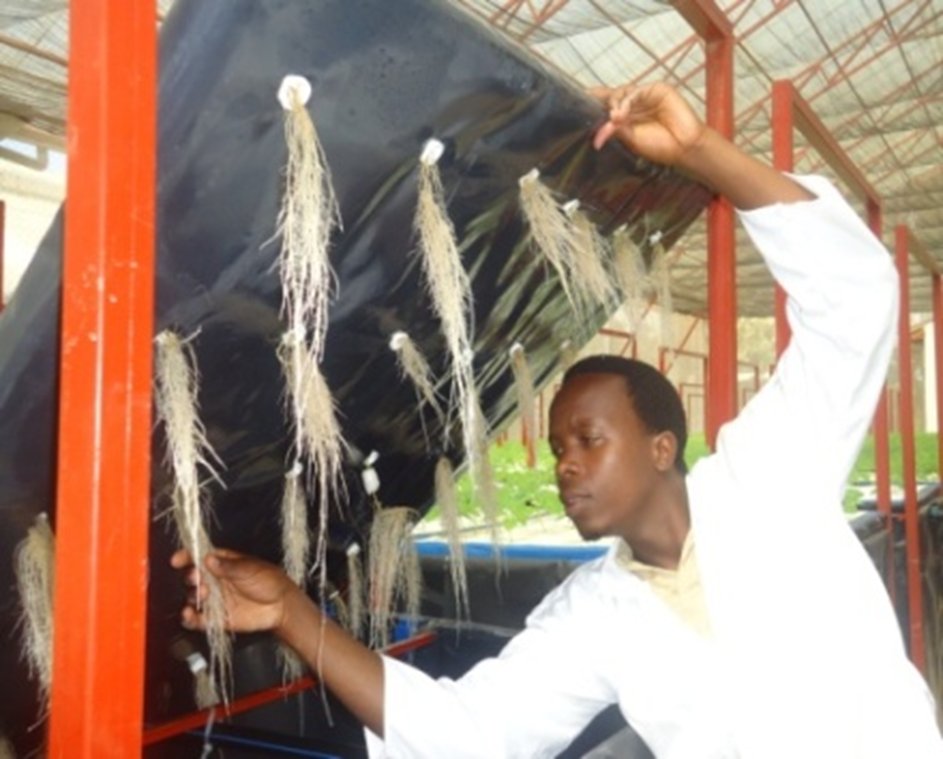
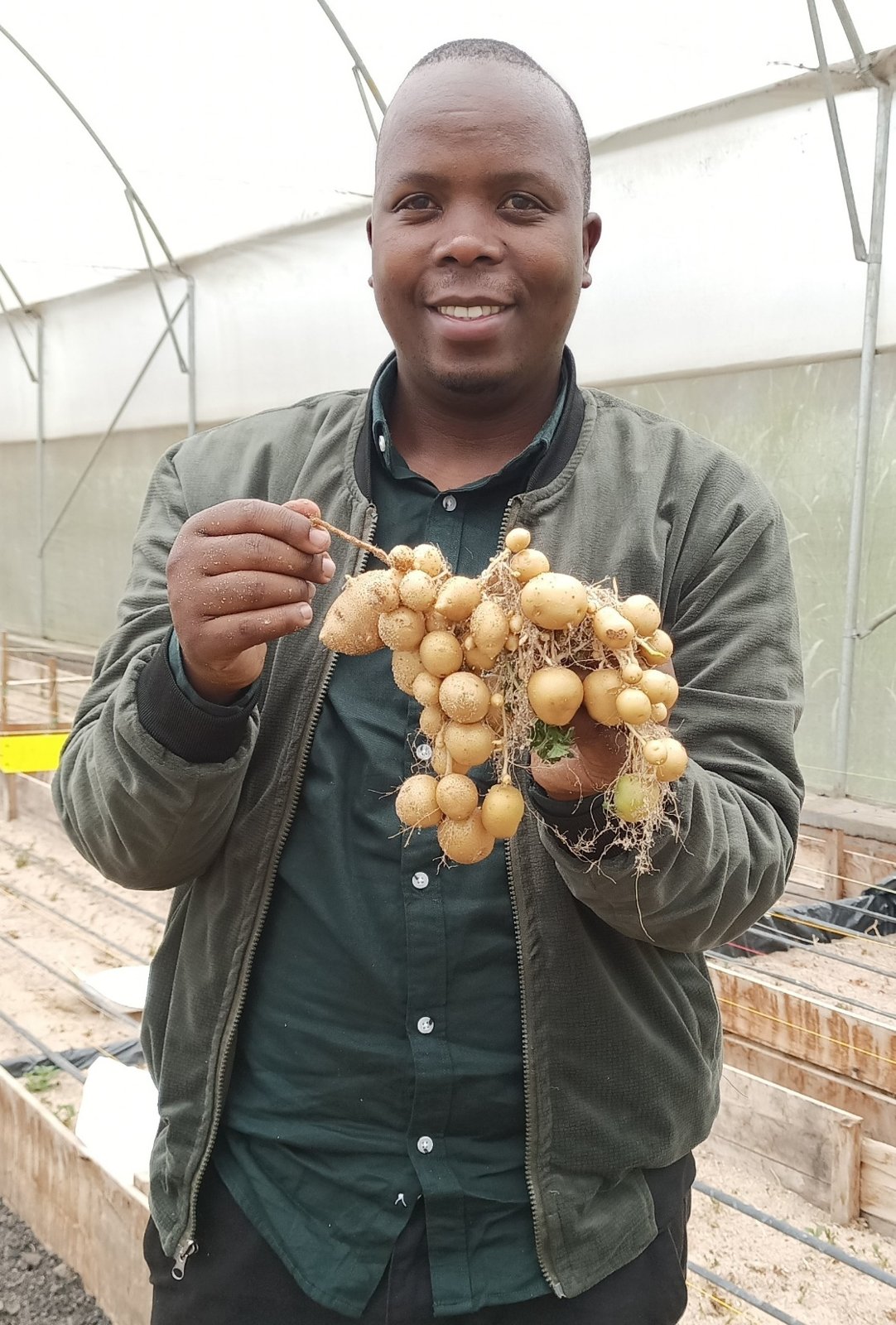
According to the poster, aeroponics gives about 50 minitubers per plantlet, compared with fewer than 10 under traditional greenhouse conditions. Plants grow in a nutrient mist without substrate, while conventional greenhouse multiplication requires sterilised soil, which raises operational costs and creates negative environmental impacts.
Weekdays. Unsubscribe in one click.

The Seed Potato Fund facility
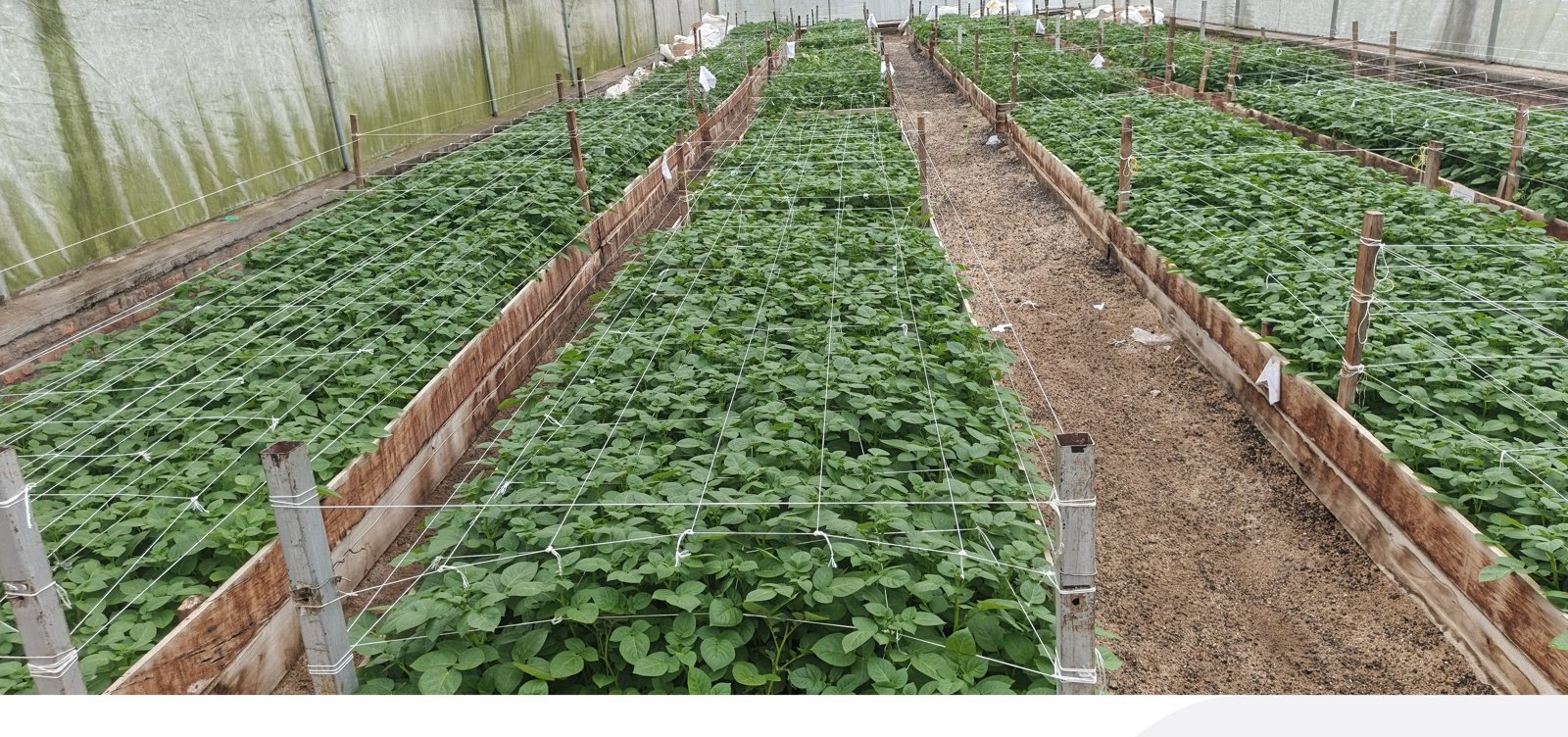
The Seed Potato Fund Ltd (SPF) runs a mega aeroponic facility that produces over 1 million minitubers a year, enough for about 24 hectares. It is capable of producing about 300 tonnes of pre-basic seed and over 50,000 tonnes of certified (CII) seed.
The authors’ conclusion
Rwanda’s experience shows how institutional commitment, collaborative research and technological innovation can transform a seed system: aeroponics has accelerated the multiplication of disease-free early generation seed, increased farmers’ access to quality seed and boosted potato productivity nationally.
WHY IT MATTERS
For seed growers and traders, the Rwandan case shows that a national early generation seed system can be scaled from a single 9,000-plantlet pilot to more than 2.1 million minitubers per season within about 15 years, with private companies running most of the capacity. Seed quality is a bottleneck across the region: in East Africa only about 4% of farmers use quality seed potato, and countries such as Niger still import 8,000–9,000 tonnes of seed a year.
Authors: Evariste Nsabimana (Seed Potato Fund Joint Venture Ltd, Musanze, Rwanda), Dr Dinah Borus (International Potato Center, CIP). Sources named on the poster: RAB and CIP aeroponics programme reports; SPF production records. Based on a poster presented at the World Potato Congress in Kenya. Photos: Evariste Nsabimana, published with his permission.
Published with the consent of the poster’s first author, Evariste Nsabimana.