Kenya: Rooted Apical Cuttings Produce Up to 45 Tubers per Cutting in Farmer-Managed Demos
A partnership led by ASARECA tested rooted apical cuttings of three varieties in Nyandarua and Nakuru; demo plots produced 105,622 basic seed tubers, which the authors project could cover 67 acres within a year.
A partnership led by ASARECA with KALRO, the National Potato Council of Kenya, Egerton University and FIPS-Africa tested rooted apical cuttings (RACs) of three farmer-preferred varieties in Nyandarua and Nakuru. The demonstration plots produced 105,622 basic seed tubers, enough, according to the authors’ projection, to cover 67 acres within one year.
Why it matters
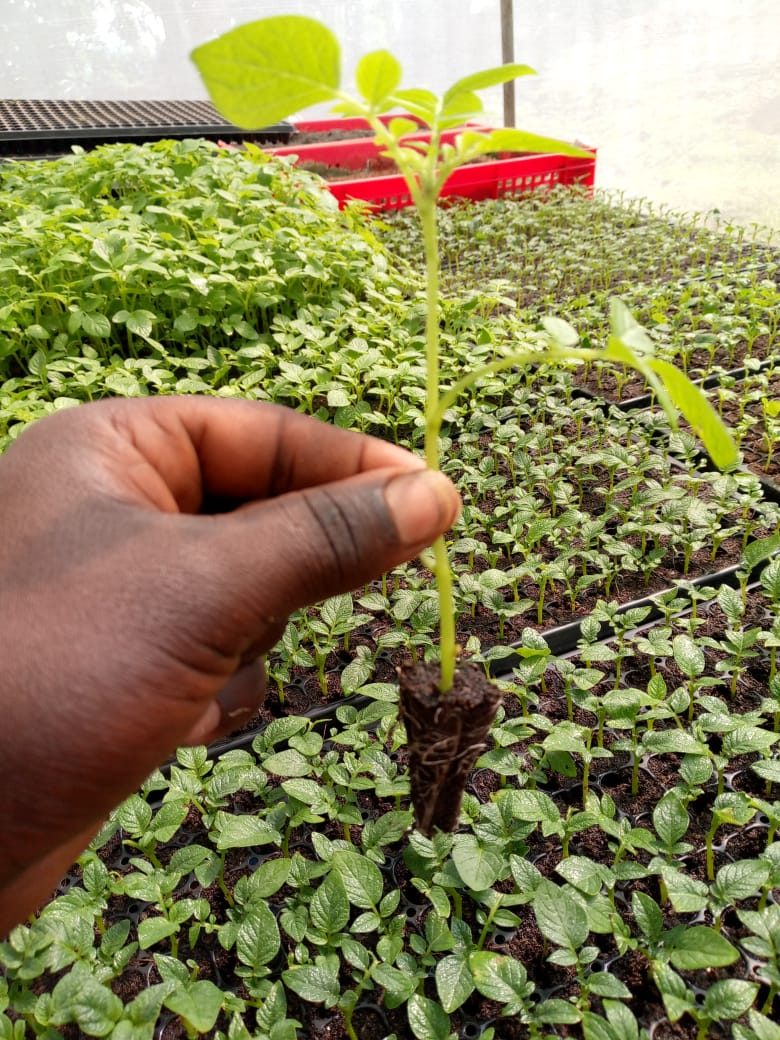
The poster states that potato is Kenya’s second most important food crop, but smallholder productivity is undermined by limited access to certified seed. Farmers recycle degenerated tubers, leading to soil-borne diseases and yields of only 5–7 tubers per plant. RACs offer a decentralised, rapid multiplication system.
What was done
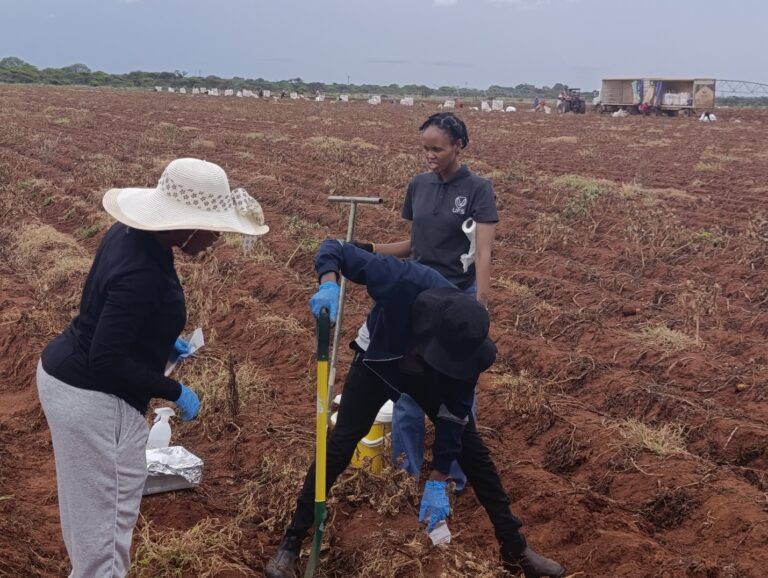
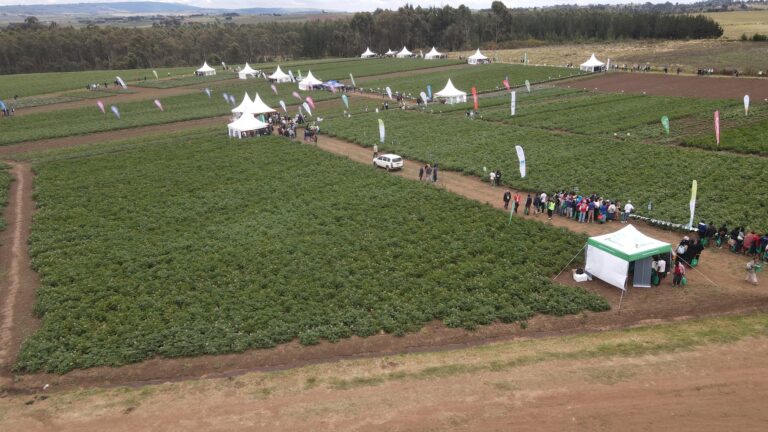
- RACs of Shangi, Wanjiku and Unica were distributed to cooperatives that set up farmer-managed demonstration plots in Nyandarua and Nakuru counties.
- 6,279 cuttings were planted on demo plots of 0.33 acres per county, May–August 2025.
- Cooperatives were trained in good agronomic practices; joint evaluations with partners took place 3.5 months after planting.
Results
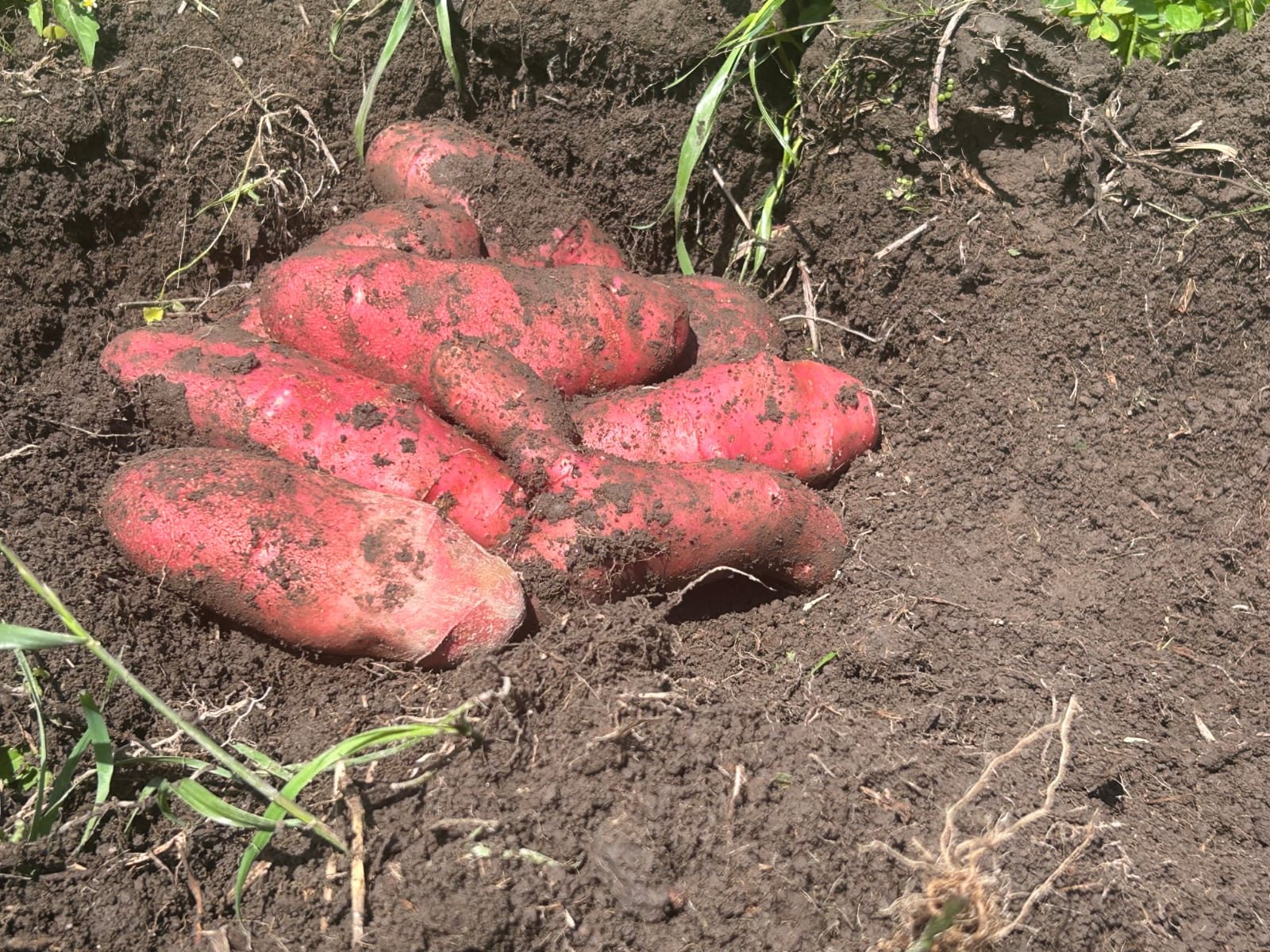
- RACs produced an average of 15 to 25 tubers per cutting, compared with 5 to 10 tubers per plant from minituber technology; Wanjiku, Shangi and Unica outperformed recycled seed.
- Tubers per cutting (minimum–maximum): Wanjiku 20–45, Shangi 14–25, Unica 10–20; recycled seed 5–7 tubers per plant.
- 105,622 basic seed tubers were generated from the initial 0.33 acres per site.
- Planted on 6 acres the next season, these tubers could potentially yield 1,213,476 certified-seed tubers covering 67 acres within one year (projection).
- Seed from RACs has high yield potential for four consecutive generations (Basic – C1 – C2 – C3); RACs also performed well under rainfed conditions.
The authors’ conclusion
RAC technology, delivered through institutional partnerships, offers a climate-smart, localised seed multiplication model. It can bypass commercial seed bottlenecks and strengthen smallholder resilience and potato value chains in Kenya.
Weekdays. Unsubscribe in one click.
Authors: Joshua Okonya, Julian Barungi, Elias Kamau, Henry Chemjor, Hilary Bett and James Ngugi. Organisations listed: Association for Strengthening Agricultural Research in Eastern and Central Africa (ASARECA), Entebbe, Uganda; Uganda National Academy of Sciences, Kampala, Uganda; Kenya Agricultural and Livestock Research Organization (KALRO), Nairobi, Kenya; National Potato Council of Kenya (NPCK), Nairobi, Kenya; Egerton University, Nakuru, Kenya; FIPS-Africa, Nairobi, Kenya. Based only on poster P521 presented at the World Potato Congress 2026 in Kenya.
Published with the consent of the poster’s lead author, Joshua Okonya (ASARECA).