Egypt: Growers’ Union and Ministry Move to Expand Local Seed-Potato Production to Cut Imports
Following directives from Agriculture Minister Alaa Farouk, Egypt's horticultural producers' union and state agencies agreed to survey farmers' seed needs and set up demonstration fields for locally produced seed.
Egypt’s horticultural producers and exporters are working with state agencies to expand local production of seed potatoes and gradually reduce the country’s dependence on imported seed, according to reports in Youm7, ElBalad and Aswaq Information between 18 and 23 September.
The initiative is led by the General Union of Horticultural Producers and Exporters, chaired by Dr Alaa Azzouz. It follows directives from Agriculture Minister Alaa Farouk to support the expansion of seed production inside Egypt.
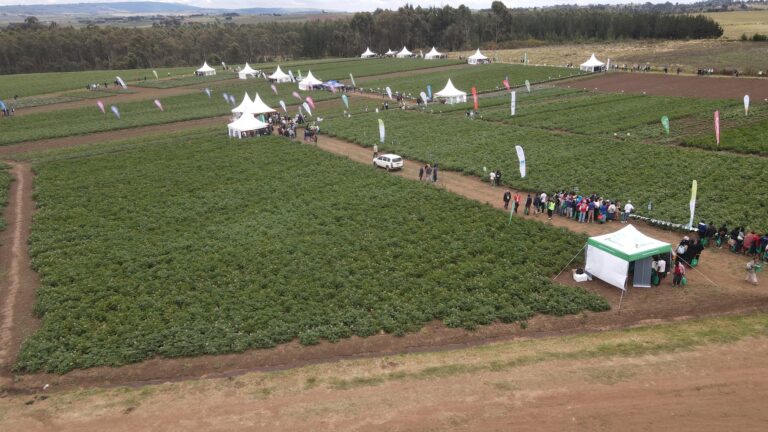
At a meeting in Nubariya with the Land Reclamation Sector, headed by Dr Nageh Fawzi, the parties agreed on three steps: to survey farmers’ needs by variety and quantity, to set up demonstration fields to test locally produced seed under Egyptian conditions, and to coordinate the bodies involved in production and distribution.
Weekdays. Unsubscribe in one click.
A separate seminar held on 23 September at the Giza Agriculture Directorate, together with the Horticultural Research Institute, stressed that seed production programmes should match the varieties, quantities and planting dates that farmers actually need.
None of the reports gives figures for planned seed volumes, areas or a timetable. The stated aim is a gradual reduction of import dependency rather than a fixed target.
The move comes as Egypt’s potato sector adjusts its export portfolio towards more stress-tolerant varieties, a trend potatoes.news reported earlier this month (read more). Local seed production would have to supply those varieties in sufficient quantity and at certified health standards to replace imports.
Demonstration fields are the first practical step: they allow growers to compare locally multiplied seed with imported seed in their own conditions before committing to it. The survey of farmers’ needs by variety is intended to align production with what growers actually plant.
Why it matters
Egypt relies on imported seed potatoes, which is why the stated aim is a gradual cut in import dependency; a government-backed programme to replace part of that supply would affect exporting countries in the medium term. For Egyptian growers, locally produced seed is only an option if its quality and availability match imported seed — something the planned demonstration fields are meant to test.
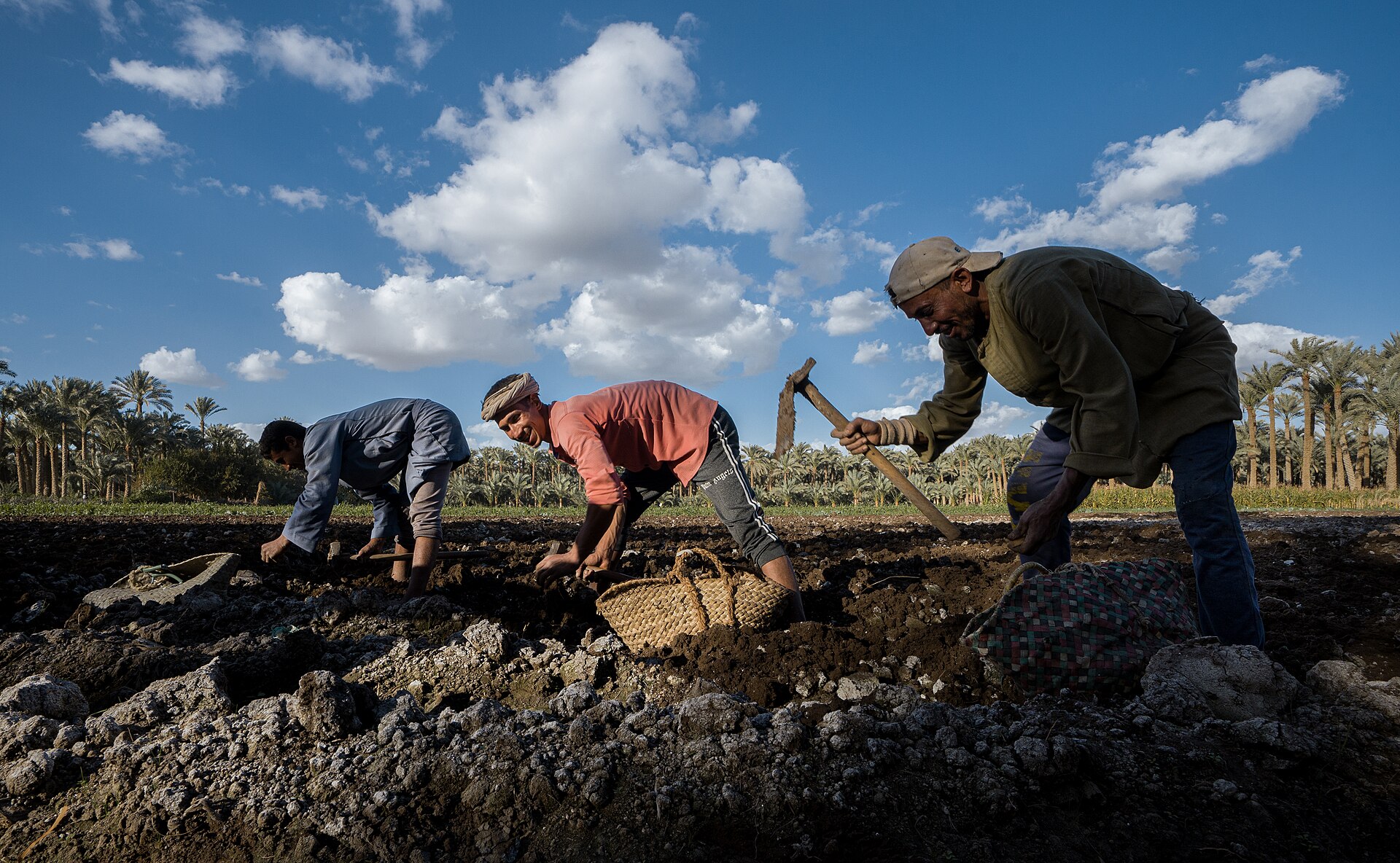
Photo: Potato cultivation (illustrative). Yousef Naser Mohamed Mohamed / Wikimedia Commons, CC BY-SA 4.0