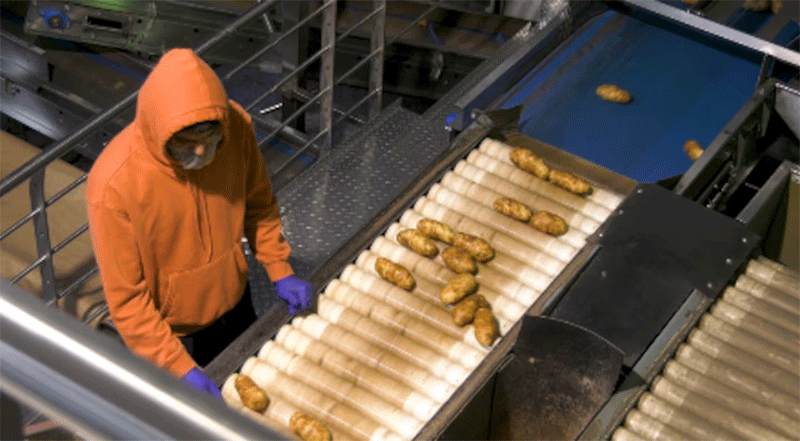
The United States has introduced stricter import regulations for fresh potatoes from Canada’s Prince Edward Island (PEI) following the detection of potato wart in soil samples this spring, though no symptomatic potatoes were found. The USDA stopped short of a full ban—urged by the National Potato Council and 13 regional grower groups, who warned of devastating economic impacts on the US industry worth over $100 billion annually—but instead updated phytosanitary measures effective October 5. These changes require US facilities importing bulk PEI potatoes (over 23 kg containers) to sign compliance agreements on waste disposal, ban culled potatoes from animal feed, mandate landfill disposal, and expand traceability labelling for repackaged small lots. PEI growers argue the risk is minimal, with no infected potatoes leaving the island in four years, and point to existing washing, treatment, and certification protocols that already meet US standards.
Local producers like Alex Docherty of Skye View Farms dismiss the restrictions as protectionist, claiming the scientific risk of exporting wart is negligible compared to past shutdowns that cost the industry over $50 million and forced destruction of 250 million pounds of potatoes in 2021. While the PEI Potato Board and Canadian Potato Council continue negotiating with USDA regulators, hoping to roll back some requirements before enforcement, they acknowledge added costs for American buyers and Puerto Rican operators. The move reignites a two-decade-old trade dispute, with Canadian officials emphasizing that regulated fields have never exported product, while US industry groups insist on zero tolerance to protect domestic agriculture.