Bangladesh: Better Seed Helps Indigenous Farmers in the Chittagong Hill Tracts Grow Potatoes
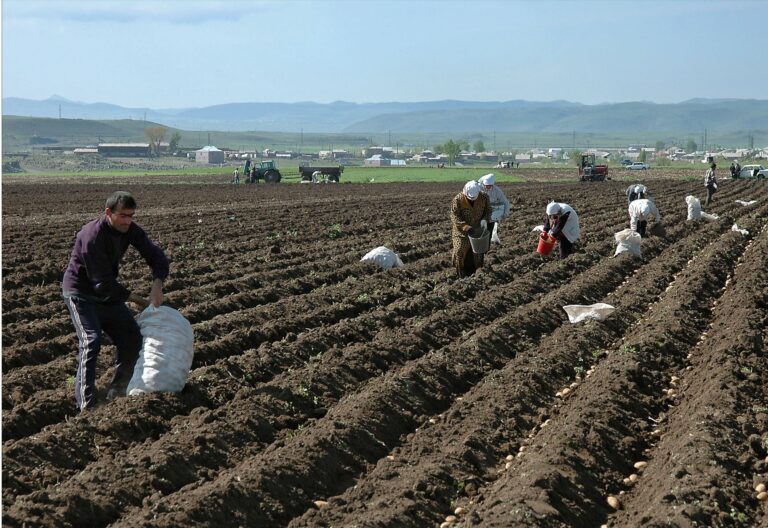
In the hills of south-eastern Bangladesh, a community development programme is helping indigenous farmers grow potatoes with better seed, loans and training. The poster describes three seed approaches – positive selection, hybrid true potato seed and apical rooted cuttings – and reports gains in food availability, income and women’s empowerment.
Why it matters
The Community Development Program for the Hill Tracts Underprivileged People (CDPHUP) promotes sustainable potato cultivation among rural and mountain indigenous farmers. According to the poster, the region has only one potato growing season, from November to March, and improved seed production is key to better livelihoods.
What was done
Through on-farm trials, the CDPHUP project helped farmers adopt modern potato practices: BADC certified seed compared with seed produced from locally collected material, late blight control and protective fungicide spraying, positive selection for seed potatoes, and fertilizer management. The programme’s interventions included:
Weekdays. Unsubscribe in one click.
- loans and financial support for seed, inputs and production;
- regular training on improved cultivation, disease management and post-harvest handling;
- improved practices and technologies: certified seed, balanced fertilization, late blight control, positive selection and improved storage;
- livelihood diversification through vegetables, livestock and agribusiness;
- market linkages and value-added potato products.
Three seed approaches were tried: positive selection of the best healthy plants in farmers’ fields, for both native “deshi alu” potatoes and imported European varieties; hybrid true potato seed (TPS) from Tripura, India, grown as seedlings for transplanting; and apical rooted cuttings.
Results
- Positive selection of healthy plants leads to a good, uniform crop in the next generation.
- Healthy seed potatoes were harvested from hybrid TPS.
- Early efforts with apical rooted cuttings still need to be refined for local conditions, where maximum and minimum temperatures range from 28°C/15°C in November to 30°C/25°C in July.
- The poster reports impacts on food security: improved food availability, improved yield and income, and women’s empowerment through livelihoods, marketing and income generation.
The authors’ conclusion
People in the region prefer to eat “deshi alu” because of its taste and eating quality, and improved seed production is key to improved livelihoods.
Authors: Tarun Tripura, Ananta Tripura and Peter VanderZaag, Community Development Program for the Hill Tracts Underprivileged People (CDPHUP), Bangladesh. Supported by Sunrise Potato Systems Institute. Based only on a poster presented at the World Potato Congress 2026 in Kenya.
Published with the consent of co-author Peter VanderZaag, who confirmed that the article reflects the poster.