Finnish Potato Breeding: The Legacy of Pito, Kulta, and Other Notable Varieties
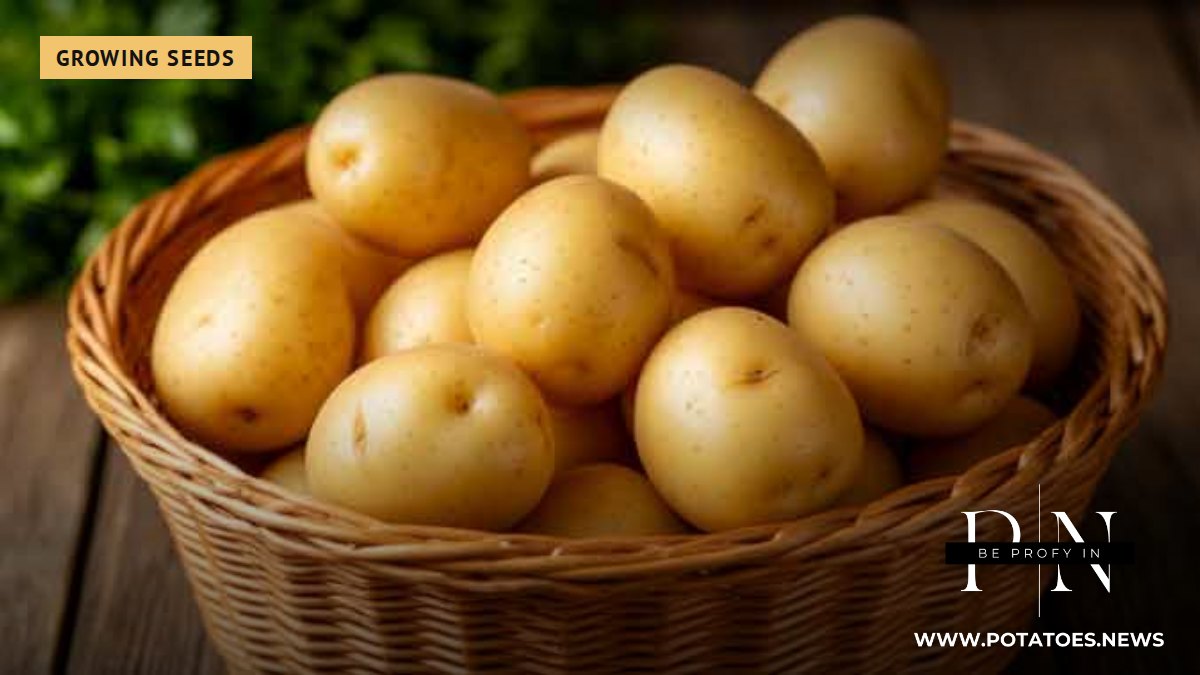
Finland has developed several well-known potato varieties, with Pito and Kulta standing out as the most significant achievements of the country’s breeding programs. These varieties emerged from systematic Finnish breeding efforts that were actively pursued throughout the 20th century, primarily at the research station in Jokioinen. Among the key varieties, Pito is perhaps the most famous Finnish potato, created by breeder Onni Pohjahaimo in 1954 through crossing Golden Wonder and Ella. It was released for sale in 1964 and quickly gained popularity due to its excellent taste qualities—it is mealy with yellow flesh and a pleasant flavor that aligns with Finnish culinary preferences. At its peak popularity through the late 1980s, it dominated cultivation in the Kuopio, Mikkeli, and Central Finland regions. However, its main drawback was susceptibility to viral diseases, which gradually led to its decline. Kulta was also developed by Onni Pohjahaimo, originating from a cross between T 5 and a hybrid (Goldwährung x Ella), though less information is available about this variety.
Beyond these two prominent varieties, other breeders contributed significantly to Finnish potato cultivation. In the 1950s, breeder Oskari Kytilä created several varieties from a single cross of Ruusulehti x Ben Lomond (1944), including Oskari (a late variety with red-purple flowers and light skin), Kaisa (a medium-late variety similar to its Scottish parent Ben Lomond), and Marja (distinguished by elongated tubers). Osmo (OP-004), developed by Onni Pohjahaimo in 1977 and released in 1990, holds particular interest as possibly the first Finnish variety “born in the city”—its ancestor sprouted from a seed on a balcony of an urban apartment. This table variety features bright yellow flesh that holds its shape well when boiled, but it never achieved widespread commercial distribution and remained primarily for private gardening. Peippo (Jo 059), with red-purple flowers and yellow skin, resulted from crossing the local Kalev variety with Jo 03. In the 1960s, among new Finnish varieties, Jaakko and its clone Jaakko Clone 0122 stood out for their high yields and disease resistance. Other varieties such as Hankkijan Tanu (a starchy variety) and Hankkijan Timo (an early table variety) were also developed, contributing to Finland’s rich potato breeding heritage.