Russia Accelerates Development and Certification of New Domestic Potato Varieties in 2026
Key takeaways
- 60-65 t/ha is the potential irrigated yield of Alfa
- 4 regions are now approved to grow the two-toned Mira
- 11 varieties reach super-elite seed status in Stavropol
- 2 heat- and drought-tolerant varieties bred at Gorsky Univ
Why it matters
- For farmers
- Farmers in the Volga-Vyatka region and the four regions cleared for Mira can add these newly registered varieties to next season's seed choices.
- For suppliers
- Seed producers should track Alfa's State Commission testing and the scale-up of super-elite multiplication for the 11 certified varieties.
60-second summary
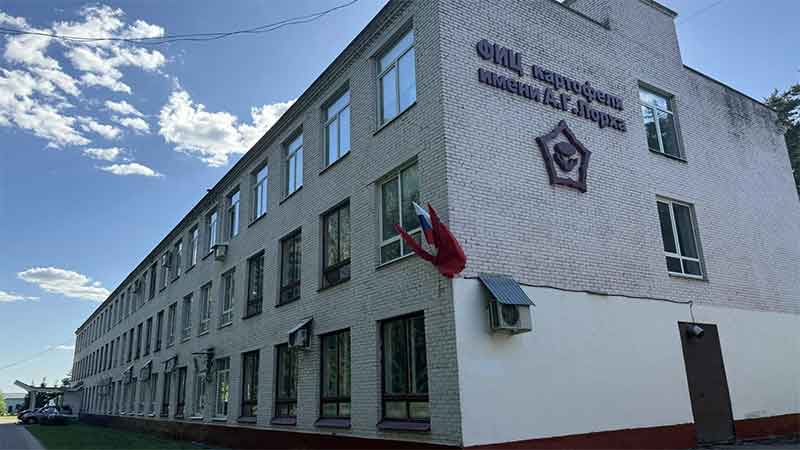
Russia pushed ahead in 2026 with breeding and certifying new domestic potato varieties. The Federal Research Center of Potato named after Lorkh developed a mid-early variety, Alfa, with red skin, yellow flesh, virus resistance, and a potential yield of 60-65 t/ha under irrigation, now submitted to the State Commission for testing. The State Register of Breeding Achievements also gained Konkurent and Shudbur for the Volga-Vyatka region, plus Mira, a two-toned variety from Krasnoyarsk State Agrarian University now approved in four regions. Gorsky State Agrarian University bred Farn and Adeon, built to withstand heat, drought, and viruses. On seed production, Rosselkhoztsentr is certifying seed-growing farms in Stavropol Krai, where the Meristemnye Kultury greenhouse complex is producing super-elite seed potatoes across 11 varieties, including Valentina and Volzhanin. Together, this points to a national push to strengthen Russia's seed supply and cut reliance on imports.
In 2026, Russia is actively advancing the creation and certification of new domestically bred potato varieties. The Federal Research Center of Potato named after Lorkh has developed a new mid-early variety, “Alfa,” distinguished by its red skin, yellow flesh, resistance to viruses, and potential yield of up to 60–65 t/ha under irrigation; the variety has already been submitted to the State Commission for testing. Several other new varieties have been added to the State Register of Breeding Achievements, including “Konkurent” and “Shudbur” for the Volga-Vyatka region, and “Mira,” a two-colored-skin variety from Krasnoyarsk State Agrarian University approved for cultivation in four regions. Meanwhile, scientists at Gorsky State Agrarian University have bred “Farn” and “Adeon,” varieties resistant to heat, drought, and viruses, addressing the needs of hotter climates.
Alongside breeding efforts, seed production and certification continue to expand. In Stavropol Krai, Rosselkhoztsentr is continuing the certification of seed-growing farms, with the greenhouse complex “Meristemnye Kultury” producing healthy seed potatoes (super-elite) of 11 varieties, including Valentina, Volzhanin, and others. This combined push — from new variety development to certified mini-tuber production — reflects a broader national effort to strengthen Russia’s domestic seed supply, reduce reliance on imported planting material, and ensure reliable yields across diverse climatic zones.
Global Potato Brief
Top five stories, prices, disease alerts and events. Weekday mornings, no advertising.
What next
Alfa now goes through State Commission testing before it can be registered for wider use, while Rosselkhoztsentr continues certifying seed farms in Stavropol Krai.
Linked in this material
- Country
- Russia
- Companies
- Meristemnye Kultury
- Sections
- Growing seedsNewsSeeds
Related stories
Russian Potato Breeders Validate 11 Domestic Varieties in Moscow Region Greenhouse Trial
India: Punjab Sets Firm Planting and Haulm-Cutting Deadlines for Seed Potatoes to Keep Aphid-Borne Viruses Out