Belarusian Potato Sector: New Varieties and Cutting-Edge Technologies
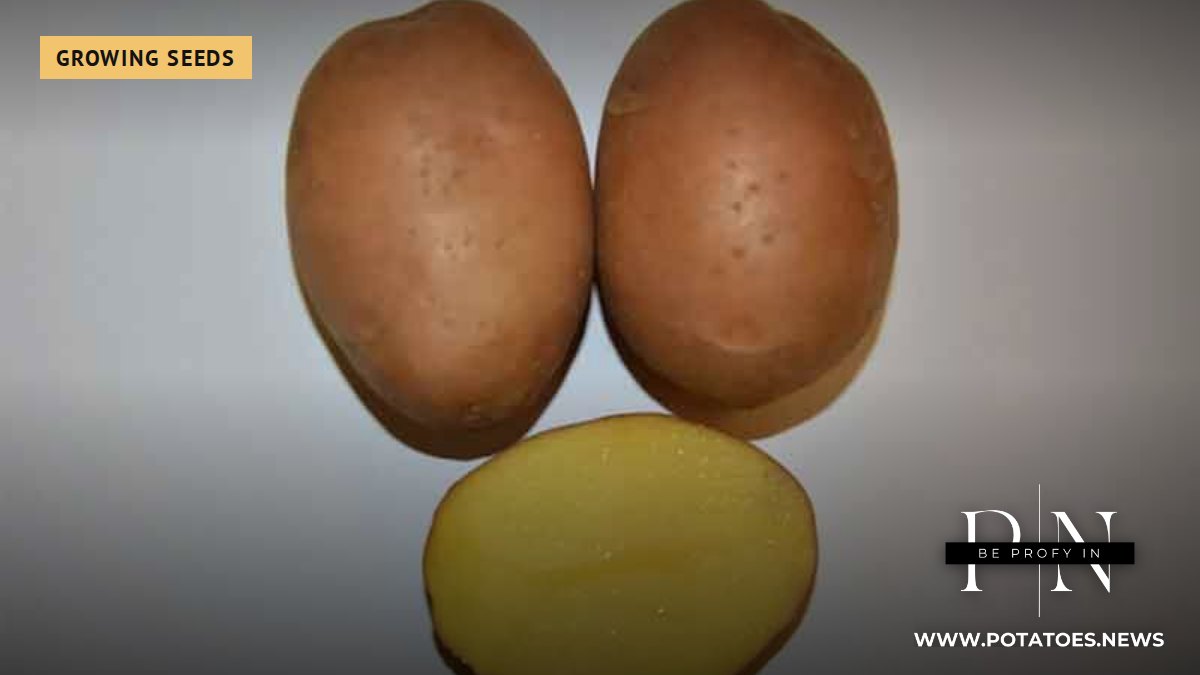
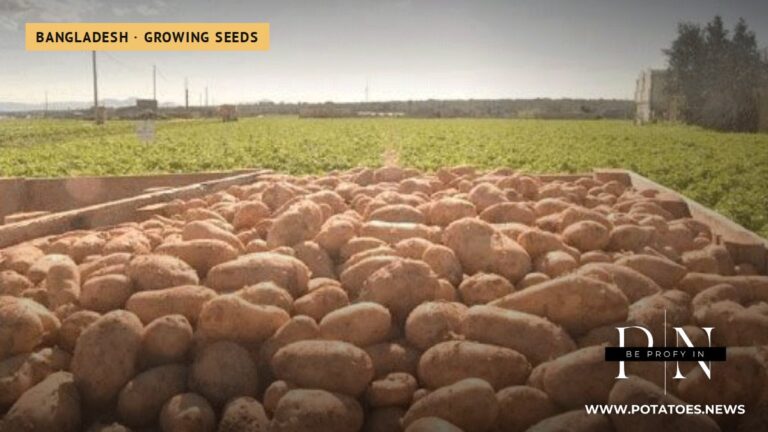
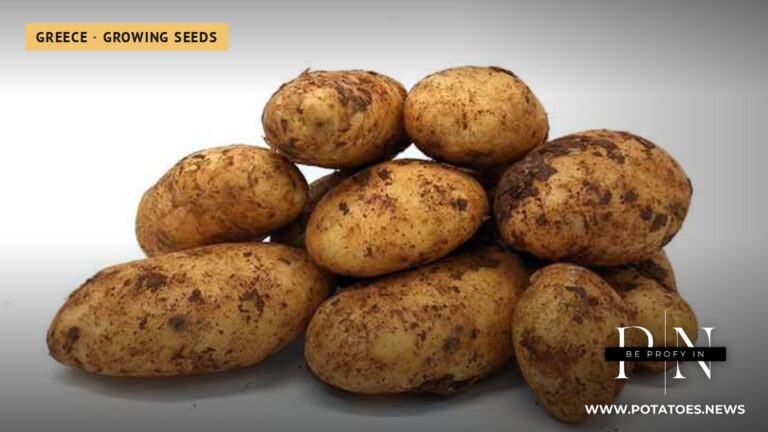
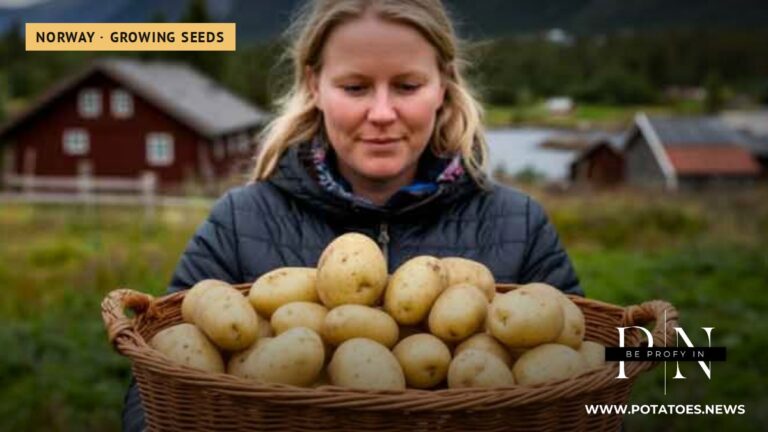
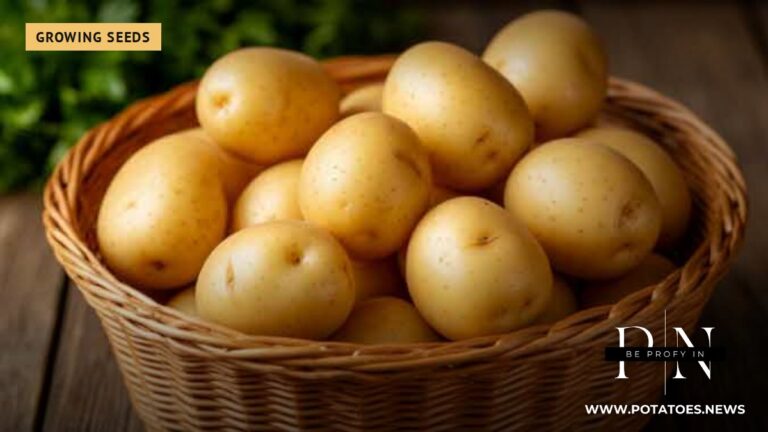
Belarus has recently intensified its efforts in potato breeding and cultivation, introducing high-yielding, high-starch varieties and adopting advanced biotechnological tools. Among the most notable new cultivars are Umka and Krasavik, both ultra-early table potatoes with yields reaching 698 and 604 c/ha respectively, and Boyarsky, which set a record with up to 24% starch content and yields exceeding 70 t/ha. Other promising varieties include Vodar (suitable for dried mashed potato production), Mastak (high-starch, resistant to potato virus Y), and Pershatsvet (very early, resistant to wart and nematode). Alongside traditional breeding, researchers are developing potato varieties with coloured flesh (red, blue, purple) rich in anthocyanins and carotenoids, positioning them as functional, non-GMO “healthy” products.
On the technological side, Belarus is pioneering several innovations. The Research and Practical Centre of the National Academy of Sciences for Potato Growing has shifted to aeroponic systems for mini-tuber production, achieving 2.5 times faster propagation and producing 1.2 million micro-tubers annually with 98.4% virus-free purity. In a national first, the Institute of Genetics and Cytology used CRISPR/Cas9 genome editing to knock out susceptibility genes (StDMR6-1 and StCHL1) in the Yulia, Pershatsvet, and Krasavik varieties, conferring resistance to late blight. Additionally, advanced farms such as Agro-Motol operate their own microclonal propagation laboratories, supplying elite seed material for up to 40% of planting areas. The country has also produced the CIS’s first six-row potato planter, capable of sowing 25 hectares per day, and is introducing fully automated post-harvest lines with photo-separators and vacuum packaging. Belarusian varieties are also proving their worth abroad: in Russia’s Astrakhan region, ten cultivars achieved an average yield of 40 t/ha under arid conditions, while in the Komi Republic, electromagnetic seed treatment boosted yields by 20% and reduced storage losses.