
A Technological Revolution in Seed Production: Aeroponics and Tissue Culture Transform India’s Potato Sector
Key takeaways
- Aeroponics yields 7-10x more mini-tubers per plant vs soil
- 14 firms licensed to run India's aeroponic seed technology
- Licensed firms already make 6.5 million mini-tubers a year
- Tissue culture cuts seed field time by at least two years
Why it matters
- For farmers
- Farmers can look for aeroponics-grown seed from the 14 licensed producers to get cleaner, higher-multiplication planting material than the old field-based system.
- For suppliers
- Seed suppliers can license ICAR-CPRI's aeroponic and tissue-culture technology, already running at 14 firms producing 6.5 million mini-tubers a year at half capacity.
- For investors
- Investors can note aeroponic seed multiplication is commercial and licensable now, with 14 firms live and room to scale beyond half capacity.
60-second summary
ICAR-CPRI is scaling a high-tech seed system to fix India's chronic shortage of certified potato seed, after a 50-year-old traditional method kept breaking down at the early multiplication stage. Tissue culture now starts with virus-free in-vitro mother plants, cutting field time by at least two years and lowering disease risk; over 20 such labs already run nationwide. The bigger leap is aeroponics, where roots hang in air and are misted with nutrients instead of grown in soil, yielding 7-10 times more mini-tubers per plant than conventional protected cultivation, avoiding soil-borne infection, saving water and nutrients, and cutting cost per mini-tuber below the traditional 5-6 rupees. The technology is already commercial: 14 licensed firms across states including Uttar Pradesh, West Bengal, Punjab and Haryana produce about 6.5 million mini-tubers a year at half capacity. ICAR-CPRI plans further expansion with universities, Krishi Vigyan Kendra centres and private entrepreneurs.
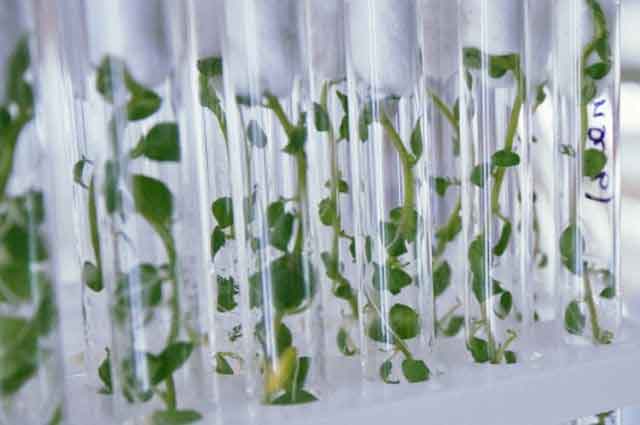
In parallel with its efforts to develop specialised varieties, ICAR-CPRI is advancing a high-tech seed production system designed to tackle a long-standing problem in India — the shortage of certified seed potatoes. The traditional method, which had been in use for more than 50 years, frequently broke down in its early stages, resulting in a chronic lack of quality planting material. The new system rests on two core components. The first is tissue culture and micropropagation: the process begins with the production of virus-free in vitro cultures (mother plants), which shortens the time seed material spends in the field by at least two years, significantly reducing the risk of disease infection and accelerating multiplication. More than 20 laboratories producing such cultures have already been established across the country. The second component is aeroponics, the most advanced technology introduced by ICAR-CPRI. In this method, plant roots are suspended in the air and periodically sprayed with a nutrient mist, with no soil involved. This offers enormous advantages over conventional mini-tuber production in protected conditions: yields of 7–10 times more mini-tubers per plant, the elimination of soil contact and thus of soil-borne infections, savings in water and nutrients, the ability to harvest tubers of the desired size several times over, and a substantially lower cost per mini-tuber compared with the 5–6 rupees typical of the traditional system.
The technology has already been commercialised: licences have been granted to 14 firms across various states, including Uttar Pradesh, West Bengal, Punjab and Haryana. Even operating at half capacity, these firms produce around 6.5 million mini-tubers annually. To scale the technology further, ICAR-CPRI plans to collaborate with agricultural universities, Krishi Vigyan Kendra (KVK) technology transfer centres and private entrepreneurs throughout the country. Together, these two directions — the breeding of specialised varieties and the industrial production of healthy seed — work in tandem to supply Indian farmers with quality planting material and to strengthen the resilience of the entire sector.
Global Potato Brief
Top five stories, prices, disease alerts and events. Weekday mornings, no advertising.
What next
ICAR-CPRI plans to expand adoption via agricultural universities, KVK technology-transfer centres and private entrepreneurs; no timeline is given.
Sources
- ICAR-CPRI (Central Potato Research Institute) — described in the article as developer/licensor of the technology; no external report cited.
Linked in this material
- Country
- India
- Technologies
- Aeroponics; tissue culture; micropropagation
- Sections
- Growing seedsNewsSeeds