The Potato Research Institute in Niğde has harvested a new crop of minitubers. The tubers were grown in a soilless hydroponic system. They belong to the super-elite class, the top level of seed multiplication. The local newspaper Hamle reported the harvest on 21 September.
The minitubers come from registered domestic varieties and from candidate varieties. The institute is part of the Ministry of Agriculture and Forestry.
Aims of the work
Director Uğur Pırlak said the institute continues to work, produce and add value without a break. According to Hamle, the work has several goals:
- reduce dependence on imported seed potatoes
- develop domestic varieties
- produce quality seed material
- use more environmentally friendly production methods
The TR Haberleri site reported the harvest on 22 September. It said the system allows production 365 days a year. Neither report gives the number of minitubers harvested.
Not the first such system
TR Haberleri called the system a first in Turkey. Earlier reports do not support that claim. On 12 October 2025, the DHA news agency described soilless production at the same institute.
According to DHA, the institute then used three systems: aeroponic, hydroponic and soil-based. It produced 2 million minitubers a year. One plant gave 100–150 minitubers in the aeroponic system and 50–60 in the hydroponic system.
DHA also reported that the institute had developed 11 domestic varieties. It had transferred 8 of them to the private sector.
Why it matters
Turkey still relies on imported seed potatoes for part of its crop. Clean minitubers are the starting point of any domestic seed chain. More minitubers of local varieties can shorten the path to certified seed for growers.
The new harvest shows the programme is continuing. But without volumes, its impact on the seed supply cannot yet be measured. Seed companies licensing the domestic varieties should ask the institute for planned minituber volumes for next season.
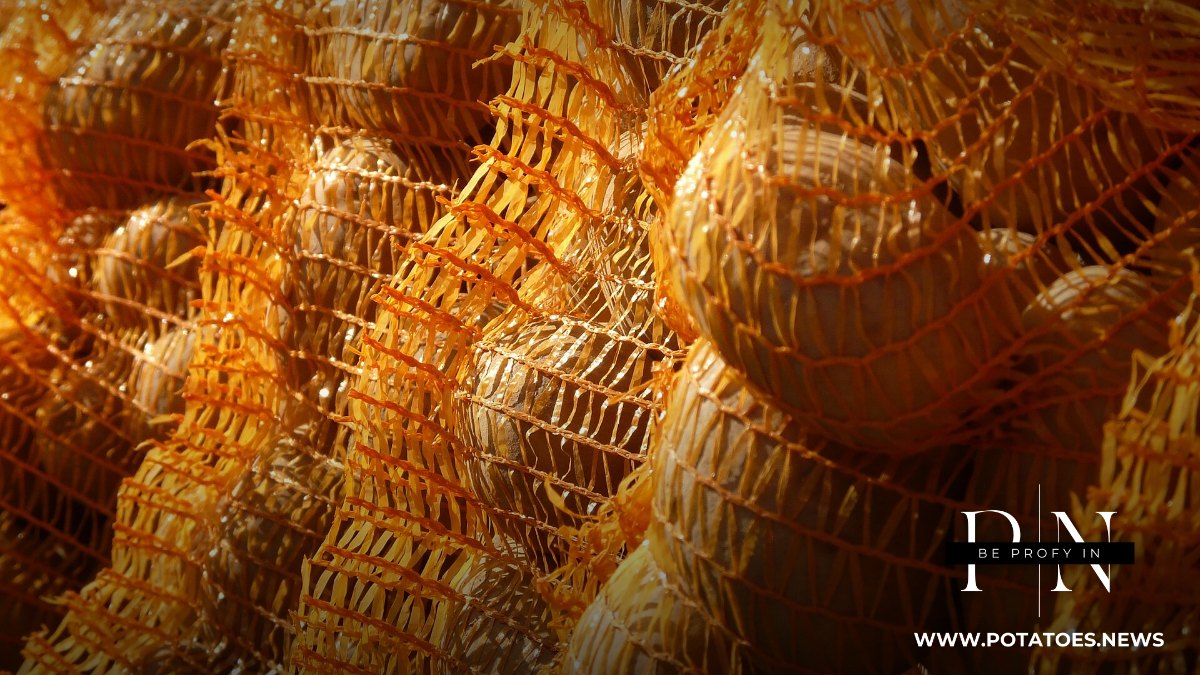
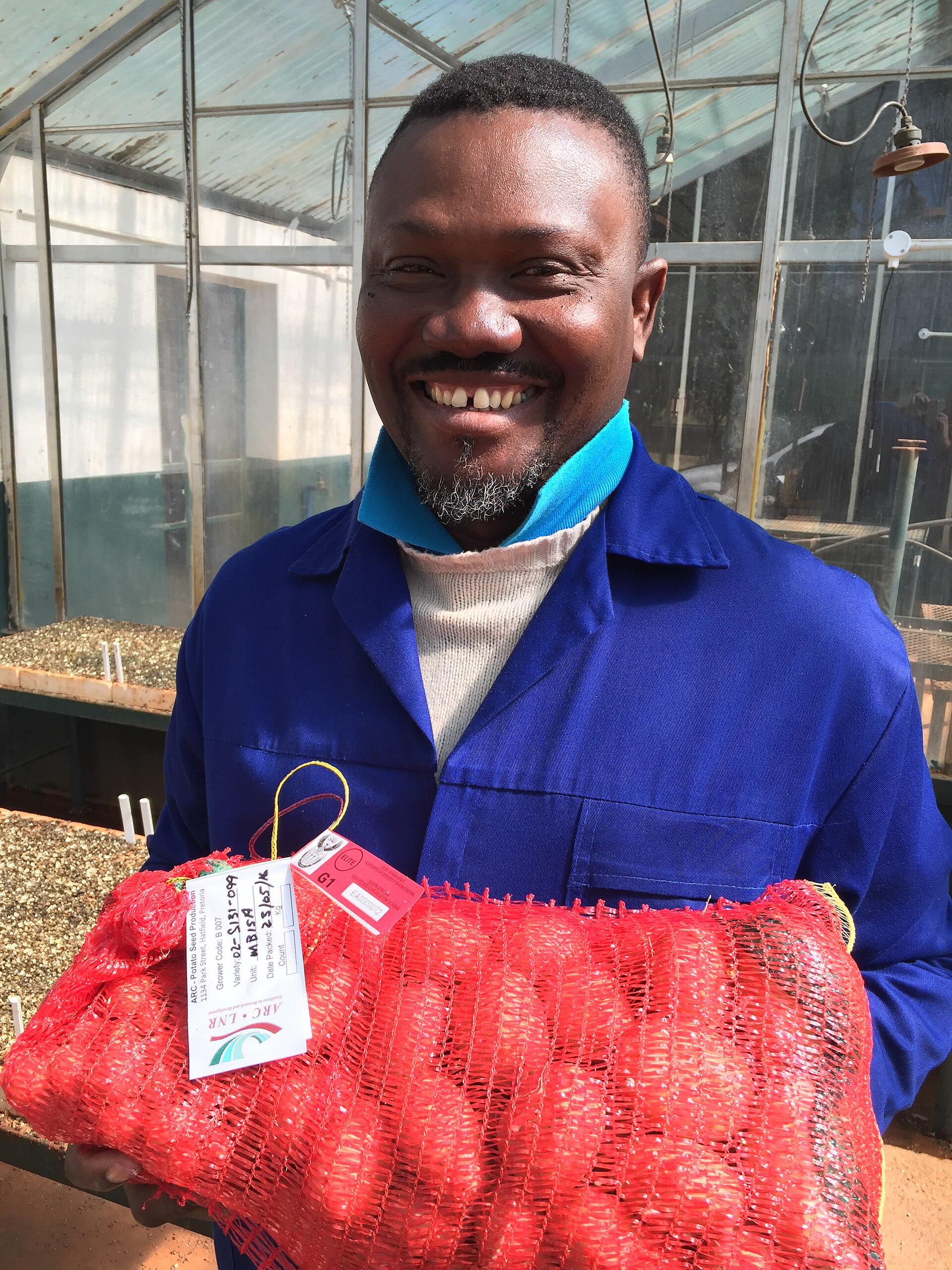
Photo: Certified seed potato tubers (not Turkey) (illustrative). Philippus Jacobus Steyn / Wikimedia Commons, CC BY-SA 4.0