Algeria Imposes Price Ceiling on Potatoes as Costs Surge Past 100 Dinars per Kilogram
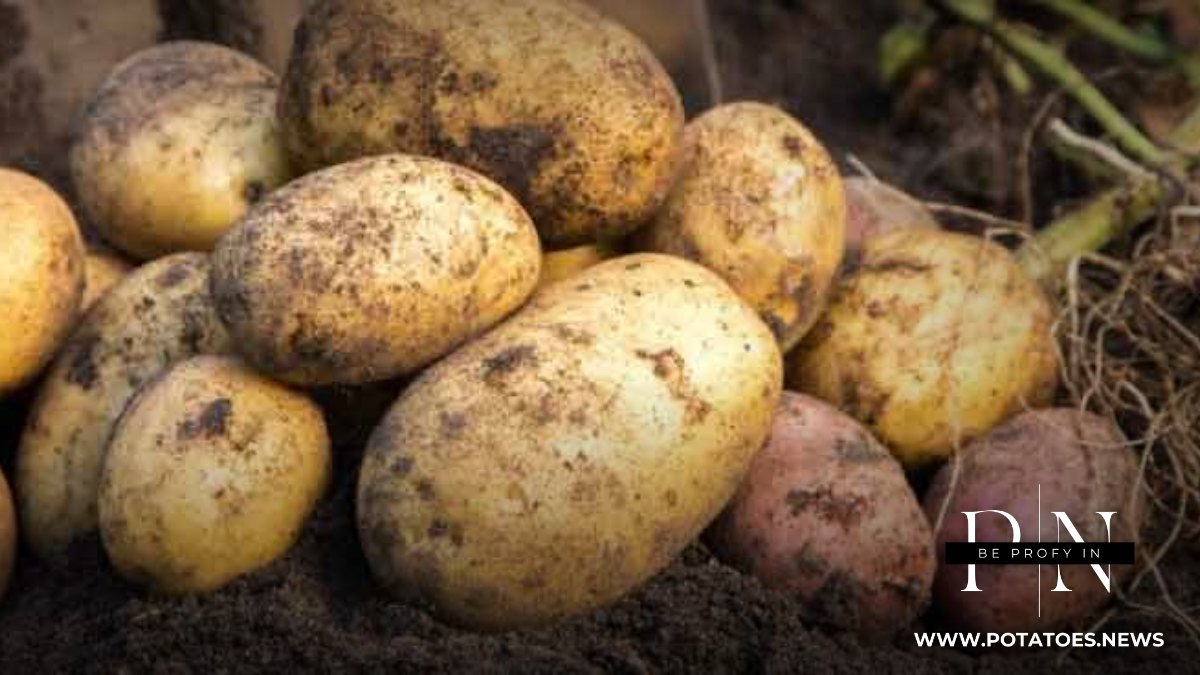
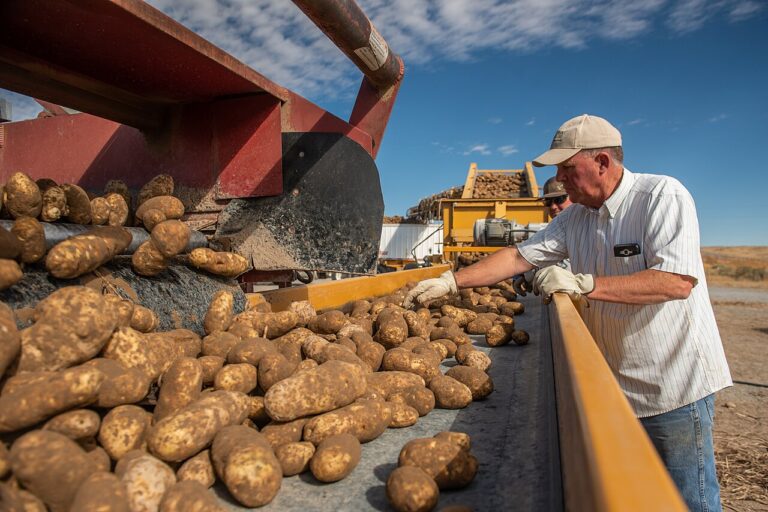
Algeria’s government has intervened in the rapidly rising cost of one of the country’s staple foods, potatoes, following weeks of sharp price increases. While a kilogram of potatoes normally costs consumers 50–70 dinars, prices have now exceeded 100 dinars and reached 140 dinars in some markets. In response, a decision to introduce a price ceiling was adopted at an interministerial meeting held on October 1, and the Ministry of Internal Trade and National Market Regulation notified trade directors in the country’s wilayas (administrative regions) of the new rules. Under an agreement reached with agricultural enterprises of various scales and cold storage warehouse owners, the price chain was fixed as follows: the producer sale price is set at 60–70 dinars, while the retail price for the end consumer must not exceed 80–90 dinars per kilogram. Regional trade services have been instructed to carry out strict oversight at all stages of distribution, with daily reports on local compliance to be submitted to the central ministry.
The situation illustrates the specific character of state market regulation in Algeria, where the government attempts to curb inflation through administrative price controls. However, the effectiveness of such measures remains disputed. In April 2025, authorities had already tried to cap prices on five items: bananas, apples, potatoes, lamb, and a cup of coffee in cafés. Practice showed that some of these limits failed — the price of bananas, which they sought to fix at 400 dinars, eventually climbed above 2,000 dinars per kilogram. The new potato ceiling thus faces the same fundamental challenge: administrative limits can be announced quickly, but enforcing them across fragmented production, cold storage, and retail networks — particularly when underlying supply shortages or speculative hoarding persist — has proven far more difficult.