Egypt: Potato Lab Screens 914 t of Stored Seed for Brown Rot as 165 New Pivots Join Disease-Free Zones
Egypt's Central Potato Laboratory tested 47 samples of 914 t of stored local seed for brown rot and 165 pivots on 16,714 feddans joined pest-free areas; Obour prices were EGP 13-19/kg.
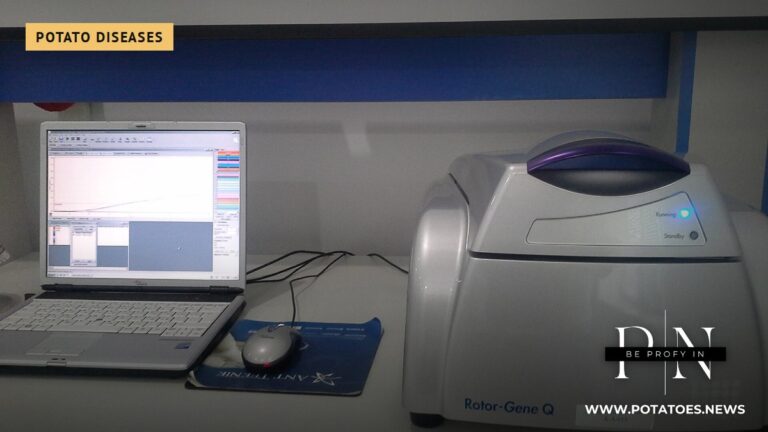
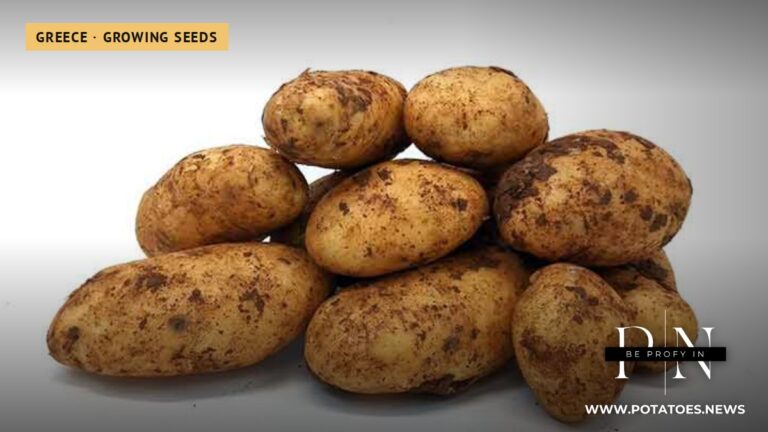
Egypt’s Central Potato Laboratory examined 47 samples representing 914 tonnes of locally produced seed potatoes held in cold storage to confirm freedom from brown rot, the Ministry of Agriculture and Land Reclamation said in its report for the fourth week of September 2026. The report was published by Al-Dawla News on 25 September. The ministry did not state the result of the tests.
The samples belong to the second phase of checks on local seed for the 2025/2026 season, the phase covering seed in cold stores. The laboratory also carried out microscopic examination of table potatoes prepared for export, the report says. It gave no tonnage for the export checks this week.
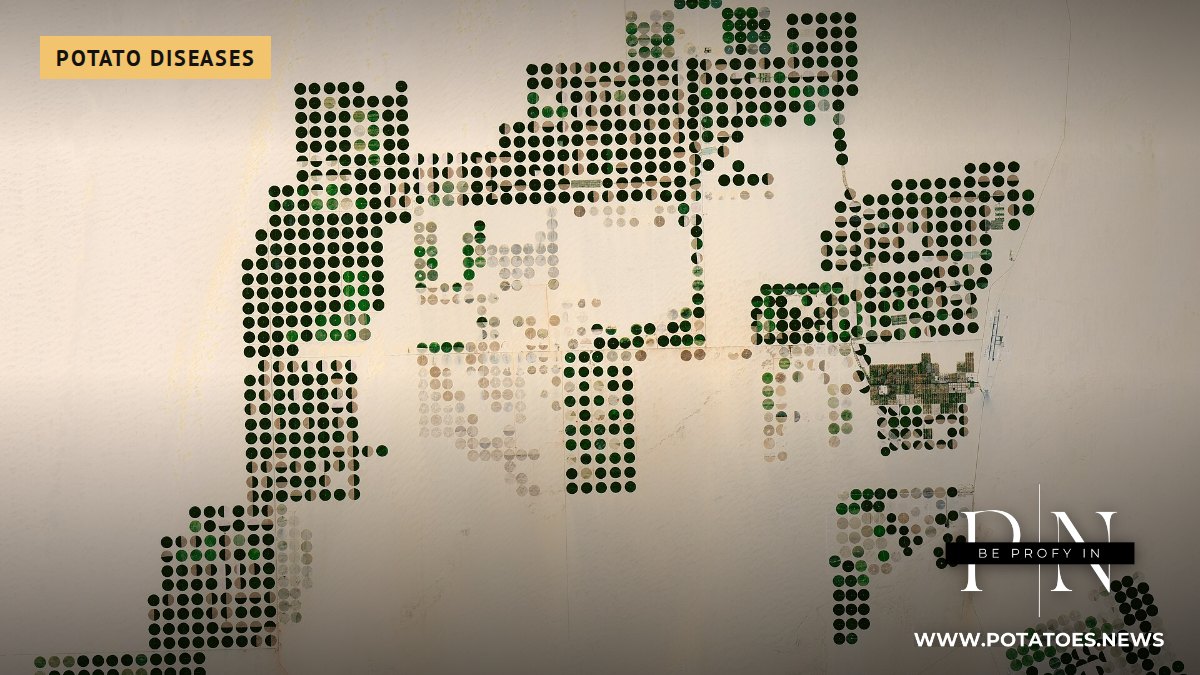
In the same week, the ministry’s monitoring and follow-up unit registered 165 new centre pivots covering 16,714 feddans inside brown-rot-free areas. This brings the total number of pivots in the geographic database to 4,737. The unit compares the quantities sampled in laboratories with the harvest quantities from the disease-free zones.
Weekdays. Unsubscribe in one click.
Advice for the winter crop
On 29 September, Dr Mohamed Shata of the Ministry of Agriculture warned farmers not to plant potatoes repeatedly in the same soil or in areas affected by brown rot, Masrawy reported. He urged growers of the new Egyptian single-tuber seed to plant it whole, without cutting.
Wholesale prices for table potatoes at the Obour market near Cairo were EGP 13 to 19 per kilogram on 29 September, according to Masrawy, which cited the market’s data. Cairo24 reported a range of EGP 14 to 20 per kilogram on the same morning.
Why it matters
Brown rot, caused by the bacterium Ralstonia solanacearum, is the main quarantine issue for Egyptian potato exports to the European Union. Egypt uses a system of pest-free areas, mostly on new desert land under pivot irrigation, and every lot for export must come from such areas and pass laboratory tests. The steady growth in registered pivots shows how the export base is expanding.
Seed checks matter because infected seed is one of the main ways the bacterium spreads to new land. The winter planting season is starting now. Growers and exporters should use seed from tested lots, avoid contaminated fields and keep crop rotation. Importers in Europe should follow the ministry’s weekly reports for export inspection volumes as the export season approaches.
Prevention & control · Editorial note
Brown rot (Ralstonia solanacearum): what growers can do
- Prevention: plant only tested seed from pest-free areas, keep long rotations, remove volunteer potatoes and solanaceous weeds, avoid irrigation from contaminated water
- Monitoring: laboratory testing of seed and export lots; report suspect wilting plants to the plant protection service
- Chemical protection in Egypt: no effective chemical control; prevention only
- Resistance management: not applicable; clean seed, hygiene of machinery and stores are the main tools
This note is provided by the potatoes.news editorial team for information only. It is not a recommendation of any company and is not mandatory. Use only plant protection products authorised in your country and follow the label. Product names and registrations differ between countries; consult a local agronomist.
Photo: Centre-pivot fields in Egypt’s Western Desert seen from space (illustrative). NASA Goddard Photo and Video / Wikimedia Commons, CC BY 2.0