South Africa: Research Shortlists 15 Potato Root-Associated Bacteria as Candidates for Synthetic Microbial Communities
Researchers from the University of the Free State and North Carolina State University combine soil bacterial community profiling with laboratory screening; of 26 isolates tested, 15 showed four or more potentially beneficial characteristics.
Researchers from the University of the Free State in South Africa and North Carolina State University in the United States are investigating bacteria associated with potato roots as candidates for synthetic microbial communities, or SynComs. These are deliberately assembled combinations of microorganisms selected for their complementary characteristics.
Presented at the World Potato Congress in Kenya, the research combines soil bacterial community profiling with laboratory screening to guide the selection of candidate bacteria. Functional screening shortlisted 15 isolates for further evaluation. The longer-term goal is to develop microbial combinations that support potato growth and help suppress soil-borne fungal diseases.
Why it matters
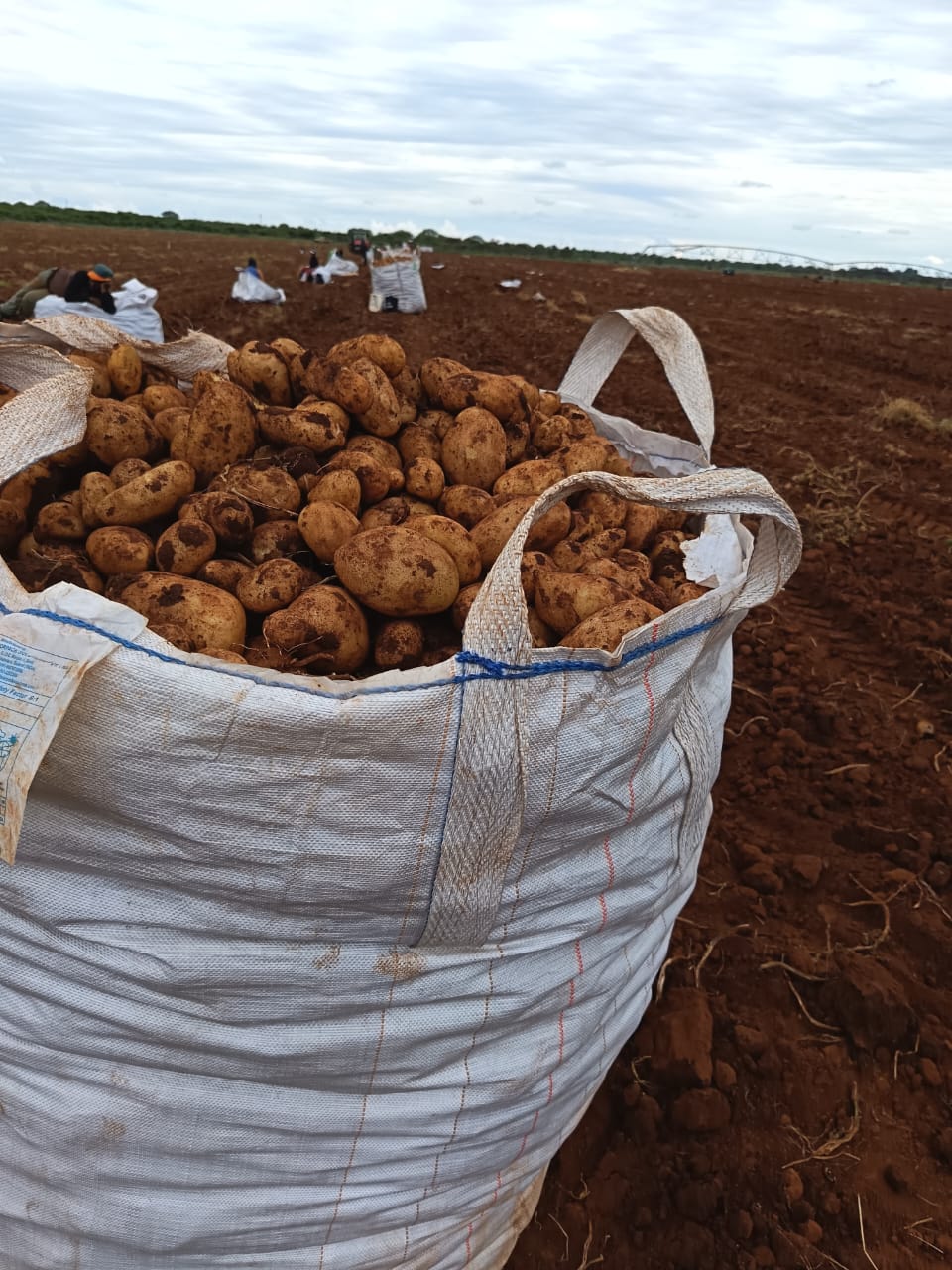
Soil-borne fungal diseases threaten potato yield and tuber quality. Bacteria in the rhizosphere (the soil closely associated with plant roots) may offer useful characteristics for plant growth promotion and biological control.
Weekdays. Unsubscribe in one click.
Selecting bacteria for strong performance in individual laboratory assays provides useful information but does not fully account for their associations with other microorganisms in soil or their suitability for use together. This study aims to bring these considerations into SynCom design by combining three sources of evidence: ecological associations identified through soil bacterial community profiling and network analysis; complementary functional characteristics among candidate isolates; and cross-streak compatibility screening to identify isolates that do not detectably inhibit one another under the tested conditions. Together, these criteria guide the selection of bacterial combinations for subsequent greenhouse evaluation.
What the researchers investigated
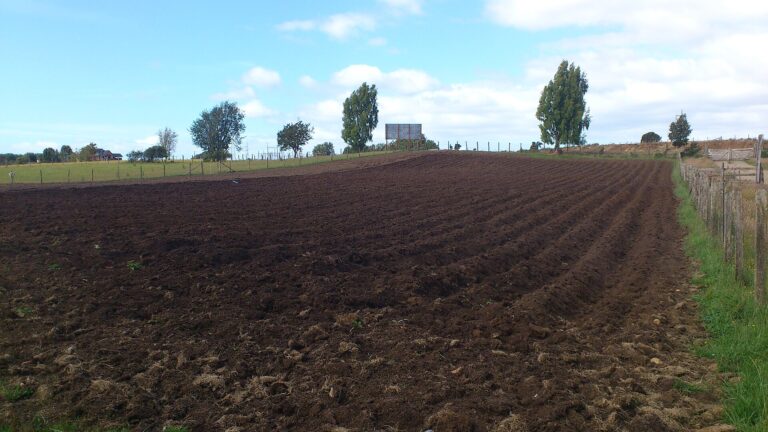
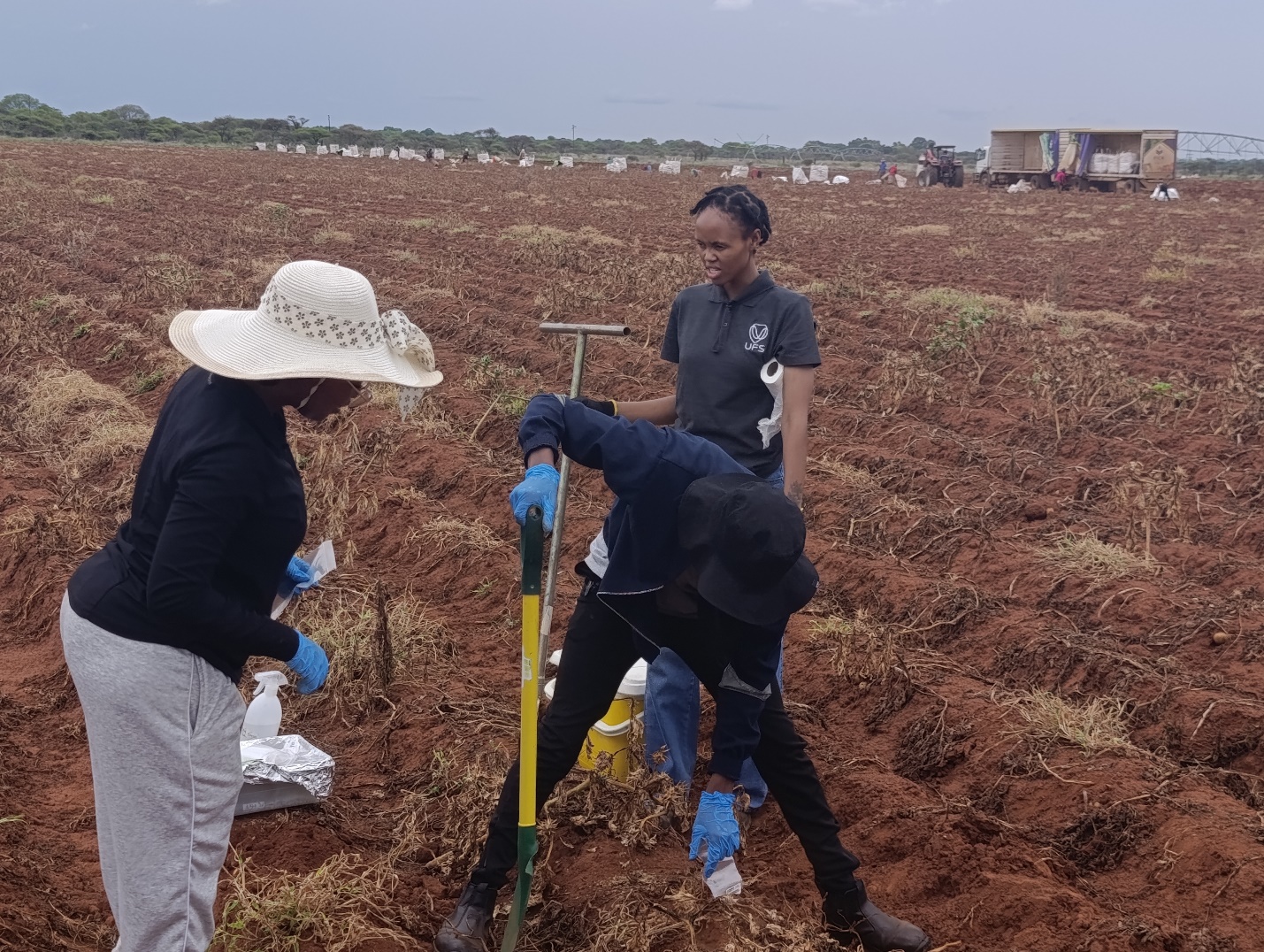
Soil samples were collected from potato rhizosphere and bulk soil at different potato production sites. Using 16S rRNA metabarcoding, the researchers examined bacterial community composition and used co-occurrence network analysis to identify patterns of association among taxa.
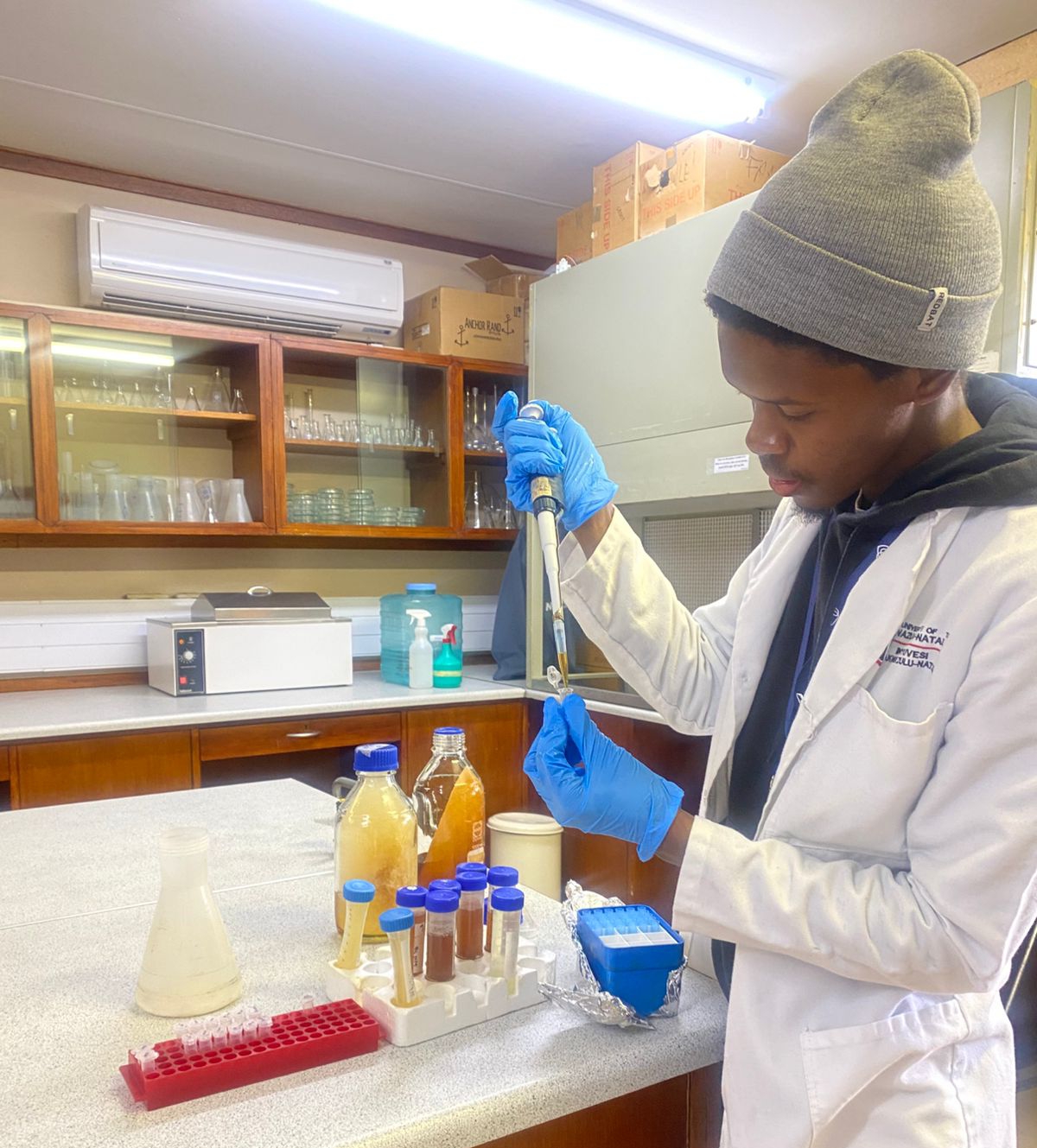
Alongside this work, cultured bacterial isolates were screened for characteristics relevant to potential plant growth promotion and biological control. The screening panel included siderophore production, hydrogen cyanide production, catalase activity, protease activity, phosphate solubilisation, indole-related compound production assessed using the Salkowski assay, and ammonia production.
These assays identify laboratory characteristics that can inform candidate selection; they do not, by themselves, demonstrate improved plant growth or disease suppression.
What the study found
The study showed that bacterial communities around potato roots differed between farms, highlighting the influence of local soil and growing conditions. Co-occurrence network analysis identified 16 groups of bacteria frequently found together, providing insights into soil microbial ecology, potential interactions, and the ecological roles of different bacterial groups. These findings provide an ecological basis for selecting bacteria for synthetic microbial communities (SynComs), considering not only their individual beneficial traits but also their potential roles and relationships within the wider soil microbial community. Of the 26 bacterial isolates tested, 15 showed four or more potentially beneficial characteristics. These were shortlisted as SynCom candidates, with further selection considering functional complementarity, ecological relevance, and compatibility.

What comes next
The next step is to identify the most promising bacteria and determine how they can work together to support potato health. The selected bacteria will undergo further identification and safety assessments, while their compatibility and ecological roles will guide the assembly of SynComs. Greenhouse trials will then test whether these bacterial combinations can improve potato growth and help protect plants against soilborne diseases. Ultimately, the aim is to develop effective microbial combinations that work together and contribute to healthier potato plants and soils.
Authors: Nduduzo Dlamini, Norman Muzhinji, Tesfay Weldeslassie (Department of Plant Sciences, University of the Free State, South Africa); Tika Adhikari (Department of Entomology and Plant Pathology, North Carolina State University, USA). Published with the consent of lead author Nduduzo Dlamini, who supplied the text and photographs.
Related on Potatoes.News: Ethiopia: Youth-Led Extension With the PlantVillage App Helped Farmers Diagnose Crop Diseases in Real Time · Kenya Hosts 13th World Potato Congress in Naivasha