Ethiopia: Youth-Led Extension With the PlantVillage App Helped Farmers Diagnose Crop Diseases in Real Time
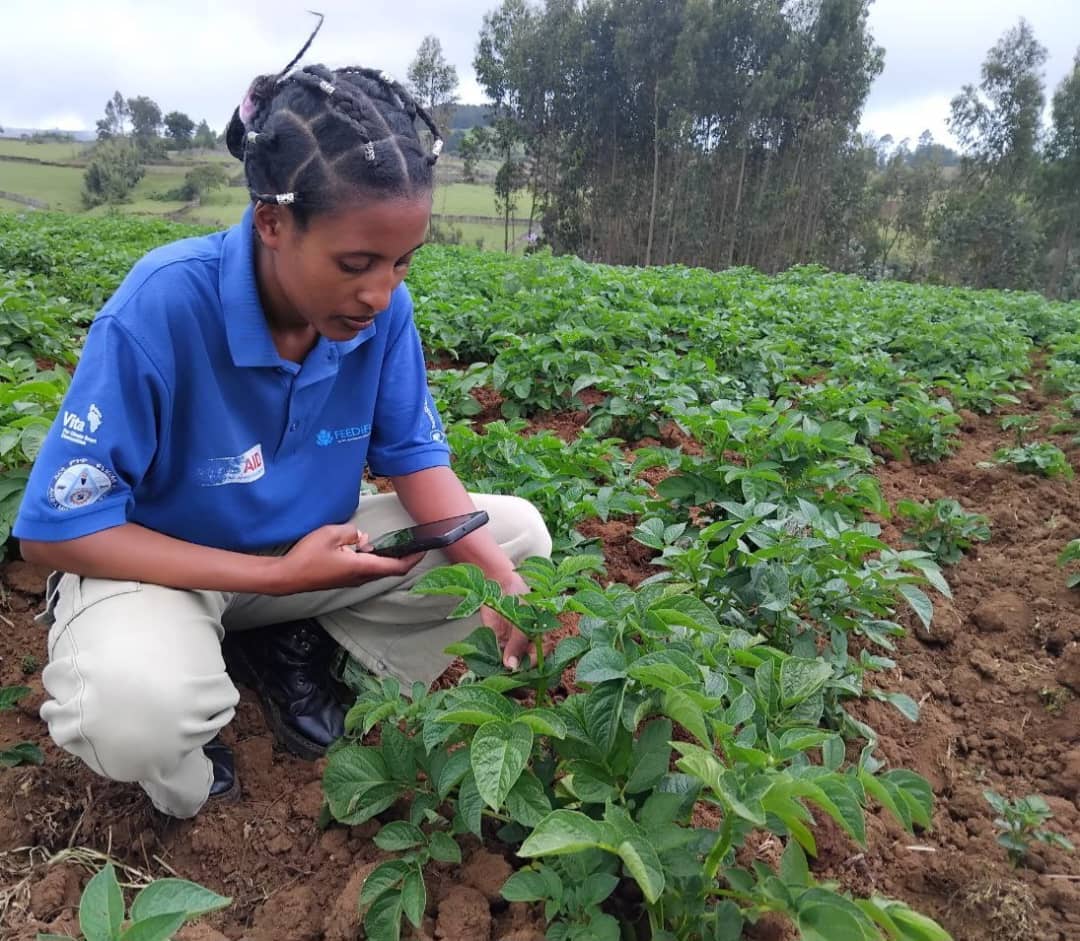
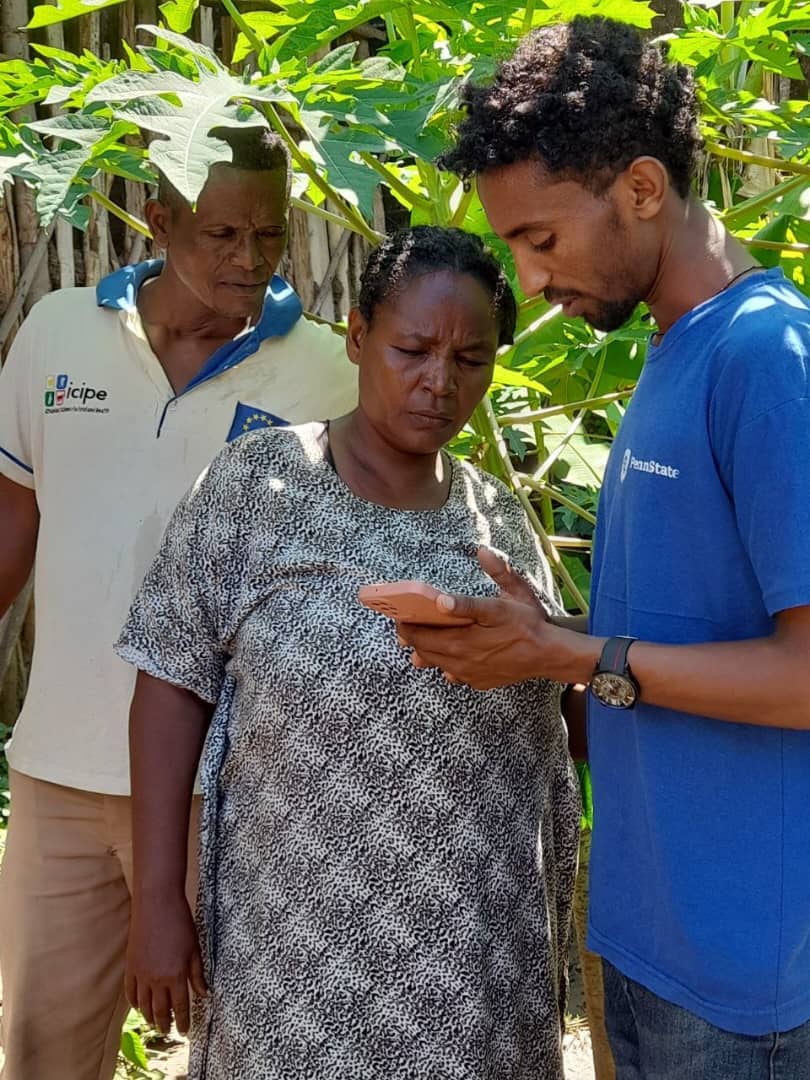
In South Ethiopia, Vita/RTI Ethiopia, together with Arba Minch University and the University of Pennsylvania, piloted the PlantVillage mobile application through a youth-led extension model known as the Ethiopian Dream Team. According to the poster, the pilot improved farmers’ access to extension services, especially for disease and pest management.
Why it matters
The poster notes that agriculture is the backbone of Ethiopia’s economy and the main source of livelihood for most of the population, while production is increasingly threatened by pests, diseases, drought, soil degradation and climate variability. Digital tools such as PlantVillage are presented as a step toward modernising agricultural extension and supporting climate-smart agriculture.
What was done
- Study areas: Arba Minch Zuria and Chencha woredas, two of the 14 woredas of the Gamo Zone in South Ethiopia, covering lowland and highland agro-ecological zones with mixed farming systems.
- Design: a pilot demonstration with a participatory extension approach to evaluate the PlantVillage application.
- Materials: smartphones, the PlantVillage app, trained youth groups (Dream Team members) and existing extension support systems.
- The app, trained on thousands of images of healthy, diseased and pest-infested leaves, identifies disease symptoms, detects pests, gives management recommendations, connects users with experts and delivers localised weather information.
Results
- The PlantVillage application significantly improved access to agricultural extension services, especially for disease and pest management.
- AI-enabled diagnostics allowed farmers and extension workers to identify crop diseases and pests in real time.
- Communication and knowledge-sharing among farmers, experts, researchers and extension staff were strengthened.
- The youth-based extension model created employment opportunities for university graduates and enhanced technology adoption.
The authors’ conclusion
The pilot confirmed that digital tools such as PlantVillage can play an important role in reducing the impact of crop diseases and pests among smallholder farmers in Ethiopia. The authors recommend scaling the app up to more woredas and regions, integrating digital tools into the national extension system, training more youth as digital advisers, investing in rural digital infrastructure and smartphone access, and further research on the long-term impact on productivity and livelihoods.
Weekdays. Unsubscribe in one click.
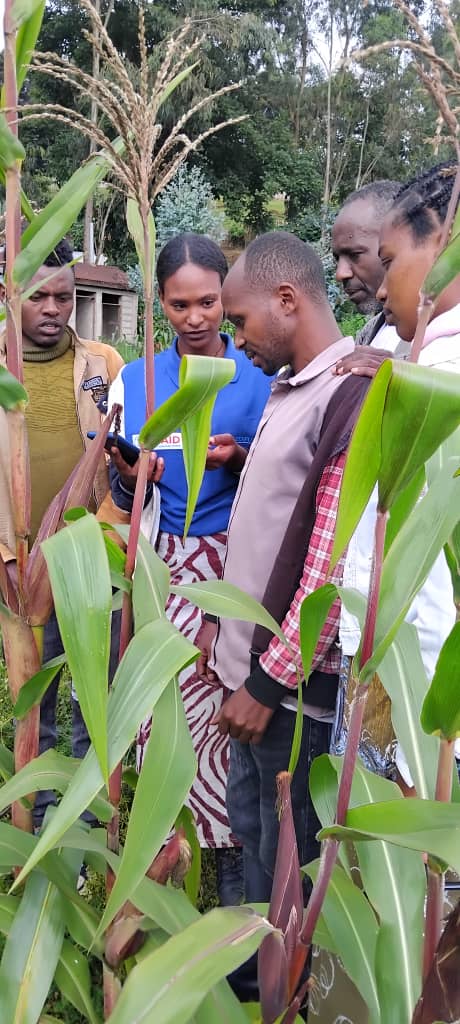
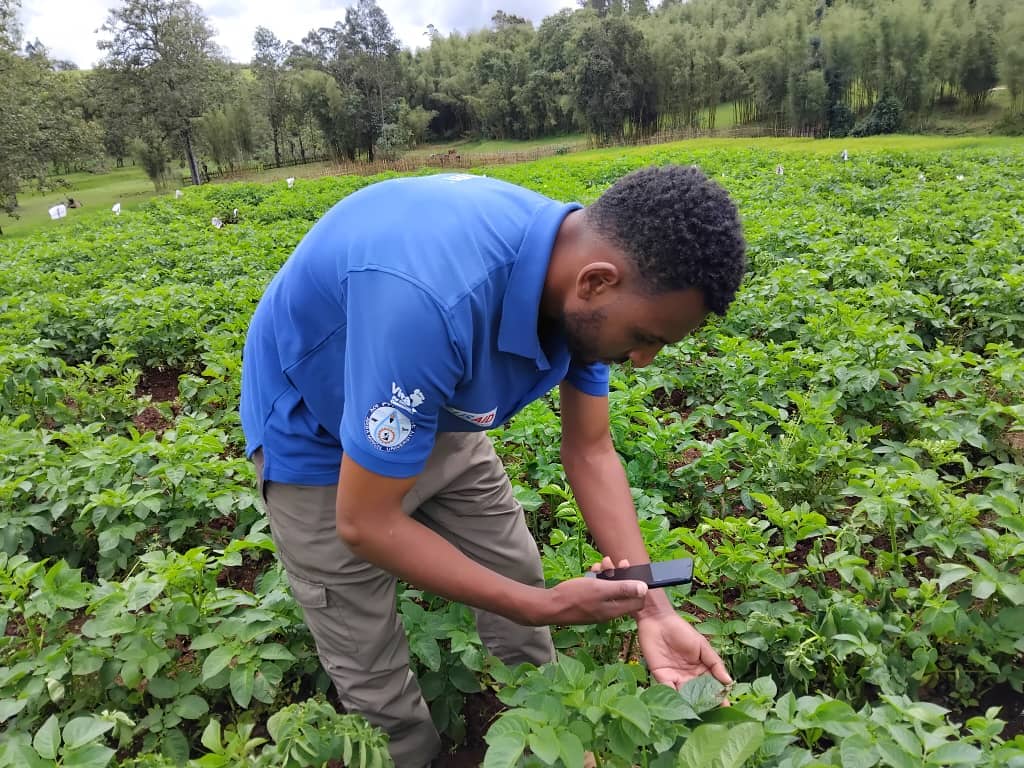
According to Tadele Girma Kodo, the approach is now being scaled to more than 10 woredas in other zones and regions of Ethiopia.
Authors: Tadele Girma Kado (presenting author), Mesfin Kebede, Ermias Guta — Vita/RTI. Partners named on the poster: Arba Minch University, University of Pennsylvania. Based only on a poster presented at the World Potato Congress 2026 in Kenya.
Published with the consent of the presenting author, Tadele Girma Kado.