Egyptian Potato Exports to Kazakhstan Jump from 220 to 4,000 Tons in One Season
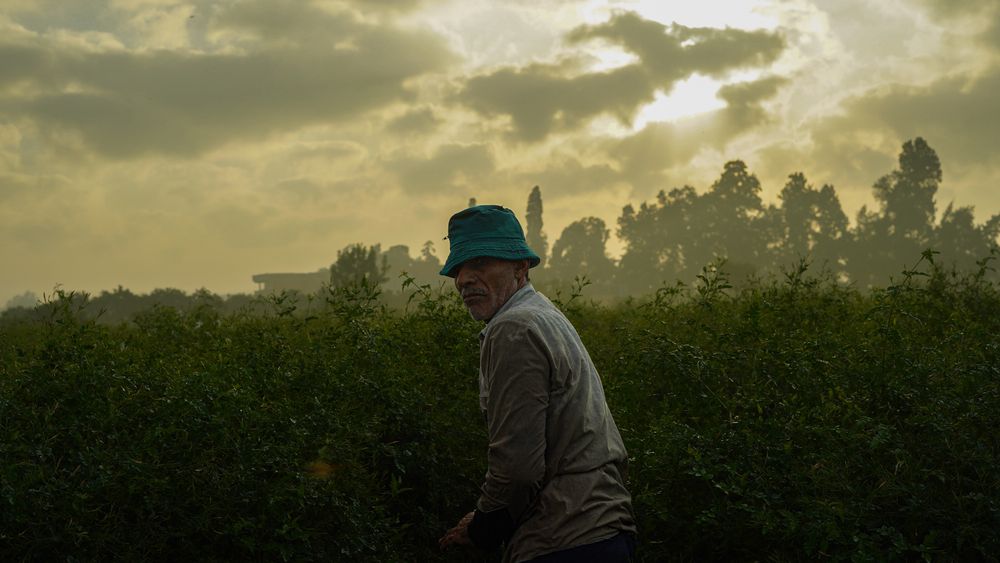
Egypt’s potato exports to Kazakhstan surged from 220 tons in marketing year 2024/25 to roughly 4,000 tons in 2025/26 — an eighteen-fold rise achieved even as Kazakhstan’s total potato imports more than halved, according to an FAO-EBRD regional project.
Egypt is quietly building a potato bridge to Central Asia. Exports of Egyptian potatoes to Kazakhstan jumped from just 220 tons in the 2024/25 marketing year to approximately 4,000 tons in 2025/26, according to a FAO-EBRD regional project examining trade opportunities between North Africa and Central Asia.
Growing against the tide. The increase is striking because it came while Kazakhstan’s total potato imports collapsed — from 167,000 tons to 74,000 tons over the same period. In a shrinking import market, Egypt’s share grew roughly eighteen-fold: not a story of rising Kazakh demand, but of Egyptian suppliers displacing rivals and exploiting a seasonal window. Egypt’s winter export season allows its suppliers to enter Central Asian markets precisely when domestic stocks decline and new-season harvests are not yet available. Trade disruptions involving Iran and Pakistan have also reshaped regional supply, opening lanes that Egyptian exporters moved to fill.
Weekdays. Unsubscribe in one click.
A billion-dollar winter crop. The Kazakh breakthrough sits atop a much larger machine. In 2025, potatoes were Egypt’s third-largest horticultural export after oranges and frozen strawberries, generating approximately US$500 million from shipments approaching one million tons, according to Global Trade Tracker data cited in the report. For an export program of that scale, Central Asia is still a niche — but a strategically placed one. The comparison also underlines what potatoes mean to Egypt’s agricultural economy: a single vegetable crop earning half a billion dollars a year in foreign currency, second in the fruit-and-vegetable hierarchy only to citrus and berries.
Logistics under pressure. Getting Egyptian potatoes to landlocked Central Asia is not straightforward. The war in Ukraine has complicated Egyptian shipments through Russian Black Sea ports, and the Caucasus-Caspian corridor — via Georgia’s port of Poti — is now being considered as an alternative route. The routing question matters beyond potatoes: the same corridor logic applies to the whole North Africa–Central Asia horticultural trade the FAO-EBRD project is trying to build.
Institutional scaffolding. This is not purely organic trade. A FAO-EBRD trade mission to Uzbekistan in May 2024 brought together 11 Egyptian and Moroccan exporters and 20 regional importers and supermarket chains to explore opportunities for potatoes and other horticultural products. The Kazakhstan numbers suggest that matchmaking is converting into real shipments. Watch whether Uzbekistan — the region’s largest consumer market — shows a similar Egyptian surge in its 2026 import data, and whether the Poti corridor moves from consideration to regular service.
The deeper question is durability. An eighteen-fold jump from a near-zero base is easy; holding share as Kazakhstan’s import needs normalize will be the real test. Egyptian exporters will need consistent quality, reliable cold chain across two seas and a land corridor, and pricing that survives competition once Iranian and Pakistani flows recover. The FAO-EBRD framework gives them institutional cover — the market will judge the rest.
Sources: FreshPlaza; UkrAgroConsult (both citing EastFruit / FAO-EBRD data).