CIP and Crop Trust Launch New BOLD Phase in Kenya, Targeting Climate-Resilient Potato Varieties
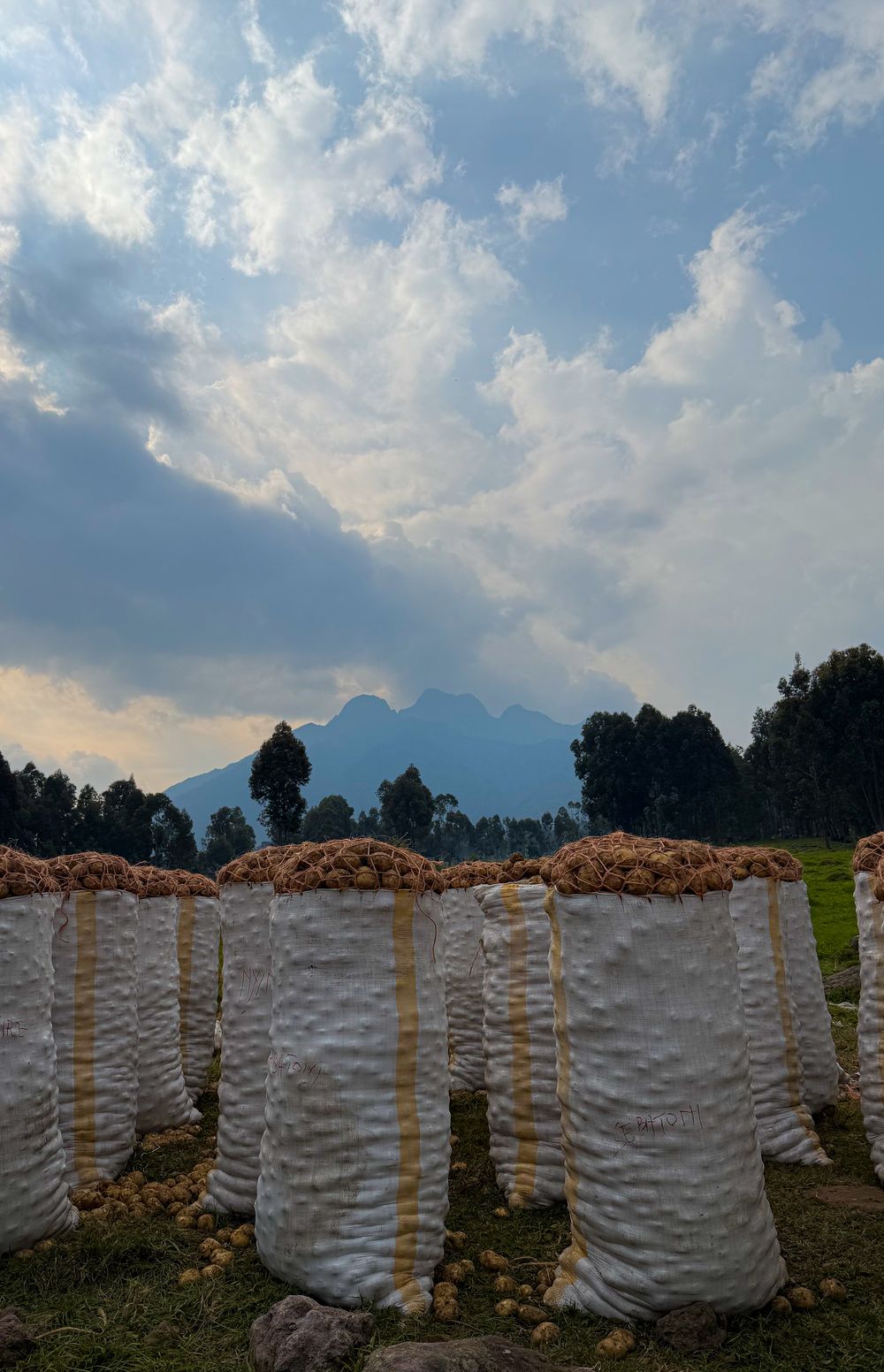
The International Potato Center (CIP) and Crop Trust have launched a new phase of the BOLD project in Kenya, aiming to breed potato varieties with wild Andean traits and to strengthen seed systems across East Africa.
Kenya’s potato sector — the country’s second most important staple crop after maize, supporting 3.3 million jobs and contributing approximately US$324 million annually to the economy — is getting a research-backed defense against climate pressure. The International Potato Center (CIP) and Crop Trust have launched a new phase of the Biodiversity for Opportunities, Livelihoods and Development (BOLD) project in Kenya, aiming to develop potato varieties using genetic traits from wild relatives originating in the Andes while strengthening seed systems across East Africa.
The threat is quantified. Rising temperatures, unpredictable rainfall, pests and diseases threaten cultivation across Kenya’s highlands. Late blight alone causes approximately one-third of global potato yield losses, while potato cyst nematodes can reduce yields by up to 80% — a pest complex costing Kenya more than US$127 million annually, according to figures cited in the project announcement.
Weekdays. Unsubscribe in one click.
54 materials in the pipeline. Building on previous research, the project will advance 54 potato breeding materials containing traits from wild relatives. Researchers will use genomic tools, multi-location trials and farmer participation to identify varieties combining resistance to late blight and potato cyst nematodes with heat tolerance and marketable characteristics. Between 500 and 1,000 farmers — more than half of them women — will participate directly in trials and demonstrations, with additional growers reached through extension activities. The project aims to release at least one improved potato variety in Kenya, and through the East African Potato Breeding Network the breeding materials will also be available for testing in Ethiopia, Rwanda, Uganda, Tanzania and other African countries.
Seed systems in parallel. Breeding is only half the design. The Kenya Agricultural and Livestock Research Organization (KALRO) will support variety development, while the Agricultural Development Corporation’s Seed Potato Complex in Molo, Nakuru County, will serve as a hub for early-generation seed, connecting with seed multipliers and youth-led enterprises to improve seed availability and market access. Breeders, regulators, research institutions, farmers and private companies are to collaborate on closing the gap between variety development and commercial cultivation.
Proven ancestry. The initiative builds on earlier Crop Trust and CIP research in Peru that contributed to two late-blight-resistant varieties, CIP-Matilde and CIP-Asiryq, now cultivated by local farming communities. “Finding useful traits is only the beginning,” says Dr Thiago Mendes, BOLD principal investigator at CIP. The Kenyan test will be whether genebank-derived resistance survives contact with East African seed systems — where multiplication capacity, not genetics, is usually the bottleneck.
Why East Africa is watching. Kenya is the region’s anchor potato market, and the project’s design — one national release plus network-wide testing across five countries — is built for spillover. If the 54 materials deliver even a handful of agronomically viable, nematode-resistant candidates, the East African Potato Breeding Network gives every member country a shortcut past a decade of solo breeding work. For seed companies and multipliers, the Molo hub is the piece to watch: early-generation seed capacity is what turns a released variety into bags farmers can actually buy.
Sources: FreshPlaza; CGIAR.