Kenya and Tanzania to Sign Potato Pact at World Potato Congress: Certified Seed, Harmonized Standards, Easier Trade
Kenya and Tanzania will sign a potato-sector MOU on 28 October at WPC13 in Naivasha, covering certified seed access, standards harmonization and cross-border trade — as Tanzania's formal seed supply covers under 2% of national demand.
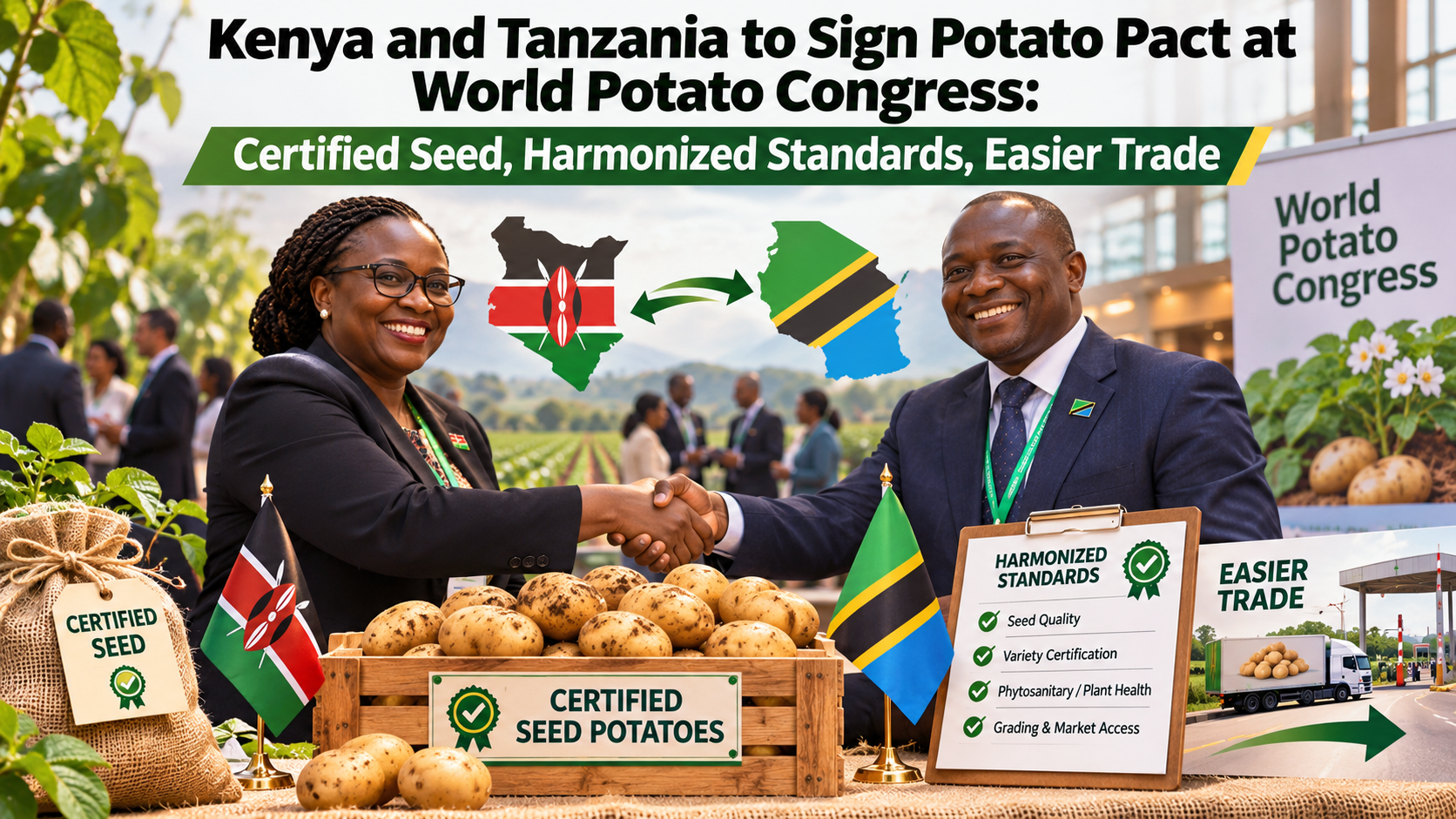
The National Potato Council of Kenya and the Tanzania Potato Council will sign a memorandum of understanding on 28 October in Naivasha, Kenya, during the 13th World Potato Congress — the first held in sub-Saharan Africa. The deal targets certified seed access, standards harmonization and cross-border trade.
The National Potato Council of Kenya (NPCK) and the Potato Council of Tanzania will sign a memorandum of understanding aimed at strengthening production, improving access to certified seed and facilitating trade between the two countries. The signing is scheduled for 28 October in Naivasha, Kenya, during the 13th World Potato Congress (WPC13) — the first edition of the event held in sub-Saharan Africa. The agreement is being signed by Abdalla Luvanda, of the Potato Council of Tanzania, and Wachira Kaguongo, of Kenya’s NPCK.
Four main areas of cooperation. The agreement will establish a bilateral framework built on four pillars: exchange of knowledge and technology, harmonization of standards, strengthening of trade and joint training. Both institutions plan to share improved varieties, production practices, post-harvest technologies and information useful to growers, researchers, seed multipliers and processing industries. They will also promote joint research projects, training programs and technical visits between actors of the two value chains.
Weekdays. Unsubscribe in one click.
Harmonizing rules for certified seed. A central goal is to move toward greater compatibility between certification standards, quality controls and regulatory requirements applied to seed and to table potatoes. Regulatory differences and phytosanitary procedures currently act as barriers to the regional movement of planting material and commercial produce. The agreement seeks to simplify controls at border posts such as Namanga and Horohoro, without weakening the measures needed to prevent the spread of pests and diseases.
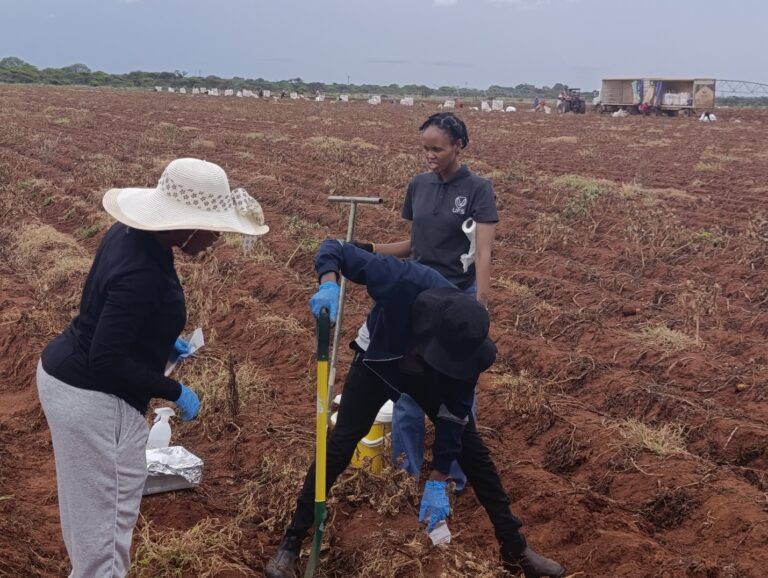
Tanzania covers less than 2% of certified seed demand. The availability of certified seed remains one of the main constraints on potato production development in Tanzania. Nationally, the formal supply covers less than 2% of demand, forcing many smallholders to reuse tubers without health certification. Repeated use of informal material favors the accumulation of diseases and progressively erodes the yield potential of crops.
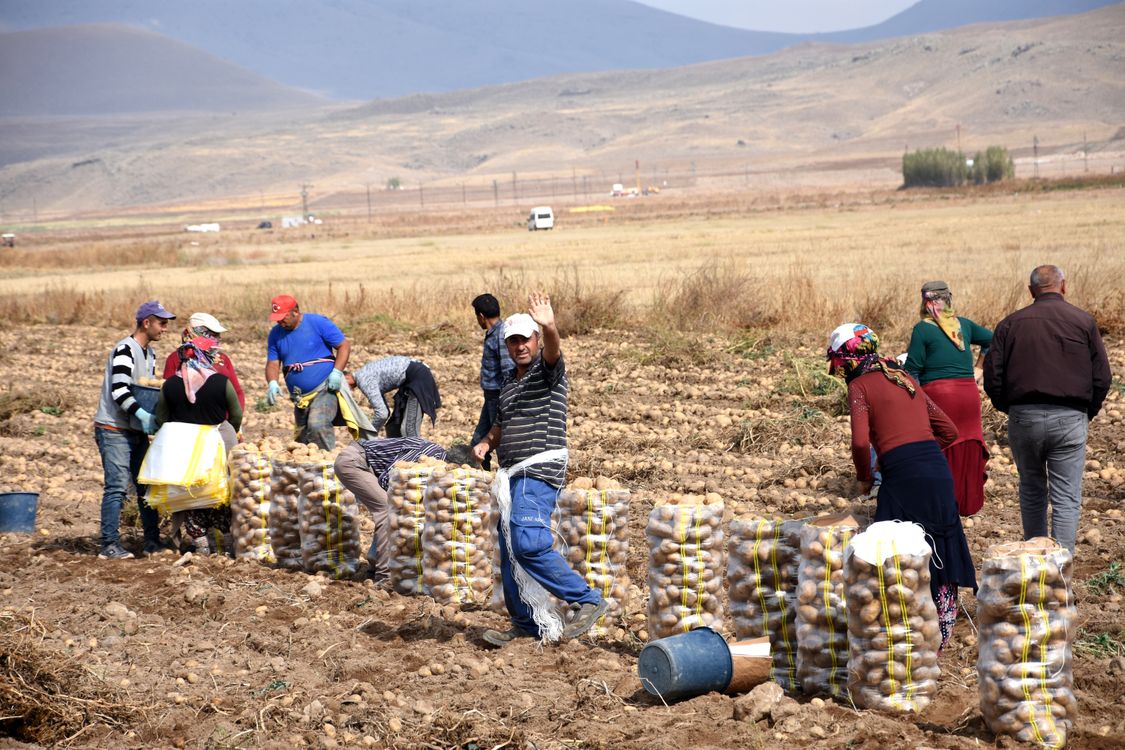
Deeper commercial integration. The memorandum also aims to strengthen links between producers, traders, industries and markets in both countries. Harmonized requirements could reduce border delays and cut transaction costs for a crop that is a staple food and an income source for hundreds of thousands of smallholders across East Africa.
If the Naivasha pact delivers even part of its agenda, it would create one of the most structured bilateral potato frameworks in the region — and a working test case for whether harmonized seed certification can unlock formal seed trade elsewhere on the continent.
Sources: Daily News Tanzania; The Respondents.