Kenya: Shangi Variety and Certified Seed Push Lift Smallholder Yields
Shangi's short cycle has made it Kenya's most popular variety, but certified seed covers only about 4–5% of demand and a blight-resistant version is still in trials.
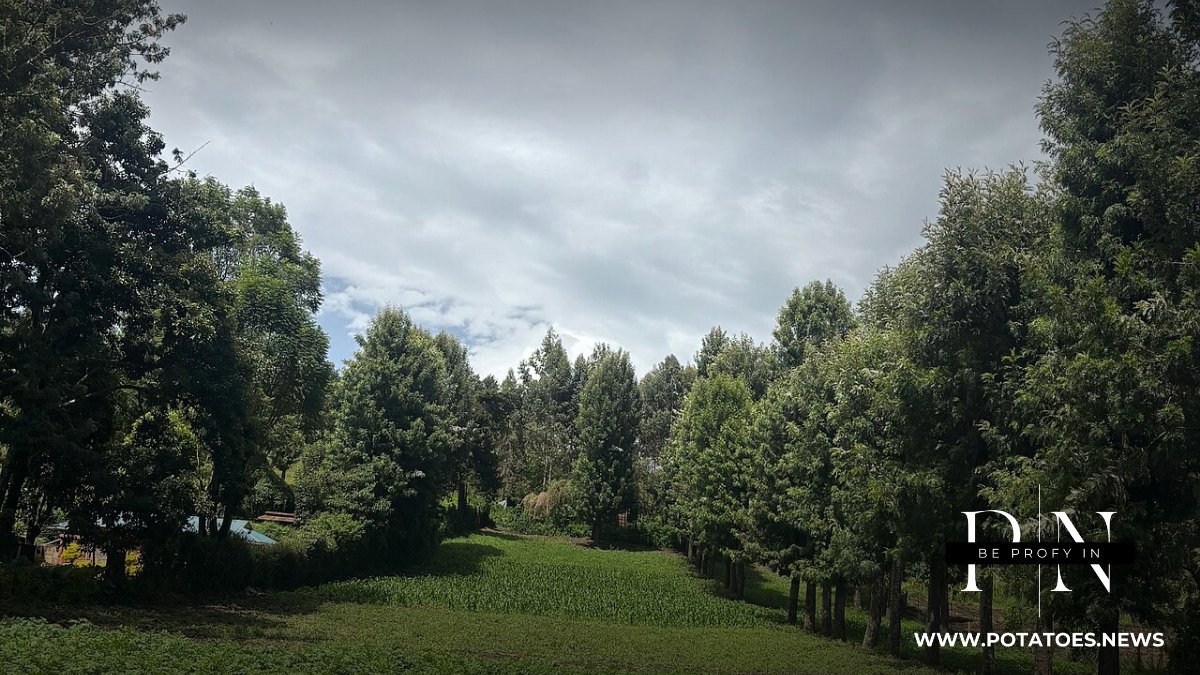
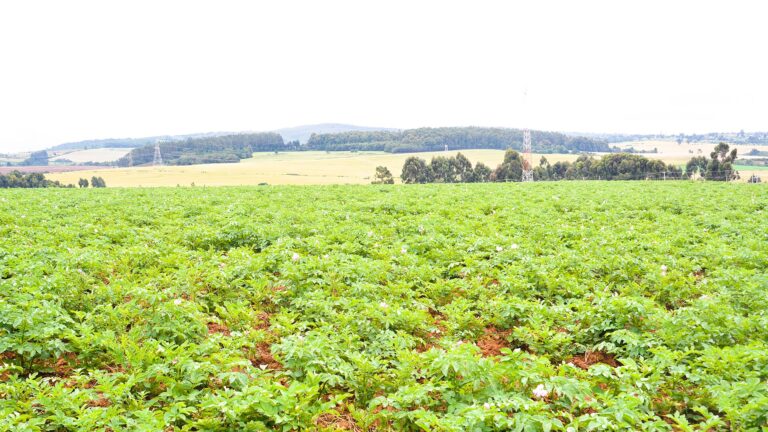
Kenya’s potato sector continues its transformation as fast-bulking varieties such as Shangi spread among smallholders, valued for a short cycle and very short dormancy, although the variety is susceptible to the late blight endemic in highland production zones; a genetically modified blight-resistant version, Shangi Kinga, developed by KALRO and CIP, is in regulatory trials.
The variety matures in about three to four months, and its short dormancy lets farmers replant quickly, improving land productivity and cash flow compared with longer-season types.
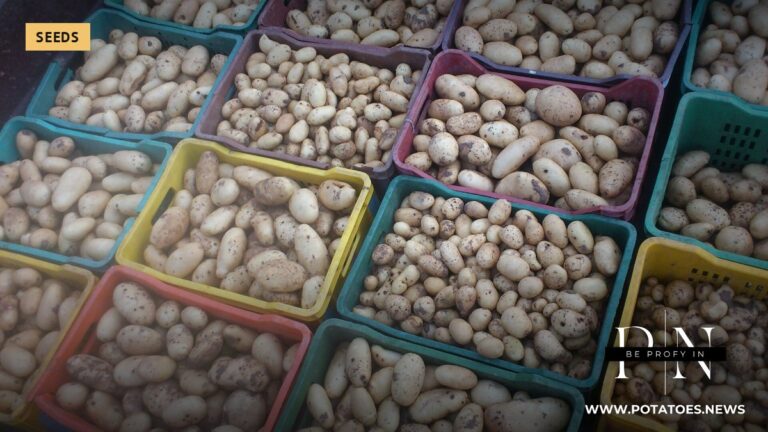
Certified seed supply remains the binding constraint: certified seed covers only about 4–5% of national demand, according to KALRO, and most farmers still plant recycled tubers whose degeneration costs yield season by season.
Weekdays. Unsubscribe in one click.
Multiplication innovations — rooted apical cuttings, aeroponics and expanded mini-tuber production — are being promoted to expand certified seed supply.
The policy backdrop is favorable: potatoes rank among Kenya’s most important food security crops, and county governments increasingly treat seed access as agricultural priority number one for the highlands.
Sources: The Star (Kenya), 19 May 2026; Kenya News Agency, 6 Feb 2023; JICA / Ministry of Agriculture Kenya, SHEP PLUS potato guide