Egypt’s Potato Brown Rot Project, running since 1997, combines accredited laboratories, pest-free areas and GIS surveillance against brown rot (Ralstonia solanacearum) as the country guards its position as a leading exporter to European and regional markets.
Brown rot is the defining phytosanitary issue for Egyptian potatoes: detections trigger export restrictions, so pre-season testing of both domestic seed and growing areas underpins exports of more than 1.4 million tonnes, worth USD 537 million in 2025.
Under an EU regulation in force since July 2025, Egypt’s plant protection organisation must approve and list production sites and pest-free areas every year, and from December 2028 sites will need three prior pest-free years.
Weekdays. Unsubscribe in one click.
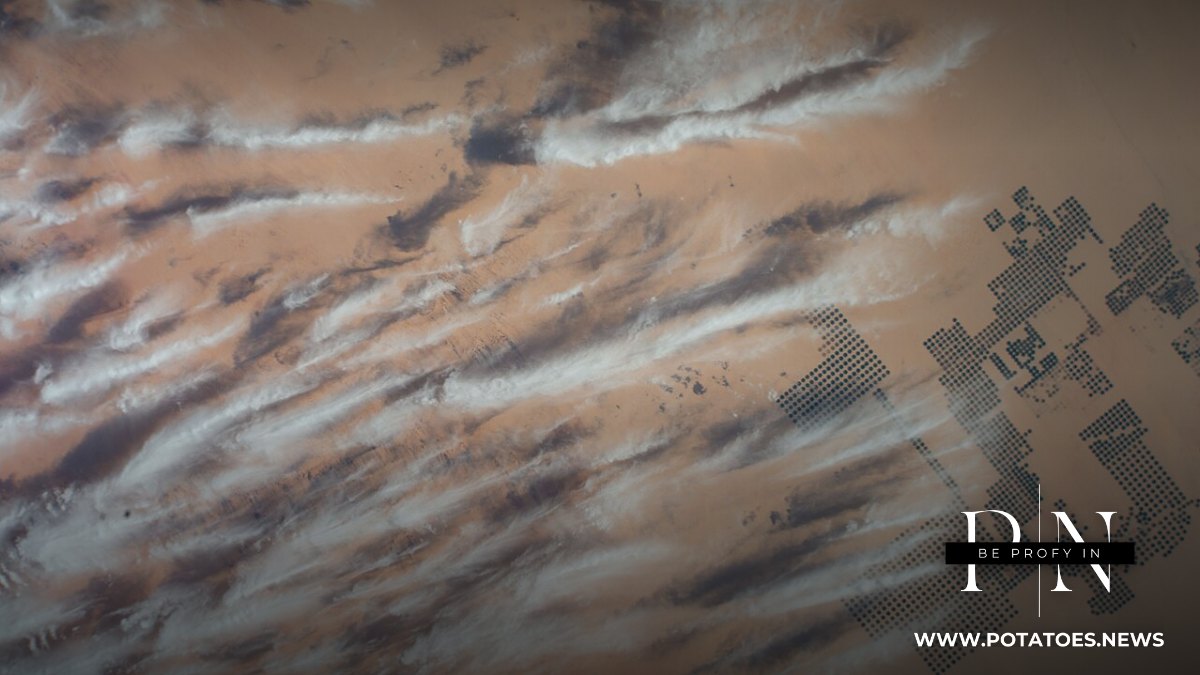
Desert cultivation offers inherent advantages — isolation from traditional pest reservoirs and controlled irrigation — which Egyptian exporters leverage in marketing to quality-focused European buyers.
Season logistics remain intense: the winter crop moves from desert fields to European shelves within weeks, a timetable that leaves no room for phytosanitary surprises at inspection.
Prevention & control · Editorial note
Brown rot (Ralstonia solanacearum): what growers can do
- Prevention: plant certified disease-free seed; keep strict hygiene of machinery, storage and irrigation water; grow in officially registered pest-free areas.
- Monitoring: official laboratory testing of seed lots and growing areas before export; remove and destroy suspect plants immediately.
- Chemical protection in Egypt: no effective chemical control exists; brown rot is a quarantine pest managed by exclusion and hygiene — follow national plant protection rules of Egypt and importing countries.
- Resistance management: not applicable; protection rests on certified clean seed and quarantine discipline.
This note is provided by the potatoes.news editorial team for information only. It is not a recommendation of any company and is not mandatory. Use only plant protection products authorised in your country and follow the label. Product names and registrations differ between countries; consult a local agronomist.
Sources: IPPC/FAO, 20 May 2026; AGRINFO, 18 Jul 2025