
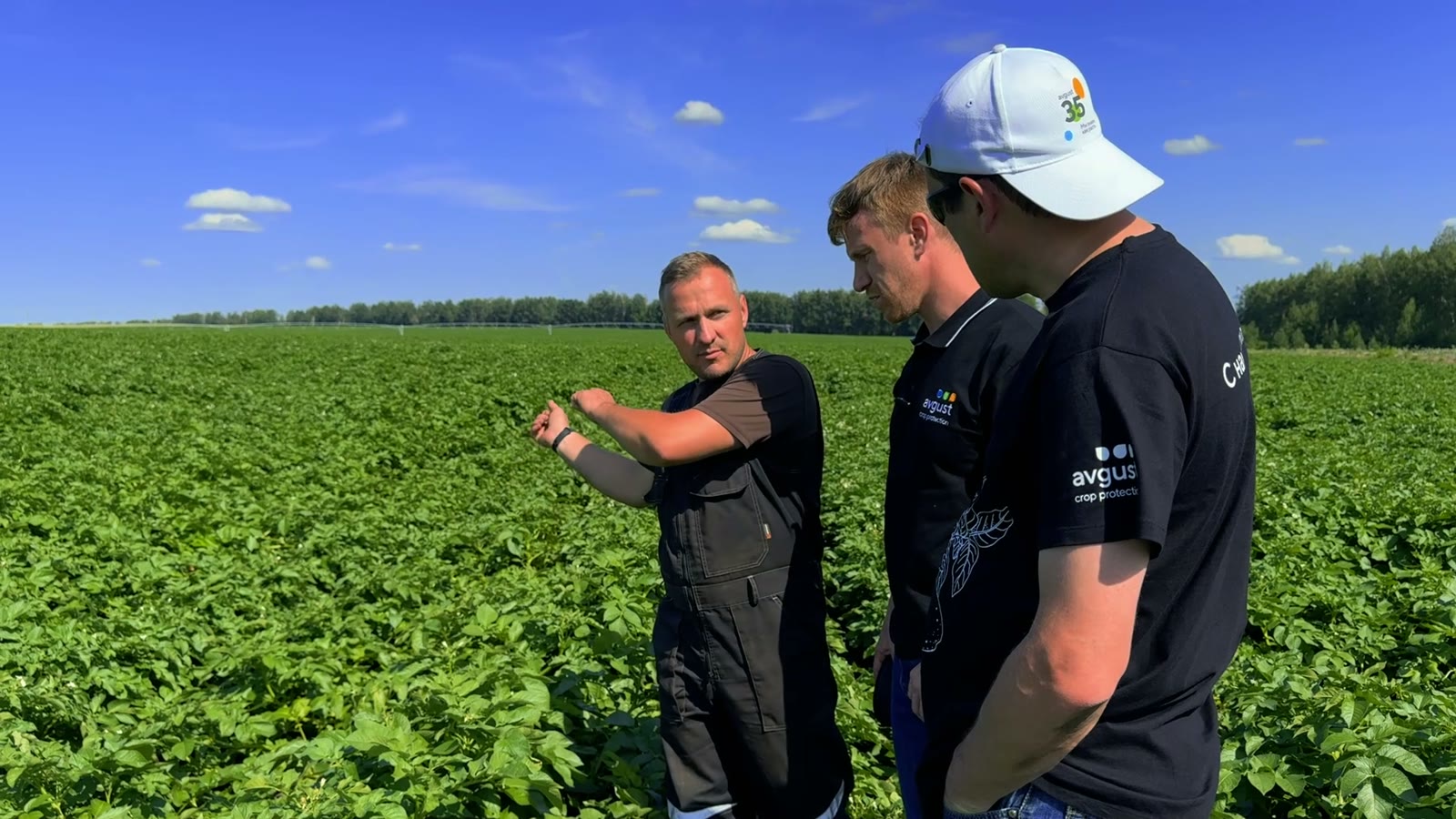
International Potato Tour Diaries · Russia
At Sergey Khabuzov’s farm in Russia’s Nizhny Novgorod region, the International Potato Tour stopped inside a potato store to talk about seed lots. The farm team said it was planting its own seed. The conversation turned to a decision farms make when planting material comes from several deliveries. How do you keep track of which lot went into each part of a field?
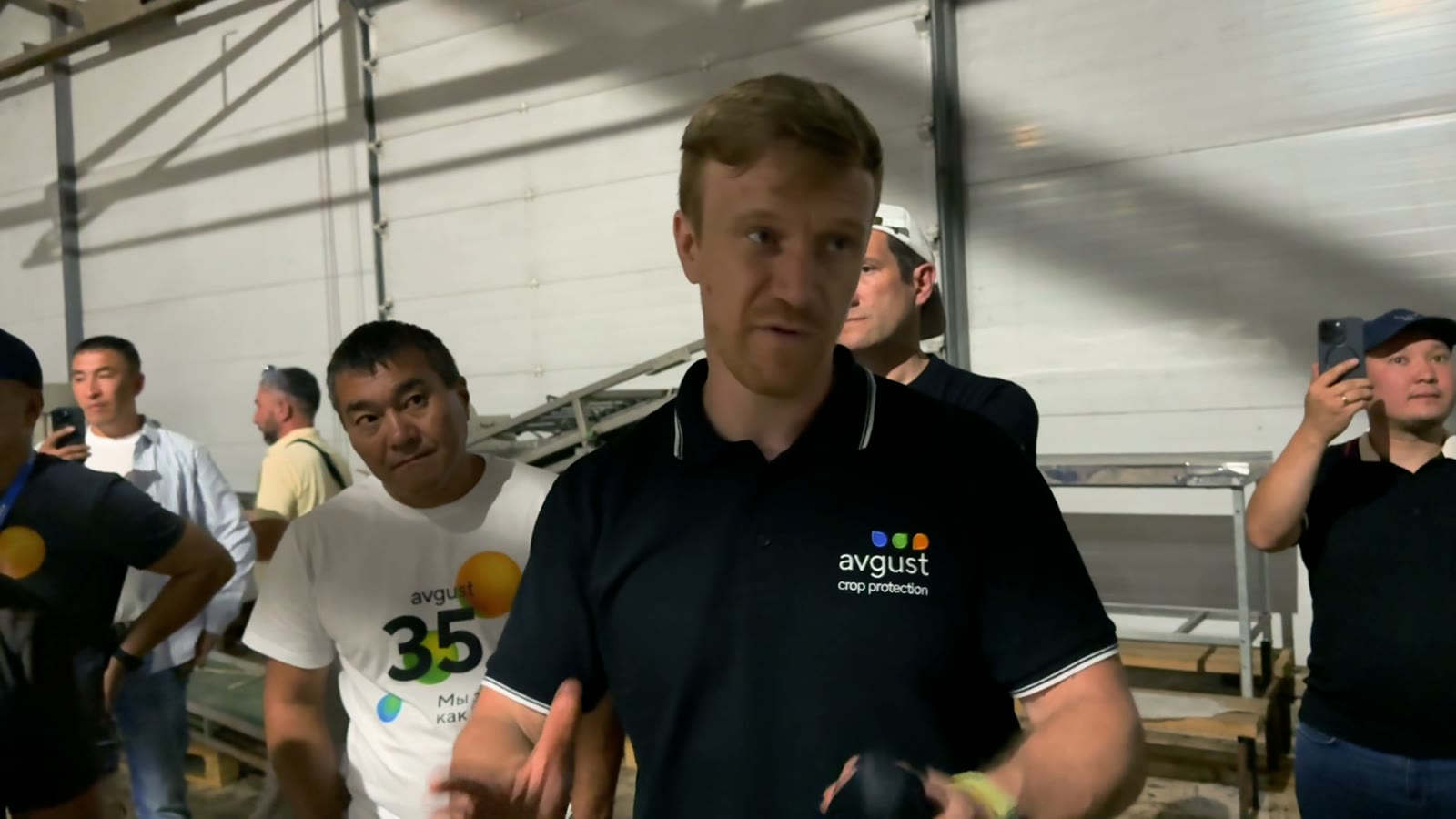
Keep each lot separate and retain a sample
During the visit, a participant recommended keeping incoming lots separate as they move out of storage and into the planter. This matters when a farm changes suppliers and when it receives separate lots from the same supplier. Once tubers are mixed in a box or hopper, their delivery records can only tell you what went into the mix.
Weekdays. Unsubscribe in one click.
The same participant suggested keeping a reference sample from each lot in storage. If a question comes up later, a sample tied to the lot gives the farm something it can re-examine. For that link to hold, the number on the sample and the lot number in the delivery record have to match.
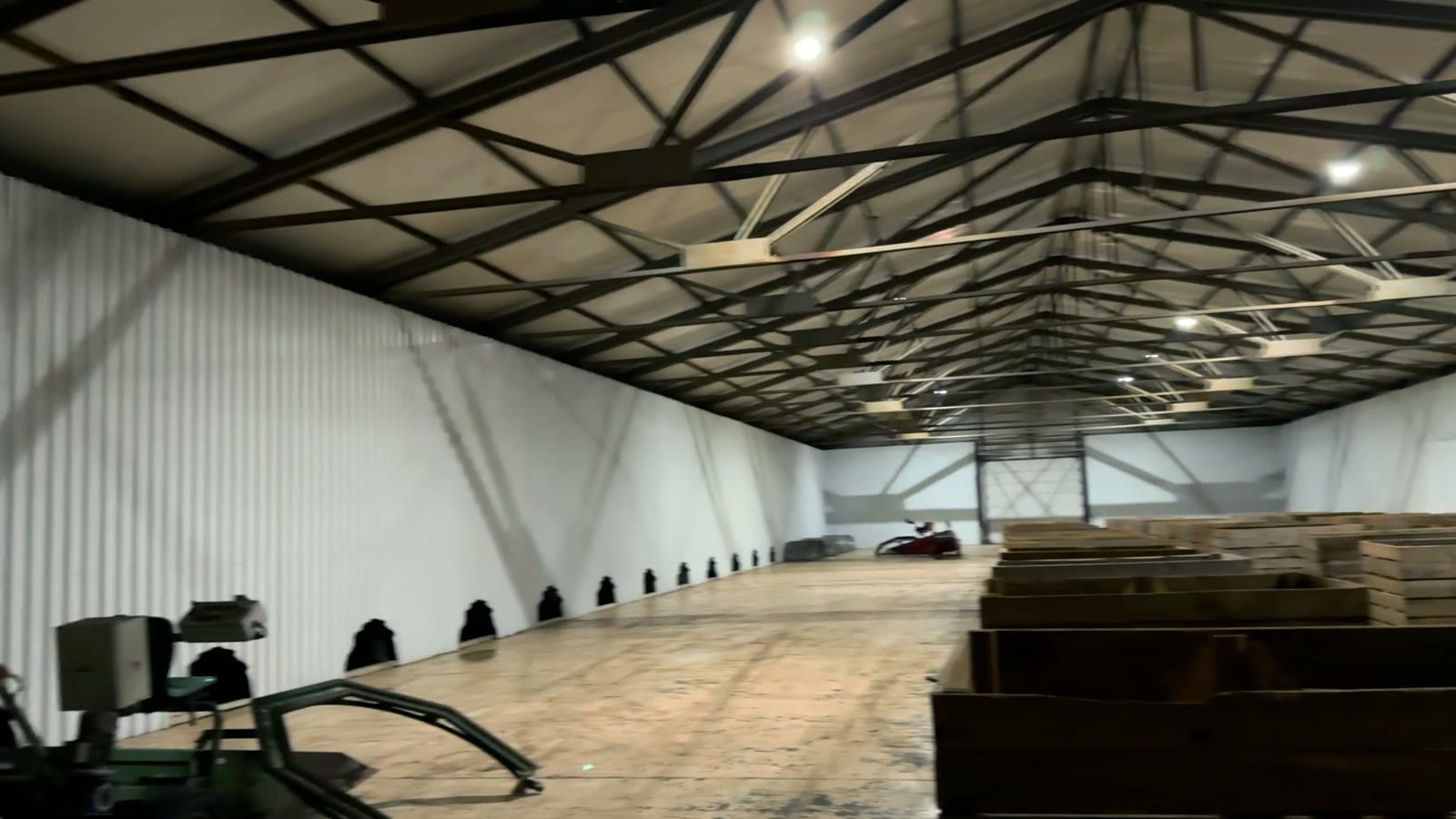
Account for the changeover at the planter
The discussion covered boxes, the planter, loading equipment and conveyor belts. Those are all places where tubers from the previous lot can carry into the next one. The field record can show the changeover by linking the next lot number to the field or section where the crew started using it.
A useful planting record ties the supplier and lot number to three places. It shows where the lot was stored, where the reference sample is kept and where the seed was planted. Together, those records let a farm trace a question from the field back to the delivery it came from.
Watch the International Potato Tour visit to Sergey Khabuzov’s farm.
Sources
International Potato Tour visit to Sergey Khabuzov’s farm
Avgust identifies Sergey Khabuzov as a Nizhny Novgorod potato grower
