Global: Colorado Potato Beetle — Rotate Modes of Action Between Generations
The beetle's long record of resistance means insecticide programs must rotate modes of action between generations; reliance on neonicotinoids is ending.
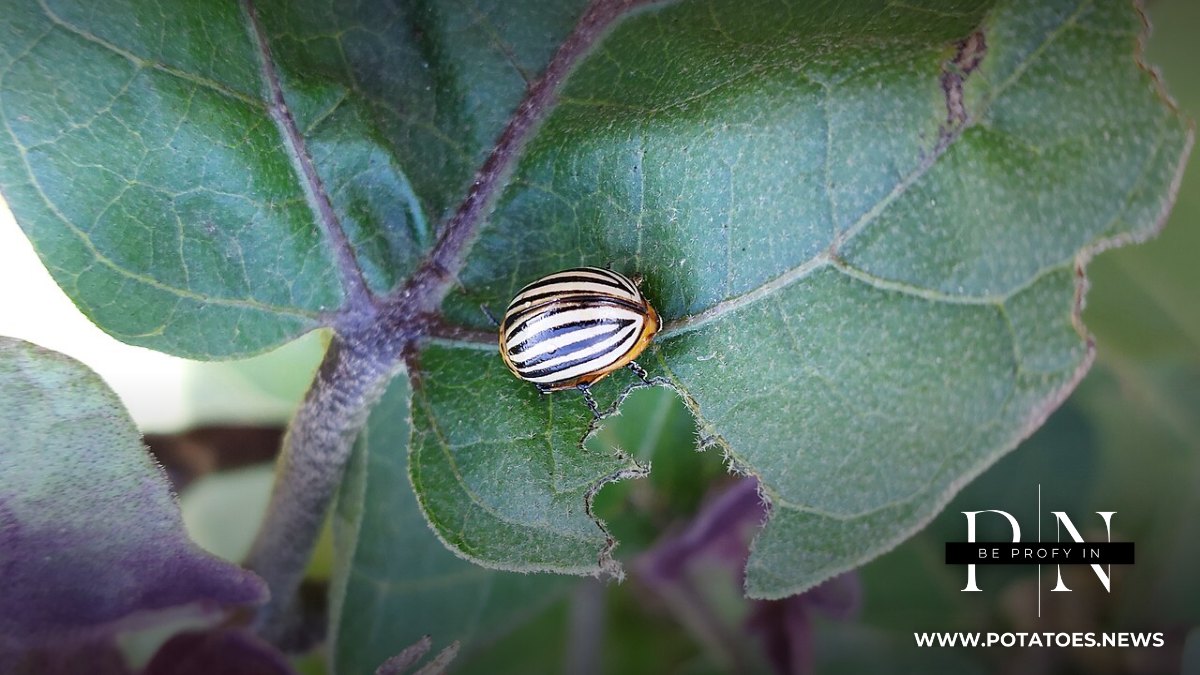
Colorado potato beetle remains the crop’s most resistance-prone pest, and entomologists advise rotating modes of action and never applying the same insecticide group to consecutive generations.
The pest has evolved resistance to around 50 insecticides over its history, and resistance to neonicotinoids — once the default seed treatment — has pushed growers toward diamides, spinosyns and other newer groups.
Monitoring drives timing: treatments work best against young larvae, and threshold-based spraying preserves both efficacy and beneficial insects that suppress secondary pests.
Weekdays. Unsubscribe in one click.
Non-chemical tools regain relevance where resistance is advanced: planting rotated fields as far as possible from the previous year’s potato crop delays and reduces colonization by overwintered adults.
Seed treatments, where still effective, protect the critical early season, but extension specialists warn they count as one generation’s exposure in the rotation budget — a fact often overlooked when foliar products of the same group follow in summer.
Sources: University of Maine Extension, Bulletin 2424; SARE project ONE07-067