Global: Haulm Killing Method Shapes Skin Set and Harvest Quality
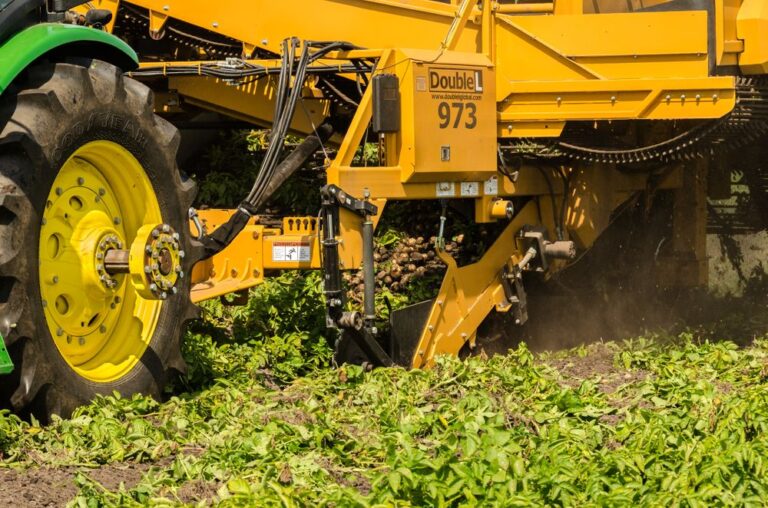
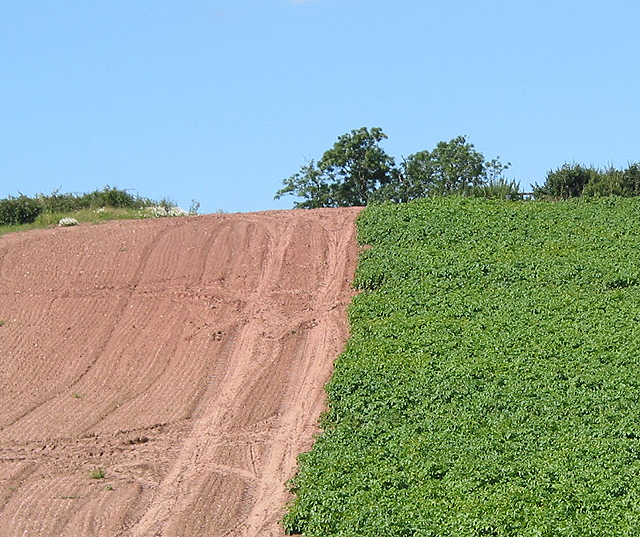
Complete haulm destruction one to three weeks before harvest firms skins and protects tubers from blight; the method — flail, chemical or both — changes the outcome.
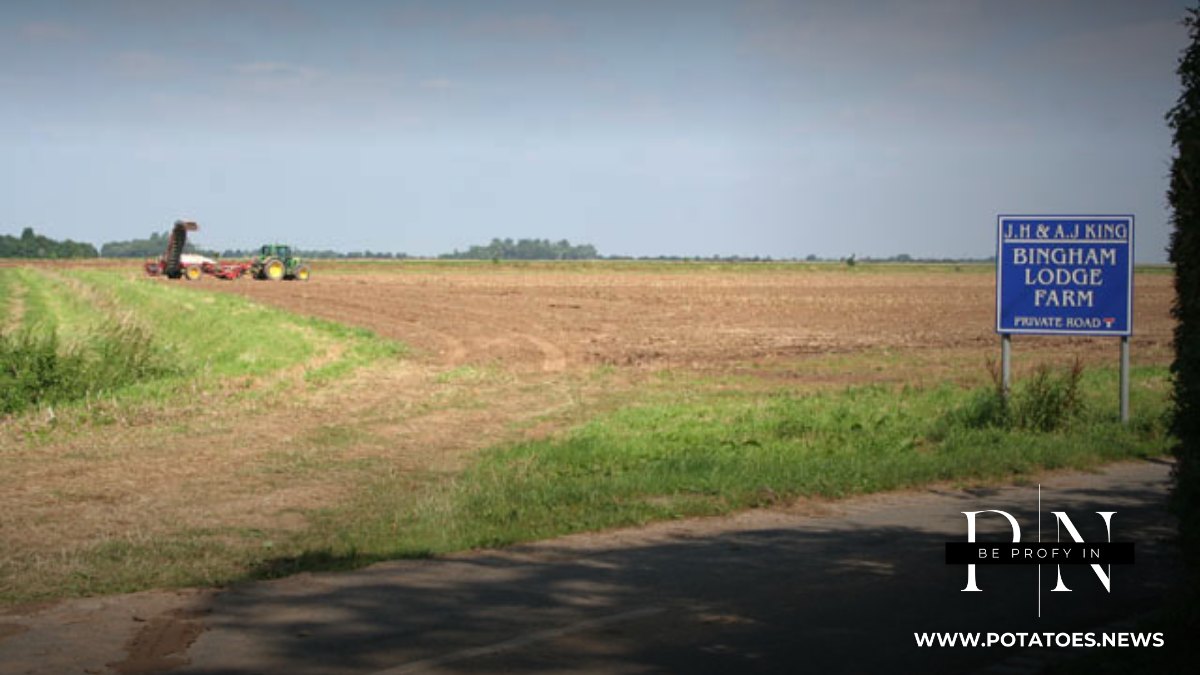
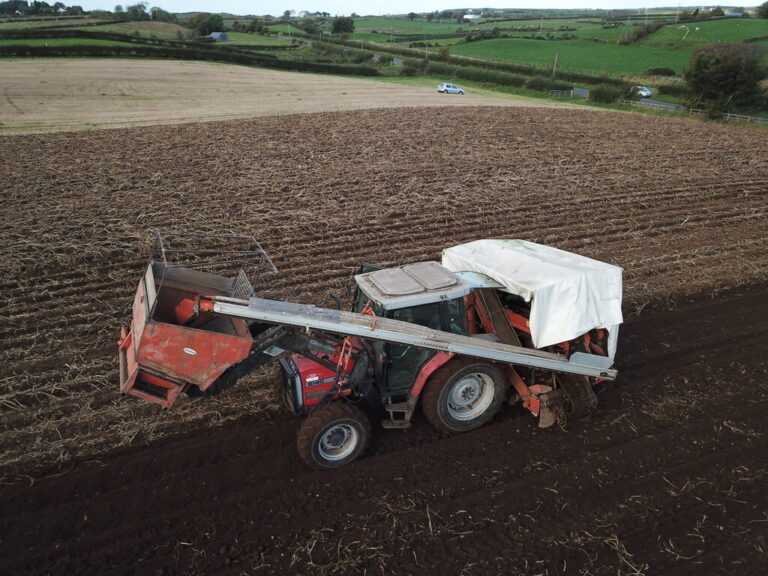
Skin set — the hardening of the tuber periderm that determines harvest bruising — is largely decided in the one to three weeks between haulm killing and lifting, making desiccation management one of the highest-leverage operations of the season.
Chemical desiccation, often combined with flailing, gives the most consistent results: mechanical topping opens the canopy and reduces chemical rates, while the desiccant finishes regrowth and kills stems down to ground level.
Incomplete haulm killing leaves green stems that block harvesters, spread late blight sporangia onto lifted tubers, and delay skin set, multiplying bruise damage that shows up as black spot after grading.
Weekdays. Unsubscribe in one click.
In the EU, diquat’s approval was not renewed (last use February 2020), and the slower alternatives require longer lead times between first desiccation and harvest.
Storage managers add a final argument for discipline: tubers lifted before skin set lose moisture faster all winter and show higher pressure bruise in deep piles — losses that began with a decision made weeks earlier at desiccation.
Sources: UF/IFAS EDIS HS181; Irish Farmers Journal