US and Canada Potato Supplies Tighten as Idaho Heads for Smallest Crop Since 2010
Potato supplies across the U.S. and Canada are tightening this season — Idaho expects its smallest crop since 2010 — just as consumers shift toward flavorful varieties and convenient formats; U.S. yellow-potato sales have more than doubled in eight years to $598 million.
Potato supplies across the U.S. and Canada are tightening this season — Idaho expects its smallest crop since 2010 — just as consumers shift toward flavorful varieties and convenient formats; U.S. yellow-potato sales have more than doubled in eight years to $598 million.
North America’s fresh potato category is being squeezed from both sides this season — and that, according to EarthFresh, is exactly where opportunity sits. Supplies are tighter in both the United States and Canada, with production down in major Russet-growing regions including Idaho, Wisconsin and Colorado’s San Luis Valley. Idaho, the country’s largest potato-producing state, is reporting a production decline of approximately nine percent and projecting its smallest crop since 2010. Early reports from Canada also point to reduced supplies, with excessive rainfall in several growing regions creating variability in crop conditions.
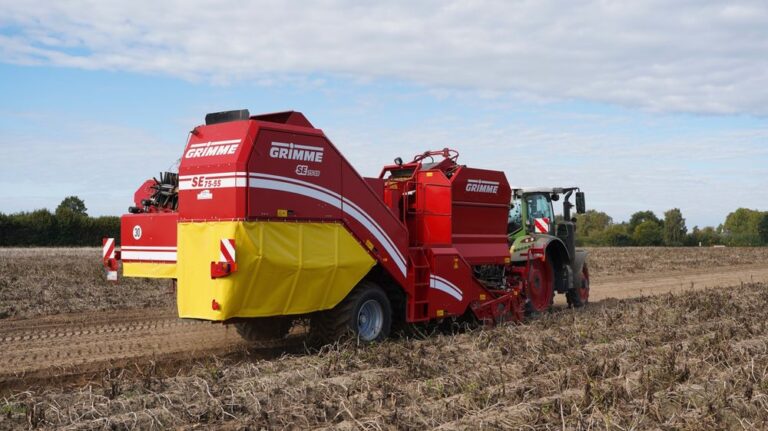
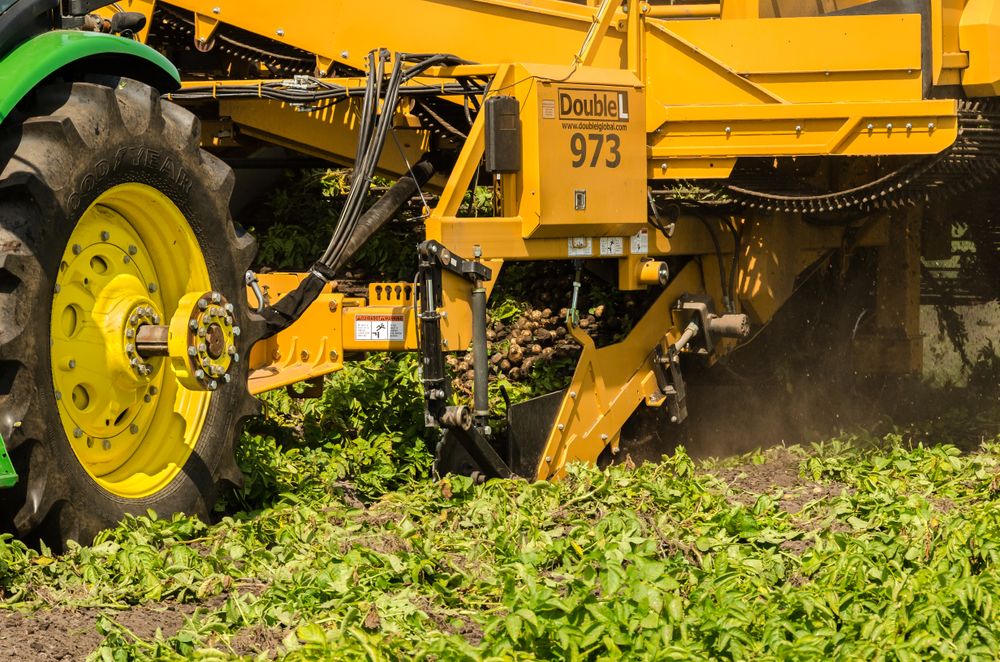
“Overall, yields are down, but quality is good,” says Andrew George of EarthFresh. Idaho Russets are seeing lower yields and smaller potatoes due to frost, summer heat and limited water, while Michigan, Maine, Nebraska, Wisconsin and Colorado report good quality. In Canada, yields are below average in western regions, with more favorable conditions in the east. Harvesting continues, with growers racing to complete digging and move potatoes into storage before frost.
Weekdays. Unsubscribe in one click.
Cost pressure compounds the supply story. Fertilizer prices have increased by as much as 50 percent, while rising fuel costs and a shortage of truck drivers have pushed transportation expenses higher. EarthFresh expects to maintain consistent supplies of its proprietary varieties through its network of growers across different production regions.
On the demand side, the category is evolving fast. “We’re seeing continued evolution in the fresh potato category as consumers increasingly prioritize flavor, convenience, and variety,” says Jessica Anderson of EarthFresh. Yellow-flesh potatoes illustrate the shift: according to 2025 Nielsen data, U.S. sales of yellow potatoes have more than doubled over the past eight years, from $284 million to $598 million.
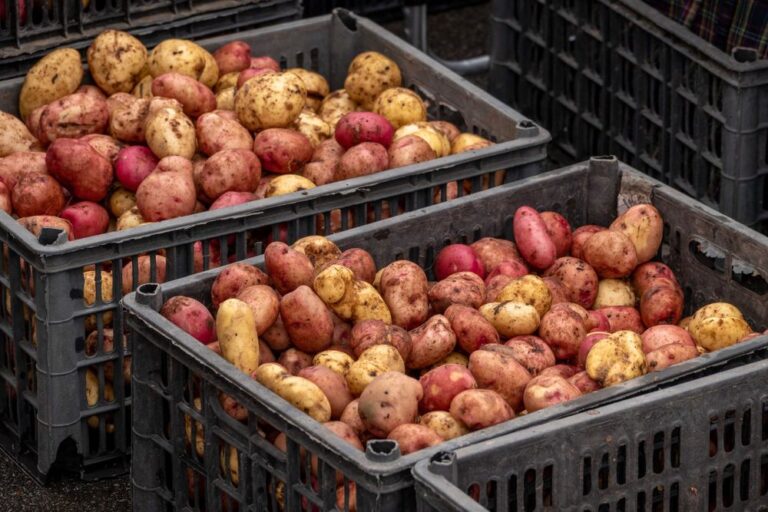
EarthFresh’s own answer is the Butter Potato program — Butter Russets, Butter Reds and Butter Golds, selected for creamy texture, flavor and cooking performance after more than a decade of research and development. “The first year has been a breakout success for us,” says Shilo Sammy of EarthFresh: the range has reached more than four million households since launch, and acreage dedicated to the program has increased by 40 percent to support year-round availability.
Convenience formats are growing just as fast. The company’s baby potato segment has more than doubled over the past year, with strong interest in 1.5-pound and three-pound packages. Its Fast. Fresh. Gourmet. range — oven and grilling trays, air-fryer packs — targets preparation time, while organic potatoes in two-pound packs aim at smaller households seeking an accessible price point.
The supply squeeze may even redraw foodservice menus: with large Russets becoming scarcer and more expensive, EarthFresh is expanding its Butter Potato program into foodservice with 50-pound cartons, offering operators an alternative. Looking ahead, the company plans to expand baby-potato acreage and packing capacity, grow the Butter program and strengthen year-round organic supplies — betting that in a lower-production market, differentiated varieties and convenient formats will claim a larger share of the North American potato business.
Sources
- FreshPlaza, “Tighter potato supplies coincide with growing demand for premium varieties” — freshplaza.com
- Potato Business, “US: Yellow-Flesh Potato Segment Doubles To $598 Million As Russet Share Declines” — potatobusiness.com