Europe: Fungicide-Resistant Late Blight Strains Force a Rethink of Potato Protection Programs
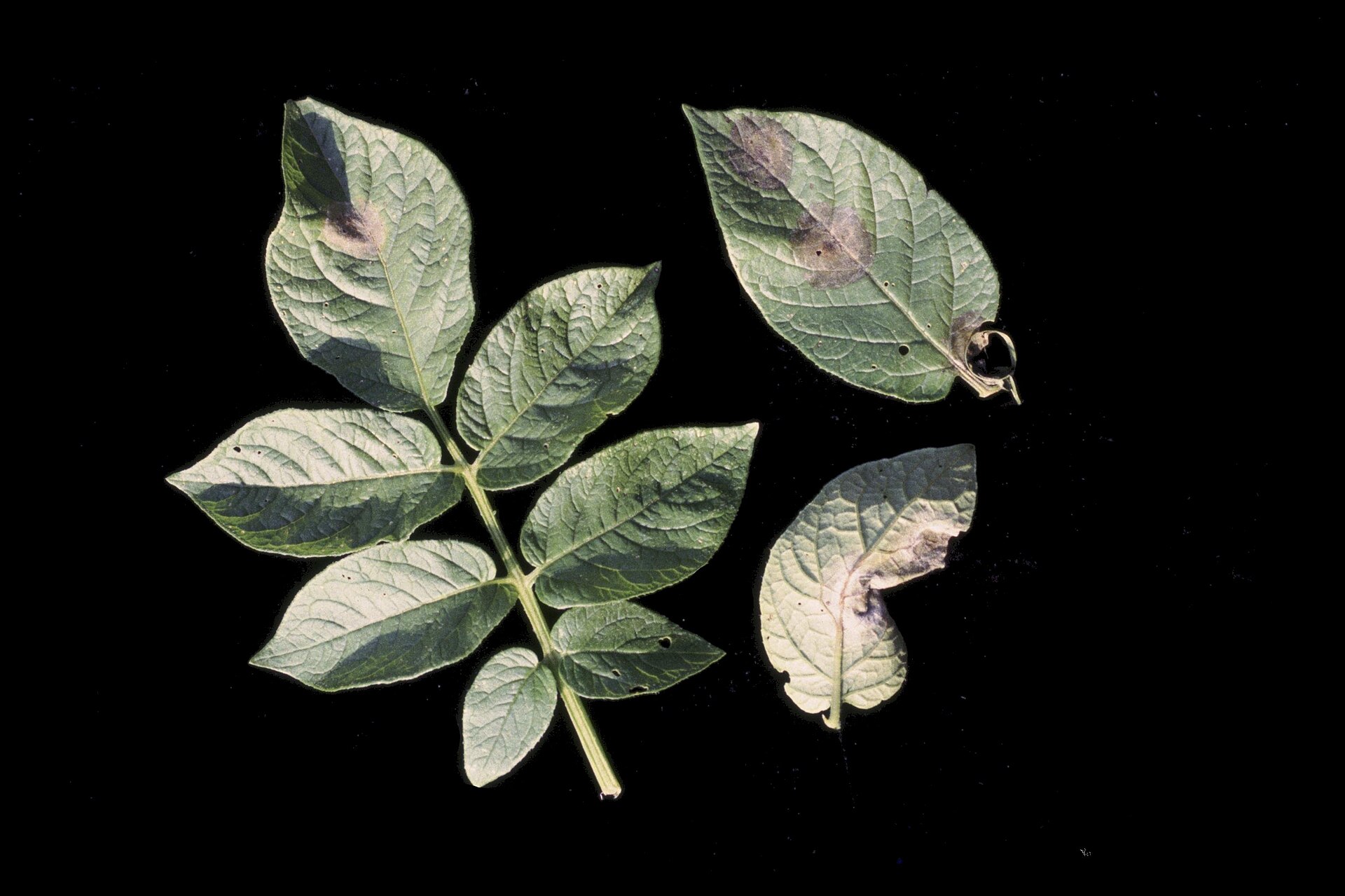
Late blight has always been the defining disease of European potato production, but the terms of engagement are shifting. According to a technical analysis published by Groupe Berkem, monitoring conducted during 2025 detected elevated frequencies of resistance to fungicides of the OSBPI group in Phytophthora infestans samples collected from potato crops in Belgium, Germany and the Netherlands — three of the four core processing-potato countries of northwest Europe. In the same countries, reduced effectiveness of products belonging to this group was also observed in the field.
The picture elsewhere is less acute but hardly reassuring. Low to moderate frequencies of resistant strains were registered in France, Switzerland, Austria, Poland, Sweden, Portugal and the United Kingdom. Molecular analyses identified mutations associated with reduced sensitivity — and, in some cases, combinations of mutations linked to high resistance levels. For a pathogen that can complete new infection cycles within days under humid conditions, that genetic flexibility is its greatest weapon: high variability, rapid reproduction and short cycle times let P. infestans adapt to chemical pressure faster than almost any other potato pathogen.
The mechanism behind the erosion is well understood, which is what makes the finding so uncomfortable. Repeated application of products sharing the same mode of action imposes selection pressure on the pathogen population. Naturally less sensitive individuals survive treatment, reproduce and can come to dominate the crop. The practical consequences stack up quickly: treatments lose efficacy, the risk of outbreaks rises, and the menu of alternatives available for building protection programs shrinks — a problem aggravated by the declining number of active substances authorized in Europe, a process the industry has been tracking for years.
Weekdays. Unsubscribe in one click.
The technical recommendations that follow are unambiguous. Fungicides should be applied preventively, respecting the doses, intervals and conditions established for each product. Alternating chemical families is fundamental: consecutive applications of the same mode of action are to be avoided, and mixtures should combine effective products from groups without cross-resistance. For OSBPI fungicides specifically, the Fungicide Resistance Action Committee (FRAC) recommends avoiding consecutive applications altogether and limiting the group’s share within the overall potato protection program.
Crucially, the strategy does not start at the sprayer. The integrated approach outlined in the analysis begins with certified seed potatoes, elimination of volunteer plants and infected residues, crop rotation and careful irrigation management to reduce initial inoculum sources. Varieties with better sanitary behavior, good canopy aeration and decision-making supported by weather data, field monitoring and alert systems complete the package — agronomic measures, genetic resistance and decision-support tools combined before chemistry is even considered.
For European growers, the message lands at a sensitive moment. Protection programs for the coming seasons will need to be drawn up with resistance management as a design principle rather than an afterthought: fewer automatic repeats, more alternation, and a heavier reliance on monitoring to catch shifts in sensitivity before they show up as failed sprays. The 2025 monitoring data suggest that in the Benelux-German heartland, that shift is no longer theoretical. What the coming season’s surveillance shows — whether resistant frequencies stabilize under stricter rotation or continue to climb — will shape product choices and regulatory discussions well beyond a single campaign.