Global: Wireworm Resurgence Follows Loss of Legacy Insecticides
With older soil insecticides withdrawn, wireworm damage is rising in several regions; monitoring, rotation and new chemistry fill the gap imperfectly.
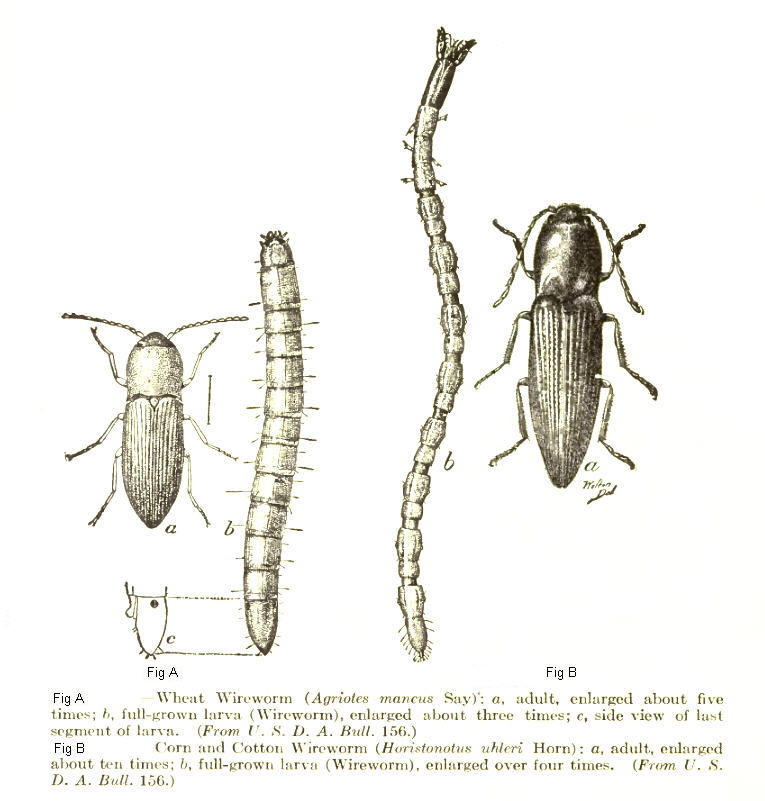
Wireworm damage to potatoes is resurging in regions where legacy soil insecticides — such as ethoprophos in the UK, fipronil and chlorpyrifos in the EU and phorate in Canada — have been withdrawn, leaving growers to manage the multi-year pest with monitoring, rotation and a smaller chemical toolbox.
Wireworm larvae live in soil for up to five years, tunneling tubers and destroying marketability; a single damaged tuber in a pre-pack can trigger consumer complaints, making the pest’s commercial impact disproportionate to its field incidence.
Risk assessment starts with history: fields following grass or pasture carry elevated populations, and bait-station monitoring before planting quantifies pressure where history is unclear.
Weekdays. Unsubscribe in one click.
Remaining options give only partial control — in-furrow lambda-cyhalothrin, for example, gives at most about 50% — while entomopathogenic fungi such as Metarhizium show promise but inconsistent field performance.
Rotation strategy helps where feasible: wireworm populations decline under crops they cannot feed on, though their longevity means short rotations provide limited relief. For high-value table crops, specialists recommend reserving the best-protected fields rather than gambling on marginal ones.
Sources: Farmers Weekly, 2022; Agriculture and Agri-Food Canada; Regulation (EU) 2020/18