The rise in potato prices in Peru is being driven by the spread of late blight, known locally as “rancha”, rather than by a smaller planted area, according to Luis Cruz Cuadros, general manager of the farm federation Conveagro. His comments were reported by Infobae Perú and El Comercio on 20 September.
According to the reports, growers in the coastal valleys of Cañete and Huaral, south and north of Lima, have had to run tractors over potato plots that could no longer be harvested because of the disease.
Drought warning
Peru’s annual potato production usually reaches about 3.7 million tonnes, Conveagro says. The federation warns that drought linked to El Niño could cut up to 1.7 million tonnes from that total. This is an industry projection, not official data. El Comercio’s wording can be read as a fall to 1.7 million tonnes rather than a cut of that size; Infobae’s text refers to a reduction.
The reports say drought affects more than 600 districts and that about 2 million producers could lose their working capital. Across the Peruvian diet, 300 of 560 food items have risen in price, with tomatoes up as much as 123% in a month and corn more than 90%. Neither report gives a current potato price in soles per kilogram.
Context
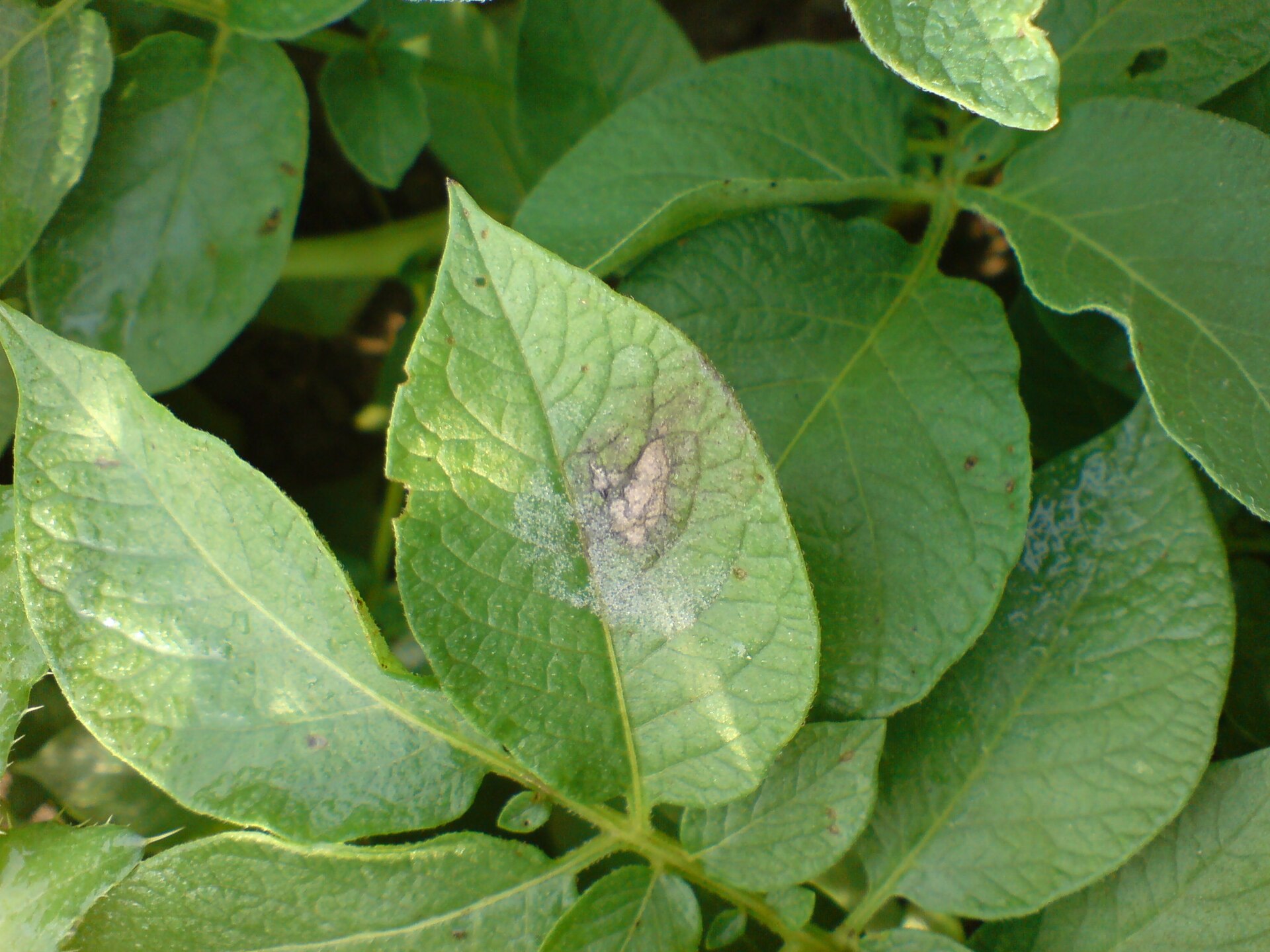
Late blight, caused by Phytophthora infestans, spreads fastest in cool, humid weather and can destroy a crop within days if it is not controlled. POTATOES NEWS reported on 21 September that El Niño was clouding the start of Peru’s 2026/27 main season and that Conveagro had submitted an emergency agenda to the agriculture ministry. The new element is the federation’s view that disease, not area, is behind the current price rise.
Why it matters
If disease rather than lower plantings is pushing prices up, the supply problem is harder to fix quickly: area can be replanted, but infected fields are lost. For growers, the priority is fungicide programmes and monitoring during humid spells. For buyers, a projected loss of this size would make Peru’s potato prices a key indicator for the Andean region in the months ahead.
Prevention & control · Editorial note
Late blight (Phytophthora infestans): what growers can do
- Prevention: plant certified seed, destroy cull piles and volunteer potatoes, hill rows high to shield tubers, and harvest no earlier than 2–3 weeks after haulm kill.
- Monitoring: risk rises when leaves stay wet or humidity is at or above 90% for six hours or more; start protection before the canopy closes.
- Chemical protection in Peru: active ingredients registered for late blight on potato in Peru include mancozeb or propineb (FRAC M3) and chlorothalonil (M5) as protectants, combined with cymoxanil (27) or dimethomorph (40) for systemic and translaminar action. Check the SENASA register for the current label of each product.
- Resistance management: rotate or mix FRAC groups; use phenylamides (group 4) only preventively and in mixtures.
This note is provided by the potatoes.news editorial team for information only. It is not a recommendation of any company and is not mandatory. Use only plant protection products authorised in your country and follow the label. Product names and registrations differ between countries; consult a local agronomist.
Photo: Potato leaf infected by Phytophthora infestans (late blight) (illustrative). Björn Andersson (SLU) / Wikimedia Commons, CC BY-SA 4.0