Russia: Cold, Cloudy Weather Slows Diquat Desiccation as EU Growers Manage Without It
Overcast weather stretches the kill time of contact desiccants to weeks, Russian growers say, while EU farms have worked without diquat since 2020.
“If the weather is overcast, Reglone will not dry the haulm even in two weeks.” The remark, from a Russian grower this week, captures the late-season dilemma: the calendar says harvest, the tops say otherwise.
Diquat, the active substance of Reglone, is a contact desiccant. It burns green tissue where the spray lands, and it works fastest in bright, warm, dry conditions. In a cool, cloudy spell the same rate can take twice as long, and heavy haulm may need a second pass. Practitioners note that partial desiccation is often enough: the skin can still set if the crop is left to mature, and some varieties help the process themselves. On Wendy, growers in the same discussion report, the haulm does not detach from the stolons — an advantage when lifting in damp conditions, because open wounds on the stolon end are one more entry gate for storage rots.
The European backdrop
Across the EU the conversation runs in reverse. The European Commission did not renew the approval of diquat in 2018, and the last grace periods expired in February 2020. European growers have spent six seasons rebuilding haulm destruction around flailing and the remaining chemistry. The practical lesson travels both ways: whoever kills the tops, timing and weather decide how clean the job is.
Weekdays. Unsubscribe in one click.
In Russia, ware potato growers can choose between diquat, glufosinate-ammonium and carfentrazone-ethyl, all registered for haulm desiccation. The products differ in speed and in how they behave on dense, still-green canopy; rates and intervals are set by the label of each product.
Why it matters beyond the spray window
Incomplete desiccation is not only a harvest problem. Green, juicy haulm and wet tubers go into the store together, and that combination feeds Pythium leak — the rot that several Russian farms are finding this week even in carefully lifted crops. A clean, timely kill of the tops is the first line of storage protection, and a cold September makes it harder to achieve.
Prevention & control · Editorial note
Haulm desiccation: what growers can do
- Prevention: plan desiccation by crop maturity, not only by calendar; allow enough days between treatment and lifting for skin set.
- Monitoring: check skin set with the thumb-rub test before booking the harvester; reassess after cold, cloudy spells.
- Chemical protection in Russia: diquat (HRAC 22), glufosinate-ammonium (HRAC 10), carfentrazone-ethyl (HRAC 14) — registered for potato desiccation in Russia; follow the label.
- Resistance management: desiccants are used once or twice at season’s end; the main risk is incomplete kill, not resistance.
This note is provided by the potatoes.news editorial team for information only. It is not a recommendation of any company and is not mandatory. Use only plant protection products authorised in your country and follow the label. Product names and registrations differ between countries; consult a local agronomist.
The topic was raised by practitioners in the MAX messenger chat “КАРТОФЕЛЬ И Т.Д. (Potato etc.)”, which has more than 1,100 participants. Participants are not named.
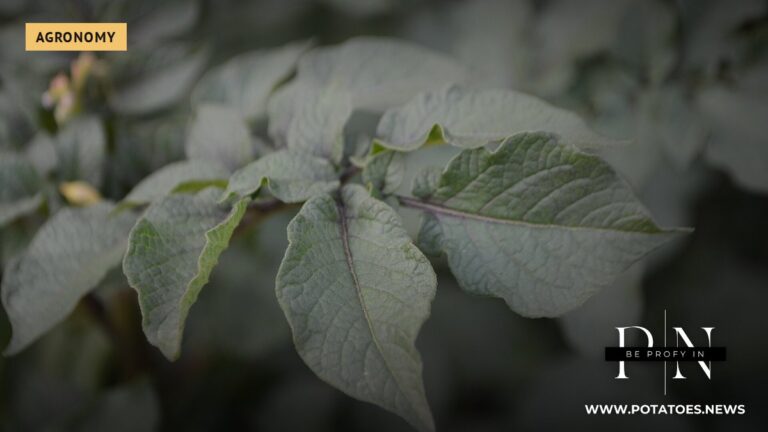
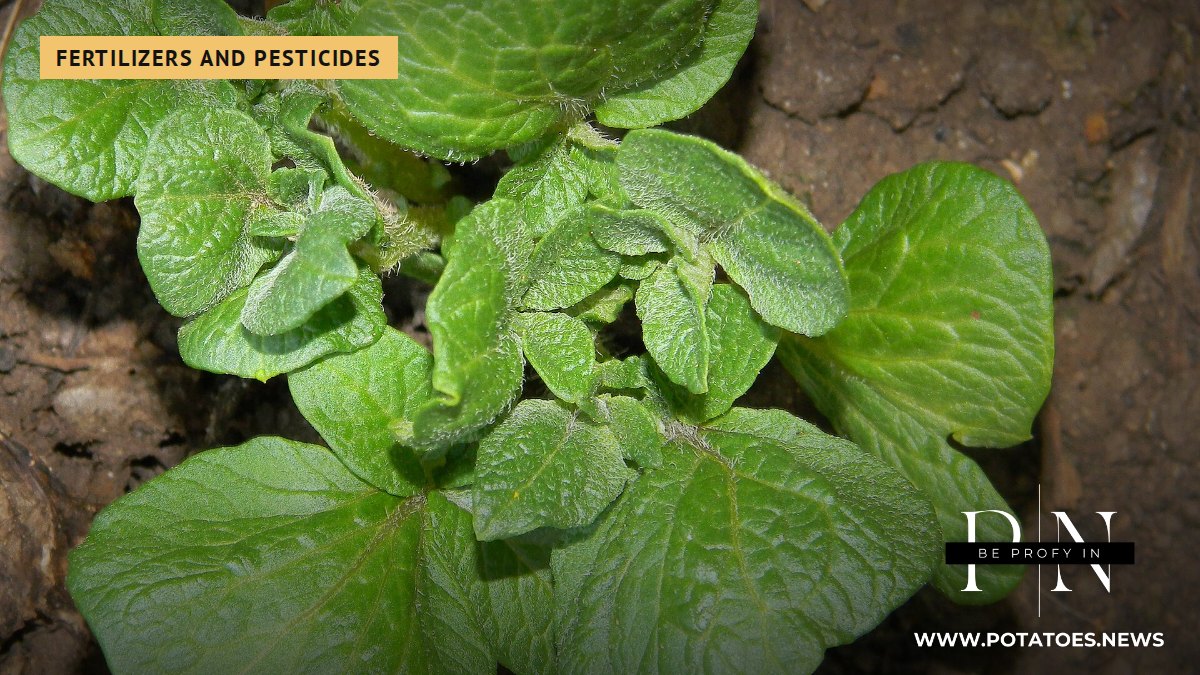
Photo: Potato haulm still green ahead of desiccation (illustrative). Achim Hering / Wikimedia Commons, CC BY 3.0