
Shangi Kinga: The New Potato Giving Kenyan Farmers Hope Against Late Blight
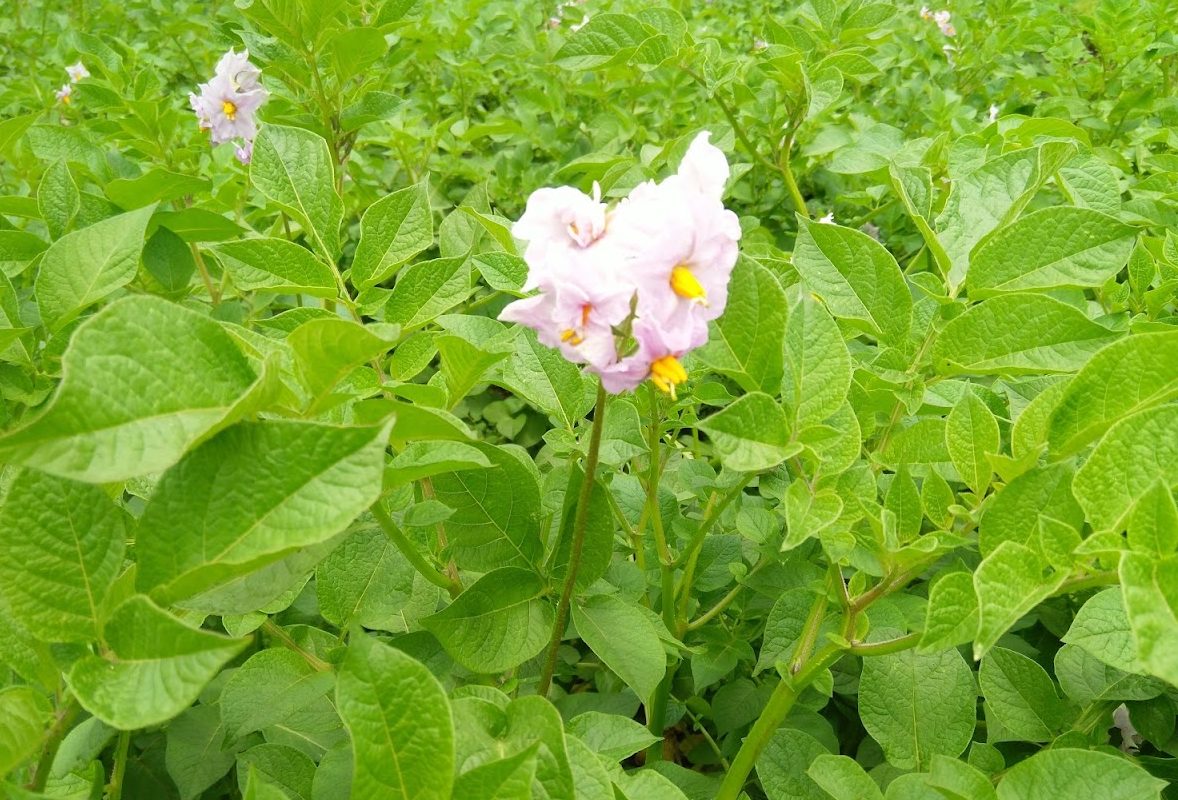
For years, Shangi has remained Kenya’s favorite potato variety loved by farmers for its fast maturity and by consumers for its taste and cooking quality. But despite its popularity, the variety has one major weakness: it is highly vulnerable to late blight, a disease capable of destroying an entire potato field within days.
Now, scientists believe they may have found a solution.
Researchers from the Kenya Agricultural and Livestock Research Organization (KALRO) and the International Potato Center (CIP) have developed Shangi Kinga, an improved version of Shangi designed to resist late blight using advanced biotechnology.
Weekdays. Unsubscribe in one click.
The new variety is already attracting attention across Kenya’s potato sector, with scientists describing it as a possible breakthrough in reducing crop losses, lowering fungicide use, and improving food security.
The Disease That Keeps Farmers Awake
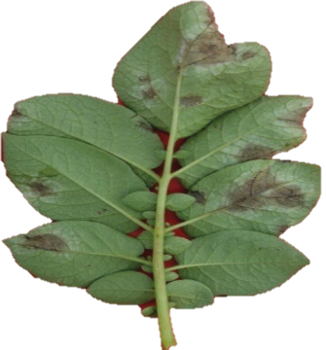
Late blight, caused by the pathogen Phytophthora infestans, is one of the world’s most destructive potato diseases. It spreads rapidly during cold and wet weather conditions common in Kenya’s potato-growing regions such as Nyandarua, Nakuru, Meru, Elgeyo Marakwet, and Narok.
The disease spreads through wind-blown spores, infected seed potatoes, rain splash, contaminated soil, and farm equipment.
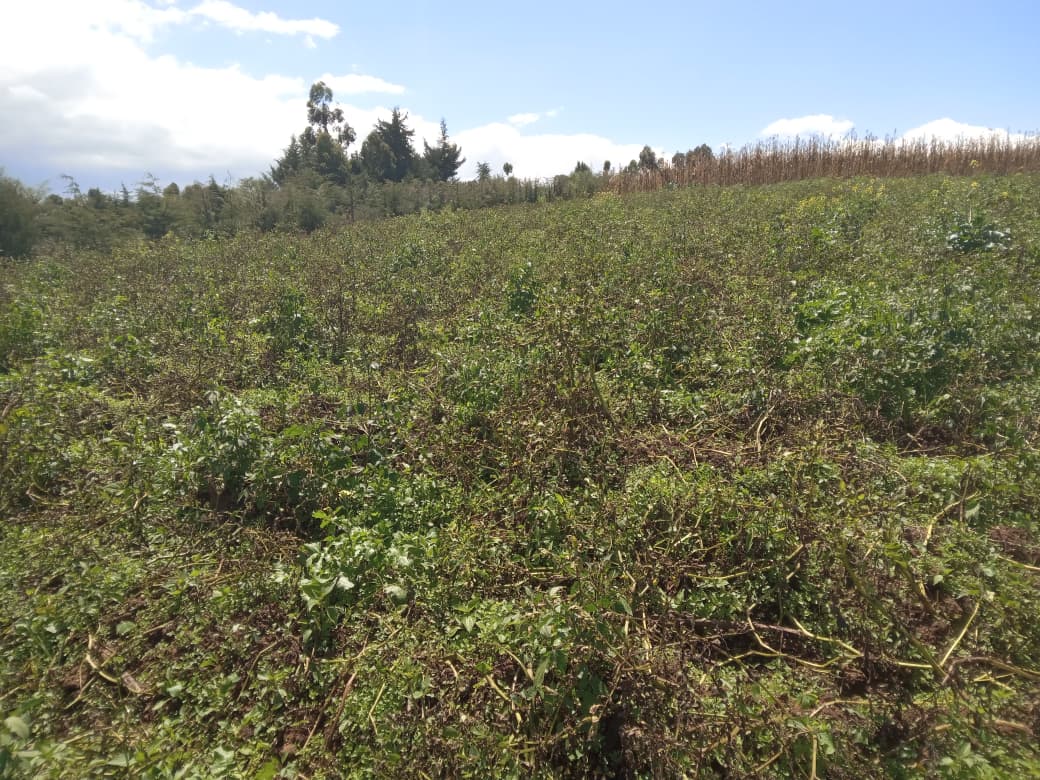
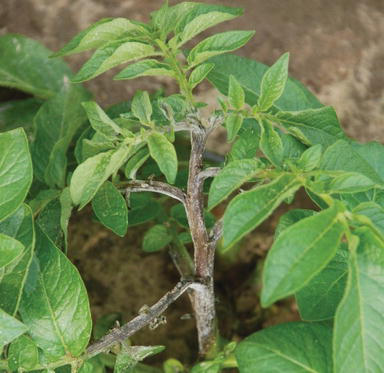
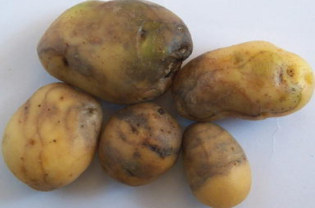
Once the spores land on wet potato leaves, infection begins quickly. Dark water-soaked spots appear on leaves and stems before plants eventually turn brown, collapse and rot.
In severe outbreaks, farmers can lose an entire crop in less than two weeks.
To fight the disease, many farmers spray fungicides repeatedly during the growing season, sometimes more than 10 times, increasing production costs and exposing farms and waterways to chemical residues.
How the Potato Plant Fights Back
What many farmers may not realize is that potato plants naturally have their own immune systems.
When attacked by disease, the plant attempts to defend itself by strengthening cell walls, producing protective chemicals and isolating infected tissues to slow down the spread.
However, ordinary Shangi potatoes are easily overwhelmed because Phytophthora infestans produces special proteins called effectors that suppress the plant’s natural defenses.
Scientists therefore looked to wild potato relatives for help.
The Science Behind Shangi Kinga
Researchers identified special resistance genes, commonly known as R genes, in wild potato species that naturally resist late blight.
These genes act like an early warning system inside the plant. Once the pathogen attacks, the R genes help the potato recognize the disease quickly and activate strong defense responses before the infection spreads.
Instead of relying on a single resistance gene, scientists combined several R genes in a process known as gene stacking to make the resistance stronger and more durable.
Using tissue culture and modern genetic transformation techniques, the resistance genes were introduced into the Shangi potato while preserving the qualities farmers already love, fast maturity, good cooking quality, high market demand and attractive tubers.
The improved breeding line was initially referred to by researchers as Shangi 105 during laboratory and field testing before later advancing toward commercial release as Shangi Kinga with “Kinga” symbolizing protection.

Trials Showed Promising Results
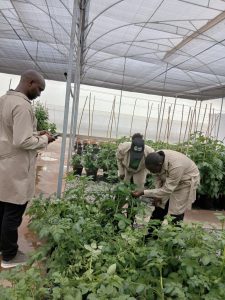
Researchers then subjected the new potato to greenhouse studies, laboratory infection tests, and confined field trials in Muguga, Njambini and Molo.
According to scientists, the results were striking.
While ordinary potato varieties showed severe late blight infections, Shangi Kinga remained green and healthy even under heavy disease pressure.
Scientists say the resistance genes allowed the plant to recognize the invading pathogen early and trigger faster immune responses, stopping the disease before it spread widely through the crop.
Why Awareness Campaigns Are Increasing
With commercialization discussions gaining momentum, researchers and agricultural agencies are now stepping up farmer awareness campaigns across potato-growing regions.
Demonstration plots and farmer field days are being used to show growers how the variety performs under local conditions.
Scientists hope farmers will benefit from:
- Reduced fungicide spraying
- Lower production costs
- Better yields
- Higher profits
- Reduced environmental contamination
- Improved food security
Researchers also want to address misinformation surrounding biotechnology and help farmers better understand how the variety was developed.
Why the Variety Is Facing Resistance
Despite its potential benefits, Shangi Kinga has also sparked debate because it was developed using genetic engineering technologies.
Critics worry about issues such as seed ownership, dependence on commercial seed systems, ecological concerns and the broader use of GM technologies in food production.
Supporters, however, argue that biotechnology could help African agriculture tackle major challenges including crop diseases, climate change, and rising production costs.
Scientists also emphasize that the resistance genes used in Shangi Kinga came from naturally occurring wild potato relatives rather than unrelated organisms.
Part of the public debate has also been fueled by confusion between gene editing and genetic modification, with many people broadly grouping both technologies under the GMO label.
A Defining Moment for Kenyan Agriculture
For researchers, Shangi Kinga represents more than just a new potato variety.
It is a test of whether science, technology, and traditional farming can work together to solve one of Kenya’s most costly agricultural problems.
For farmers battling late blight season after season, the promise is simple: fewer sprays, lower losses and healthier harvests.
And as Kenya moves closer toward possible commercial release of the variety, the conversation surrounding Shangi Kinga may shape the future of agricultural biotechnology across Africa.