
Colombia: McCain Director Admits Complex Reality of the Agribusiness Sector
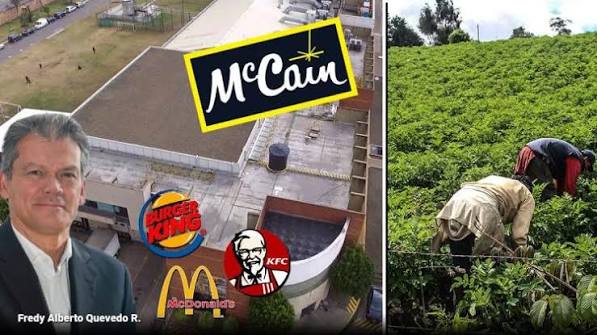
Colombia’s agribusiness sector is facing a challenging period marked by slowing production, climate-related risks, and increasing pressure on agricultural supply chains. Despite these difficulties, some companies continue to demonstrate resilience and growth. One notable example is McCain, the Canadian frozen food giant recognized globally for its potato-based products. Recent comments from McCain’s regional leadership have shed light on both the opportunities and challenges currently shaping Colombia’s agricultural landscape.
Agribusiness Challenges in Colombia
The Colombian agricultural industry has been navigating a difficult environment due to production slowdowns and the ongoing threat of weather disruptions associated with the El Niño phenomenon. These factors have created uncertainty for farmers, processors, and exporters alike, impacting overall sector performance. According to industry reports, the agricultural segment experienced a decline during the opening months of the year, highlighting the pressures faced by producers across the country.
Climate variability remains one of the most significant concerns for agribusinesses operating in Colombia. Irregular rainfall patterns, drought conditions, and increasing production costs have forced many agricultural companies to adapt their strategies while maintaining competitiveness in domestic and international markets.
Weekdays. Unsubscribe in one click.
McCain’s Growth and Presence in Colombia
Founded in Canada in 1957 by Harrison and Wallace McCain, McCain Foods has grown into one of the world’s largest producers of frozen potato products, serving customers in more than 160 countries. The company’s success has been driven by innovation, agricultural development programs, and a strong global production network.
McCain entered the Colombian market in 1996 through the acquisition of the local potato chip manufacturer Mekato. The company expanded its footprint further in 2000 with the acquisition of Congelagro, strengthening its production capabilities and regional distribution network. Since then, McCain has built long-term partnerships with Colombian potato growers, particularly in the Cundinamarca region, helping develop a sustainable local supply chain based on domestic agricultural production.
Productivity Gains Despite Sector Headwinds
Fredy Quevedo, General Director of McCain for the Andean region, including Colombia, Ecuador, and Venezuela, recently acknowledged the difficult conditions facing the agribusiness sector. However, he also highlighted the company’s positive performance, noting that McCain has managed to double potato productivity compared with national averages. This achievement reflects years of investment in agricultural practices, farmer partnerships, and supply chain optimization.
The company’s ability to maintain strong operational results despite broader industry challenges demonstrates the importance of technological innovation and close collaboration with local producers. These strategies have allowed McCain to improve yields while supporting sustainable agricultural development across key potato-growing regions.
Investment in Colombia’s Potato Industry
McCain has consistently invested in Colombia’s potato value chain, supporting farmers through equipment financing, agricultural technology, certified seed programs, and infrastructure improvements. Previous company initiatives included investments in machinery, irrigation systems, harvesting equipment, and the development of new potato varieties designed to meet industry requirements and consumer preferences.
These investments have helped increase productivity, strengthen rural economies, and create employment opportunities throughout potato-producing regions such as Cundinamarca, Boyacá, and Nariño. The company has also played a significant role in logistics and transportation, moving tens of thousands of tons of potatoes annually through an extensive distribution network.
Outlook for Colombia’s Agribusiness Sector
While the short-term outlook for Colombia’s agricultural industry remains challenging, companies that prioritize innovation, sustainability, and farmer collaboration are likely to remain competitive. McCain’s experience illustrates how strategic investment and operational efficiency can help agribusinesses navigate economic uncertainty and climate-related risks.
As Colombia continues to modernize its agricultural sector, partnerships between multinational food companies and local producers may become increasingly important in driving productivity, food security, and rural development. The ability to adapt to changing environmental and market conditions will ultimately determine which organizations succeed in the evolving agribusiness landscape.
Conclusion
The comments from McCain’s regional leadership highlight the complex reality facing Colombia’s agribusiness industry today. Although production challenges and climate risks continue to affect the sector, targeted investments, technological advancements, and strong relationships with local farmers are creating opportunities for growth. McCain’s performance demonstrates that resilience and innovation remain key drivers of success in one of Colombia’s most important economic sectors.