
Peru (Huancavelica): Acobamba Makes Significant Progress Toward the Industrialization of Native Potatoes
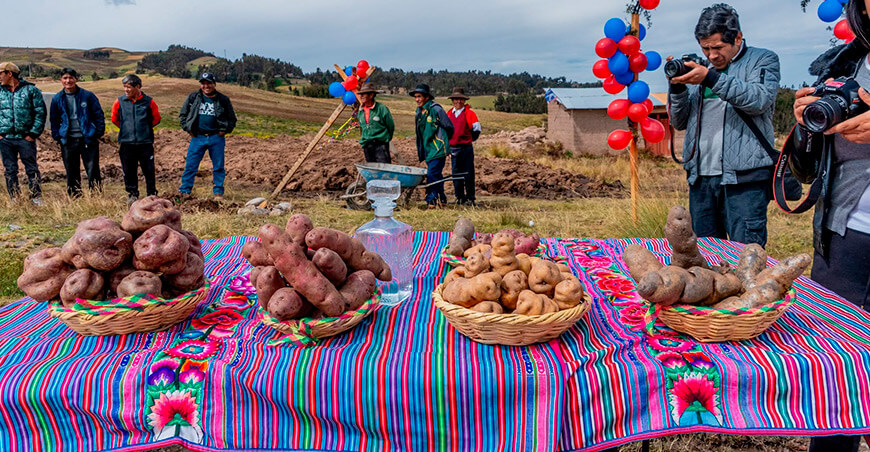
The Peruvian region of Huancavelica has taken a major step toward strengthening its agricultural economy with the launch of a new native potato processing plant in Acobamba. The project represents a milestone in the industrialization of one of Peru’s most iconic crops and is expected to generate new economic opportunities for local farmers while adding value to native potato production.
A Historic Investment for Acobamba
Regional authorities from the Huancavelica Economic Development Office, together with the Procompite program, officially launched construction of a Native Potato Processing Plant for the Unión Pomavilca Association in the district and province of Acobamba. The symbolic laying of the first stone marked the beginning of a project designed to transform the local potato sector and improve the competitiveness of agricultural producers.
The facility will cover approximately 570 square meters and will include processing areas, storage facilities, sanitary services, a courtyard, and a perimeter security structure. The project involves an investment of S/267,700 and is scheduled to be completed within 54 calendar days. In addition, the plant will incorporate electrical and sanitary installations as well as specialized equipment aimed at increasing operational efficiency and production capacity.
Weekdays. Unsubscribe in one click.
Adding Value to Native Potato Production
Native potatoes are among the most important agricultural products cultivated in Peru’s Andean highlands. The new processing facility is expected to enable producers to move beyond the sale of raw potatoes by creating value-added products that can reach more profitable markets.
By processing native potatoes locally, producers can improve product quality, extend shelf life, and access new commercial opportunities in domestic and international markets. This strategy is increasingly viewed as essential for improving incomes among small-scale farming communities and reducing dependence on commodity pricing.
Strengthening Huancavelica’s Agricultural Potential
Huancavelica is recognized as one of Peru’s major potato-producing regions, with thousands of hectares dedicated to both native and improved potato varieties. Provinces such as Acobamba play a crucial role in preserving Peru’s agricultural biodiversity while supporting rural livelihoods through potato cultivation.
The region has also been promoting various value-added products derived from native potatoes, including colored potato chips, processed potatoes for restaurants, potato-based spirits, and other food products. The new processing plant is expected to accelerate these efforts and further position Huancavelica as a leader in potato innovation.
The Importance of Native Potatoes in Peru
Peru is considered the birthplace of the potato and is home to more than 3,000 native potato varieties. The crop supports over 700,000 farming families across the country and remains a cornerstone of food security, rural employment, and cultural heritage. Native potatoes, typically cultivated at elevations between 3,000 and 4,200 meters above sea level, represent a valuable agricultural resource with significant market potential.
As consumer demand grows for unique, nutritious, and sustainably produced foods, native potato products are increasingly attracting attention from food processors, retailers, and export markets. This trend creates new opportunities for rural communities that can successfully integrate production, processing, and marketing activities.
Economic Benefits for Local Communities
The Acobamba processing plant is expected to contribute to regional development by generating employment, strengthening producer organizations, and facilitating access to new markets. The project aligns with broader efforts by Procompite to encourage productive investment, support agricultural transformation, and improve the competitiveness of rural enterprises.
By creating local processing capacity, the initiative reduces reliance on external intermediaries and allows a greater share of economic value to remain within farming communities. Such investments are increasingly important for fostering sustainable development in Peru’s highland regions.
Future Outlook
The construction of the native potato processing plant represents more than just a new industrial facility; it symbolizes a shift toward a more modern and diversified agricultural economy in Huancavelica. As processing capabilities expand, producers will be better positioned to compete in specialized food markets while preserving the rich genetic diversity of Peru’s native potatoes.
If successfully implemented, the Acobamba project could serve as a model for other potato-producing regions across Peru, demonstrating how investment in processing infrastructure can strengthen rural economies, create jobs, and unlock new opportunities within the agricultural value chain.
Conclusion
Acobamba’s new native potato processing plant marks a significant advancement for Peru’s agricultural sector. Through strategic investment, value-added production, and support for local farming organizations, the project is set to enhance the competitiveness of native potato producers while contributing to long-term economic growth in Huancavelica. As Peru continues to promote agricultural innovation, initiatives like this will play a key role in transforming traditional farming into a more sustainable and profitable industry.