
Three Stages of Hilling Potatoes: Biologist’s Tips for a Bumper Harvest
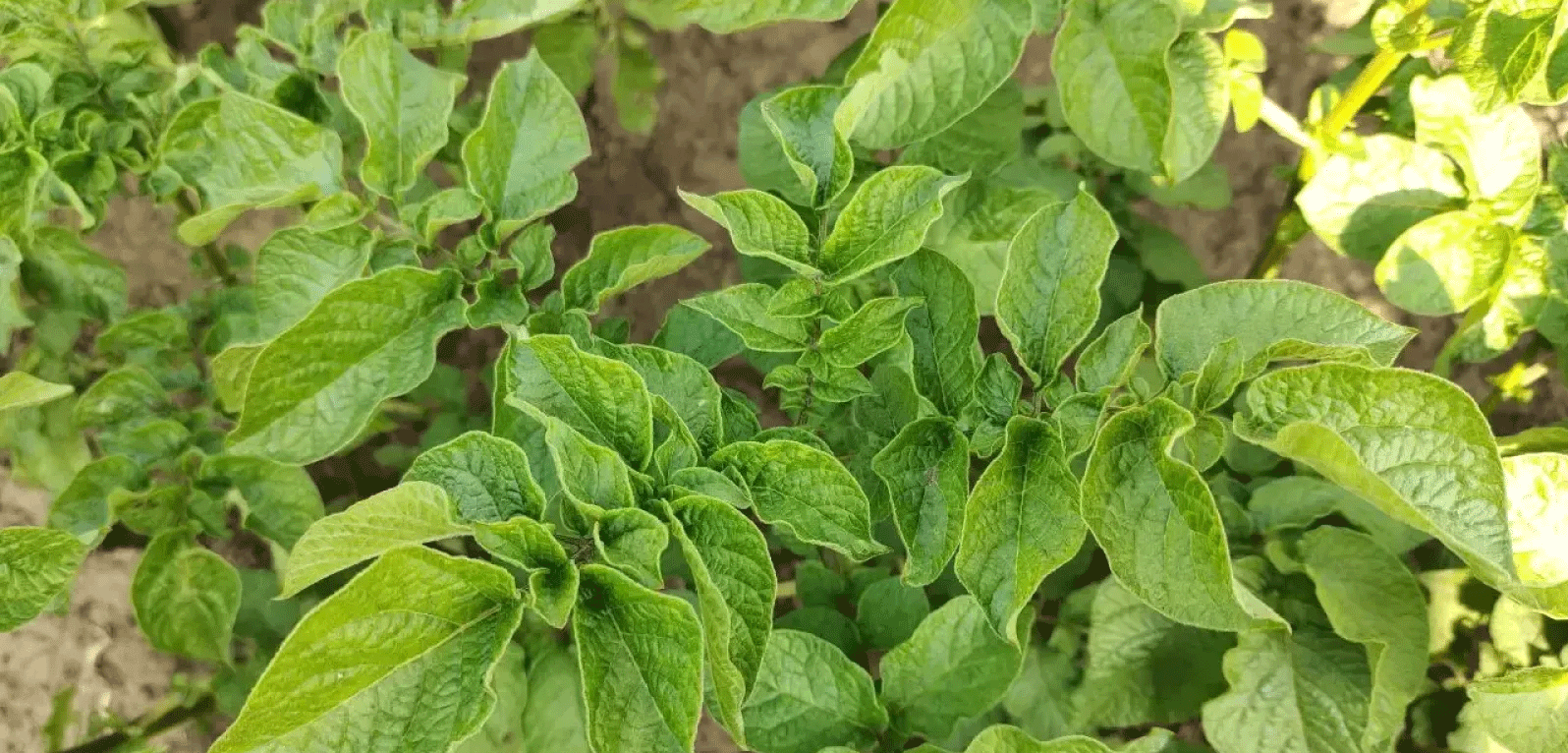
Biologist Gabdulkhay Samigullin from Naberezhnye Chelny has shared recommendations on proper potato hilling, noting that the frequency of the procedure depends on the potato variety, weather conditions, and the state of the bushes. The main goals of hilling are protecting tubers from greening, retaining soil moisture, and stimulating root growth. The expert advises performing the first hilling when sprouts reach a height of 15–20 cm. The second hilling should be done 2–3 weeks later, paying close attention to the size of the bushes — missing this stage can lead to reduced yields. A third hilling is carried out as needed if the bushes begin to fall apart, tubers become exposed, or rows close together.
To maximize the benefits, the ideal time for hilling is morning or evening after watering or rain, which helps preserve moisture in the soil. During drought conditions, beds should be watered thoroughly the day before hilling, while in extreme heat it is best to avoid the procedure altogether to prevent root damage. During the flowering period, hilling can be done but carefully, taking care not to damage buds or developing tubers. However, if the rows have already closed in, hilling should not be performed, the scientist concluded.
Global Potato Brief
Top five stories, prices, disease alerts and events. Weekday mornings, no advertising.
Linked in this material
Related stories

Belgium: Latest Trial Digs Put the Potato Yield at 37.3 t/ha, About 11 t/ha Below the Five-Year Average
Plant Into Ripe Soil or Harvest Clods: Russian Growers Debate the 7–10 Day Window


