Independent agronomist Dmitry Syrtsov explains why seed quality, field history and saleable output after storage shape farm profitability, and why the businesses he advises plan to invest in 2027.
Moderately acidic soil helps suppress common scab, but there is no single pH target for every farm — it is a trade-off between disease and nutrient availability.
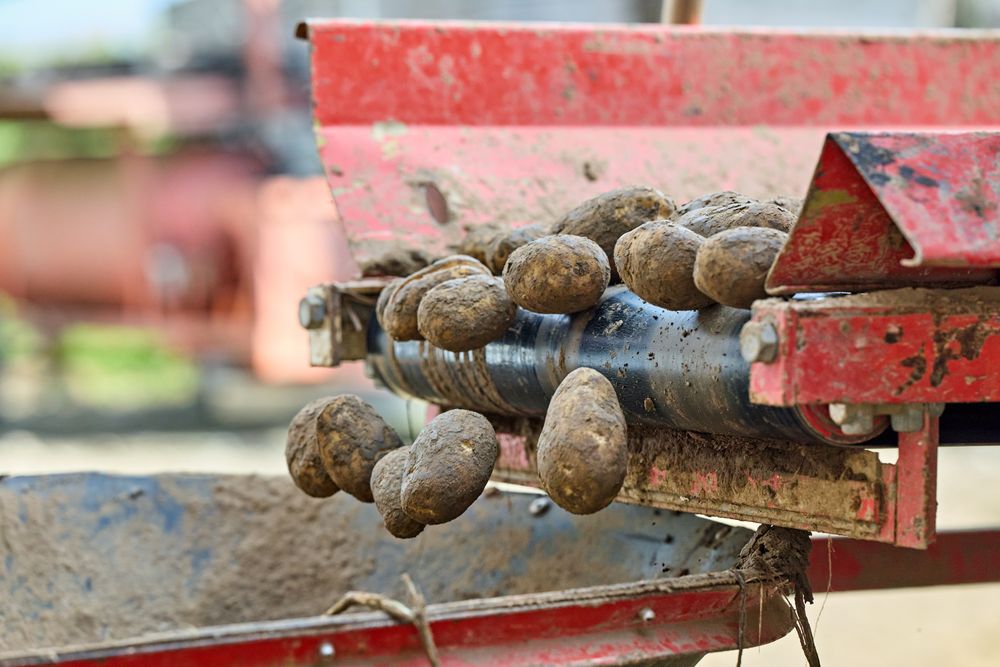
Close-up of potatoes on an automated sorting conveyor. Photo: Erwin Bosman (Pexels) Dutch storage-technology specialist Tolsma-Grisnich has introduced the Optica S, an optical sorter that removes stones, clods, rot and defective produce before potatoes and onions enter…
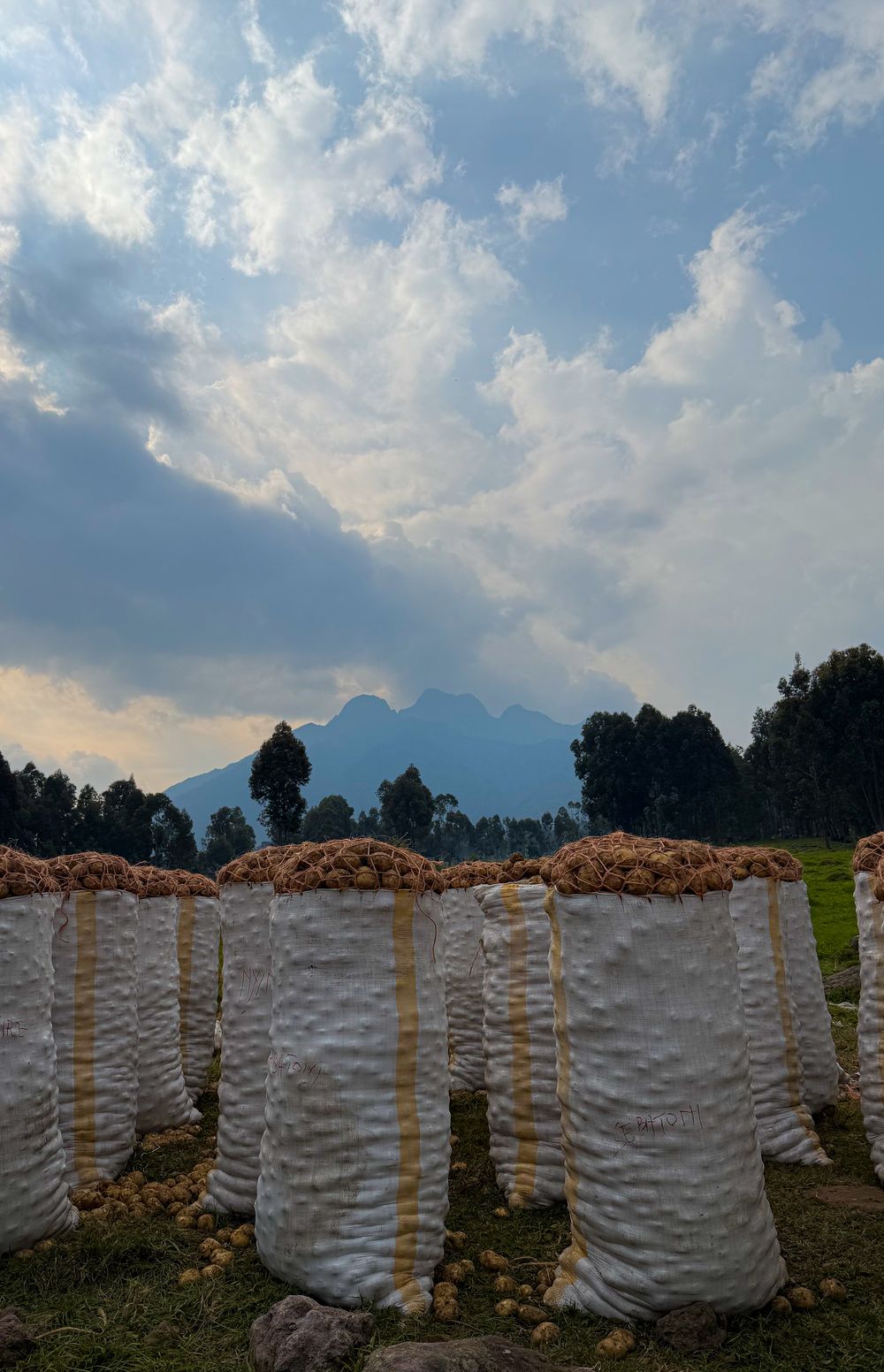
Sacks of harvested potatoes in the East African highlands (Kinigi, Rwanda). Photo: MuganinezA ArsenE (Pexels) The International Potato Center (CIP) and Crop Trust have launched a new phase of the BOLD project in Kenya, aiming to breed…
A Burgos cooperative grower says prices of €0.30-0.40/kg are keeping farms viable after a lower-yield Castilla y León harvest (~30 t/ha); €0.16/kg, he says, would not cover costs.
Potatoes.News welcomes Associate Professor Nomali Ngobese (North-West University, South Africa) to the Potato Expert Panel. Her answers on sprout suppression, spatial sciences for smallholders and what the industry can learn from Africa.
The potato industry's ambitions — dependable supplies, better varieties, sustainable production, expanding markets — all rest on one precondition: that people can make a viable living growing the crop. That is the premise of "Who Will Grow…
Idaho and Slovenian trials show deeper planting and wider ridge tops reduce field greening of tubers. But planting at 23 cm cut yield in two Russet varieties, and late hilling also lowered yield.
Studies collected in a 2025 review show potatoes after vetch, faba bean and other legumes yielded 12.7–38% more than after winter wheat, while oats alone lowered yields in one study.
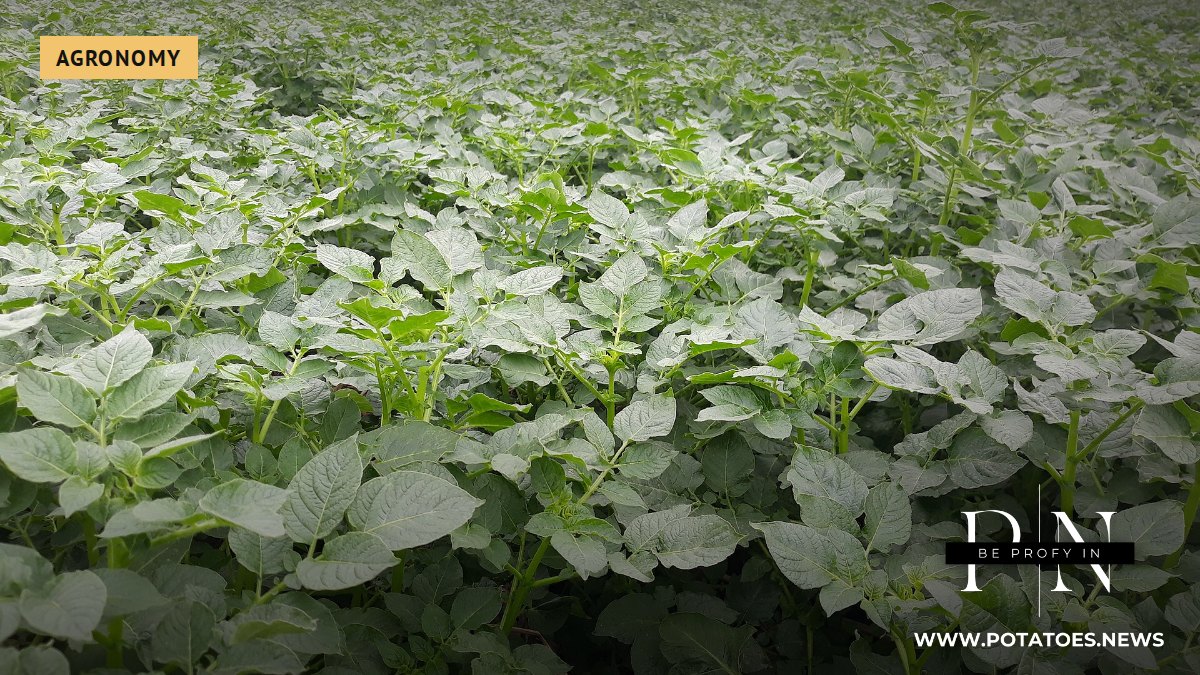
Potato yields are decided long before harvest — they are built phase by phase, from the moment a sprout pushes through the soil to the last weeks of tuber bulking. A fertiliser programme that ignores the crop's…
Field trials at Salt Farm Texel in the Netherlands found that Desiree and Diamant kept 90% of yield at soil salinity well above the 1.7 dS/m threshold in the FAO reference table.
An AHDB guide and Oregon State University Extension show that brassica cover crops can suppress potato cyst nematodes, but only with high biomass, flowering-stage chopping and fast incorporation.
Trials in Washington State and Idaho show gibberellic acid on seed pieces doubles stem numbers and shifts crops to small tubers. Low doses raised yields 11–24%, while high doses deformed stems and cut yield.
University of Idaho and Washington State research shows that cold soil, excess water and uneven nitrogen at tuber initiation start brown center and hollow heart in potatoes.
AHDB, the University of Maine and the PNW handbook show why powdery scab and potato mop-top virus stay in soil for a decade or more, and why clean seed is the main defence.
Wageningen trials, PotatoWorld guidance and a Florida spacing study show that plant density, stem number and variety decide how many tubers end up in the small baby potato grade.
Labels, trials and skin biology all point one way: digging three days after diquat turns the lot into processing stock at best — and a storage write-off at worst.
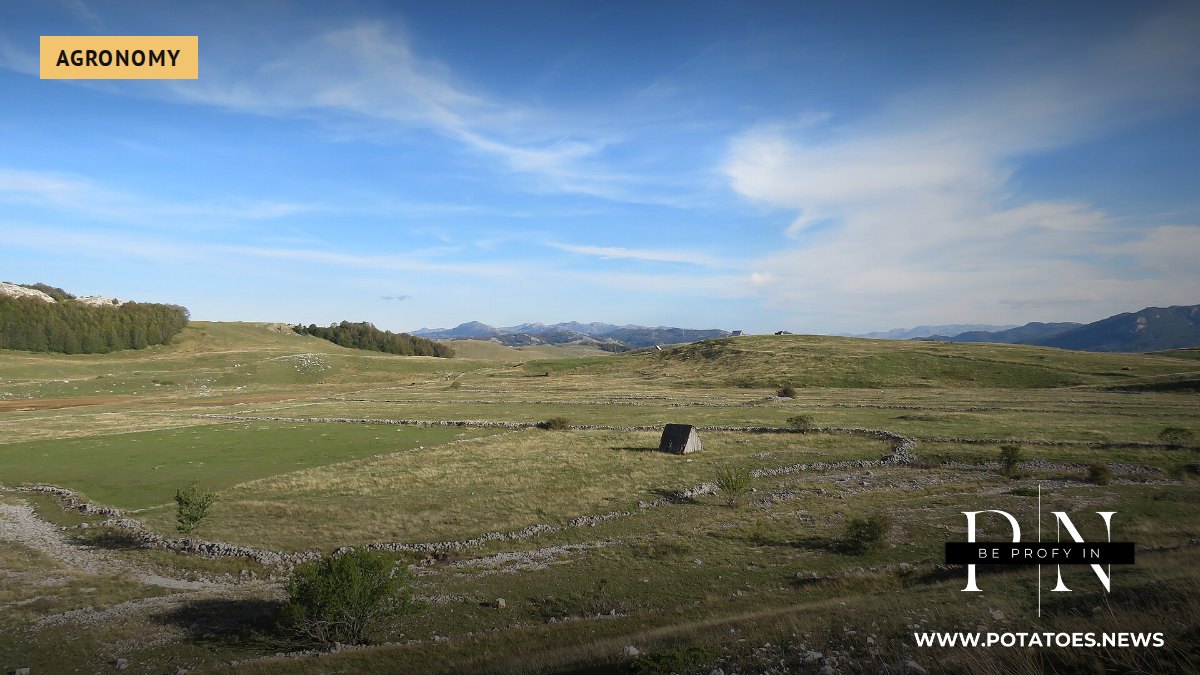
Montenegro harvested 32,588 tonnes of potatoes on 1,914 hectares in 2025. Output has stayed between about 31,700 and 36,100 tonnes a year since 2015, Monstat data show.
NDSU, the French seed potato sector and a 2024 Texas study show how soil heat above 24–25°C stops tuber growth and causes knobs, chains, glassy ends and lost yield.
Clods that end up on the harvester and in the store are mostly made at spring cultivation on wet soil. UK, Irish, Belgian and Russian research shows what they cost at harvest and why machines struggle to…
University of Minnesota guidance advises boron for potatoes only on soils testing 0.4 ppm or less, applied to the soil. Florida advises 1.5 lb of boron per acre on deficient soils and testing every two years.
A 2025 Indian field study sets the critical soil magnesium level for potatoes at 42 mg/kg. University of Minnesota guidance advises magnesium on soils testing below 100 ppm, with the highest rate below 50 ppm.
Extension specialists say potato seed should go into soil of at least 45°F (about 7°C) and rising. In colder soil, emergence slows sharply and seed decay and Rhizoctonia risks grow.
Simulated hail trials in Washington and Colorado show that potato yield loss depends on both defoliation level and growth stage. Total loss of leaves at early bulking cut yield by up to 62%.
A study of 105 field trials found that potato yields fell 12% to 61% when weeds were not controlled. The farm-gate loss would reach US$465 million in the US and US$61 million in Canada.
An AHDB review shows chitting cut time to emergence by 8–10 days and can bring maturity up to two weeks earlier. A 2024 study found storage at 17°C cut yield of one variety by up to 30%.
In a Manitoba rotation trial, potato-canola yielded 95 cwt/acre less than three- and four-year rotations, and vascular wilt hit most plants. Other studies show the break crop also changes yield.
A 70×30 cm layout gives about 47,600 plants per hectare. That means 0.84 kg per plant for 40 t/ha and 1.26 kg for 60 t/ha. Research shows how stems and seed size decide tuber numbers.
Farmers in Nilfamari district have started planting early potatoes. The district plans 22,700 ha of potatoes, including 8,300 ha of early crop, and growers hope for Tk 90–100 per kg.
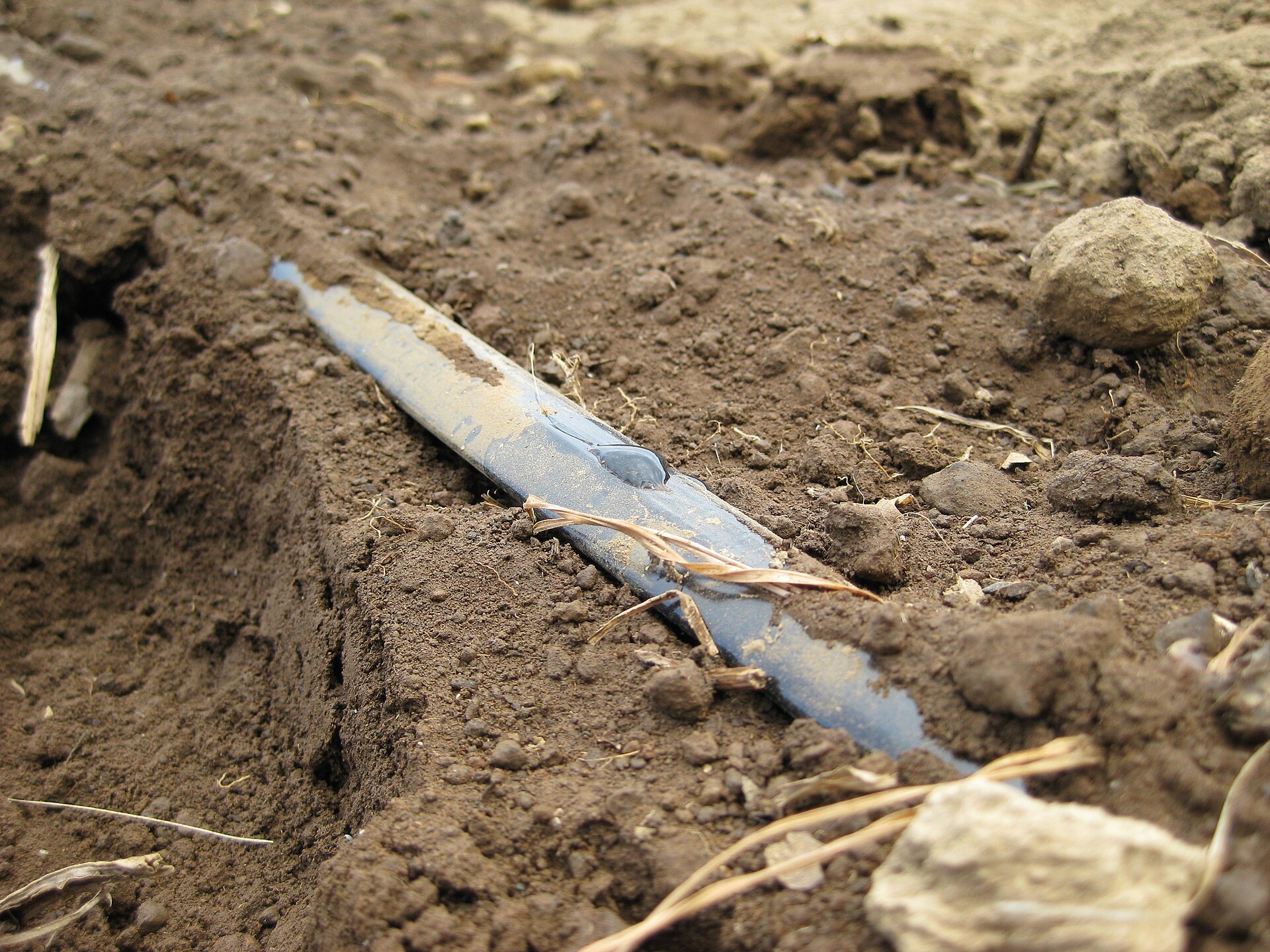
A meta-analysis of 132 studies found drip irrigation gives the best water productivity for potatoes. Under water-saving regimes, drip lost 15% of yield against 26% for sprinklers.
University of Wisconsin trials link higher tuber calcium to fewer cases of internal brown spot and hollow heart. Split calcium doses during bulking gave the best results.
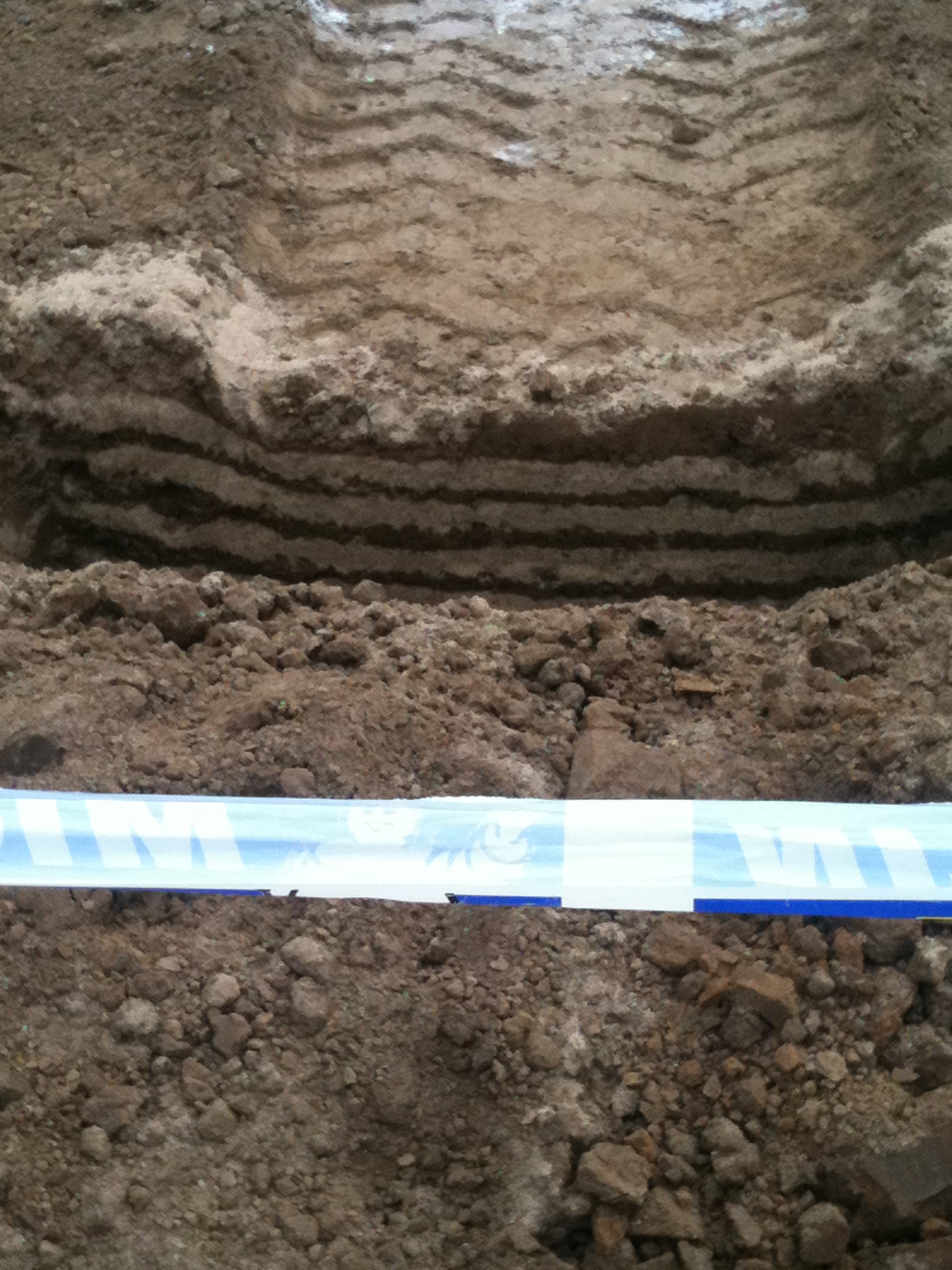
A review for the UK potato levy board found compaction cut yields in 13 of 16 trials. Wheel loads above 3.5 tonnes and high tyre pressures push damage deep into the subsoil.
Field and glasshouse studies show that trap crops and brassica biofumigation can reduce potato cyst nematodes, but results range from 30% to almost 100% and depend on soil and crop establishment.
Eleven on-farm trials near the Great Lakes found that potato response to phosphorus falls as soil phosphorus rises. An earlier Minnesota study showed that phosphorus adds tubers, but many of them are too small to sell.
FAO data show a gap of more than ten times between the highest and lowest national potato yields. Research led by the International Potato Center names poor seed as the main cause in Africa.
Monsoon rain and Hurricane Polo have slowed field work and planting permits in northern Sinaloa, an important potato area. Dams are fuller than a year ago.
A provincial seminar in Miramar heard that potato growers in south-east Buenos Aires spend US$7,000–9,000 per hectare, while income is still below costs.
Spain produced 1.94 million tonnes of potatoes in 2025, 44% of them in Castilla y León. In January to September it imported 889,446 tonnes, mostly from France.
Lower Saxony harvested 6.6 million tonnes of potatoes in 2025, about 47.5% of the German crop. Since 1961 German potato area has fallen by about 83%, while yields rose 2.5 times.
Romania harvested 1.16 million tonnes of potatoes in 2025, down from 1.60 million tonnes in 2020. Yields stay near 15 t/ha, and the state again offers up to €300 per hectare.
Poland grew potatoes on about 2.8 million hectares in 1961 and on about 196,000 ha in 2024. Yields rose to more than 30 t/ha, and farmers declared 185,100 ha for 2026.
South Africa harvested 2.62 million tonnes of potatoes in 2024, eight times more than in 1961. At the same time the number of commercial table potato growers fell from 1,700 in 2003 to 513 in 2021.
Niğde, Kayseri, Konya, Afyonkarahisar and Sivas produced 3.7 million tonnes of Turkey's 6.9 million tonne potato crop in 2024. Output has grown almost fivefold since 1961.
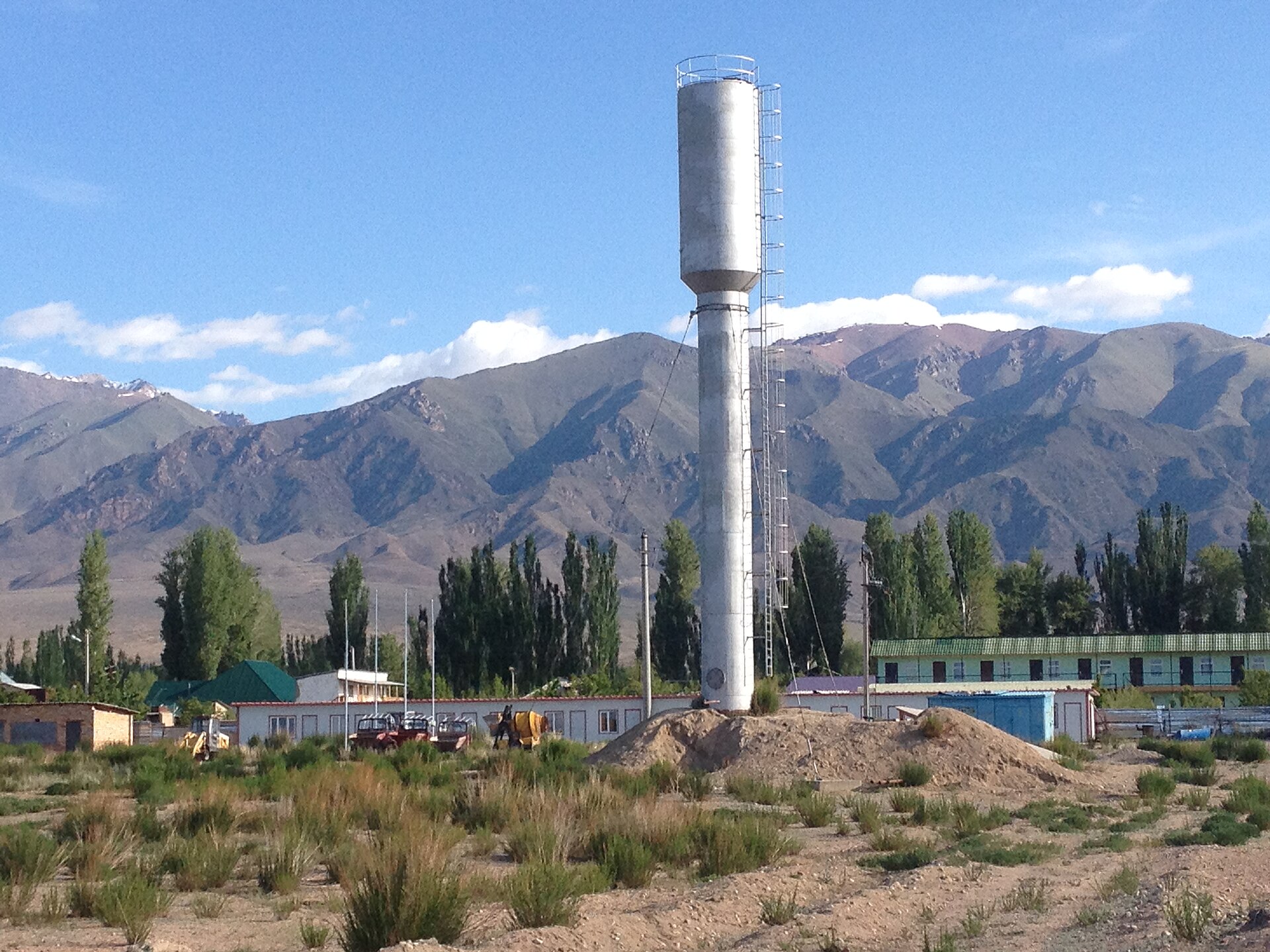
Issyk-Kul region produced 35.4% of Kyrgyzstan's potatoes in 2023. National output rose from 362,000 tonnes in 1992 to more than 1.4 million tonnes in 2015 and has eased since.
After-cooking darkening depends on the balance of chlorogenic and citric acid in the tuber. Variety matters most, but soil, nutrition and storage time can turn a good crop into a spring discount.
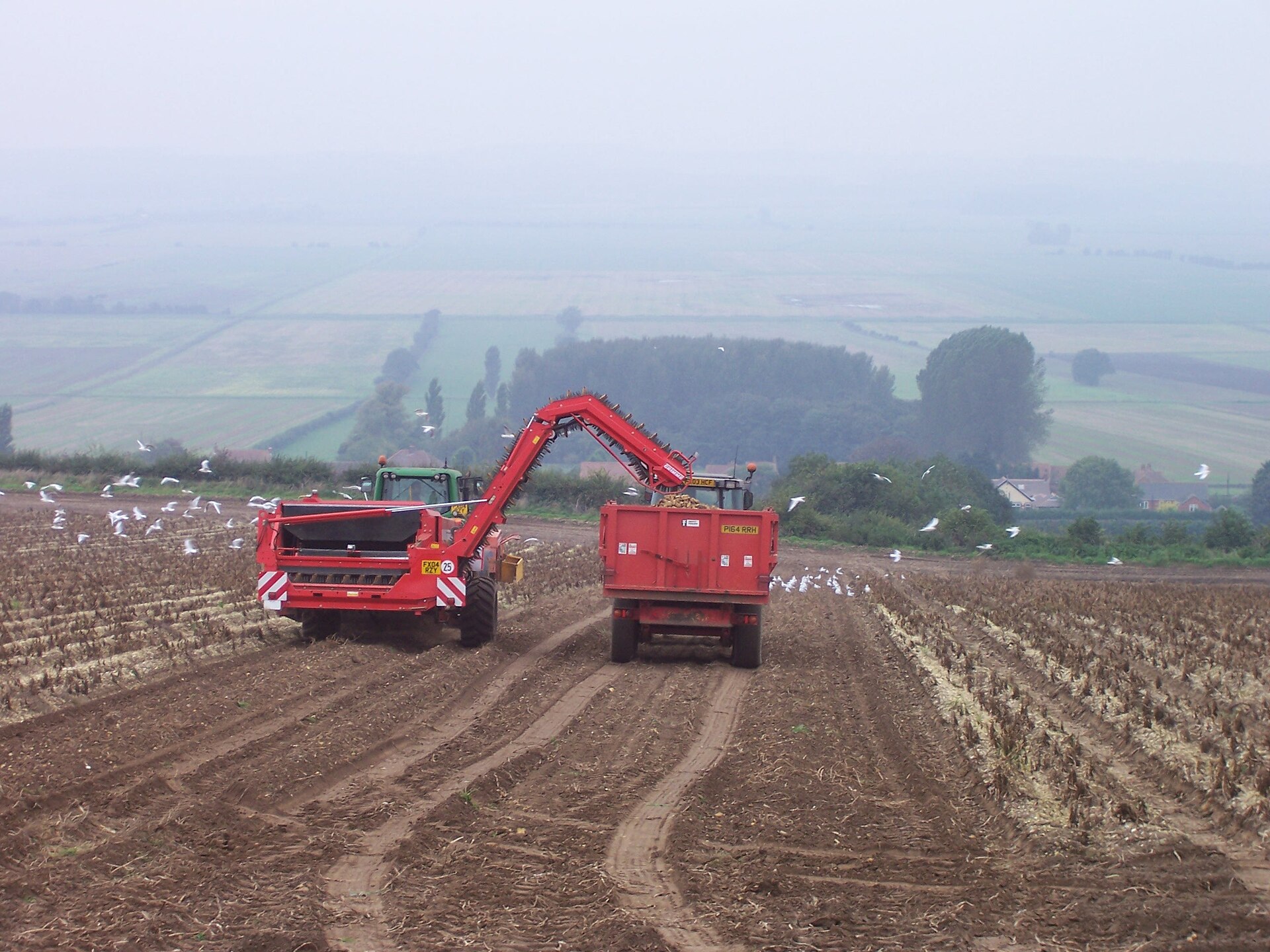
Without a haulm topper or with the weather closing in, many growers lift potatoes under still-green foliage. Extension research on skin set shows where this is acceptable and why such lots need separate handling in storage.