
BIOFUMIGATION: an innovative tool to enhance soil health
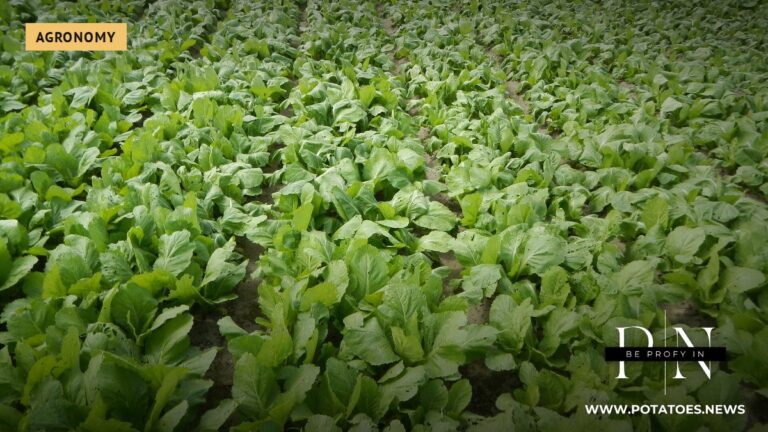
Biofumigation is the use of green manures crops which release biocidal molecules into the soil after their incorporation. This best practice was developed in several countries to cope with the withdrawal of methyl bromide, a most effective but controversial chemical soil fumigant. The effect of biofumigation is partly based on the release of natural toxic substances but also on their effect as a green manure plant.
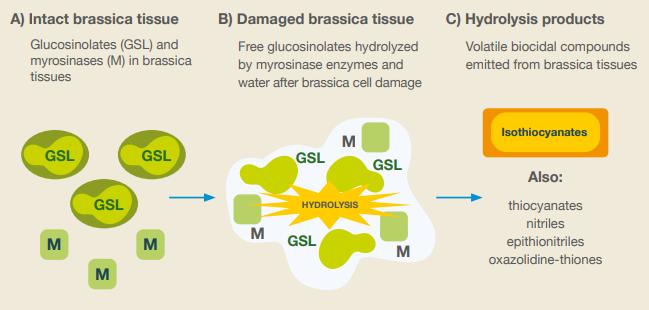
For Brassicas, the transformation of glucosinolates into toxic and volatile isothiocyanates happens during the breakdown of the plant cells. The more cells which are broken and release glucosinolates, the higher the peak
of isothiocyanates will be.
This is critical for the efficacy of biofumigation. Therefore, the biofumigation crop should be shredded as finely as possible before soil incorporation, with the best method to use are mulching devices equipped with hammers rather than blades.
The amount (concentration) of isothiocyanates needed for successful control depends on the targeted soilborne pathogens, nematodes and weed seeds. For the more resistant microsclerotia of the soilborne pathogen Verticillium dahliae, Brassica plants will not liberate sufficient isothiocyanates for a successful control in the field.
Weekdays. Unsubscribe in one click.
The nature of the soil is also an important factor when biofumigation is used as a control method. Lighter-textured soils with low organic matter content are better suited to this approach . Isothiocyanates get fixed to organic matter (sorption) and are therefore less active against soilborne pathogens and nematodes. Therefore, the lower the organic matter content, the less
sorption of the isothiocyanates occurs in a soil. Lighter soils i.e., soils with a higher part of sand, allow a better diffusion of the toxic gases in the soil.
The term ‘biofumigation’ was originally defined as the process of growing, macerating / incorporating certain Brassica or related species into the soil, leading to the release of isothiocyanates through the hydrolysis of glucosinolates contained in the plant tissues . But sorghum (Sorghum bicolor) and sorghum-sudangrass (S. bicolor x S. sudanense) cultivars with
high content of dhurrin, a substance which is transformed in toxic hydrogen cyanide (also called prussic acid) are also plants that can be used for biofumigation . Both species are well adapted for growth under high temperature conditions, such as those which occur under protection in summer . Therefore, they are well suited to the southern regions of Europe. Another advantage is that they are grass species, which makes them especially suitable to be part of crop rotations in vegetable production systems.
Reference: Vincent Michel, Miguel de Cara García. BIOFUMIGATION: PRACTICAL INFORMATION, ADVANTAGES AND DISADVANTAGES (https://www.best4soil.eu/factsheets)