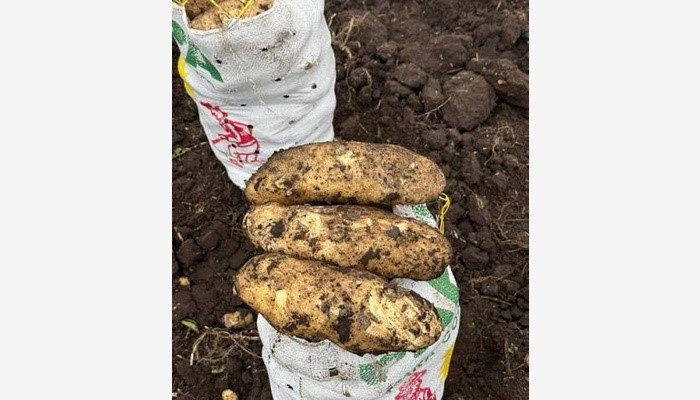
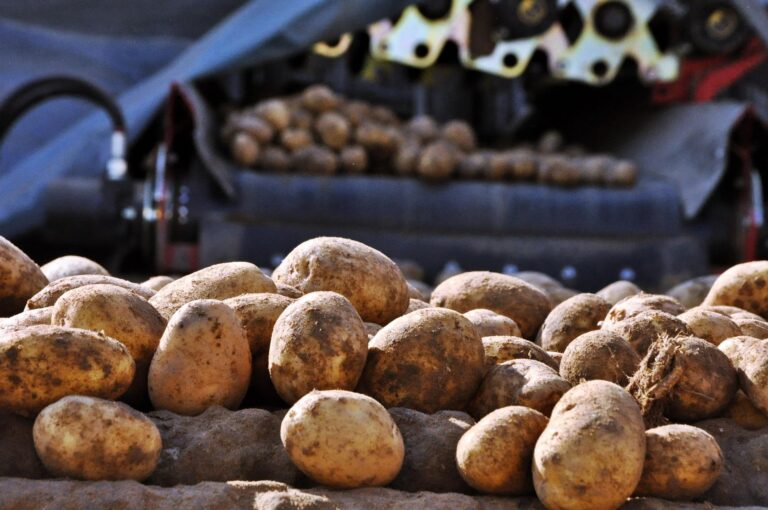
The Obesity Gene That Boosts Crops: How Inserting Human DNA into Potatoes Increased Yields by 50%
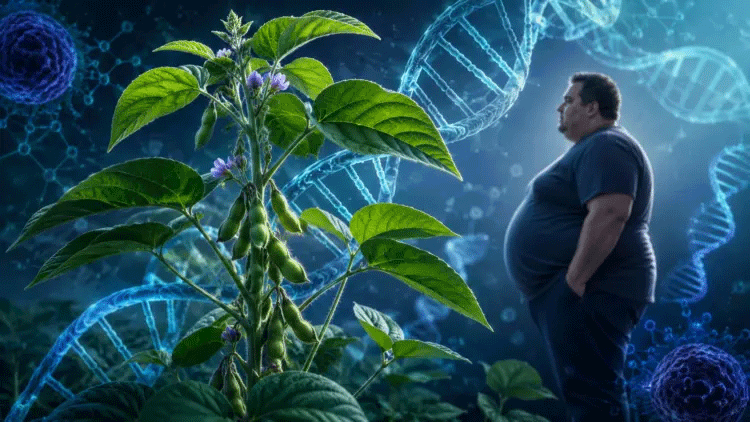
In a bold 2021 experiment, an international team of researchers from the United States and China inserted the human FTO gene—commonly associated with obesity and metabolism—into plants, hoping to unlock new ways to combat global food shortages. The gene produces a protein that destroys specific mRNA molecules regulating cell growth, and the scientists expected catastrophic results. Instead, the modified rice astonished them: laboratory yields tripled, and in field trials, biomass and grain production jumped by 50%. When the same gene was introduced into potatoes, the results were equally impressive, confirming that the mechanism works across distantly related plant species. Further tests on grass, trees, and salad greens consistently produced larger, more vigorous plants with enhanced photosynthesis, deeper root systems, and markedly improved drought tolerance.
The key to this success lies in evolutionary isolation—because the FTO gene has never before appeared in the plant kingdom, crops lack the natural inhibitory mechanisms that would normally restrain its effects. According to Professor Chuan He of the University of Chicago, the protein acts like a “bomb” inside plant cells, removing all natural growth limitations. Beyond addressing hunger, the discovery offers promising applications for climate adaptation, including developing drought-resistant forage grasses to restore dying ecosystems and engineering trees with stronger root systems to withstand hurricane-force winds. Researchers are now exploring whether similar results can be achieved without introducing human DNA, potentially unlocking hidden growth potential already present in plants themselves.