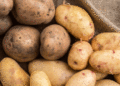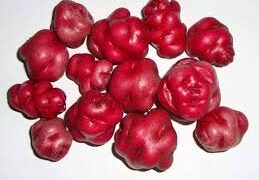


More than 400 varieties of native Andean potatoes in Peru’s Huánuco region could disappear unless stronger measures are taken to support farmers, preserve traditional seeds, and improve rural economic conditions. Agricultural experts and local authorities have raised concerns that one of the country’s most valuable sources of biodiversity is under increasing threat from migration, market limitations, climate change, and insufficient support for small-scale producers.
Huánuco’s Rich Potato Heritage Under Threat
Huánuco is widely recognized as one of Peru’s most important centers of potato diversity. The region is home to hundreds of native potato varieties that have been cultivated for generations by farming communities in the Andean highlands. These varieties represent not only a critical agricultural resource but also a significant part of Peru’s cultural heritage.
According to Luis Felipe Artica Arroyo, director of the Institute for Development and Environment (IDMA) in Huánuco, more than 400 Andean potato varieties face the risk of extinction if they do not receive the recognition, market support, and conservation efforts they require. The warning was issued during preparations for Mururaymi 2026, the region’s annual seed festival dedicated to celebrating agricultural biodiversity.
Why Native Potato Varieties Are Disappearing
The disappearance of native potato varieties is often a gradual process rather than a sudden event. A variety can be lost when farmers stop cultivating it, when families abandon agricultural activities, or when younger generations migrate to urban areas in search of better economic opportunities. Without continuous cultivation and seed exchange, traditional varieties eventually disappear from local farming systems.
Local authorities have also highlighted additional challenges, including poor rural infrastructure, limited access to profitable markets, inadequate technological support, and growing pressure from industrial seed systems. These factors reduce incentives for farmers to continue preserving native seeds that may have cultural and ecological value but generate lower short-term profits.
A Threat to Biodiversity and Food Security
The potential loss of hundreds of potato varieties extends beyond agriculture. Native potatoes contain unique genetic traits that may prove essential for future food security, climate adaptation, and disease resistance. Preserving genetic diversity is increasingly important as global agriculture faces rising temperatures, changing rainfall patterns, and emerging crop diseases.
Many of Huánuco’s native potatoes possess characteristics that are not found in commercial varieties, including distinctive colors, flavors, nutritional properties, and resistance to environmental stresses. Researchers continue to discover new opportunities for these potatoes in food processing and specialized markets. A recent example is the identification of the unique “Azul Quiti” potato, which has shown promising results for industrial snack production and export-oriented processing.
Cultural Knowledge at Risk
The loss of native potato varieties would also mean the disappearance of valuable traditional knowledge passed down through generations. Farmers maintain extensive expertise regarding seed selection, soil management, planting techniques, crop rotation, culinary uses, and seed exchange systems.
Community leaders have emphasized that seeds are more than agricultural products; they represent living cultural heritage. Traditional farming practices associated with native potatoes form an essential part of the identity of Andean communities and contribute to the preservation of local customs and food traditions.
The Impact of Climate Change
Climate change is emerging as another major threat to potato conservation. Shifting weather patterns, changing rainfall cycles, and increased pest and disease pressure are affecting traditional agricultural systems throughout the Andes. Local officials and agricultural organizations warn that these environmental changes are accelerating the decline of some native varieties and increasing farmers’ dependence on commercial seed systems.
As climatic conditions become less predictable, preserving a wide range of potato genetics becomes increasingly important for maintaining agricultural resilience and adapting future crop production systems.
Economic Challenges Facing Farmers
Many producers in Huánuco struggle to meet the demands of modern markets due to limited infrastructure, transportation difficulties, labor shortages, and insufficient access to technology. Large buyers often require volumes that small farmers cannot consistently supply, making it difficult for traditional producers to compete.
Local authorities have acknowledged the need for improved roads, stronger market connections, support for organic production, and initiatives that increase the commercial value of native potatoes. Without these improvements, farmers may continue replacing traditional varieties with more commercially viable alternatives.
Mururaymi 2026: More Than a Festival
The Mururaymi seed festival has become an important platform for raising awareness about biodiversity conservation in Huánuco. However, community leaders stress that annual celebrations alone are not enough to guarantee the survival of native potatoes.
Experts are calling for long-term strategies that integrate agricultural conservation with education, tourism, local markets, and rural development programs. Encouraging younger generations to value native seeds as a strategic resource rather than a relic of the past is considered essential for ensuring their survival.
The Future of Peru’s Native Potatoes
Peru is globally recognized as the birthplace of the potato and remains home to thousands of native varieties. Protecting this extraordinary genetic wealth requires coordinated action from government institutions, researchers, producers, consumers, and private-sector partners.
Strengthening seed conservation programs, improving market opportunities for native potato products, supporting rural communities, and investing in climate-resilient agriculture will be critical to safeguarding Huánuco’s agricultural heritage. Without sustained action, many of these unique varieties could disappear permanently.
Conclusion
The warning issued by agricultural experts in Huánuco highlights a growing challenge facing Peru’s agricultural sector. More than 400 native Andean potato varieties are at risk due to economic pressures, migration, climate change, and declining incentives for traditional farming. Preserving these varieties is not only a matter of protecting biodiversity but also of safeguarding cultural heritage, food security, and the livelihoods of future generations. The future of Peru’s native potatoes will depend on transforming awareness into long-term conservation and development policies.