Agronomy
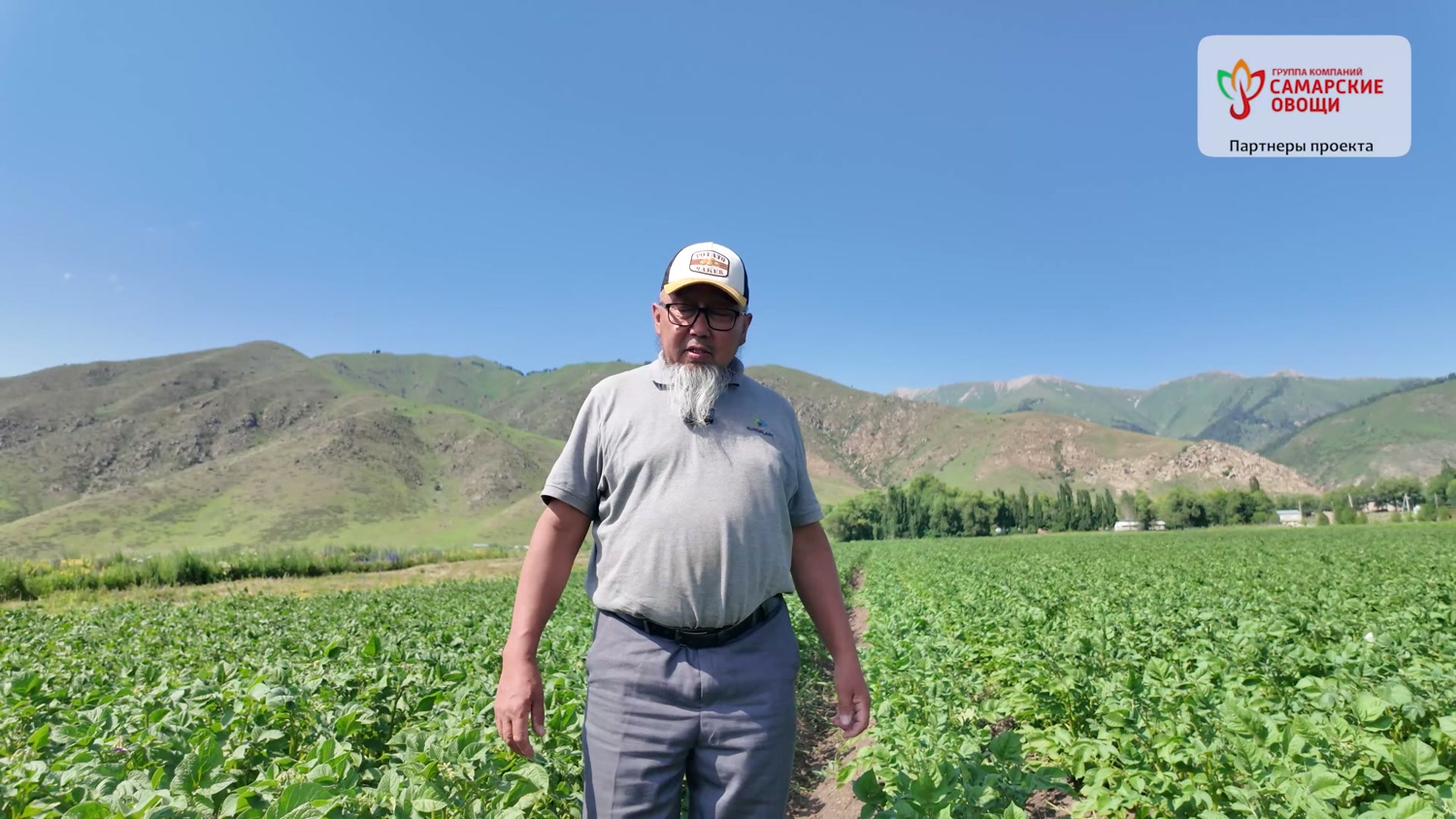
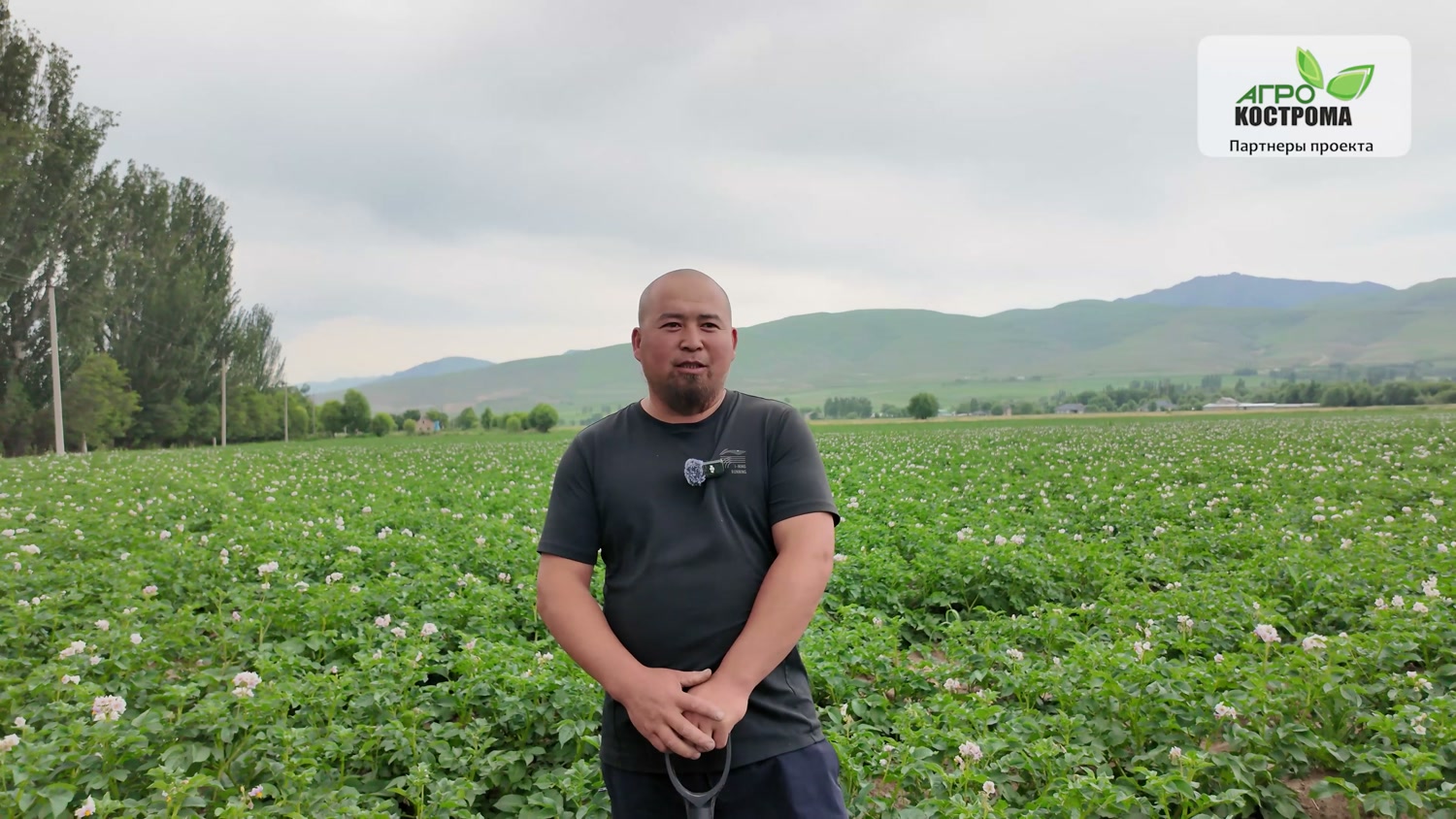
How Musa Mukanmediev chooses seed potatoes near Issyk-Kul
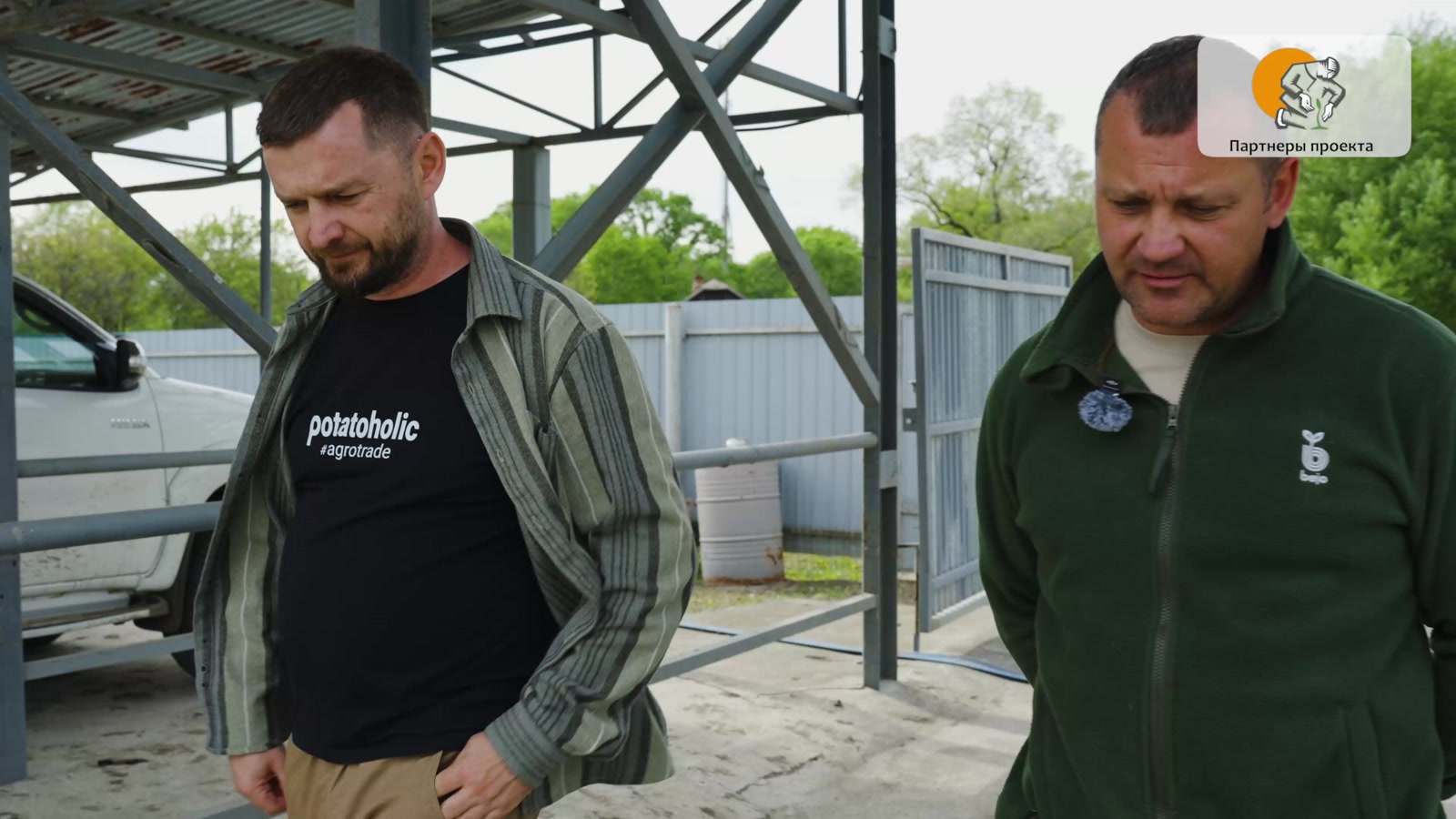
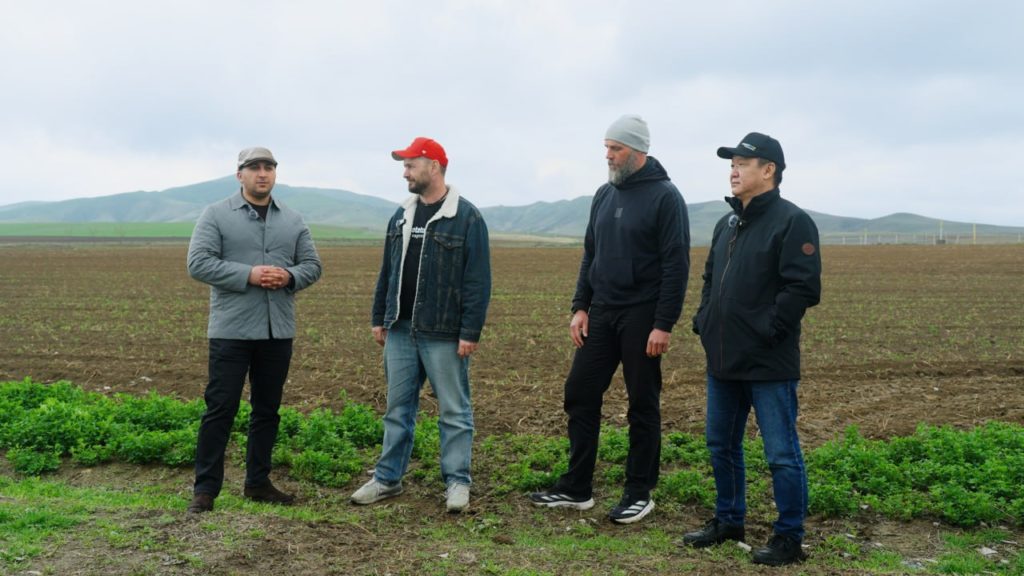
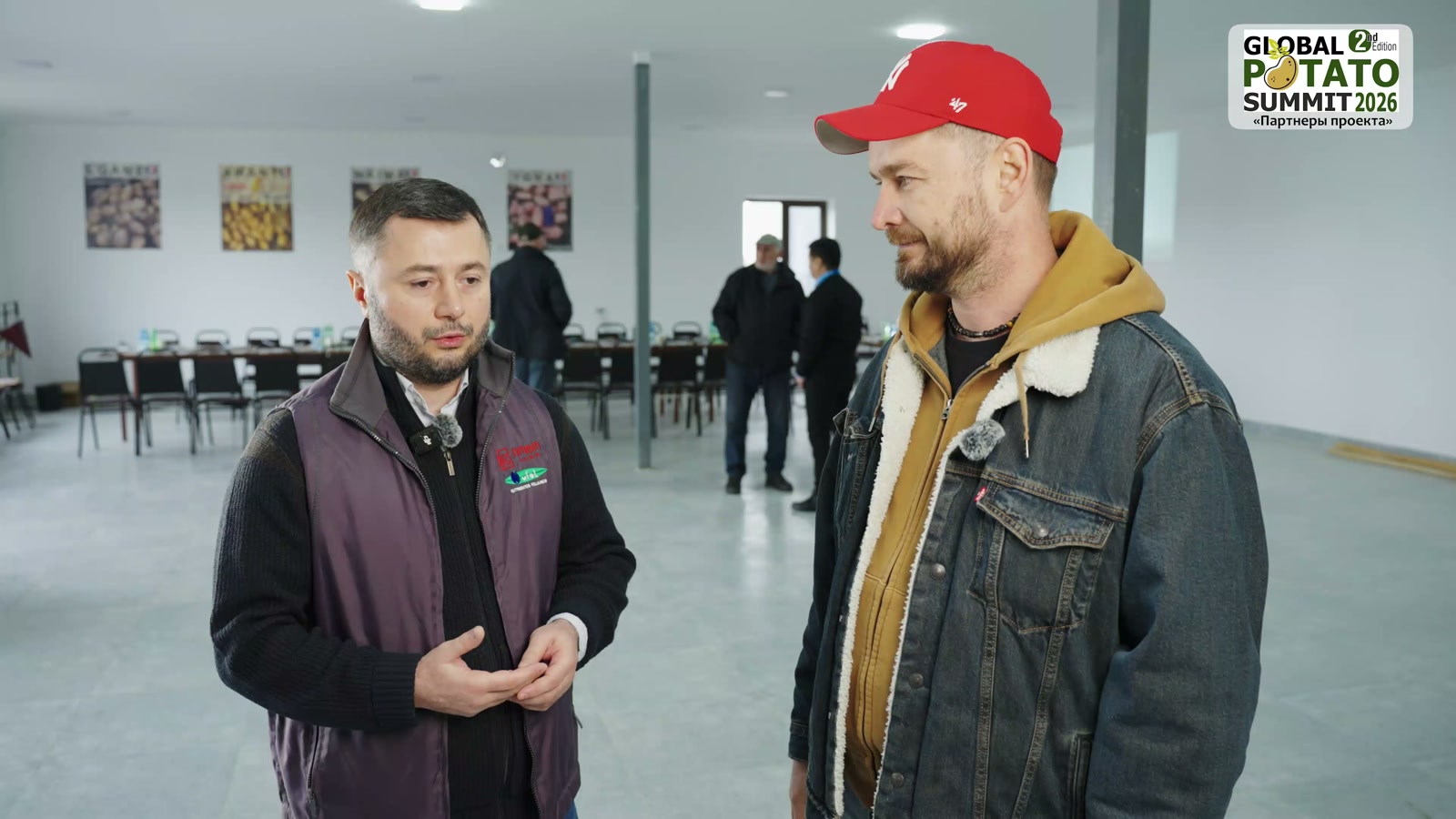
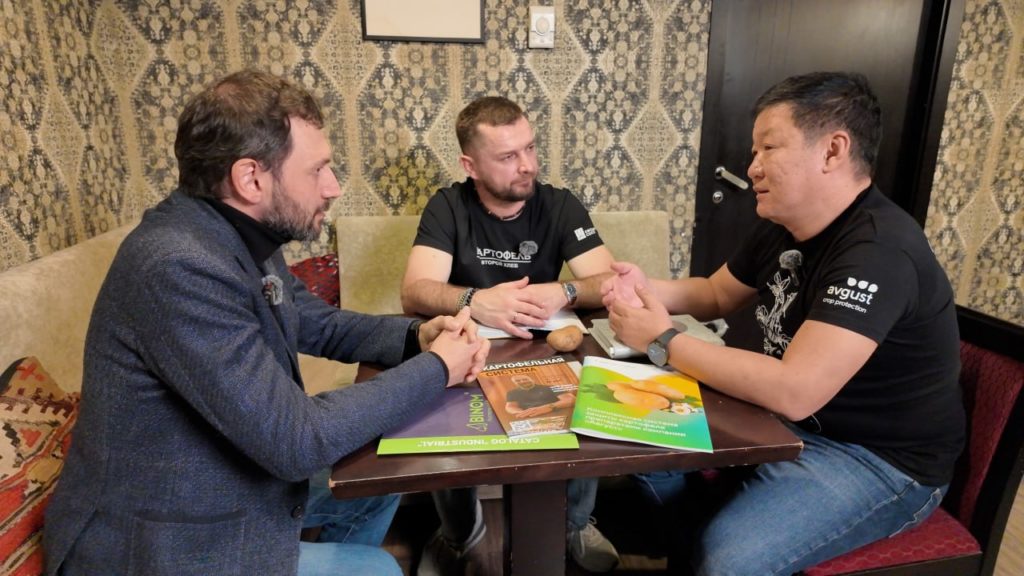
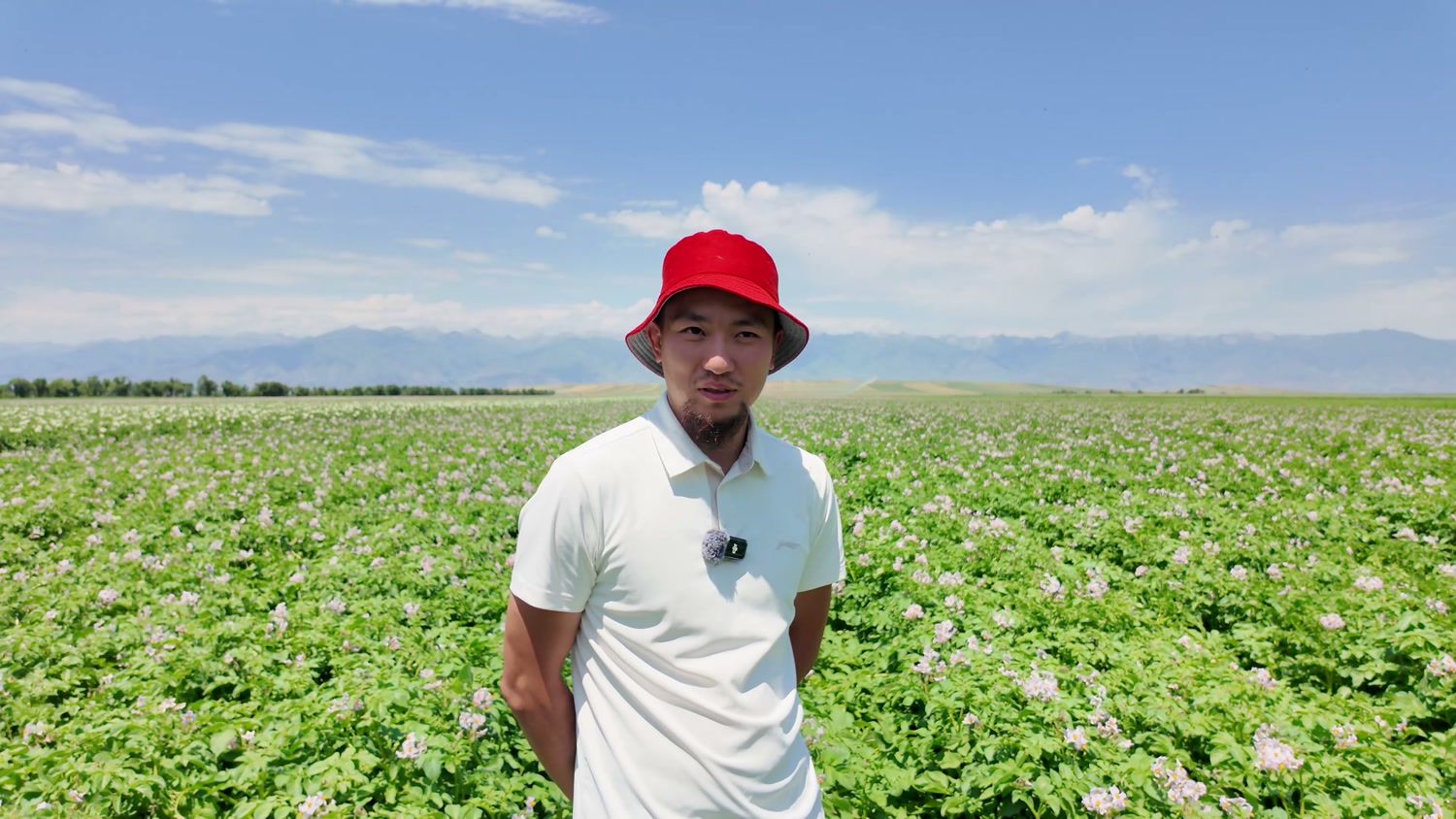
On a family farm in Kyrgyzstan, Musa Mukanmediev compares around ten potato varieties and explains why he plants elite-class seed potatoes.
 POTATOES.NEWSGlobal potato industry intelligence
746 stories
On a family farm in Kyrgyzstan, Musa Mukanmediev compares around ten potato varieties and explains why he plants elite-class seed potatoes.
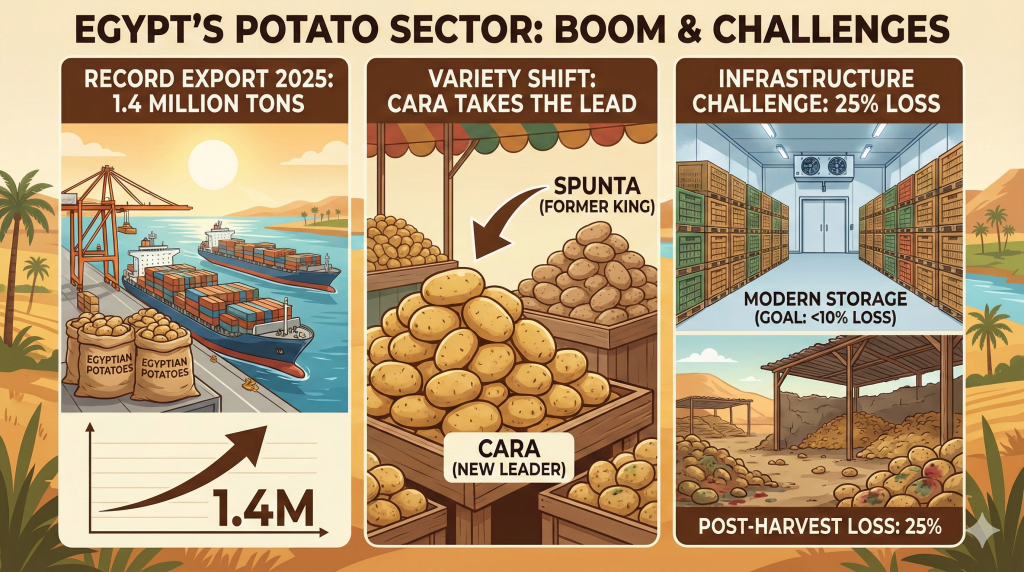
An International Potato Tour interview looks at Cara’s rise alongside Spunta, varieties grown for processing and the case for adding cold-storage capacity in Egypt.
Sergey Lipovka describes early varieties, local buyers and the Colomba crop that reached 60 tonnes per hectare in one previous season.
Vyacheslav Vinogradov explains how a Primorye seed-potato centre multiplies planting material, serves local buyers and works with a variable monsoon climate.
Recorded in Pavlodar, the two episodes follow the 2025 potato season from contracts and storage to seed supply, processing and freight costs.
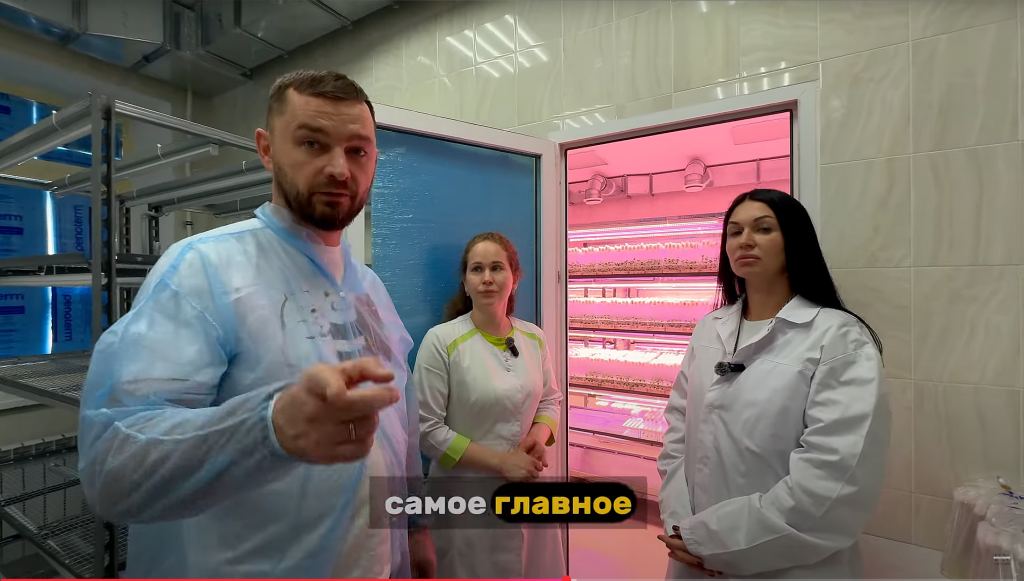
At ANKAFAR in Ankara, the tour follows potato minitubers from the laboratory and heated greenhouses to grading and cold storage.
On a March 2026 visit to western Azerbaijan, Khalid Mirzazade explains how his farm multiplies European seed varieties across irrigated lowland fields and higher mountain sites.
Footage sent to the International Potato Tour by Alexander Garin takes viewers to the 2025 Kamchatka field day, where growers discussed seed potato varieties and how they monitor the crop.
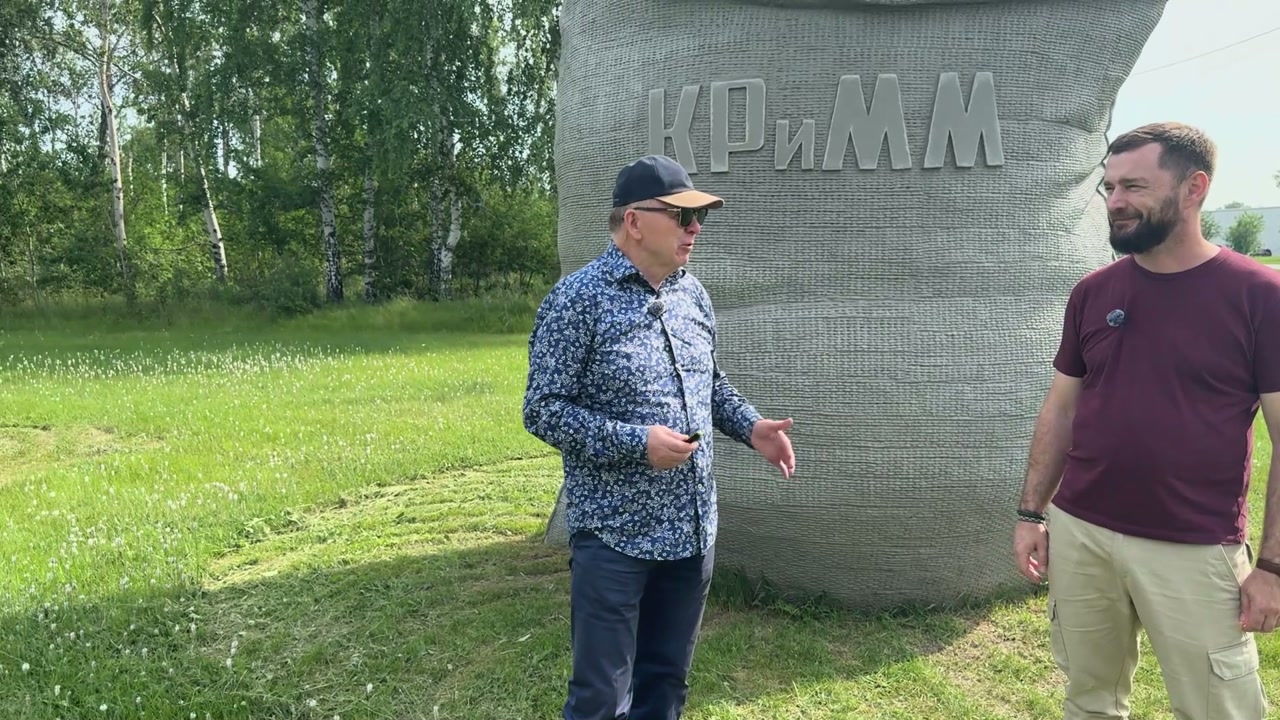
Gennady Ryazanov explains why KRiMM separated seed production from its table crop, how the farm levels irrigated ground and how it calculates saleable output.
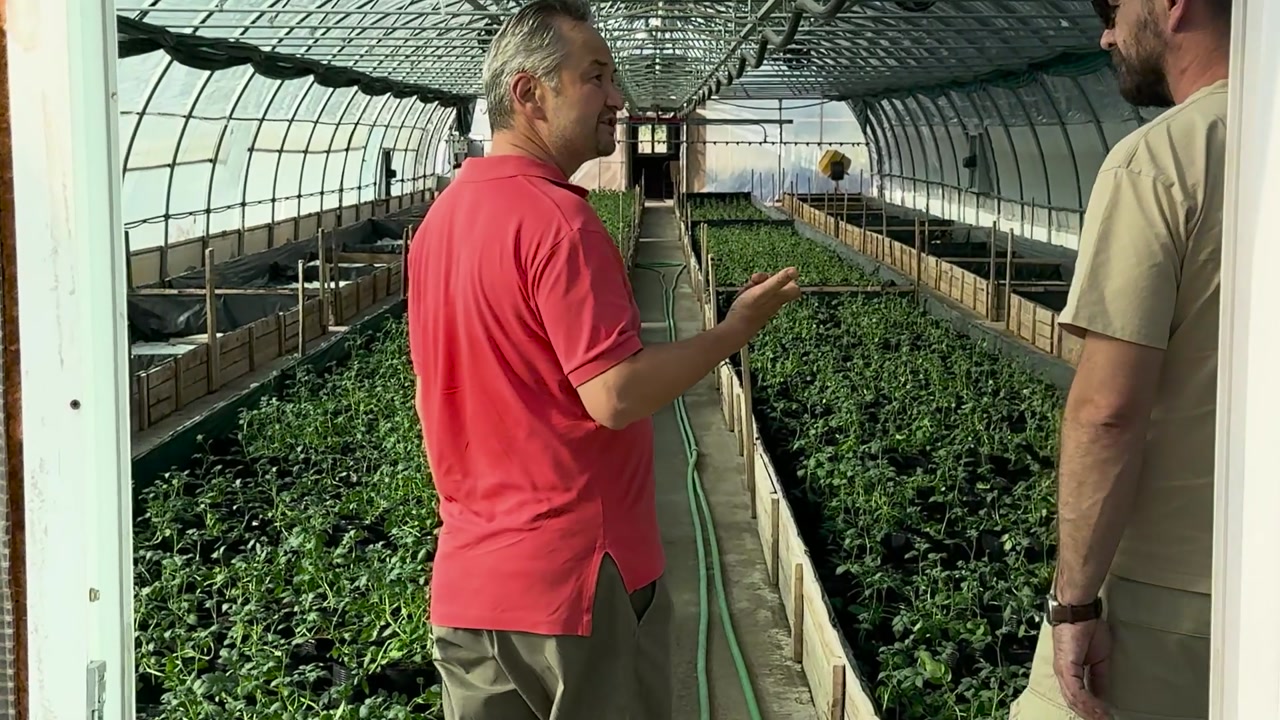
In the second part of the International Potato Tour visit, Eldar Isataev explains why Livingstone Kazakhstan grows its smallest minitubers for another cycle and shows how the business follows planting material from the greenhouse to the field.
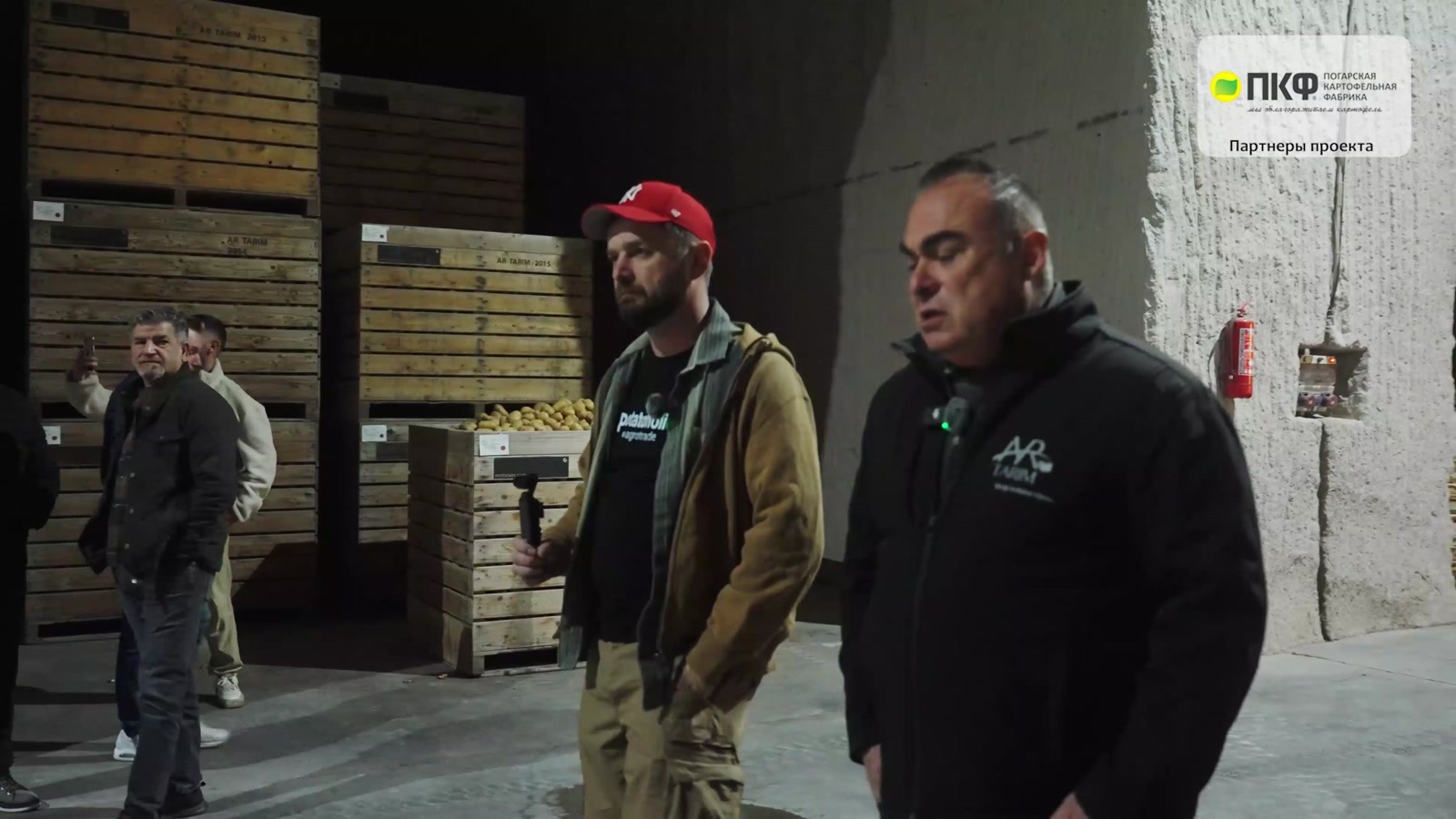
An International Potato Tour visit near Nevşehir shows how a rock-cut seed potato store fits wooden crates into chambers and uses night air, shafts and fans for ventilation.
In Kyrgyzstan’s Tyup district, Askarbek Sulaimanov explains how his cooperative tests potato varieties for growers and processors and shares seed potatoes with members.
In the 2025 season review, the Kazakhstan farm describes its early-October harvest target, its initial plan for chipping potatoes and why holding those lots into the new year would require dedicated storage.
The tour visits farms in Kazakhstan’s Pavlodar Region to see how field shape, electricity and access to water affect potato production.
A visit to Kyrgyzstan’s Kirbi links the company’s early crisp-making workshop to the planting, irrigation and harvest decisions its agronomists make in Tyup.
In Irkutsk Region, agronomist Leonid Kichigin shows how the farm combines two-row beds with circular planting and shared equipment tracks.
At Krasnoyarsk State Agrarian University, the Potato Tour follows Acrux and Mira from field trials to seed production and revisits the university’s work with Avgust.
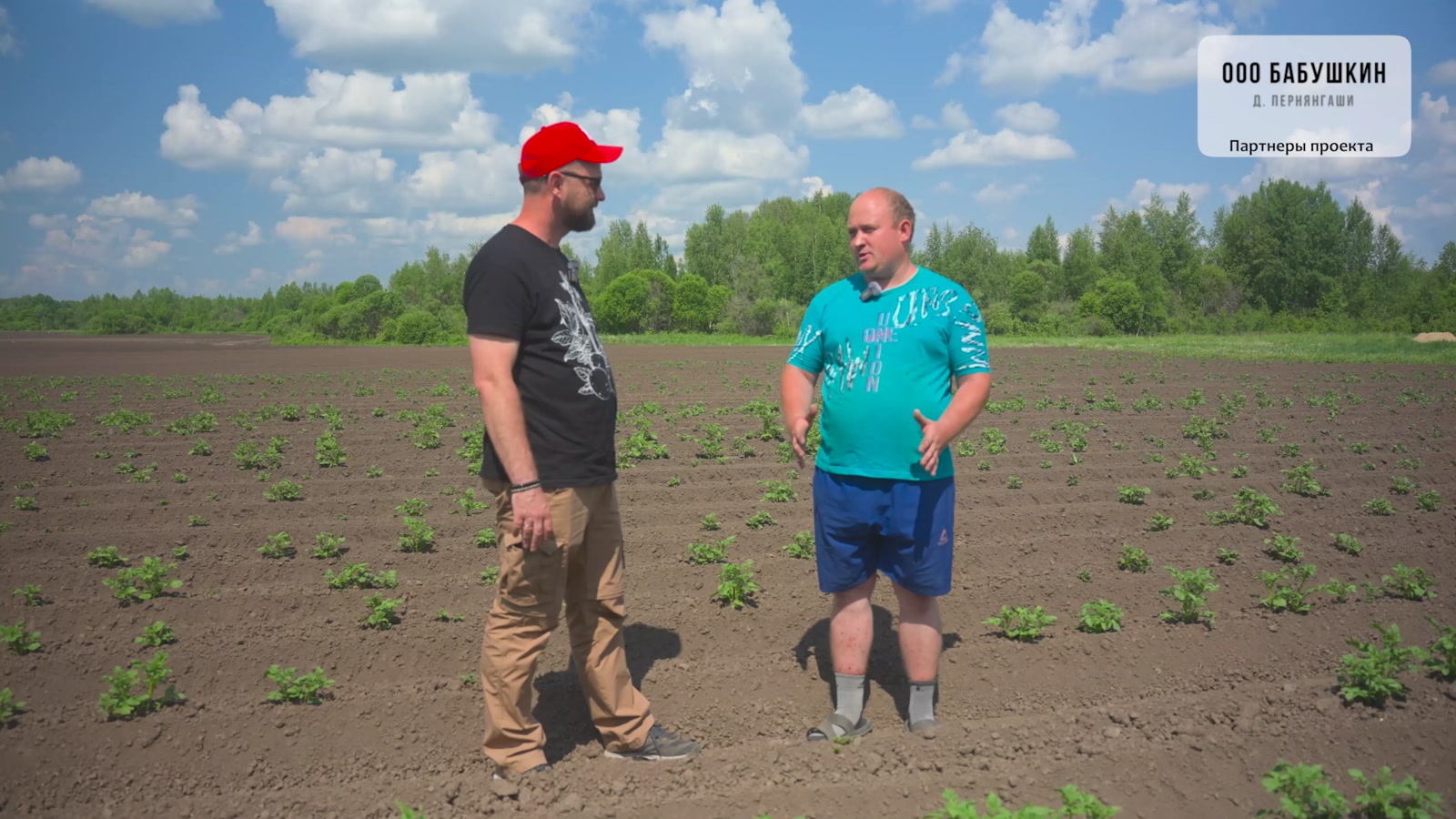
In Mari El, Andrey and Nikita Babushkin explain how cover crops, planting density, lot sampling and ventilation support their seed-potato operation.
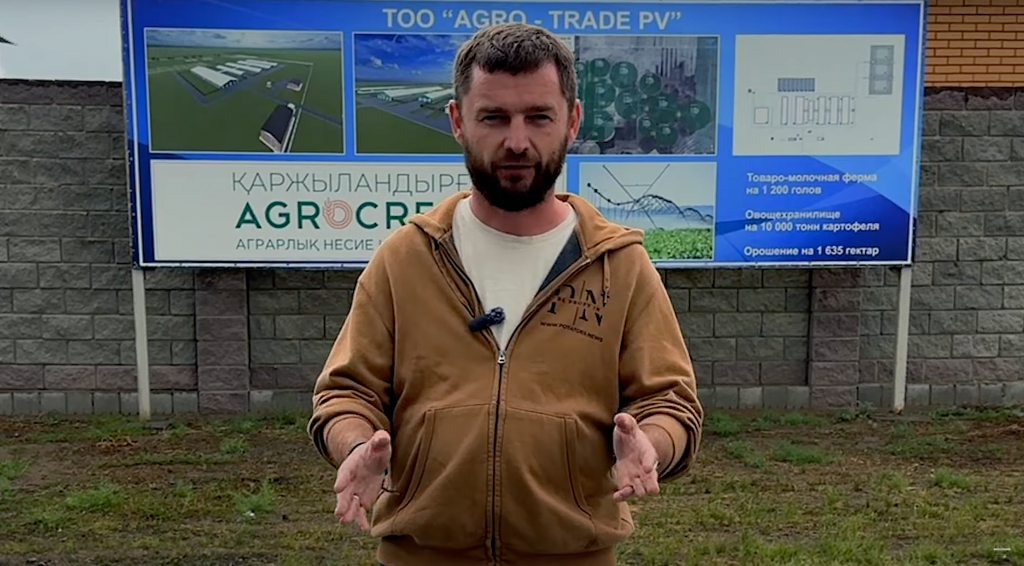
At Agro-Trade PV in Kazakhstan’s Pavlodar Region, Erkin Almagambetov explains seed grades, centre-pivot irrigation and the role of hand sorting.
Alexander Pilipchuk explains how Kostroma Potato moved from imported seed to local multiplication and set targets for contracts and seed-grade tubers.
In a field interview from Kazakhstan’s Pavlodar Region, Viktor Ryambov explains his crop choices, seed isolation and how his son learned the work.
Ilya Dudanov explains how the Bryansk factory balances the harvest with processing, chooses potatoes for dry matter and supplies potato flakes to kitchens.
A visit to Boguslavsky in the Sol-Iletsk area follows a family cooperative from night irrigation to grading, storage and the switch to 25 kg bags.
In a 2025 tour report, Hieromonk Andronik explains how the monastery chooses potato varieties for its kitchen, renews planting material and keeps the crop in containers.
Maxim Kislyakov explains how Samara–Solana stores seed lots, trains its staff and plans to improve working conditions in the packing area.
At Evgeny Tsirulev’s farm in Samara, soil maps help guide field decisions and laboratory staff test incoming seed material.
Metin Süt of Gözde Zirai explains how demand for processing varieties changed the family seed potato business in Türkiye, and why growers need to consider water use when choosing varieties.
The Agrotrade founder explains the lead time for seed potato production and shows how Aksentis grades, stores and labels lots in Nizhny Novgorod Oblast.
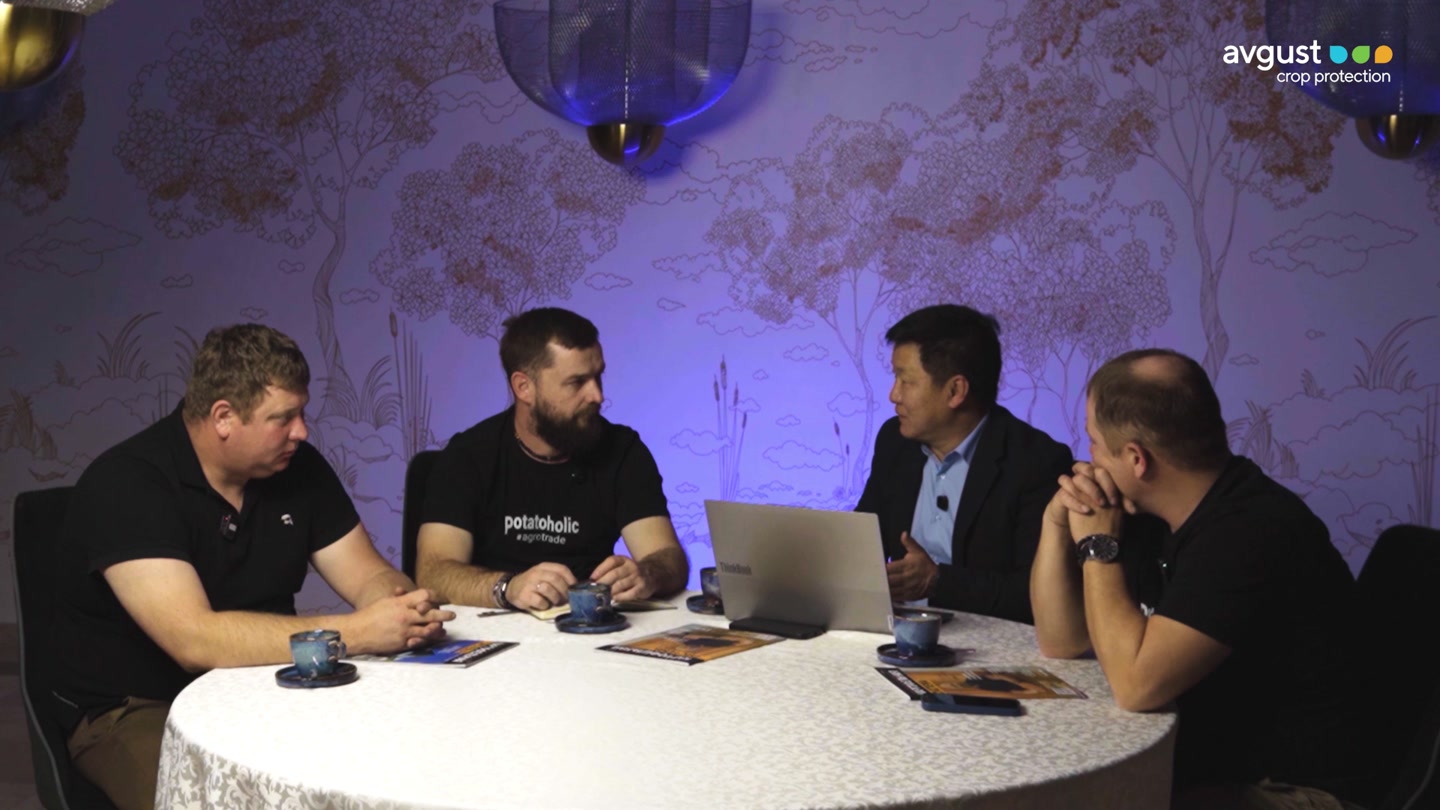
A Potato 2.0 discussion brings together a growers’ cluster, a producer and a distributor to discuss where local seed potato production could expand.
A field visit to Agrover and a separate conversation in Tashkent show why seed potato production needs both laboratory work and field multiplication.
A visit to Sergey Khabuzov’s farm in Russia’s Nizhny Novgorod region puts three decisions together: keep seed lots separate, retain a sample and record where each lot is planted.
On a visit to Ilia Kavrelishvili in Akhalkalaki, the International Potato Tour discussed variety trials, hose-reel irrigation and the farm’s planting and harvest windows.
Material prepared within the framework of the International Potato Tour (IPT) During the Georgian stage of the International Potato Tour, the team conducted an in-depth discussion with farmer Grigori Karagezov, a second-generation potato grower from the Tsalka…
Valentin Kozlov explains how he got into potato farming and shows the renovated store that Valmix uses for its own planting stock. A 2026 inspection at the company’s greenhouses offers a later look at the seed operation.
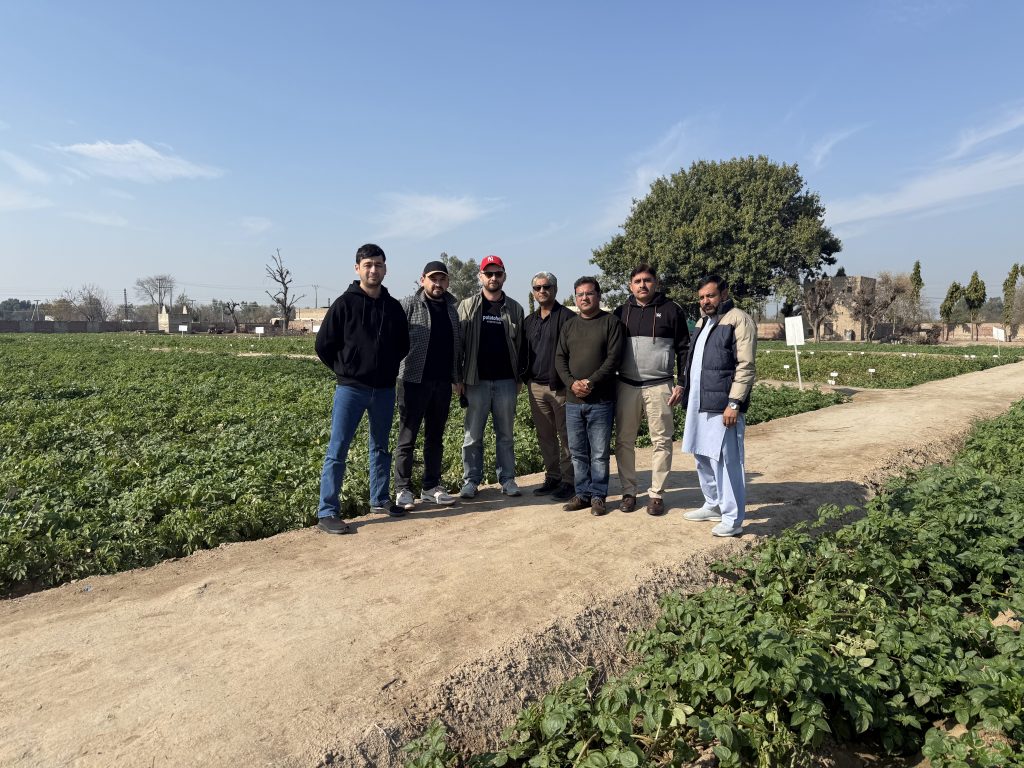
At the Potato Research Institute in Punjab, the International Potato Tour looked at how seed plots and quality tests can help growers choose potatoes for different markets.
At the Vesna greenhouse complex in Russia’s Samara Region, Anna Denisova explains how the team moves potato plantlets from the lab to the greenhouse and tracks the first generations of seed potatoes in storage.
At the July field day in Altai, researchers discussed Vostorg’s initial processing volumes. Archive footage of WE FRY development director Sergey Marchenko in Bunyatino shows how the company evaluates new French fry varieties.
In Kyrgyzstan, farmer Sherba Sheshanlo talks about growing potatoes since 2016, working with elite seed potatoes and learning from his own mistakes.
The International Potato Tour revisits Baimurza Agro 2018 in Kazakhstan’s Karaganda Region, where irrigation water, seed multiplication and harvest logistics shape the potato season.
The Russian leg of the International Potato Tour began on February 5, 2025. The first stop was Aksentis, a seed potato producer in Nizhny Novgorod Oblast. In the report, Viktor Kovalev follows the team from the laboratory…
Two films from the 2025 International Potato Tour visit show how Dary Malinovki checks seed potato material before it reaches the field and how the tour participants approached work on the sorting line.
https://youtu.be/cAABCGKnBoI The potato industry in Armenia continues to rely on dedicated farmers who combine tradition with practical innovation. One such grower, with more than two decades of experience, offers a clear view of how modern potato farming…
https://youtu.be/eCzAlKCeH_E Armenia’s potato sector reflects a complex mix of tradition, resilience, and structural limitations. Unlike large-scale farming systems seen in many countries, Armenian agriculture is dominated by smallholder farms, where even 10 hectares is considered a solid…
Independent agronomist Dmitry Syrtsov brings experience in seed and ware potato production, crop protection, storage and specialist training to the Potatoes.News expert panel.
MK Semena harvested 1,600 tonnes from 55 hectares in its first Pskov season, according to the regional agriculture ministry. A new store provides 2,500 tonnes of capacity.
IHAR-PIB has announced a plant genetics award for Paulina Paluchowska's work on PVY resistance. The underlying study, published in 2024, identifies potential genetic resources for potato breeding.
CIP’s November cryo-deposit initiative brings potato and other crop resources into a long-term safety system. The value lies in conserving living genetic material, with ownership and recovery procedures kept clear.
Independent agronomist Dmitry Syrtsov explains why seed quality, field history and saleable output after storage shape farm profitability, and why the businesses he advises plan to invest in 2027.
A Russian Potato Union notice about VNIICR’s educational work has brought Potato virus Y back into the industry’s discussion. The practical issue for seed and ware growers is how to connect crop inspection, laboratory diagnosis and the…
The discussion about Uganda’s processing potatoes is moving beyond the biggest harvest figure. NARO’s multiplication programme and its account of processor involvement show why a variety’s commercial value also depends on clean seed, accepted quality, storage and…