
Azerbaijan Bets on Seed Potatoes: European Technology Takes Root in the Aghstafa Region

As part of the International Potato Tour (IPT), the POTATOES NEWS team continues to explore emerging potato-growing regions and real production environments. The next stop is Azerbaijan — a country where a new seed potato industry is being built on the foundation of European technology and local potential.


Bringing European Standards to a New Market
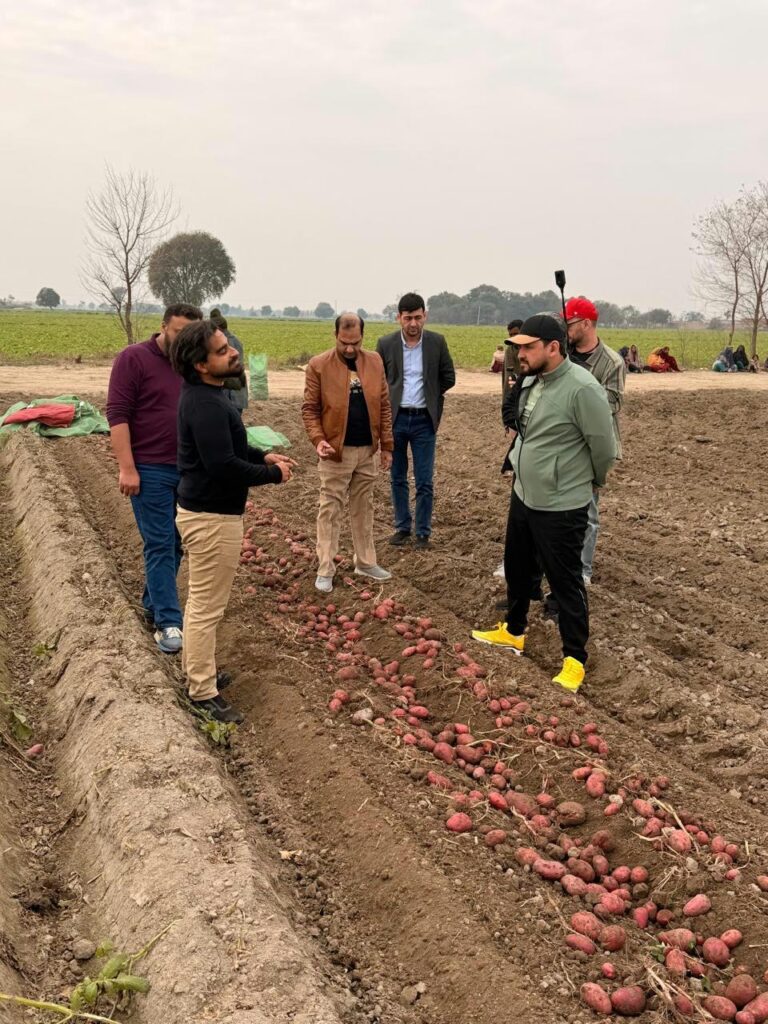
In the Aghstafa region, near the border with Gazakh, a joint Azerbaijani-German initiative is developing seed potato production using advanced European practices.
Weekdays. Unsubscribe in one click.
According to founder Khalid Mirzade, the goal is clear:
deliver European-quality seed potatoes to the local market at an affordable price.
The company currently cultivates around 150 hectares, focusing exclusively on seed potato production. The portfolio includes well-known European varieties:

- Arizona (Agrico)
- Jelly, Morabelle (Europlant)
- Paradiso
A key milestone for the company was becoming the first in Azerbaijan to import super-super elite seed potatoes — the highest category of planting material — and successfully multiply it locally.
Technology and Precision in the Field
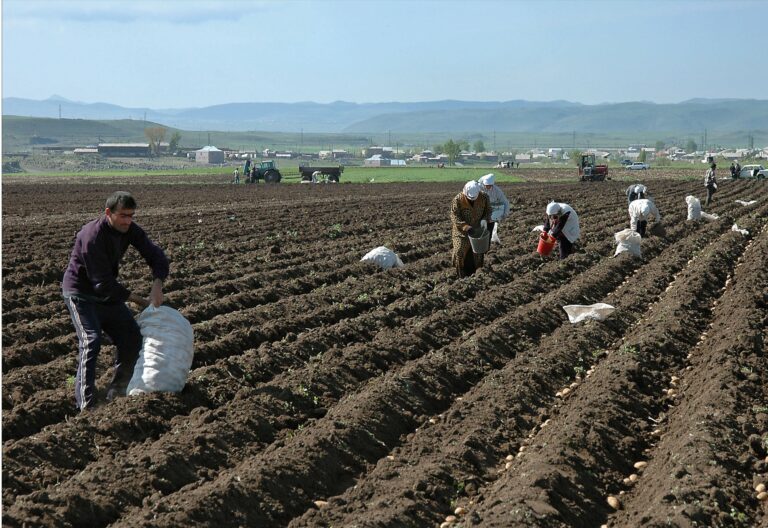
Modern planting equipment, including high-precision Grimme machinery with sensor-based control systems, is used to ensure uniform planting and optimal crop establishment.


The production system is strategically divided into two zones:
- Lowland fields (300–400 m above sea level) — for scaling up production
- Mountain areas (above 1,200 m) — for maintaining high phytosanitary standards and minimizing virus pressure
This dual approach aligns with European seed production practices and allows for controlled multiplication cycles.
Seed Strategy: Matching Market Reality
Despite access to elite seed material, the majority of local farmers demand first-generation seed (Class A).
The reason is practical:
- Most farmers grow potatoes for the table market
- Elite seed is not economically justified for this segment
- Class A offers the best balance between cost and performance
The company’s model reflects this logic:
- Import super elite material
- Multiply it over 2–3 seasons
- Supply farmers with high-quality, affordable seed
Europe vs. Caucasus: Different Systems, Shared Goals
German partners involved in the project highlight structural differences between European and regional agriculture:
- Europe operates with high capital input and system efficiency
- The Caucasus region relies more on cost optimization and flexibility
- Infrastructure challenges — particularly electricity stability — impact storage and post-harvest handling
However, the region also offers a critical advantage:
excellent soil and climate conditions for high-quality seed production.
Storage: The Missing Link
One of the key priorities for future development is investment in modern cold storage facilities.
Without proper storage infrastructure, it is difficult to:
- maintain seed quality
- stabilize supply
- build export-oriented operations
Cold storage is not just an addition — it is a strategic necessity for scaling the business.
5–10 Year Vision: Expansion and Export
The company’s long-term strategy includes:
- expanding cultivated area
- increasing machinery capacity (primarily European equipment)
- entering neighboring export markets
- developing seed production in the Karabakh region
The broader vision is to establish a self-sufficient national seed system and reduce reliance on imports.
Conclusion: A New Seed Potato Hub in the Making
Azerbaijan is positioning itself as a promising new player in the seed potato sector. The combination of:
- European know-how
- strong local agronomic conditions
- growing regional demand
creates a solid foundation for the development of a new seed production hub in the South Caucasus.
The International Potato Tour continues — bringing real stories, technologies, and people from the fields to the global industry.