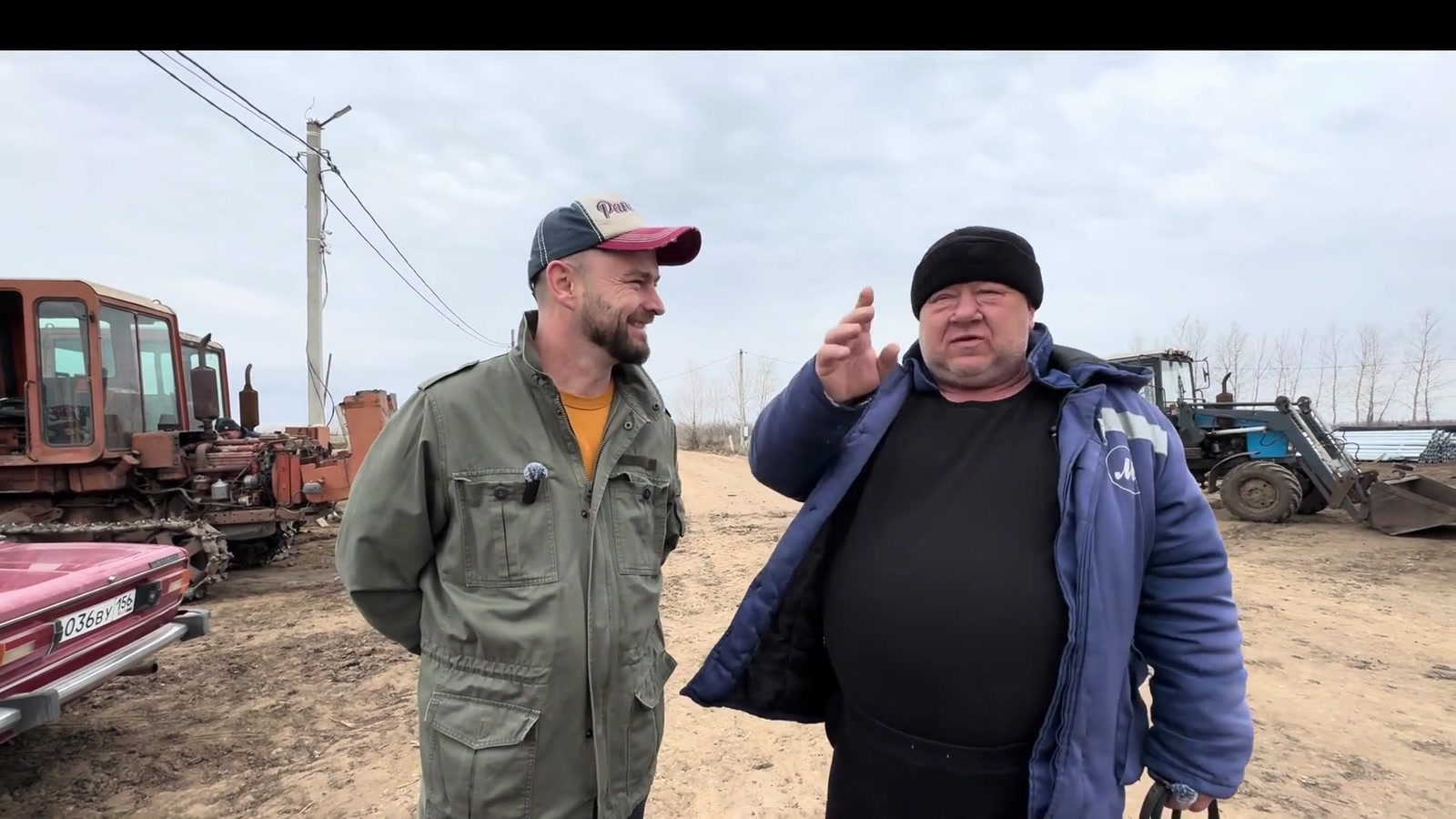
In a report first published in October 2025, Viktor Kovalev visits the Boguslavsky agricultural cooperative in Orenburg Region. A farm representative walks him through the yard and store and explains how the family adapted its potato business to a hot, dry steppe and to local customers who store the crop at home.
From watermelons to potatoes
The farm representative recalls growing watermelons from 1996 and starting to work with potatoes around 2017. At the time of the visit he put the farm’s total area at about 1,500 hectares and the area planted to potatoes that season at about 70 hectares. Peas, wheat and barley were also in the rotation.
He describes hot, dry winds and summer temperatures that can reach 45–50 °C on the steppe. The farm irrigated its potatoes at night to cool the crop and moved from a hose reel to larger irrigation machines. In the walk through the store, he cites wells about 35–40 metres deep and describes the water as slightly salty. These figures come from the conversation at the farm.
Weekdays. Unsubscribe in one click.
What goes into the store and what goes home
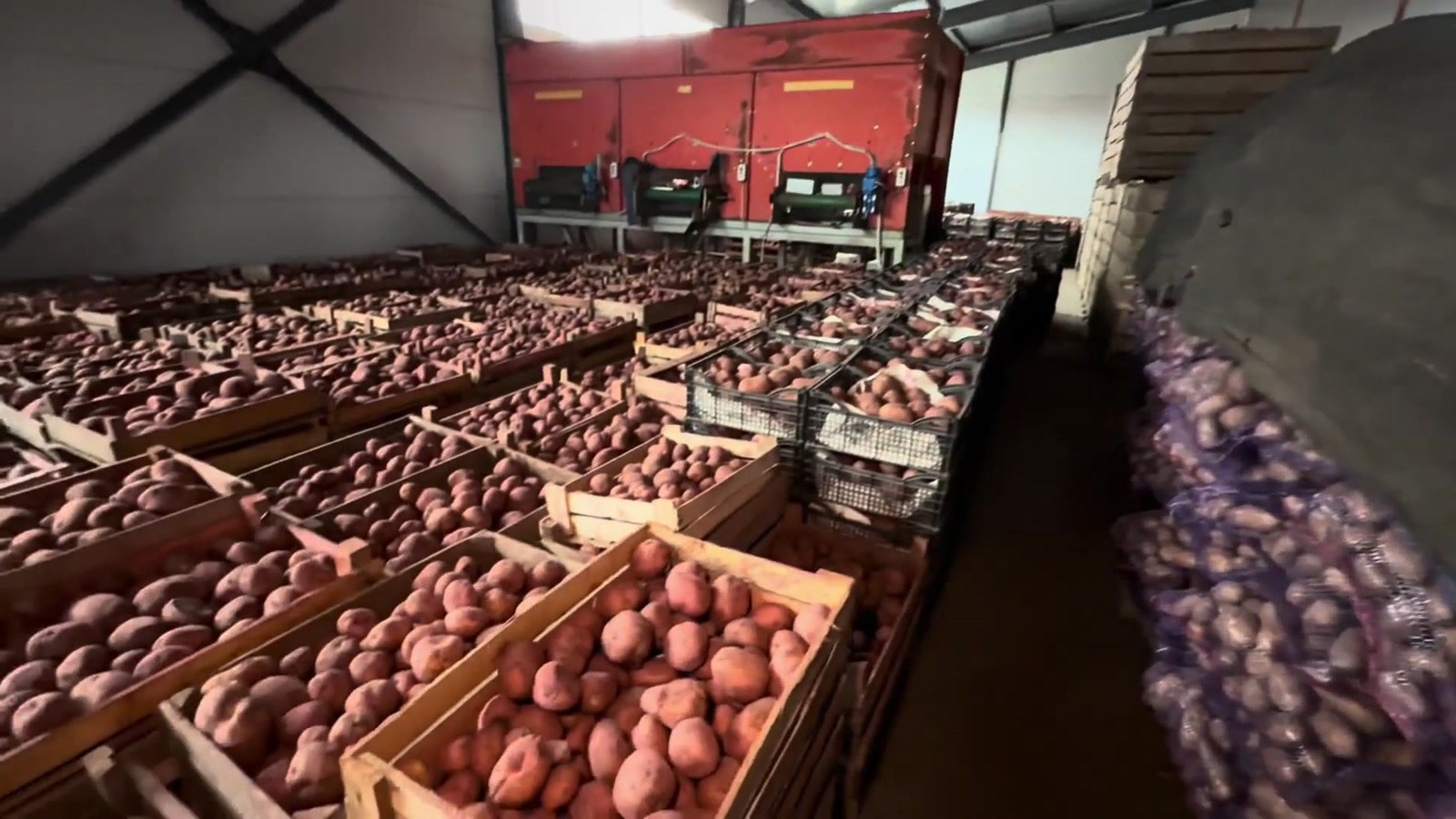
The representative shows seed potatoes brought in from a supplier and says the farm was also selecting tubers from its own crop. He links the choice of varieties to how they perform under local conditions. In a separate newspaper interview, the cooperative names Colomba and Queen Anne among the varieties it grows.
He says local households often keep potatoes in cellars. The cooperative moved to 25 kg bags even though wholesale buyers initially preferred heavier sacks. Loading a sack at the farm was easy to arrange. The smaller bag made it easier for customers to unload it and lower it into a cellar at home.
Keeping a crew through the year
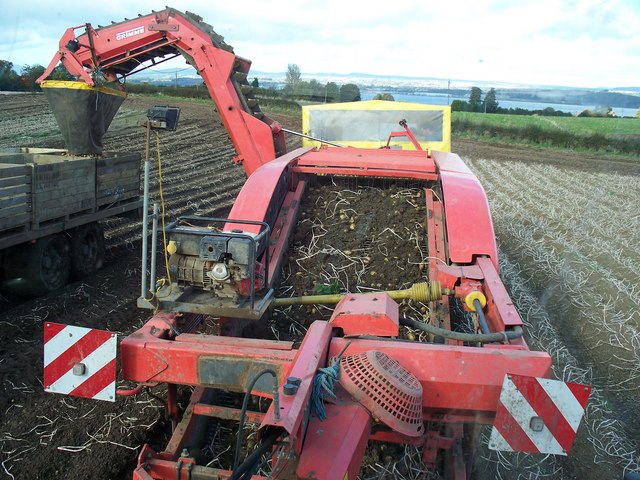
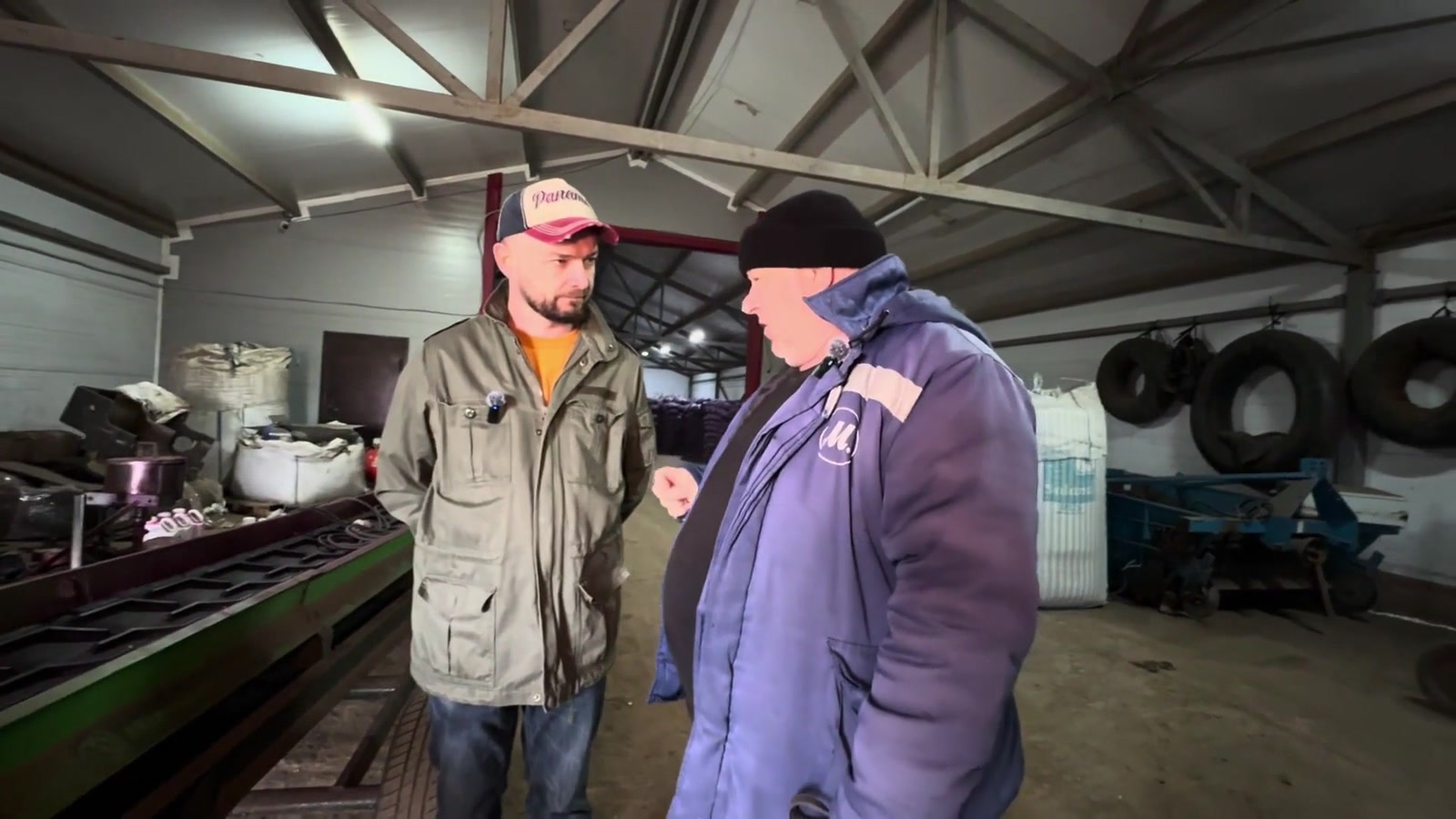
The representative describes a move from seasonal watermelon work to year-round jobs. Keeping the same workers meant people already knew their tasks when a new shift began. A four-row self-propelled potato harvester was still a goal at the time of the visit.
Watch the full interview
Watch the interview on YouTube
Chapters in the archive recording
The chapter times follow the longer archive recording. The YouTube edition runs on a separate clock.
- 00:23 How the family started with watermelons
- 01:50 The move into potatoes
- 02:38 Dry winds and summer heat
- 03:08 Night irrigation and the move from a hose reel
- 03:41 Farm area and crop rotation
- 04:31 Local buyers and home storage
- 05:13 Variety trials
- 11:53 Selecting seed potatoes
- 12:34 Keeping a year-round crew
- 13:36 Why the cooperative switched to smaller bags
- 15:38 The harvester the farm hoped to buy
- 16:56 Water from wells
Sources
- Boguslavsky’s grower profile on Svoe Fermerstvo
- Yuzhny Ural interview with Boguslavsky on varieties and storage
This article first appeared on 11 October 2025. This update adds scenes and notes from the tour archive.