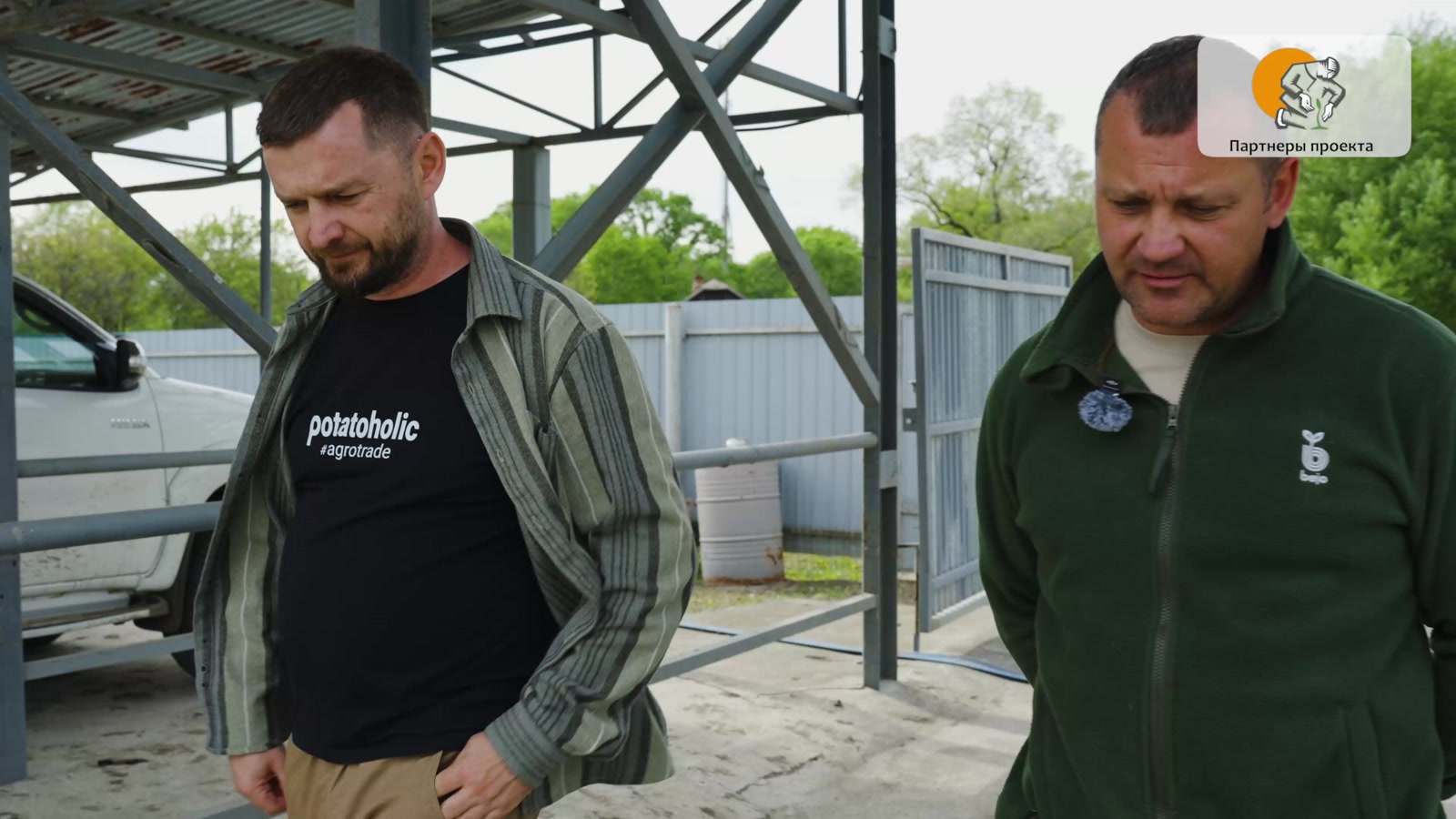
In the International Potato Tour report from Kirbi in Kyrgyzstan, a company representative recounts the early days of its potato crisp business. The field team then shows how it grows potatoes for processing in the Tyup district of eastern Issyk-Kul. The original article appeared in September 2026.
From a rented garage to a supply of processing potatoes
In the interview, Kirbi traces its first crisp-making workshop to 1997, when Iosif and Nina Menkhus were frying crisps in rented garage space. The representative recalls that a visit by German potato processor Stöver in 2000 led to advice, specialist support and seed for varieties suited to processing. Kirbi then began growing potatoes on rented land.
The representative dates the company’s first automatic line to around 2005 and says it began buying land in 2008. The team then built irrigation and potato storage. At the time of the visit, the representative put the workforce at around 200 people. The Chamber of Commerce and Industry of the Kyrgyz Republic lists Kirbi as a potato crisp producer.
Weekdays. Unsubscribe in one click.
Planting and irrigating in Tyup
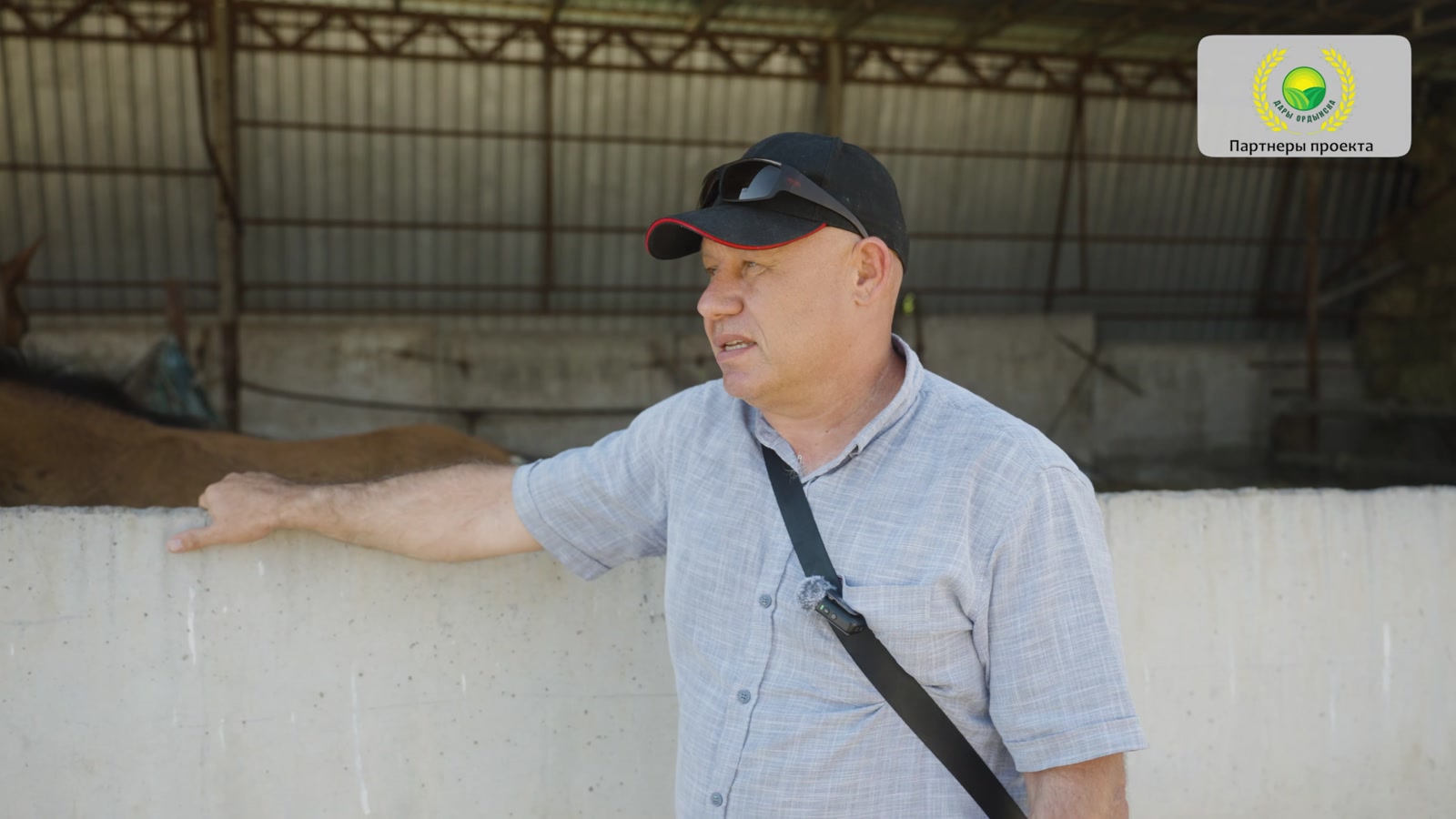
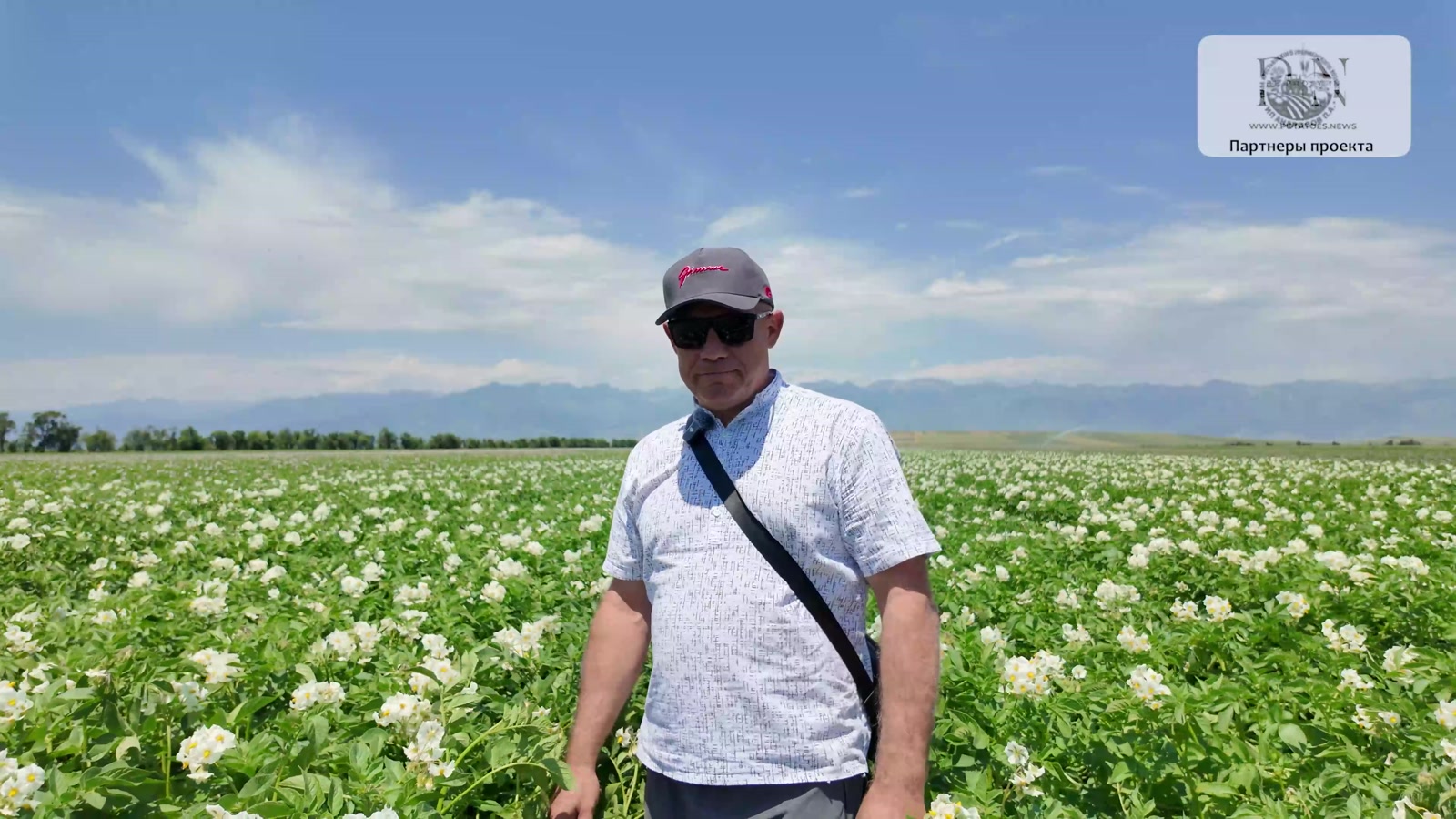
A company representative shows a 30-hectare field with varieties from several breeders, including Napoleon from Agrico. The company uses a hose-reel irrigator to water the field in strips. Chief agronomist Roman Viklenko says the planting on the field he discusses started on 30 March and finished on 1 or 2 April, after deep loosening and a pass with a vertical-axis tiller.
Viklenko puts local rainfall at about 350 mm a year. During the dry conditions described in the interview, he says the irrigation machine applies about 30 mm per pass and returns to the same area roughly every three days. He recalls a cold spring with a severe Rhizoctonia problem and discusses preventive work against late blight as a separate issue.
Two harvest windows
The farm starts lifting early potatoes in July and sends them directly from the field for processing. Viklenko reports about 20–25 tonnes per hectare for that early lifting and about 40 tonnes per hectare on average when bulk harvest begins in September. The figures are the agronomist’s account of the farm’s harvests at the time of the visit.
Watch the full report
Chapters in the archive recording
These chapter times follow the archive recording of the visit.
- 00:37 The company’s first crisp-making workshop
- 01:37 A German delegation and Stöver’s visit
- 02:57 The first automatic production line
- 03:57 Buying land and building irrigation and storage
- 05:01 Employment and the product range
- 06:53 The Tyup plot and the Napoleon variety
- 08:53 Chief agronomist Roman Viklenko introduces his work
- 09:29 Spring tillage and planting dates
- 09:55 Rhizoctonia and late blight as separate issues
- 10:35 Rainfall and the irrigation schedule in dry weather
- 11:05 July lifting and the September harvest
- 12:56 A field agronomist on observing individual plants
Sources
- Kyrgyz Chamber of Commerce and Industry: Kirbi
- Agrico’s variety profile for Napoleon
- An earlier interview with Kirbi’s executive director
This article first appeared on 1 September 2026. This update adds scenes and notes from the tour archive.