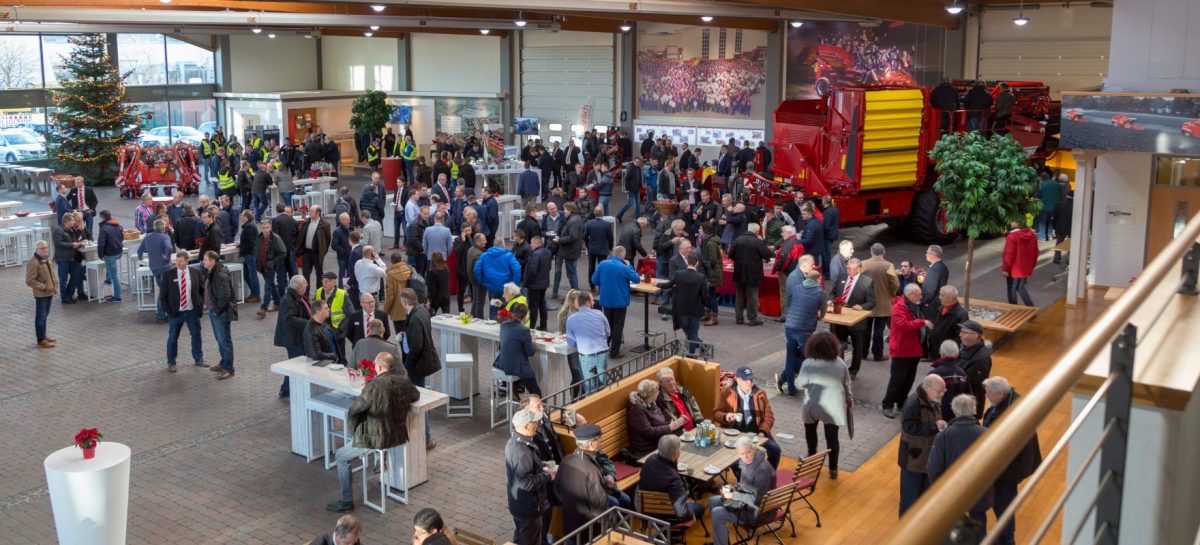
Welcome to the International Potato Tour in Irkutsk. As we examine best practices for modern potato production, we turn our attention to the innovative approaches employed by KFK Kichigin. By rethinking field geometry and machinery interaction with heavy soil types, this farm has successfully demonstrated that technical precision is the key to maximizing yields.
Overcoming the Challenges of Heavy Loam
Working with heavy clay-like soils presents unique obstacles, particularly regarding soil compaction and planting uniformity. Traditional four-row systems often cause significant “trampling” and soil compression, leading to uneven planting zones and complications during harvest.
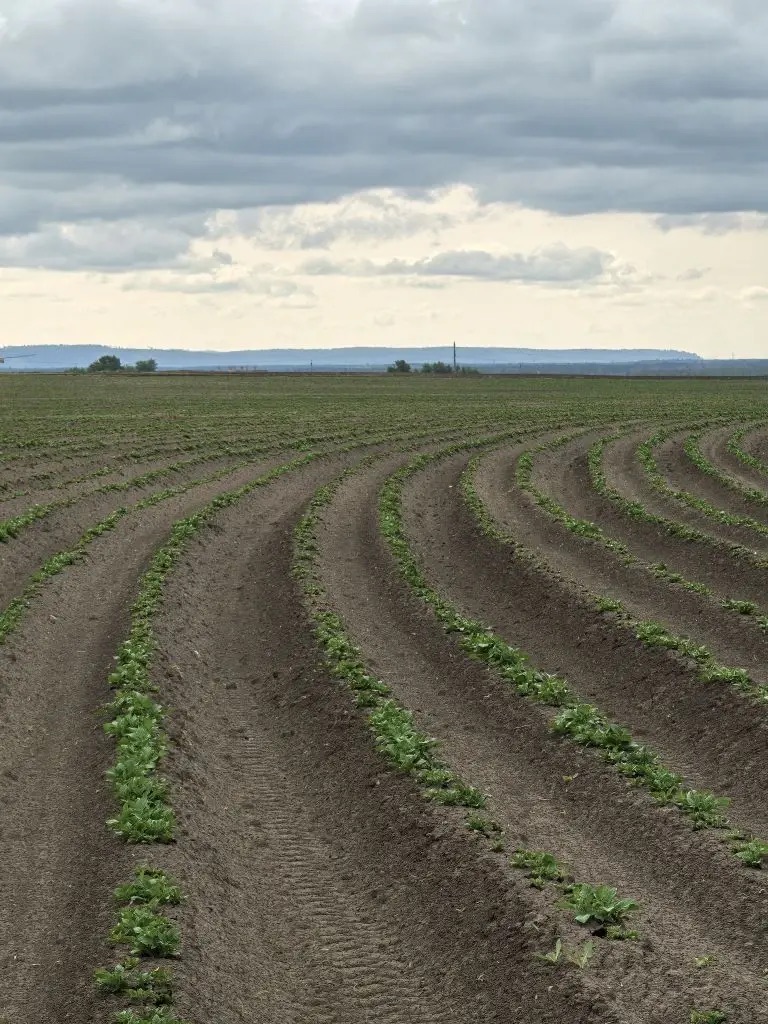

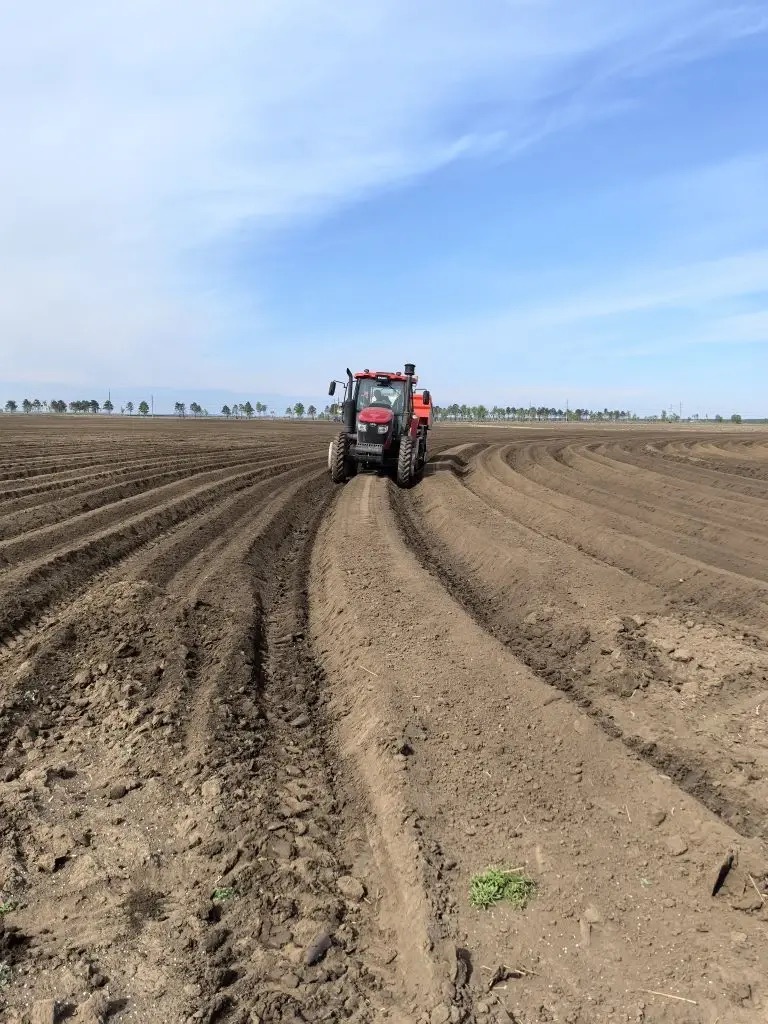

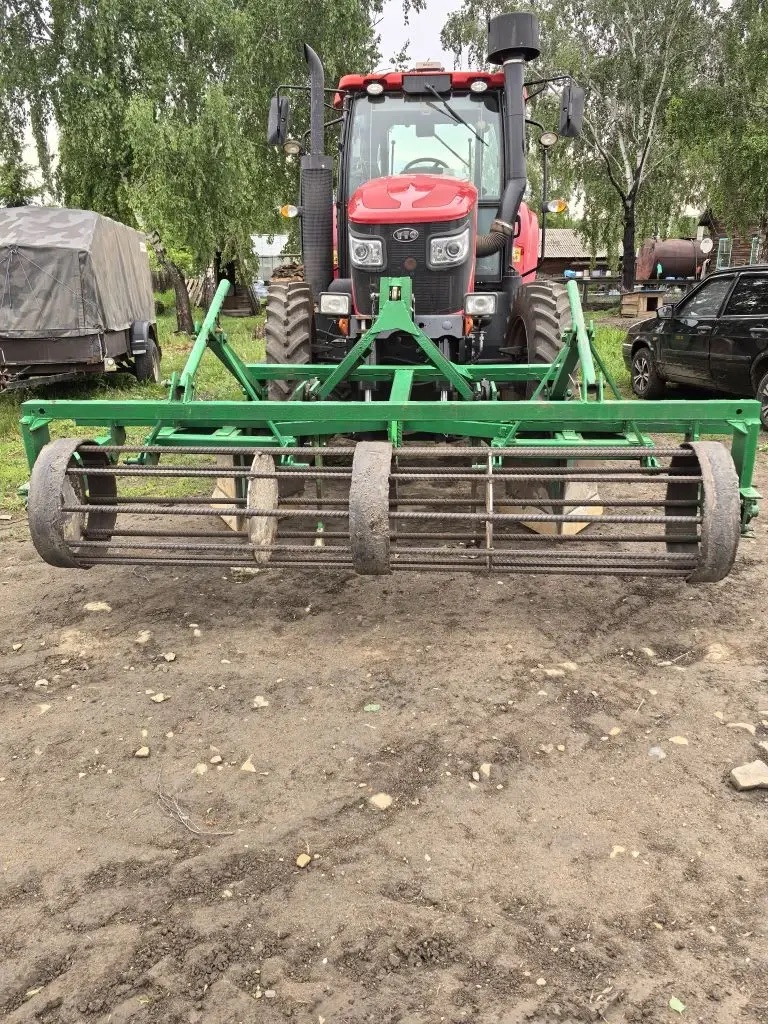


To mitigate these issues, KFK Kichigin made a strategic shift to a two-row planting technology. This transition was designed to:
- Minimize the number of passes made by heavy machinery, reducing the compaction of the planting zone.
- Ensure the soil remains loose and friable, creating an ideal seedbed structure even after the winter season.
- Improve water drainage, preventing excess water accumulation in the fields.
Synchronizing Operations: The Circular Planting Concept
One of the most notable innovations presented during this tour is the adoption of “circular” planting alignment. By calculating and synchronizing row paths with the tracks of irrigation systems (such as “Fregat” machines) and sprayers, the farm has optimized field logistics.
Key technical advantages of this system include:
- Reduced Equipment Stress: Machinery follows established, hardened paths rather than struggling through soft soil, significantly reducing strain on gearboxes and engine wear.
- Operational Efficiency: Because the equipment travels on consistent, pre-defined tracks, there is minimal overlap or slippage, which is critical during late-season operations like spraying and harvesting.
- Improved Crop Management: By treating the irrigation tracks as the primary technological lanes, the farm has streamlined the spraying and fertilizing processes.
Proven Results
This approach has translated into impressive performance metrics. By ensuring the soil is properly prepared and the seedbed is protected from compaction, the farm consistently achieves yields between 400 and 600+ tons per hectare, depending on the season and specific field conditions.
Furthermore, the farm maintains robust infrastructure to support its operations, including dedicated storage facilities with a capacity of 2,000 tons, which utilize natural ventilation systems to maintain seed quality.
Conclusion
The experience shared by KFK Kichigin serves as a valuable case study for participants of the International Potato Tour. It underscores that in challenging soil conditions, the combination of two-row technology and strategic field planning can transform constraints into competitive advantages, ensuring both higher productivity and the long-term sustainability of the potato industry.